Réunion · Réunion
Where to Stay in Saint-Denis, Réunion
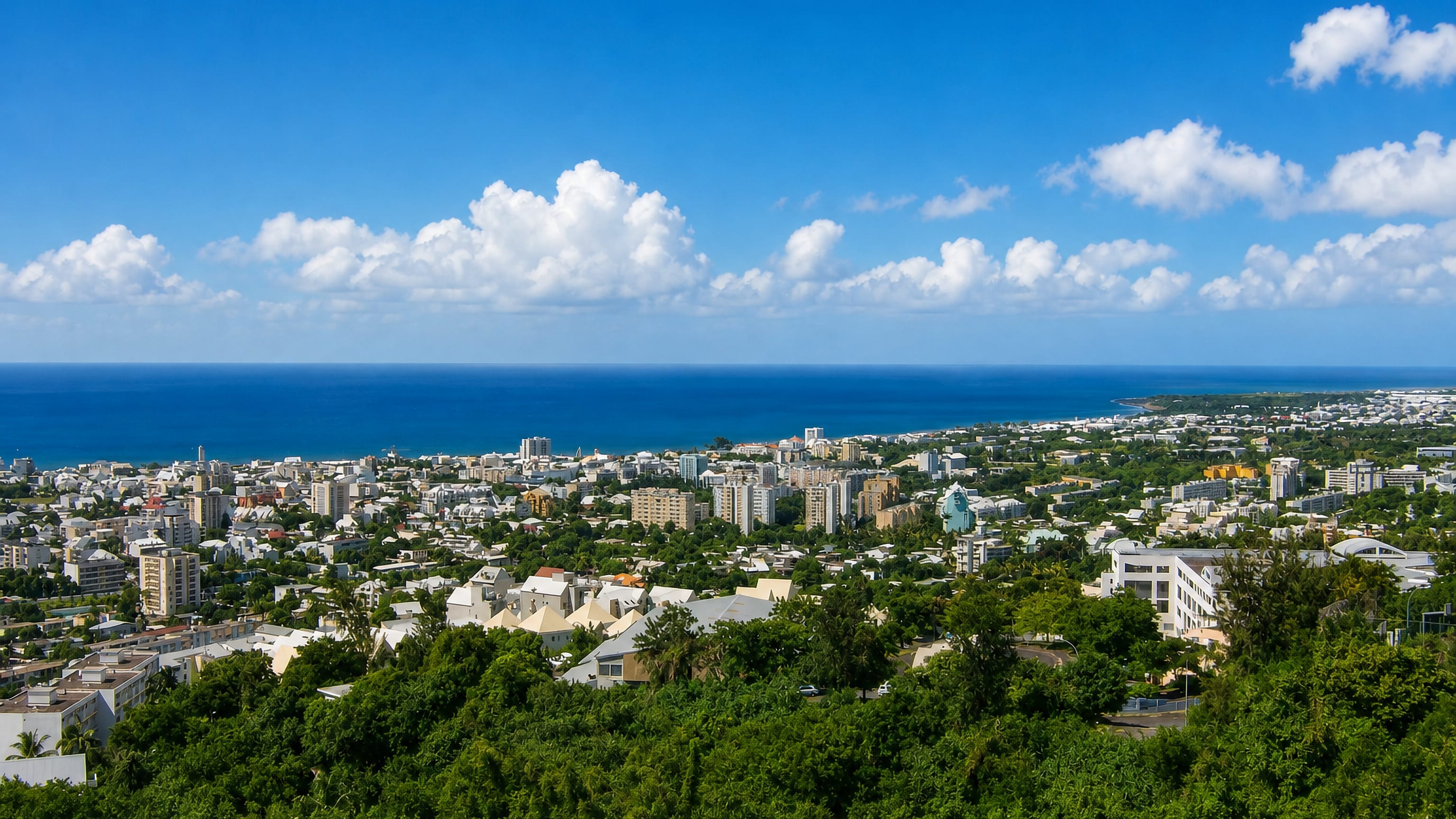
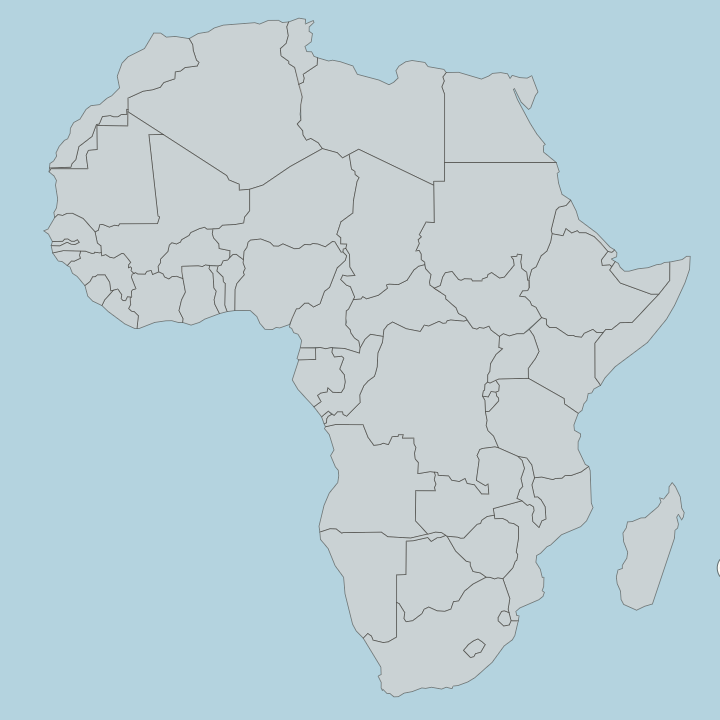
Saint-Denis is the capital of Réunion, a French island in the Indian Ocean, set on the north coast below great volcanic peaks.
Hotel links are affiliate links: booking through them may earn us a commission, at no extra cost to you. It never affects how places are ranked. How this works


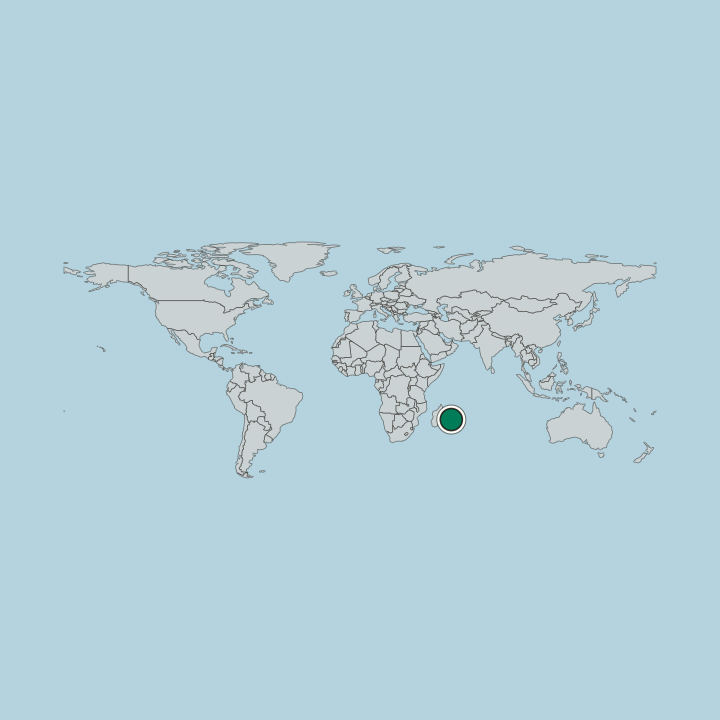
Where to stay in Saint-Denis
The practical side of choosing where to sleep.
Saint-Denis splits between the old Creole quarter and the seafront. The Creole streets around the Rue de Paris and the market keep the villas, the gardens, and the cathedral within a walk, and staying in the centre suits anyone here for the island capital. The town quiets under the peaks at dusk.
Rooms sit among the old Creole houses. Out toward the seafront and the newer suburbs, the city spreads along the coast. A room by the shore trades the old streets for the sea wind, the barachois waterfront, and an easy start around the island.
The mountains climb green just behind. If you want the villas and the gardens, stay in the old town; if you want the sea, take a room on the front. Either way, the island rises close at hand.
Find hotels in Saint-Denis
Direct booking searches for these neighbourhoods.
The old town
Around the Rue de Paris and the Jardin de l'État, within a walk of the cathedral and the Grand MarchéFind hotels in The old townStays wanting the sea wind and the coast roadThe seafront
Along the shore and the barachois, an easy start around the islandFind hotels in The seafrontHotel links are affiliate links: booking through them may earn us a commission, at no extra cost to you. It never affects how places are ranked. How this works
Things to do in Saint-Denis
Ranked by global recognition; descriptions from Wikidata (CC0).
Churches & Religious Sites
3- St. Denis Cathedral, Réunion Heritage
- Église Notre-Dame-de-la-Délivrance Heritage
- Église Saint-Jacques Heritage
Castles & Historic Sites
2- Château Morange Heritage
- Géréon et Jasmin
Stadiums & Sports
2- Stade Jean-Ivoula
- La Redoute Stadium
Parks & Gardens
1- Jardin de l'État Heritage
Landmarks & Notable Places
3- Maison Turquet Heritage
- railway-related structures of Saint-Denis and La Possession Heritage
- Villa du Général Heritage
worth knowingacross 5 categories in Saint-Denis
About Saint-Denis
Saint-Denis is the Creole capital of Réunion.
What is Saint-Denis known for?
Grand old Creole villas and colonial streets line the town below the island's soaring green mountains, and a mix of African, Indian, Chinese, and French cultures fills its markets and temples. The Jardin de l'État spreads its tropical greenery in the heart of the city. Island and Creole life mark the place.
What are the main landmarks in Saint-Denis?
The old Creole streets are the charm of Saint-Denis. Grand villas with iron verandas, among them the Villa Déramond-Barre, line the Rue de Paris, the loveliest sight in the city, leading down toward the sea. Gardens and markets fill the centre.
The Jardin de l'État spreads its tropical trees around the natural history museum, while the Grand Marché and the Saint-Denis Cathedral gather the life of the island capital.
What is the history of Saint-Denis?
Saint-Denis grew as the capital of a plantation island. The French settled Réunion in the seventeenth century and brought enslaved Africans and then indentured workers from India and China to labour on the coffee and sugar estates. A Creole society took root.
Out of that mixing of peoples came the island's Creole language, food, and faith, and Saint-Denis became its rich and layered capital on the northern shore. Sugar wealth built the town. Planters raised grand Creole villas with wide verandas and iron lacework along the streets of the capital, and laid out the tropical Jardin de l'État as a garden of the world's useful plants.
The colony became a part of France itself. In the twentieth century Réunion was made a French department, and Saint-Denis grew into a modern island city, its market and cathedral still at its heart. The great villas and gardens survive among the new streets.
Saint-Denis keeps its Creole soul below the peaks.
Where is Saint-Denis?
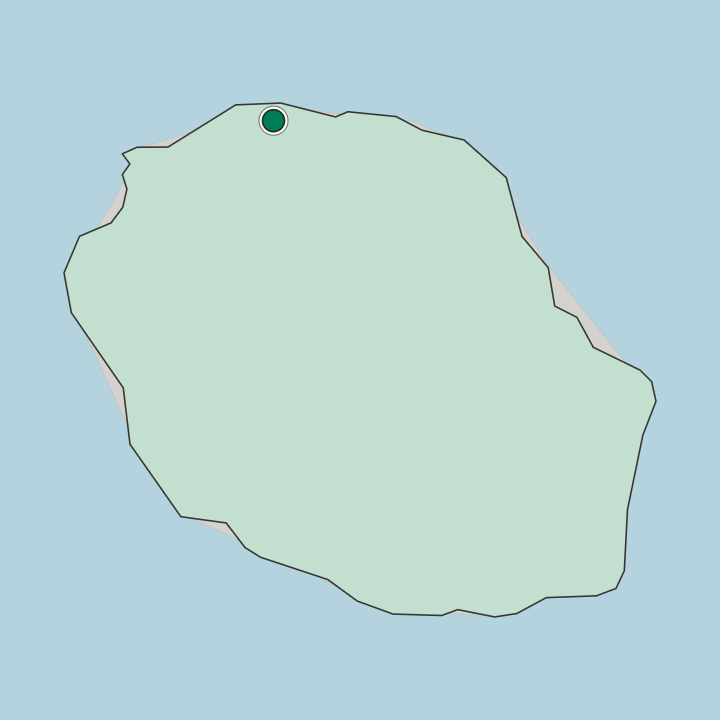
Saint-Denis lies on the north coast of Réunion. The city spreads on a narrow shelf between the Indian Ocean and the steep green slopes that climb toward the island's volcanic heart. Ravines and rivers cut down through the town.
High volcanic peaks rise sheer just behind.
What is the climate of Saint-Denis?
Saint-Denis has a warm tropical climate. The heat holds through the year on the coast, split between a hot, wet summer of cyclones and a milder, drier winter. Great storms can strike from the ocean in the wet season.
The sea breeze cools the town by day.
How do you get to Saint-Denis?
Saint-Denis holds the main airport of Réunion. Flights land from France, Mauritius, and Madagascar at the edge of the city, and the coast road runs around the island from here. Buses climb into the mountain villages.
Most arrive by air into the island capital.
Common questions
What is the best area to stay in Saint-Denis?
The old town: Visitors here for the Creole villas, gardens, and market. The seafront: Stays wanting the sea wind and the coast road.
Good for
More cities in Réunion
Updated September 2026