Réunion: Regions, Cities & Travel Guide
Réunion is a French island in the Indian Ocean, fringed by west-coast lagoons and crowned by the Piton des Neiges, with Saint-Denis as its capital.
Hotel links are affiliate links: booking through them may earn us a commission, at no extra cost to you. It never affects how places are ranked. How this works


Top destinations in Réunion
Cities to start from, then drill into areas and hotels.

 Réunion
Saint-Denis
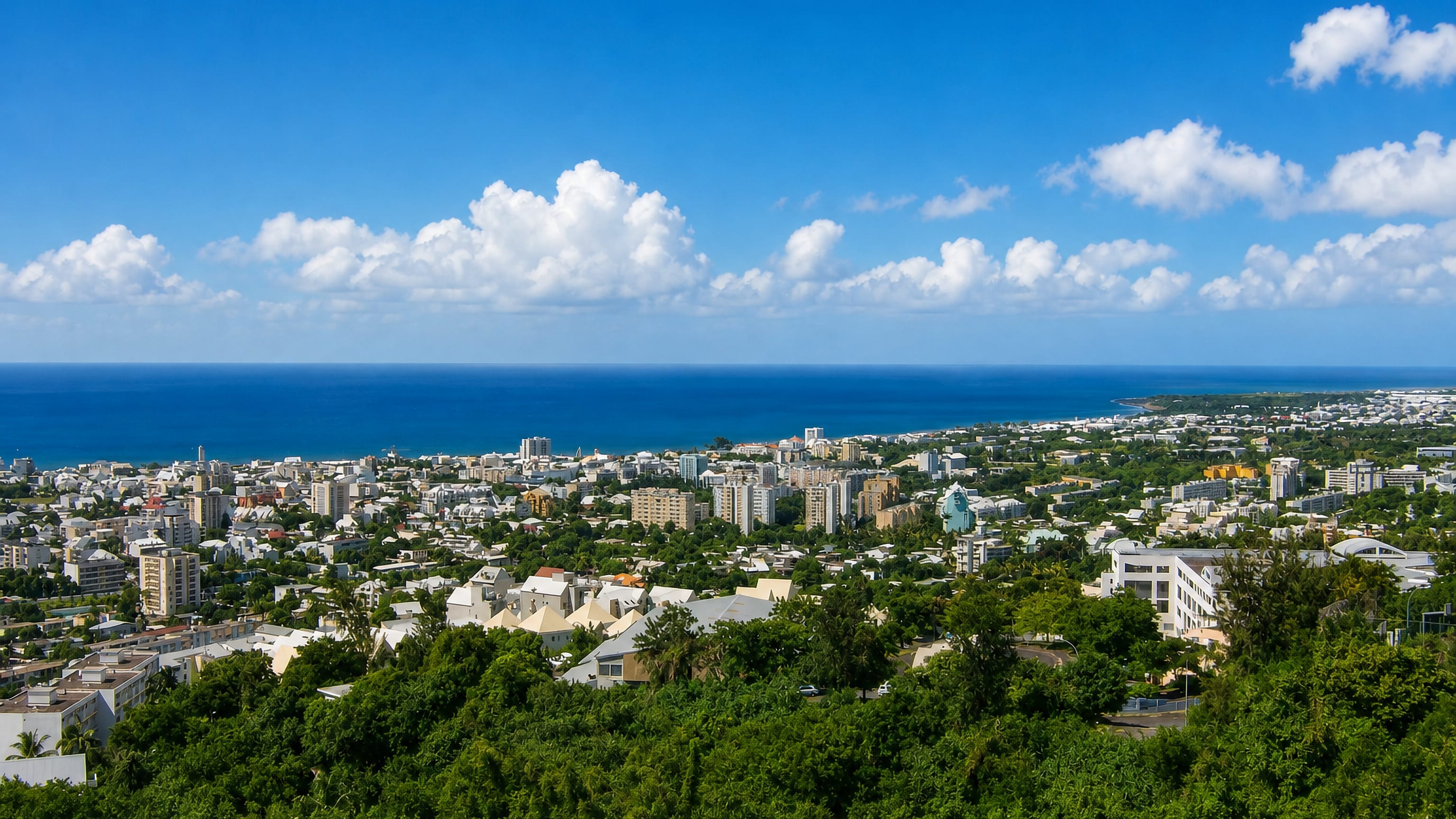
Saint-Denis is the capital of Réunion, a French island in the Indian Ocean, set on the north coast below great volcanic peaks.Where to stay →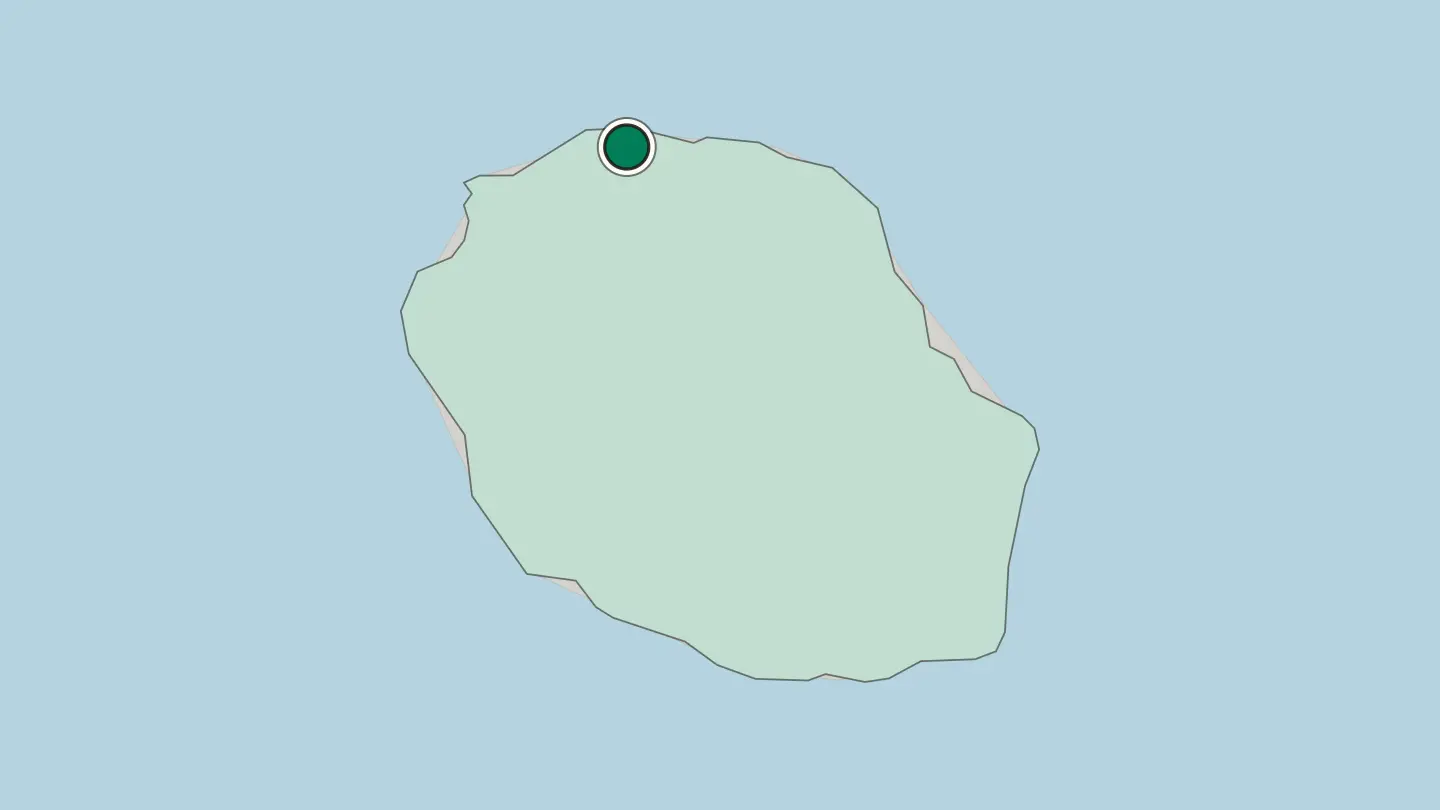
 Réunion
Saint-Pierre
Saint-Pierre is a city of southern Réunion in the Indian Ocean, the main town of the island's south, a Creole port of beaches and rum below a volcano.Where to stay →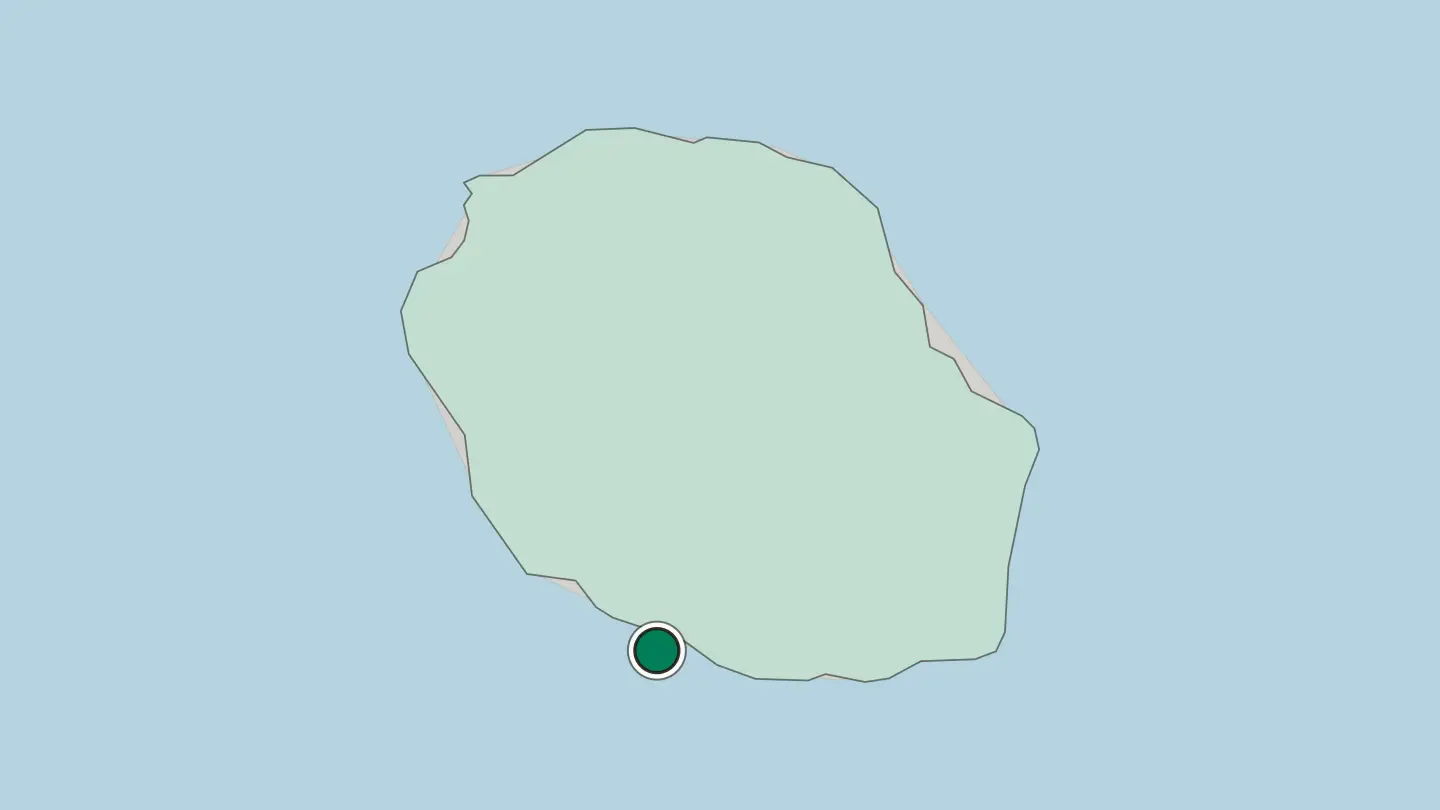
 Réunion
Saint-Paul
Saint-Paul is the old capital of Réunion, a coastal town on the west of the Indian Ocean island.Where to stay →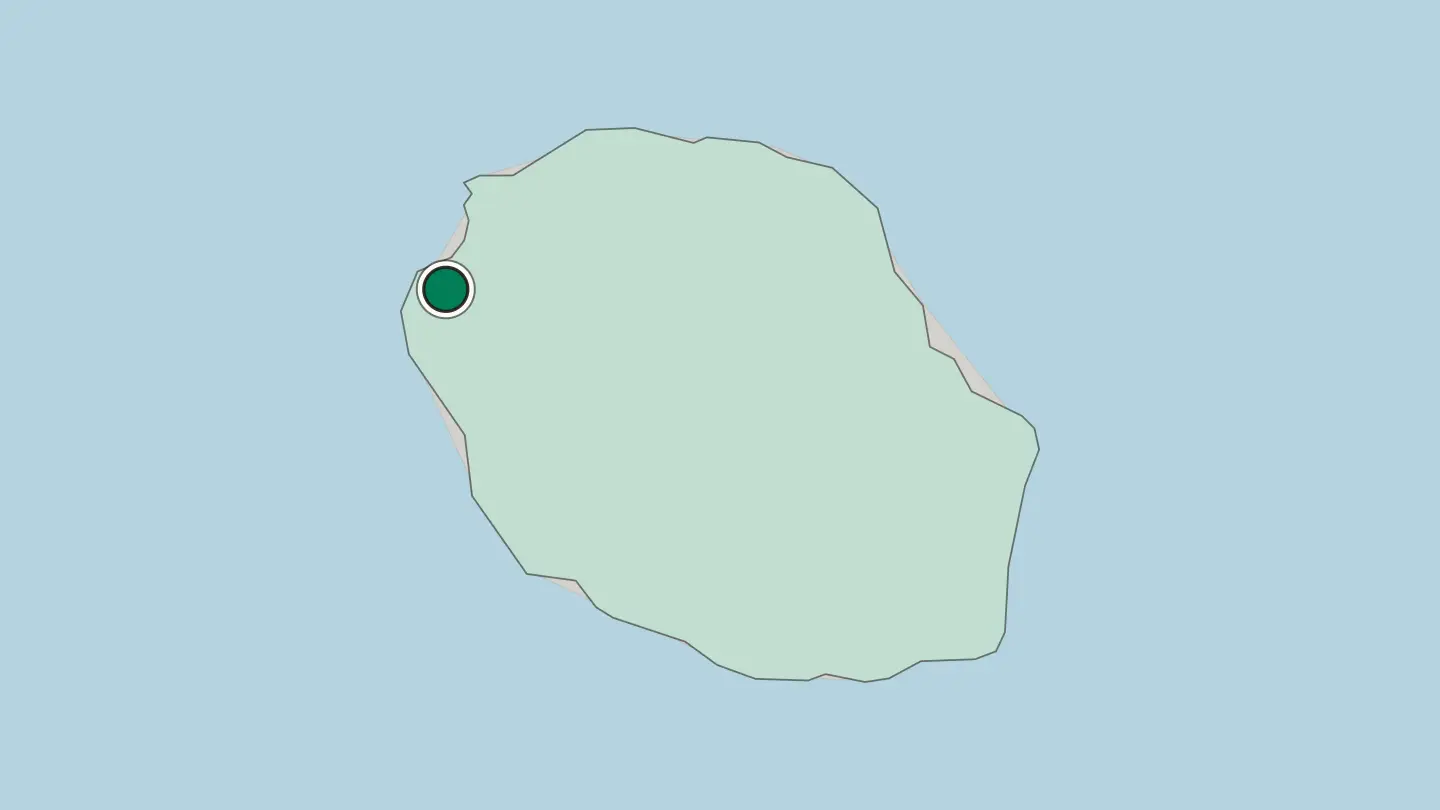
Hotel links are affiliate links: booking through them may earn us a commission, at no extra cost to you. It never affects how places are ranked. How this works
Browse by region
One region so far — open it to see its cities and towns.
About Réunion
Two volcanoes define Réunion.
What is Réunion known for?
The dormant Piton des Neiges rises at the centre, the highest summit anywhere in the Indian Ocean, while the Piton de la Fournaise smoulders to the east among the most active craters on earth. Erosion carved the old peak into three cirques, and Cilaos, Mafate, and Salazie now sit like a cloverleaf of green amphitheatres below it. The coast tells another story.
West-facing towns such as Saint-Gilles-les-Bains front a warm lagoon of coral and pale sand.
Where is Réunion?
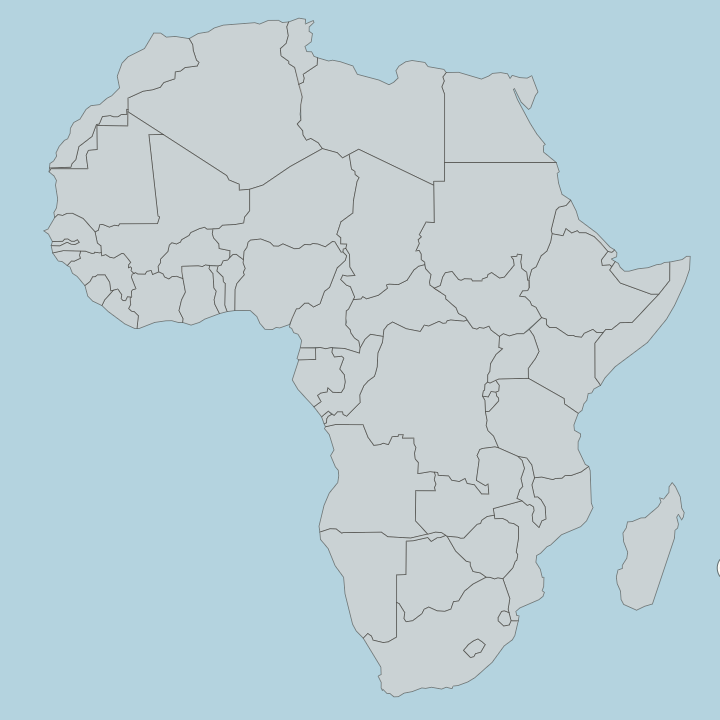
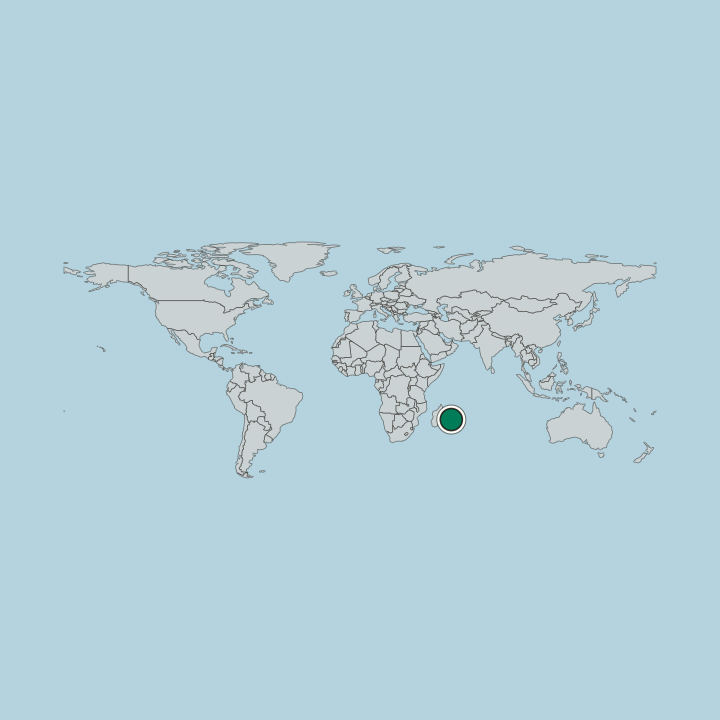
Réunion is a young volcanic island in the western Indian Ocean, lying east of Madagascar and south-west of Mauritius. It is small but ferociously vertical. Two shield volcanoes built the whole of it, and their record is written across every ridge and ravine.
The dormant Piton des Neiges rose from the sea roughly three million years ago and still stands as the highest point in the Indian Ocean, its summit sometimes dusted with frost that gives the peak its name. Centuries of rainfall and collapse then hollowed out its flanks into three vast cirques. Salazie in the north is the greenest and wettest, threaded with waterfalls; Mafate to the west has no road at all, reached only on foot or by helicopter; Cilaos to the south is drier and brighter, famous for its lentils and thermal springs.
The eastern third of the island belongs to a second, far younger volcano. The Piton de la Fournaise has erupted well over 100 times since 1640, spilling fresh lava across a barren plain and down to the sea. Between the heights and the shore, the land drops fast through sugarcane fields and forest to a narrow coastal fringe where nearly everyone lives.
The east coast catches the trade winds and the rain, while the sheltered west stays dry behind the mountains. From summit frost to coral lagoon in a single morning, Réunion packs a continent's worth of terrain into one small island.
What is the history of Réunion?
Réunion had no native population when France claimed the empty island in 1642 and named it Île Bourbon after the ruling dynasty. Permanent settlement began in 1665. The first colonists planted coffee, and when that faltered they turned to sugarcane, which soon covered the coastal lowlands and demanded an enormous labour force.
That demand was met through bondage. Planters shipped in enslaved people from Madagascar, East Africa, and beyond, and by the early nineteenth century they made up the majority of the population, working the cane under a brutal plantation regime whose scars still run through the island's living memory. Emancipation came on 20 December 1848, a date now marked each year across the island as Fête Kaf.
To keep the mills running, planters then recruited indentured workers, above all from southern India but also from China and the East African coast, and their arrival remade Réunion into the layered Creole society it became. The island held on to the Bourbon name until the Revolution, cycled through Bonaparte and back, and finally settled as Réunion. In 1946 it stopped being a colony and became a full French department, its people French citizens with the euro in their pockets and a parliament seat in Paris.
Sugar built it; abolition and migration remade it.
What is Réunion like?
Réunion is Creole to its core. Centuries of arrivals from Africa, Madagascar, India, China, and mainland France fused into a single island culture where a Hindu temple, a Catholic church, a mosque, and a Chinese pagoda can share one small town. Most people speak Réunion Creole at home and French in the office, switching between the two without a thought.
Music carries the deepest memory. Maloya, born among enslaved Africans and Malagasy on the plantations and long banned by the authorities, was recognised by UNESCO in 2009 as intangible heritage of humanity, and its cousin séga fills every festival with drums, hand percussion, and the rattling kayamb. The table tells the same mixed story.
A Sunday cari simmers meat or fish with onion, garlic, ginger, and the turmeric islanders call safran péi, always served over rice with a fiery rougail on the side. Rougail saucisses, smoked sausage stewed in tomato and chilli, is the dish nearly every household claims as its own. Indian, African, French, and Chinese kitchens all leave their fingerprints on it.
Faith runs the same way, blending Tamil fire-walking festivals with Catholic pilgrimages and the shrines that dot the mountain roads. Réunion feels like several worlds folded into one island home.
What is the climate of Réunion?
Réunion runs on a humid tropical rhythm split hard by its mountains. Southeast trade winds pile rain onto the windward east coast around Saint-Benoît, among the wettest towns in France, while the leeward west behind the Piton des Neiges stays dry and sunny. Warmth is constant near the sea.
Climb into Cilaos or toward the summits, though, and nights turn genuinely cold. A hot, wet summer from November to April brings the cyclone season, when storms spun up over the Indian Ocean can lash the island for days. The cooler, drier months from May to October are the calm ones.
How do you get to Réunion?
Almost all travellers reach Réunion by plane. Roland Garros Airport sits on the north coast near Sainte-Marie, a short drive east of Saint-Denis, and handles the long hauls from mainland France plus quick hops to Mauritius and Madagascar. A second, smaller airport at Pierrefonds serves the south near Saint-Pierre.
Once on the ground, the island runs on the road. A ring highway loops the whole coast, buses link the main towns, and a hire car is what most visitors use to reach the cirques and the volcano. Distances look tiny but the mountain roads are slow.
Good for
Updated September 2026