
Romania · Braşov
Where to Stay in Braşov
Braşov stands under the Carpathian Mountains in Transylvania, its Old Town built around the Black Church and the Council House since 1234.
Hotel links are affiliate links: booking through them may earn us a commission, at no extra cost to you. It never affects how places are ranked. How this works


Where to stay in Braşov
The right area depends on your trip — here's what each neighbourhood is best for.

 BraşovRomania
Astra
Dated to 1940, Astra is the Braşov district holding the archaeological ground at Dealul Melcilor, written in the record also as Schnekenberg.Where to stay → BraşovRomania
Noua
Noua is a district of Brașov in Brașov County, and Brașov Zoo is the one attraction the record places inside it.Where to stay →BraşovRomaniaDârste
Braşov counts Dârste among its districts, and the Holy Trinity church is the only landmark the record places inside it.Where to stay →BraşovRomaniaStupini
Stupini is a district of Braşov in Braşov County, Romania, on the record since 1800 and residential rather than a place travellers set out for.Where to stay →Hotel links are affiliate links: booking through them may earn us a commission, at no extra cost to you. It never affects how places are ranked. How this works
Find hotels in Braşov
Direct booking searches for these neighbourhoods.
The Old Town around the Council House
The Council House, the Franciscan Church and the Museum of Urban Civilization stand on or beside the same square, with the White Tower a short climb awayFind hotels in The Old Town around the Council HouseSkiing trips that want the Carpathian Mountains over the Old TownPoiana Brașov
The resort lies out on the slopes above Braşov, so the Black Church and the Brașov County Museum of History become a drive rather than a walkFind hotels in Poiana BrașovQuieter nights below the walls near Pe Tocile Orthodox churchThe Pe Tocile quarter
Pe Tocile Orthodox church and Saint Bartholomew Church in Brașov mark ground outside the old defences of Braşov, where the walk into the Old Town is long enough to plan around. Rooms are few around here — worth securing early.Find hotels in The Pe Tocile quarterHotel links are affiliate links: booking through them may earn us a commission, at no extra cost to you. It never affects how places are ranked. How this works
Things to do in Braşov
Ranked by global recognition; descriptions from Wikidata (CC0).
Museums & Galleries
3- First Romanian School Heritage
- Council House Heritage
- Mureșenilor house Heritage
Churches & Religious Sites
8- Black Church Heritage
- St. Nicholas Church Heritage
- Saint Bartholomew Church in Brașov Heritage
- New Dormition of the Theotokos church in Brașov Heritage
- Franciscan Church Heritage
Show 3 more →
- Greek Church in Brașov Heritage
- Dormition of the Theotokos church in Brașov Heritage
- Pe Tocile Orthodox church Heritage
Castles & Historic Sites
2- Monument to Johannes Honterus, Harro Magnussen, Brașov Heritage
- Situl arheologic de la Brașov, punct Dealul Melcilor (Schnekenberg) Heritage
Stadiums & Sports
2- Brașov Olympic Ice Rink
- Dumitru Popescu Colibași Sports Hall
Landmarks & Notable Places
4- White Tower Heritage
- Black Tower Heritage
- Filstich-Plecker house Heritage
- Casa cu sfinți, Brașov Heritage
worth knowingacross 5 categories in Braşov
About Braşov
The Old Town is the reason to come.
What is Braşov known for?
Black Church rises over the Council House and the square around it, and the walls that once closed the town still show in the Black Tower, the White Tower and the Cutleries' Tower and Bootmakers' Tower. Between them sit the museums. Brașov County Museum of History, the Brașov Art Museum, the Ethnographic Museum of Brașov and the Museum of Urban Civilization split the collections, while the First Romanian School keeps the schoolroom that gives it its name.
What are the main landmarks in Braşov?
Black Church first. It stands over the Old Town beside the Council House, and the Franciscan Church, the Greek Church in Brașov and Saints Peter and Paul Catholic Church in Brașov fill out the older parishes around it. Towers mark the walls.
Black Tower, White Tower and the Cutleries' Tower and Bootmakers' Tower survive from the fortification, while the First Romanian School and the Mureșenilor house carry the civil record of the town.
What is the history of Braşov?
1234 is the first date. From that point Braşov grew inside Transylvania as a walled town, and what survives of the defences, the Black Tower, the White Tower, and the Cutleries' Tower and Bootmakers' Tower, still fixes the outline of the medieval limits. The Black Church came later.
It became the largest building of the Old Town and the point every street plan since has had to work around, with the Council House holding the civic side of the same square. Schooling left its own monument. First Romanian School preserves the room where teaching in Romanian was carried on here, and a monument to Johannes Honterus by Harro Magnussen commemorates a figure from the learned history of the town.
Merchant houses record the rest. Filstich-Plecker house, Casa cu sfinți and the Mureșenilor house are the domestic survivals of that period, and the Brașov County Museum of History, the Ethnographic Museum of Brașov and the Museum of Urban Civilization now hold what came out of them. Braşov became the seat of Brașov County.
Industry arrived afterwards, and the modern city grew out past the walls while the Old Town kept its shape.
Where is Braşov?
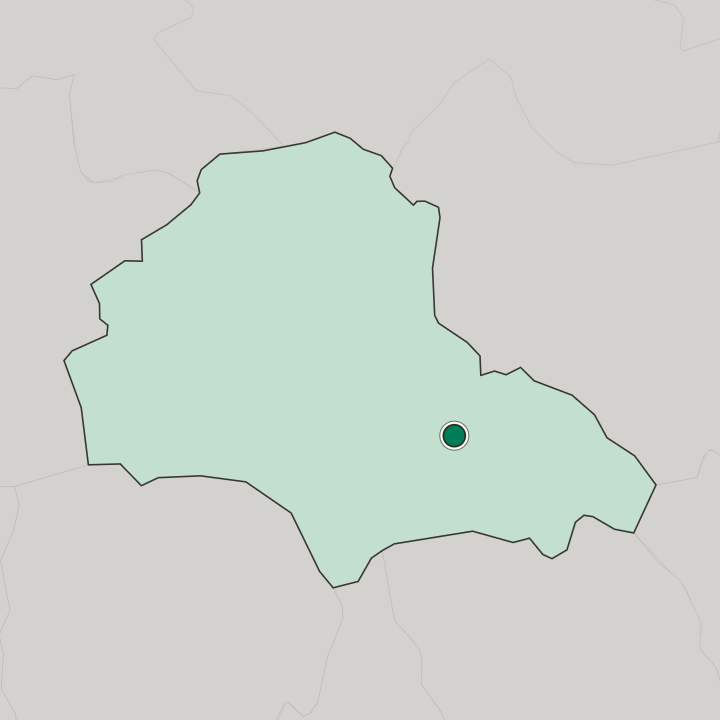
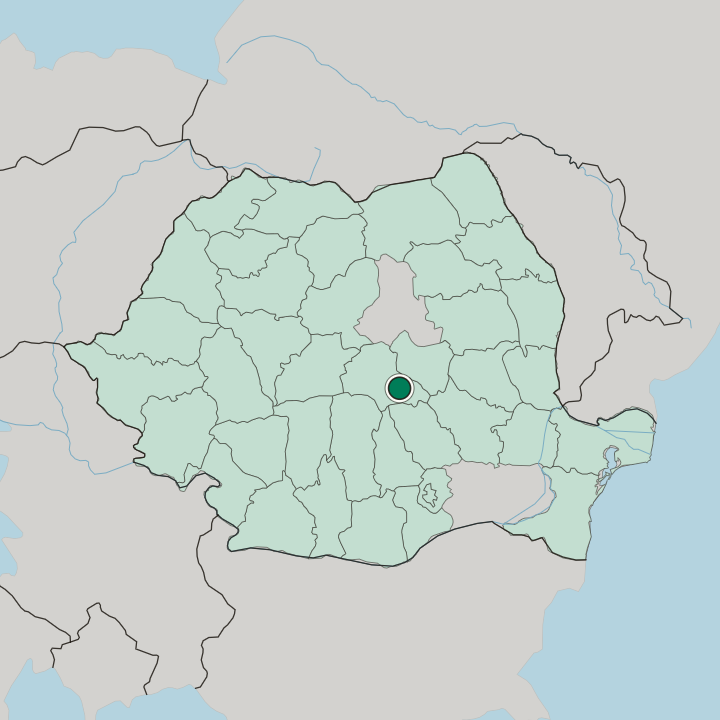
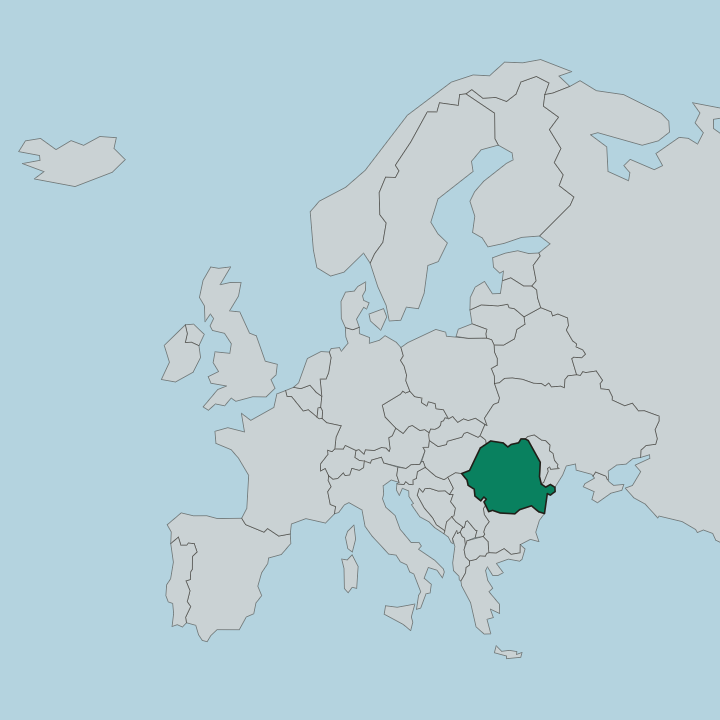
The Carpathian Mountains rise around the city. Braşov sits among them in Transylvania, in the centre of the country, with Poiana Brașov up on the slopes above and Bucharest a long road away. The Old Town occupies the flatter ground.
Streets there run between the Black Church and the Council House on the level, and the ground lifts only toward the Black Tower and the White Tower on the edge of the old defences.
What is the climate of Braşov?
The Carpathians set the thermometer. Mountain air keeps Braşov colder through the year than the lower parts of Romania, and snow on the slopes above Poiana Brașov is reliable enough that skiing is one of the reasons people come. Winter runs long here.
Summer in the Old Town stays comfortable enough for walking between the Black Church and the Council House without the heat that flattens afternoons further down.
How do you get to Braşov?
Bucharest is the usual start. The road up through the Carpathian Mountains connects the two, and Braşov works as the arrival point for this part of Transylvania. Inside the walls, walk.
Black Church, the Council House, the Brașov Art Museum and the First Romanian School stand close enough that a single circuit of the Old Town covers all four. Poiana Brașov needs a vehicle.
Common questions
What is the best area to stay in Braşov?
The Old Town around the Council House: City-break stays with the Black Church and the Black Tower on foot. Poiana Brașov: Skiing trips that want the Carpathian Mountains over the Old Town. The Pe Tocile quarter: Quieter nights below the walls near Pe Tocile Orthodox church.
Good for
Updated October 2026