Serbia · Central Serbia
Where to Stay in Belgrade, Central Serbia
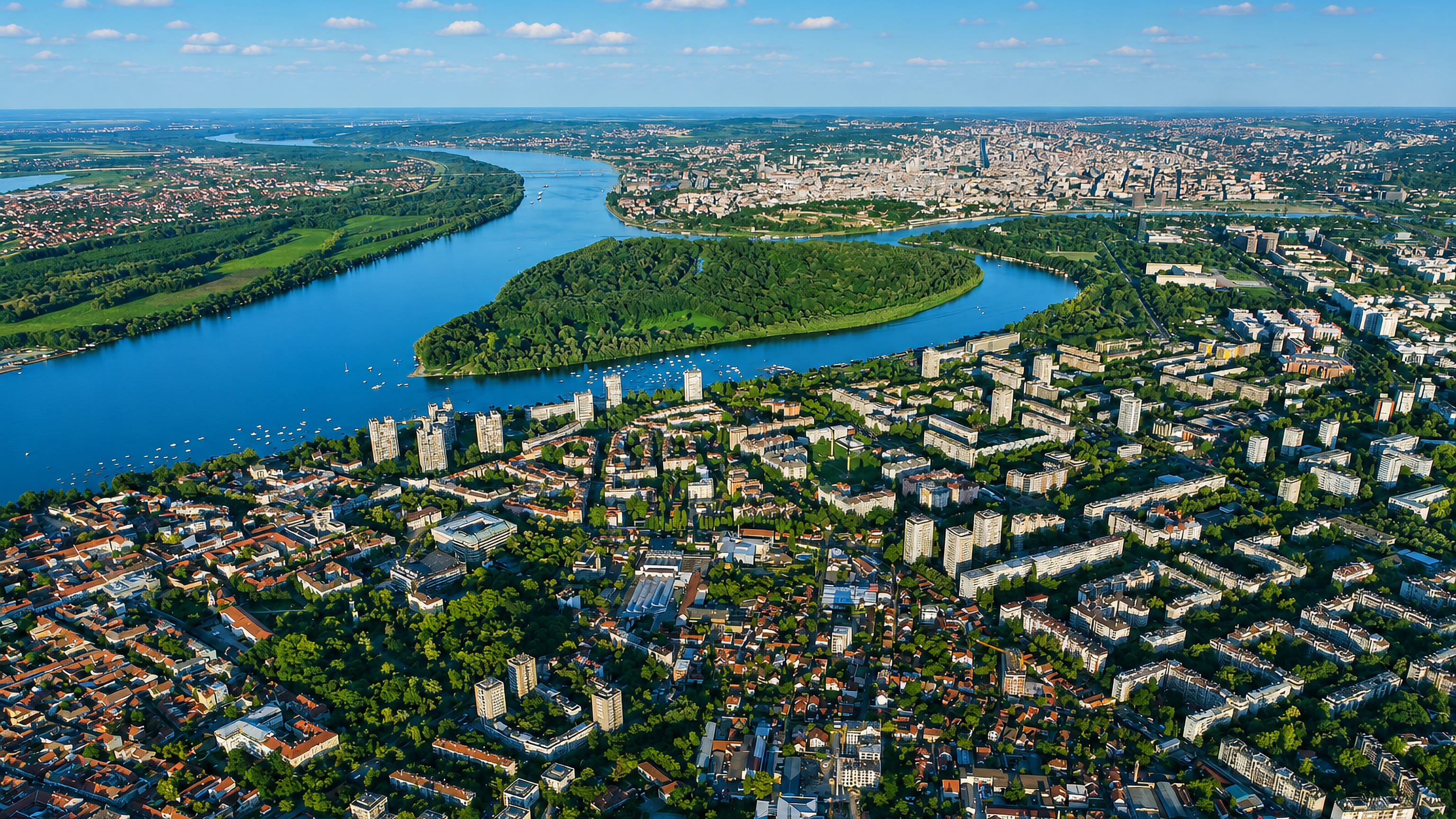
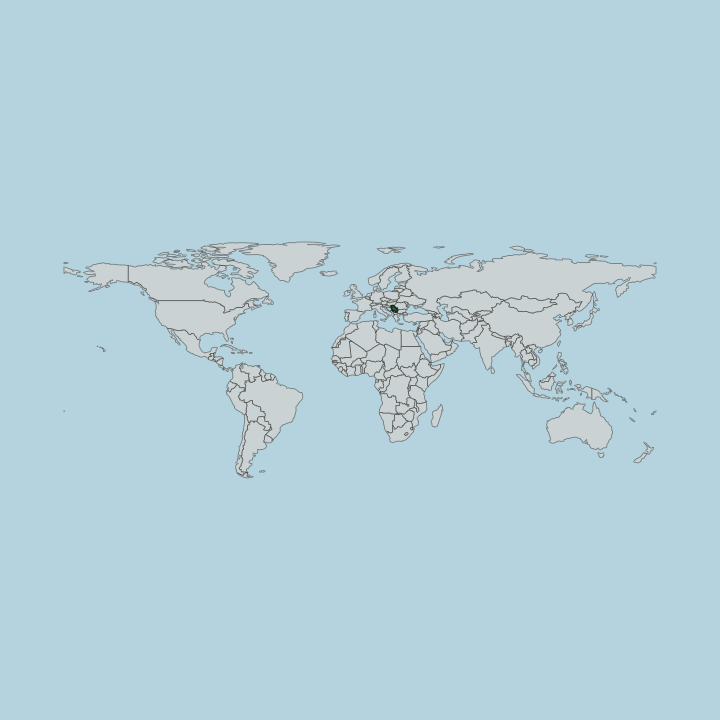
The Danube meets the Sava beneath the walls of Kalemegdan in Belgrade, the capital of Serbia where the plains give way to the Balkans.
Hotel links are affiliate links: booking through them may earn us a commission, at no extra cost to you. It never affects how places are ranked. How this works


Where to stay in Belgrade
Not every neighbourhood fits every trip — here's what each one is good for.

 BelgradeSerbia
Area around Dositej’s Lyceum
The Area around Dositej's Lyceum is a district of Belgrade in the old town below Kalemegdan, near the Museum of Vuk and Dositej.Area around Dositej’s Lyceum →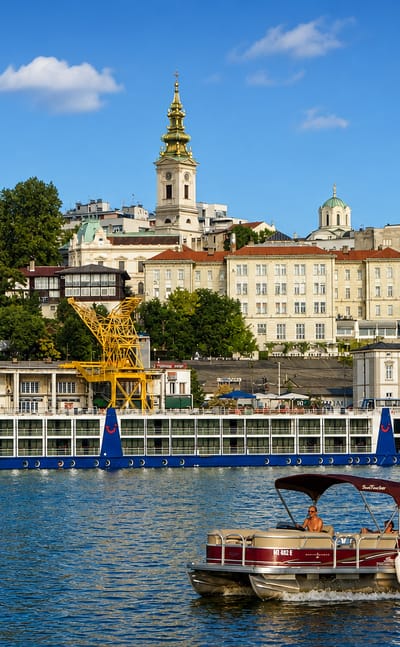 BelgradeSerbia
Stari Grad City Municipality
Stari Grad is the historic core of Belgrade, the old-town municipality around the Kalemegdan fortress and its museums.Stari Grad City Municipality →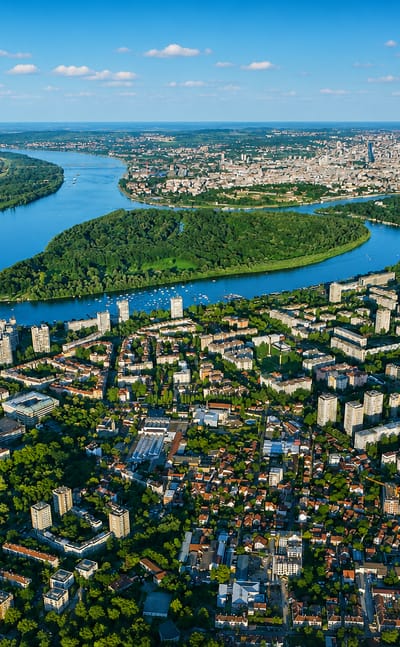 BelgradeSerbia
Stadion
Stadion is a residential quarter of Belgrade in Savski Venac, set between the Partizan and Red Star grounds.Stadion →BelgradeSerbiaChinatown
Chinatown is a market district of Belgrade, set among the residential blocks of Novi Beograd on the west bank.Chinatown →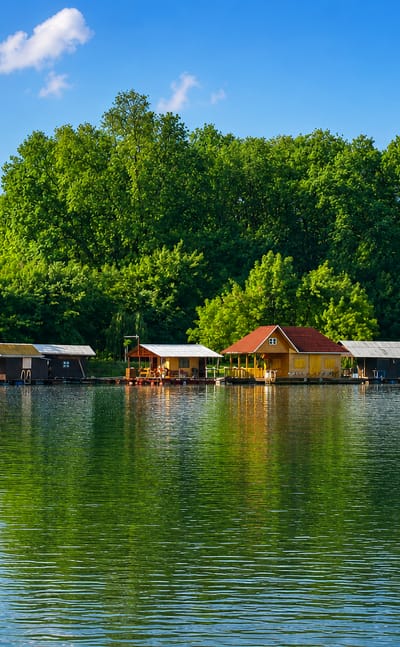 BelgradeSerbia
Ada Međica
Ada Međica is a small wooded islet in the Sava within Belgrade, lying just downstream of Ada Ciganlija.Ada Međica →Hotel links are affiliate links: booking through them may earn us a commission, at no extra cost to you. It never affects how places are ranked. How this works
Things to do in Belgrade
Ranked by global recognition; descriptions from Wikidata (CC0).
Museums & Galleries
5- Nikola Tesla Museum, Belgrade, Serbia Heritage
- Banjica concentration camp Heritage
- Museum of Contemporary Art, Belgrade Heritage
- Ethnographic Museum, Belgrade Heritage
- Museum of Vuk and Dositej Heritage
Churches & Religious Sites
3- Church of the Ascension Heritage
- Vavedenje Monastery Heritage
- Church of Saint Anthony of Padua, Belgrade Heritage
Castles & Historic Sites
6- Singidunum Heritage
- Pobednik Heritage
- Prince Mihailo Monument Heritage
- Monument of Gratitude to France Heritage
- Tomb of national heroes on Kalemegdan Heritage
Show 1 more →
- Ледине у Жаркову Heritage
Stadiums & Sports
2- Hall Aleksandar Nikolić
- Hala sportova
Landmarks & Notable Places
2- House at 10 Cara Dušana Street Heritage
- 1 Turgenjev Street Heritage
worth knowingacross 5 categories in Belgrade
About Belgrade
What is Belgrade known for?
Belgrade is known as the capital of Serbia, a city set where the Danube and the Sava rivers meet below the fortress of Kalemegdan. The rivers made the city. From the heights of Kalemegdan the old town looks out over the water, while the National Museum of Serbia and the Nikola Tesla Museum hold its collections, and the Pannonian Plain runs north beyond the Danube.
What are the main landmarks in Belgrade?
Belgrade gathers its landmarks on the heights of Kalemegdan above the Danube and the Sava. The old fortress crowns the city. Within its walls stand the Despot Stefan Tower, the little Ružica Church, and the Pobednik monument looking out over the rivers, while the Tomb of national heroes on Kalemegdan lies among them.
Below the fortress the National Museum of Serbia and the Nikola Tesla Museum hold the city's collections.
What is the history of Belgrade?
Belgrade grew from Singidunum, the Roman town that once stood on the ridge above the Danube and the Sava. The rivers set its fate. Its place at the confluence, where the Pannonian Plain meets the Balkan Peninsula, made the city a prize fought over for centuries, and army after army held the fortress of Kalemegdan on the heights.
The walls tell the story. Kalemegdan rose and fell many times, and the stones of the fortress still carry the marks of the empires that ruled from the rivers. Belgrade later became the capital of Serbia and a centre of Yugoslavia in the twentieth century.
The city took the lead. As the seat of the Serbian state and later the heart of Yugoslavia, it gathered the museums, monuments, and institutions that still stand across it, among them the National Museum of Serbia and the Prince Mihailo Monument. The old fortress endured it all.
Through Roman Singidunum, empire, kingdom, and federation, Belgrade kept its ground above the Danube and the Sava, and the long past still marks the city from Kalemegdan to the streets of the old town.
Where is Belgrade?
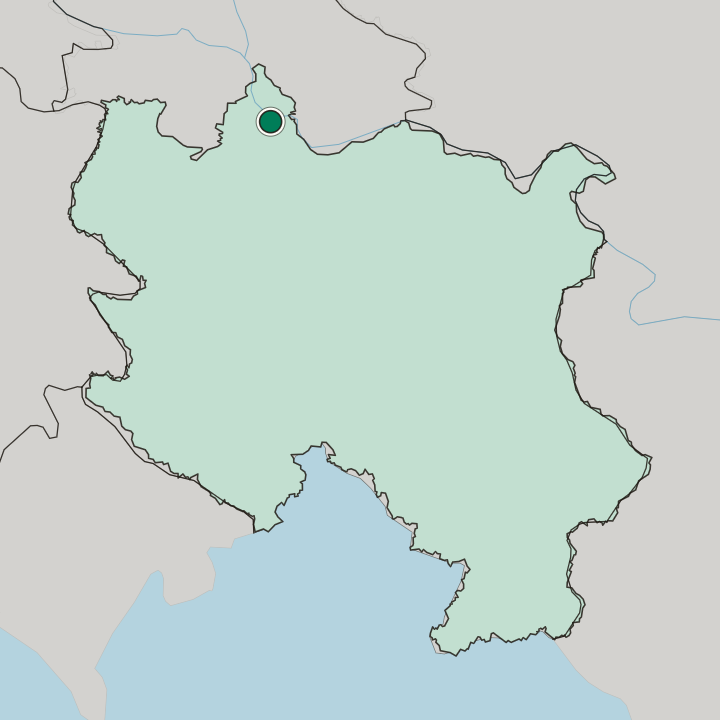
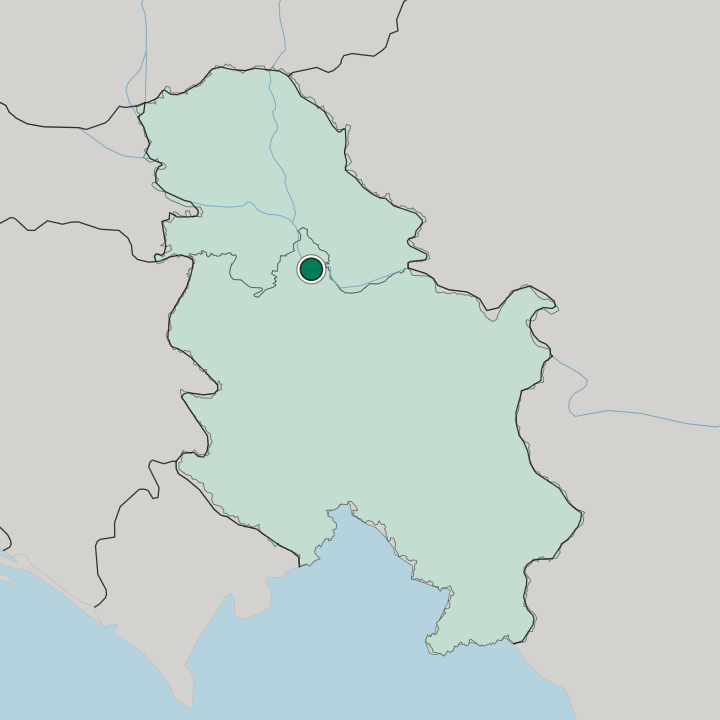
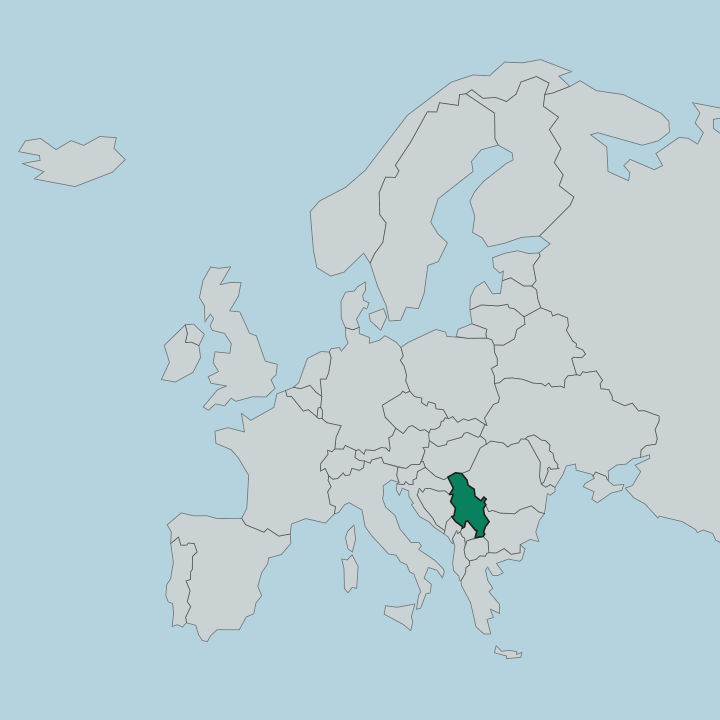
Belgrade stands at the confluence of the Danube and the Sava, in Central Serbia at the north of the country. The two rivers frame it. The city rises on the ridge above the meeting of the waters, where the Pannonian Plain to the north runs up against the Balkan Peninsula to the south, and the old town looks down from Kalemegdan over the rivers.
What is the climate of Belgrade?
Belgrade has a temperate, continental climate shaped by its stand above the Danube and the Sava. The seasons run to extremes. Hot summers bake the ridge and the old town, while cold winters bring frost and a biting wind down the rivers, and mist often gathers over the confluence on the still, grey days.
How do you get to Belgrade?
Belgrade is reached by air, rail, and road from across Serbia and the wider Balkans. The routes meet at the rivers. Flights land west of the city, trains and roads run in from Central Serbia and beyond, and the Danube itself carries river traffic downstream to the port below the walls of Kalemegdan.
Good for
More cities in Central Serbia
Updated October 2026