Russia · Irkutsk Oblast
Where to Stay in Angarsk, Irkutsk Oblast
Angarsk stands on the Kitoy River in Irkutsk Oblast, a city begun in 1948 and set 51 kilometres from Irkutsk on the Trans-Siberian Railway.
Find your area →


Where to stay in Angarsk
Where visitors usually base themselves, and why.
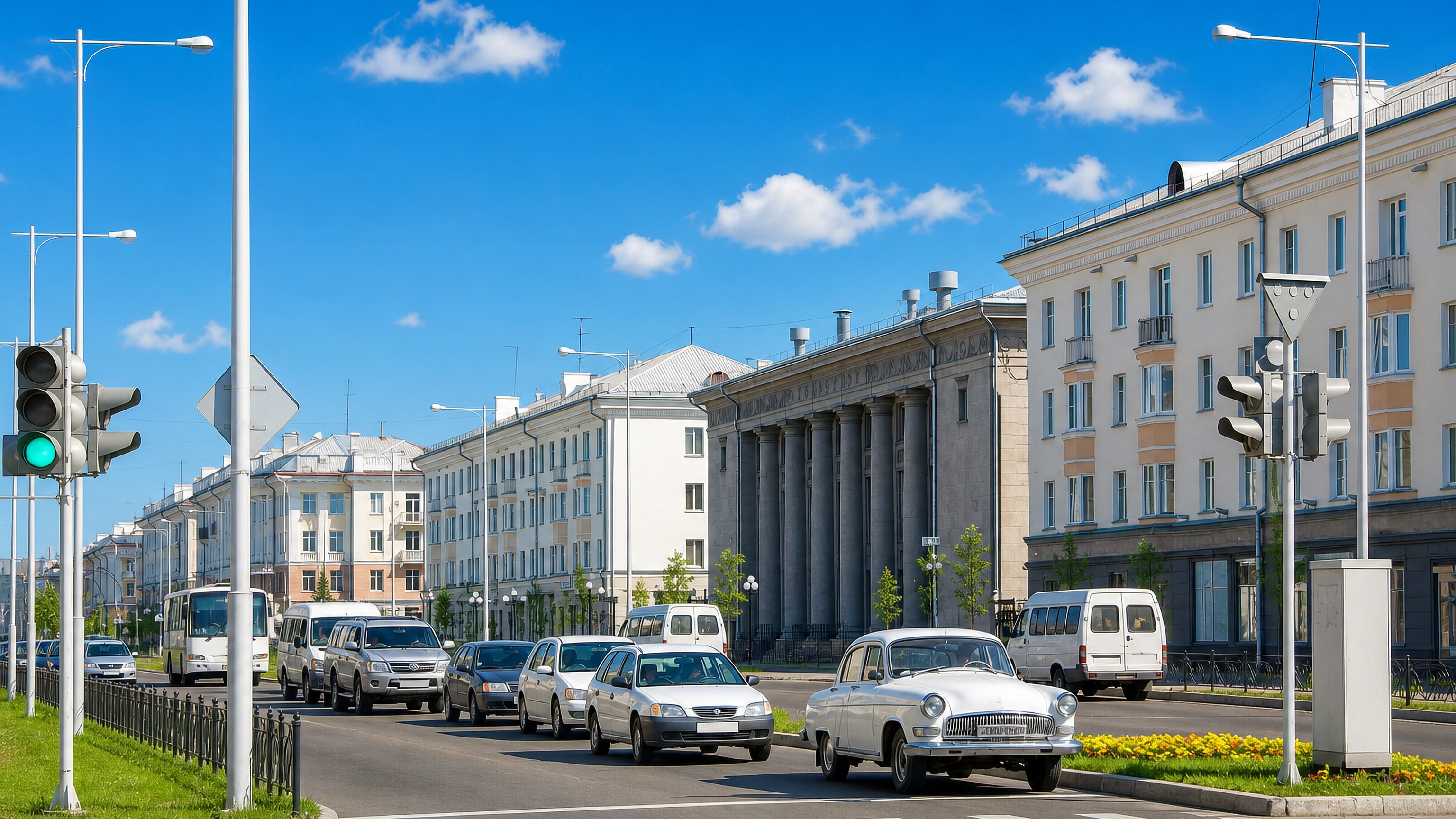
Angarsk was built at once, after 1948, and a city that arrives in one piece tends to put its rooms where its plan put its centre rather than where a market found them. That holds here. The central blocks carry the shops, the transport and Музей Часов, and a short stay that never leaves them misses very little of what the city keeps for visitors.
The Kitoy River is the other option. Its bank runs along the edge Angarsk was set against, quieter than the middle and set back from the rail corridor the Trans-Siberian Railway follows through the city. Irkutsk is 51 kilometres away.
That is close enough for the two to trade traffic daily, and it is the main reason a visitor might sleep in Angarsk at all, because rooms here answer to a working city of 294 square kilometres rather than to a tourist season. Angarsky District supplies the rest. Its smaller settlements hold little in the way of beds, so the practical choice sits between the central blocks of Angarsk and the Kitoy River side, with Irkutsk as the fallback.
The centre suits errands and Музей Часов; the river side suits a quiet night.
About Angarsk
The Trans-Siberian Railway runs through it.
What is Angarsk known for?
That line, and the 51 kilometres separating Angarsk from Irkutsk, explain how a city founded in 1948 became the administrative centre of Angarsky District rather than an outer district of Irkutsk. Museums are few but specific. Музей Часов keeps a collection of clocks, and Памятник политкаторжанам в Ангарске stands as the city's monument to political convicts, which between them cover most of what Angarsk asks a visitor to walk to.
What are the main landmarks in Angarsk?
Angarsk keeps two entries worth the walk. Музей Часов holds a collection of clocks, an unusual specialism for a city founded in 1948 to work rather than to display, and it is the one museum most visitors here are pointed toward. The second is a monument. Памятник политкаторжанам в Ангарске marks political convicts, and it carries into a city of the Soviet period a subject far older than the city itself.
What is the history of Angarsk?
The city dates from 1948. Angarsk was raised on the Kitoy River within reach of the Trans-Siberian Railway, a combination of water and line that decided both where it went and how quickly it filled. Nothing about it is old.
The oldest thing in the city is the subject of Памятник политкаторжанам в Ангарске, the political convicts of an earlier Siberia, and the monument is the only point at which Angarsk looks back past its own founding. Angarsk covers 294 square kilometres, organised around the river and the line, and that scale explains why the place reads as one plan rather than a set of additions. The Soviet censuses tracked the climb.
By 1989 Angarsk had become one of the larger cities of Irkutsk Oblast, and the counts of 2002, 2010 and 2021 have each come in lower than the one before it. The trend is plain. A city built in one push for industrial work, 51 kilometres from Irkutsk and administratively in charge of Angarsky District, has had to hold its position without the growth that made it.
Angarsky District still answers to it. Administrative weight of that kind keeps a city supplied with the offices, transport and services that a falling count would otherwise strip out, and Irkutsk is too far off to absorb the functions.
Where is Angarsk?
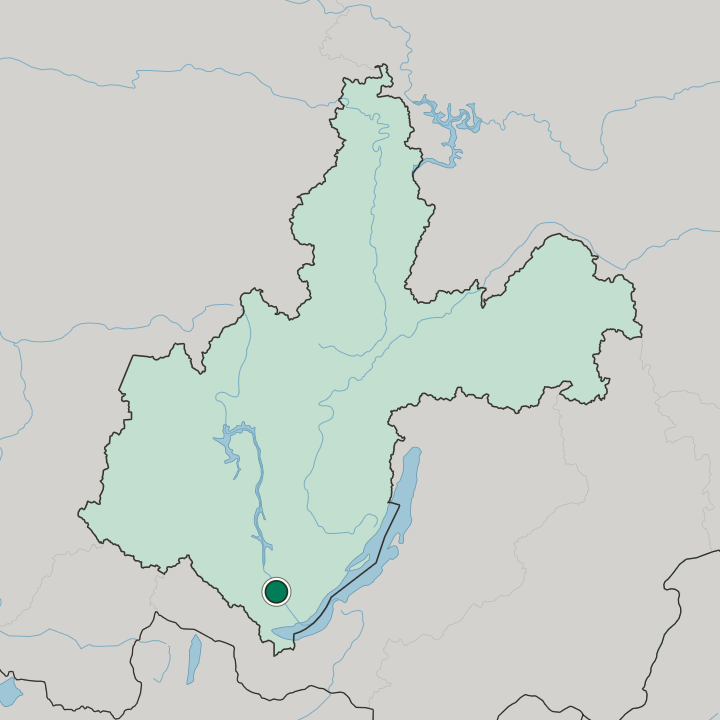
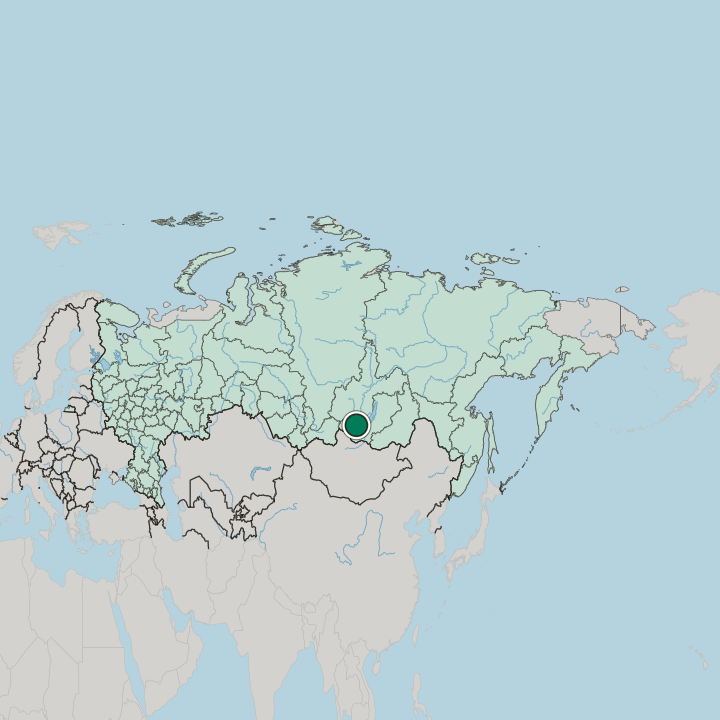
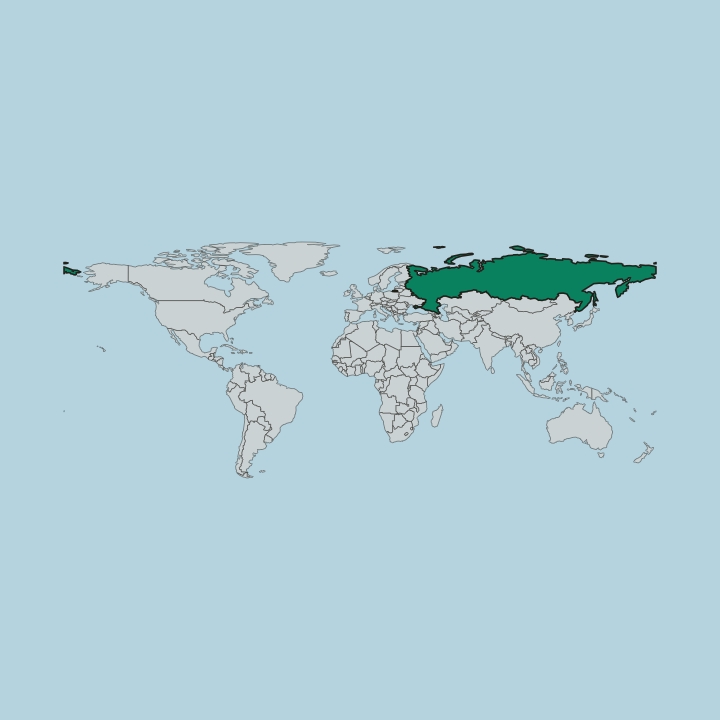
The Kitoy River sets the ground. Angarsk spreads across 294 square kilometres of Irkutsk Oblast on that river, with Irkutsk itself 51 kilometres off and the Trans-Siberian Railway crossing the space between them. The temperate band applies here.
The site is inland and river-fed, so the Kitoy River, and not any coastline, decides where the built edge of Angarsk stops.
What is the climate of Angarsk?
Freeze governs the Kitoy River for months. That is the single fact that orders the Angarsk year, because the temperate band this far inland gives a short open season and a long closed one with very little transition on either side. Rail keeps running.
The Trans-Siberian Railway works through the cold, which is why the 51 kilometres to Irkutsk stay reliable in a season when the river does not.
How do you get to Angarsk?
The Trans-Siberian Railway does most of the work. Angarsk sits on the line, which makes arrival by train the default and puts the city within 51 kilometres of Irkutsk, the administrative centre of Irkutsk Oblast. Road covers the same gap.
Traffic between the two is routine enough that a bed in Angarsk and business in Irkutsk are compatible, and inside the city the 294 square kilometres are handled by local transport rather than on foot.
More cities in Irkutsk Oblast
Updated September 2026