Russia
Irkutsk Oblast, Russia — Towns & Travel Guide
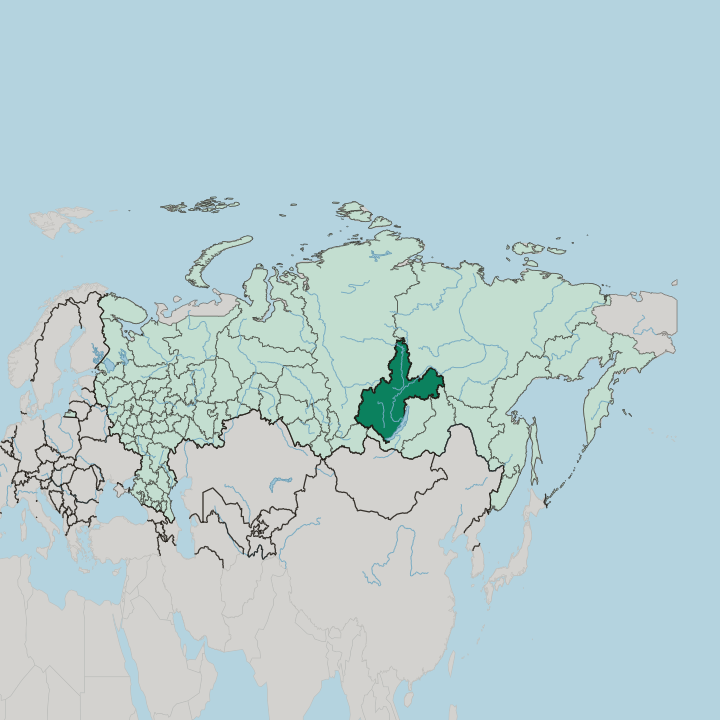
Irkutsk Oblast is a vast region of eastern Siberia, wrapped around the western shore of Lake Baikal.
Find your area →


Towns & cities in Irkutsk Oblast
Pick a town or city — each links to where to stay.
 Russia
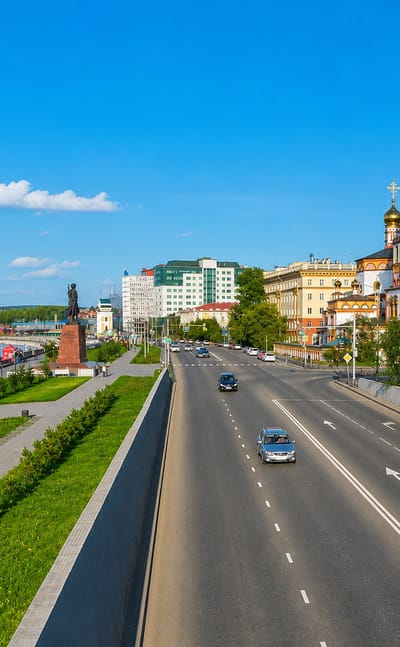
Irkutsk
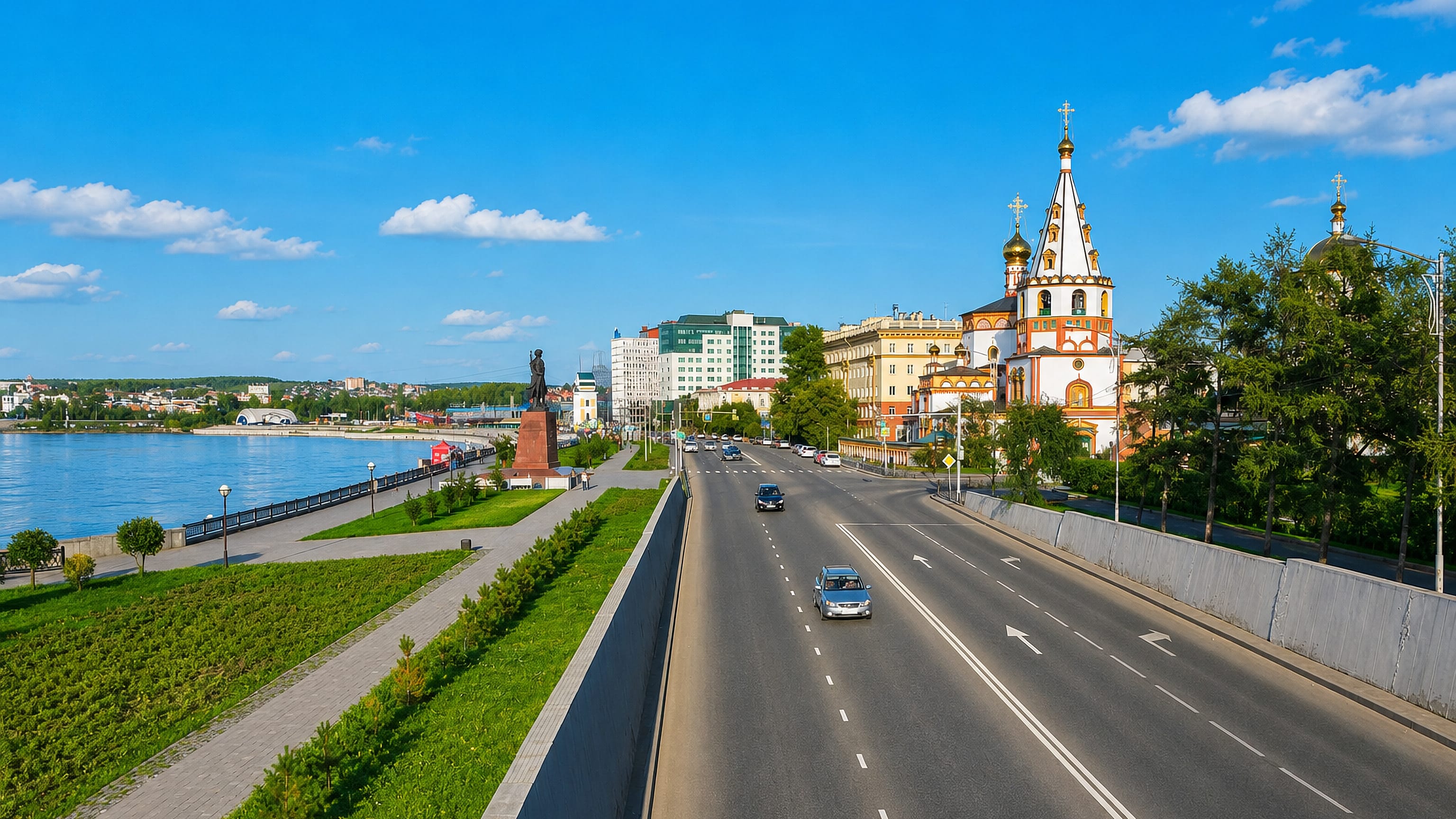
Irkutsk is the largest city of Irkutsk Oblast and one of the historic centres of eastern Siberia.Where to stay →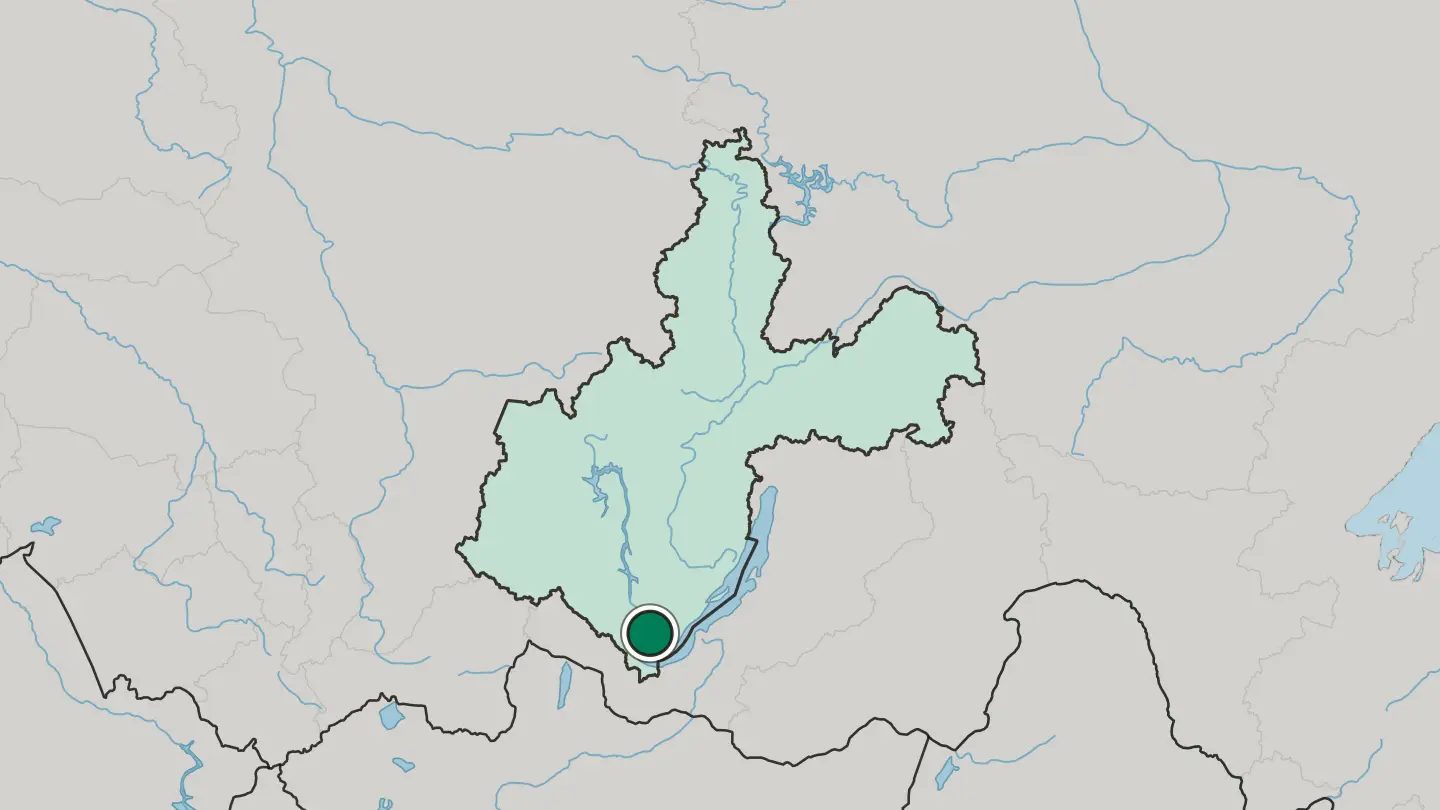 Russia
Bratsk
Bratsk is a city of eastern Siberia in Russia, a young industrial town on the Angara river, built beside one of the great dams of the Soviet age.Where to stay →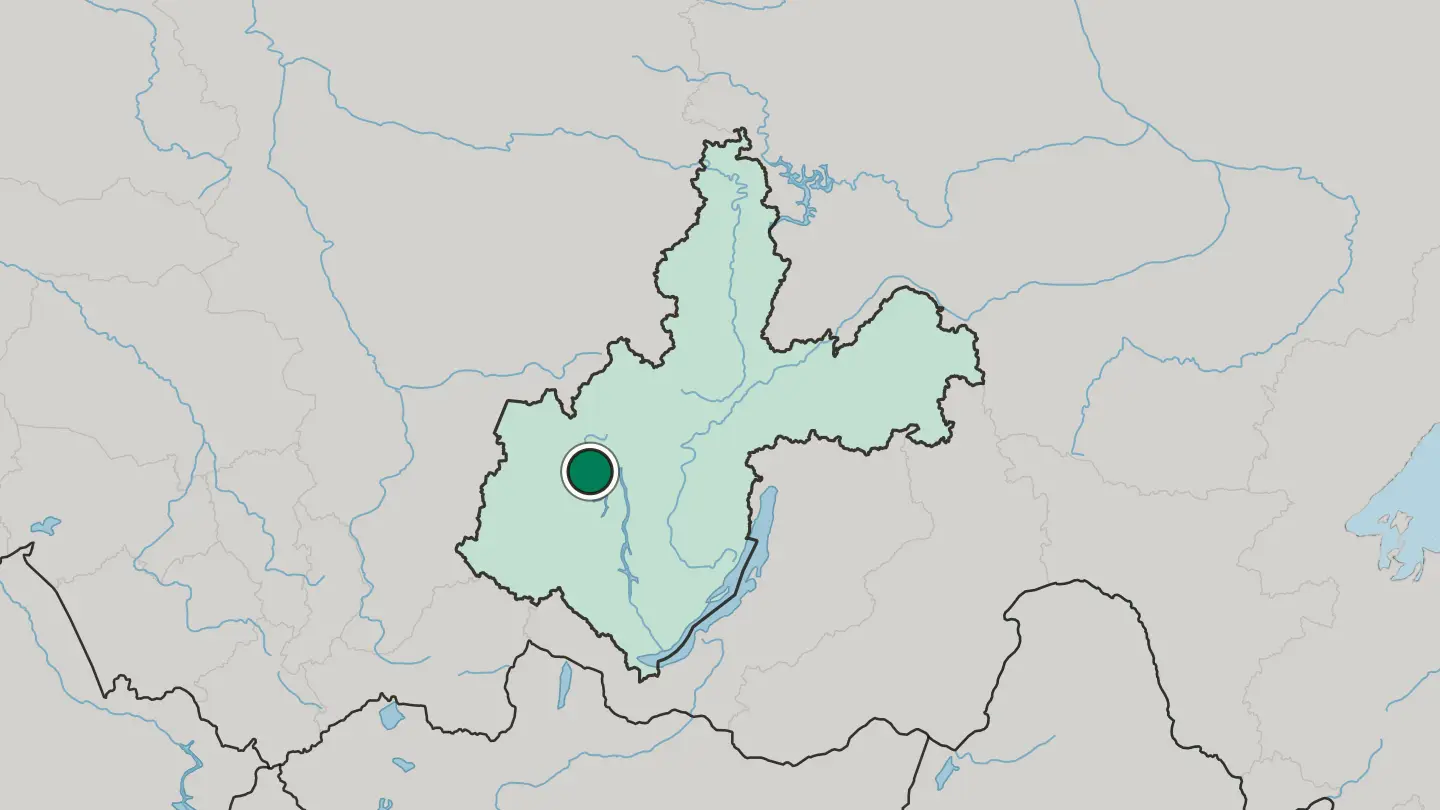
 Russia
Angarsk
Angarsk stands on the Kitoy River in Irkutsk Oblast, a city begun in 1948 and set 51 kilometres from Irkutsk on the Trans-Siberian Railway.Where to stay →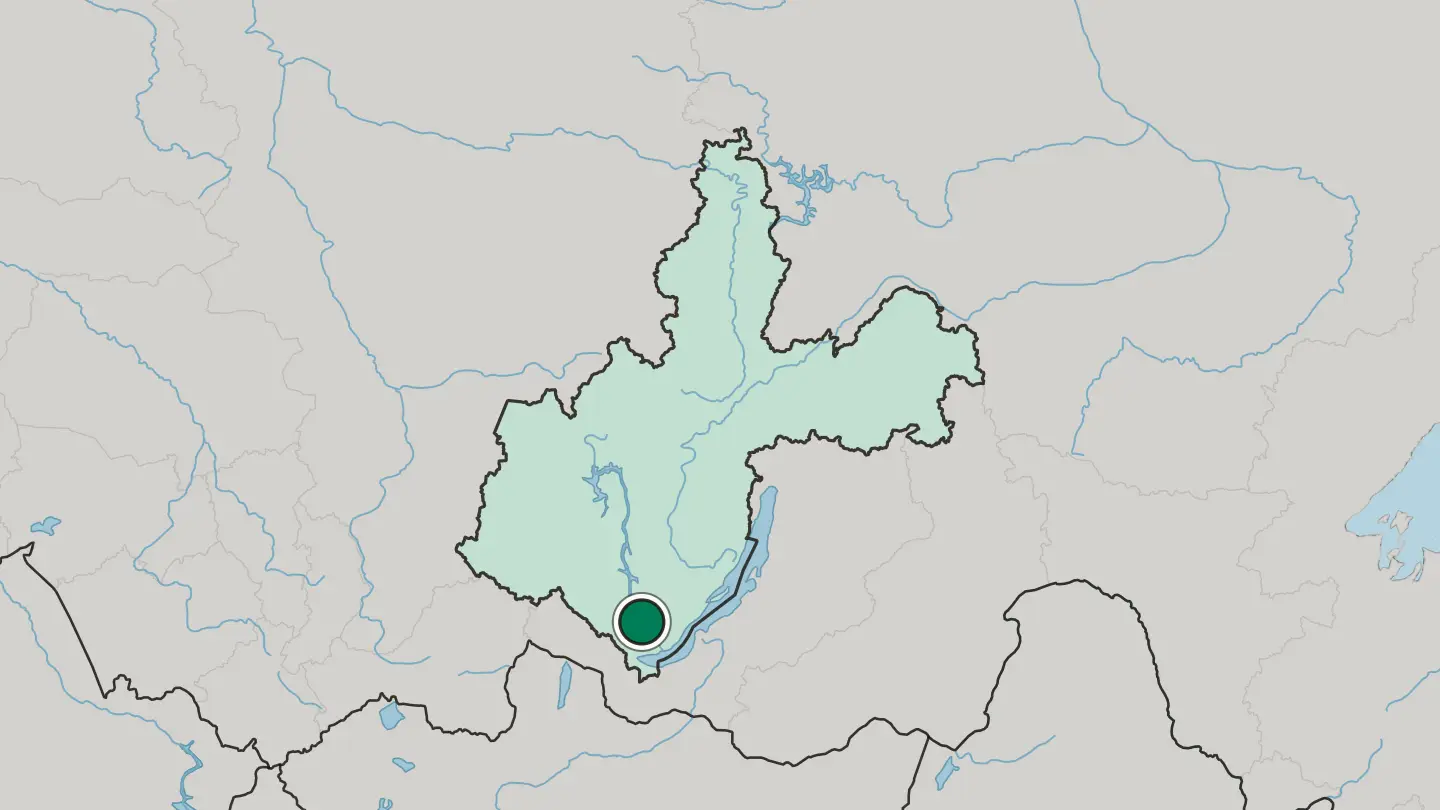 Russia
Ust’-Ilimsk
Ust'-Ilimsk is a town of Irkutsk Oblast on the Angara River, founded in 1966 and covering 229 square kilometres.Where to stay →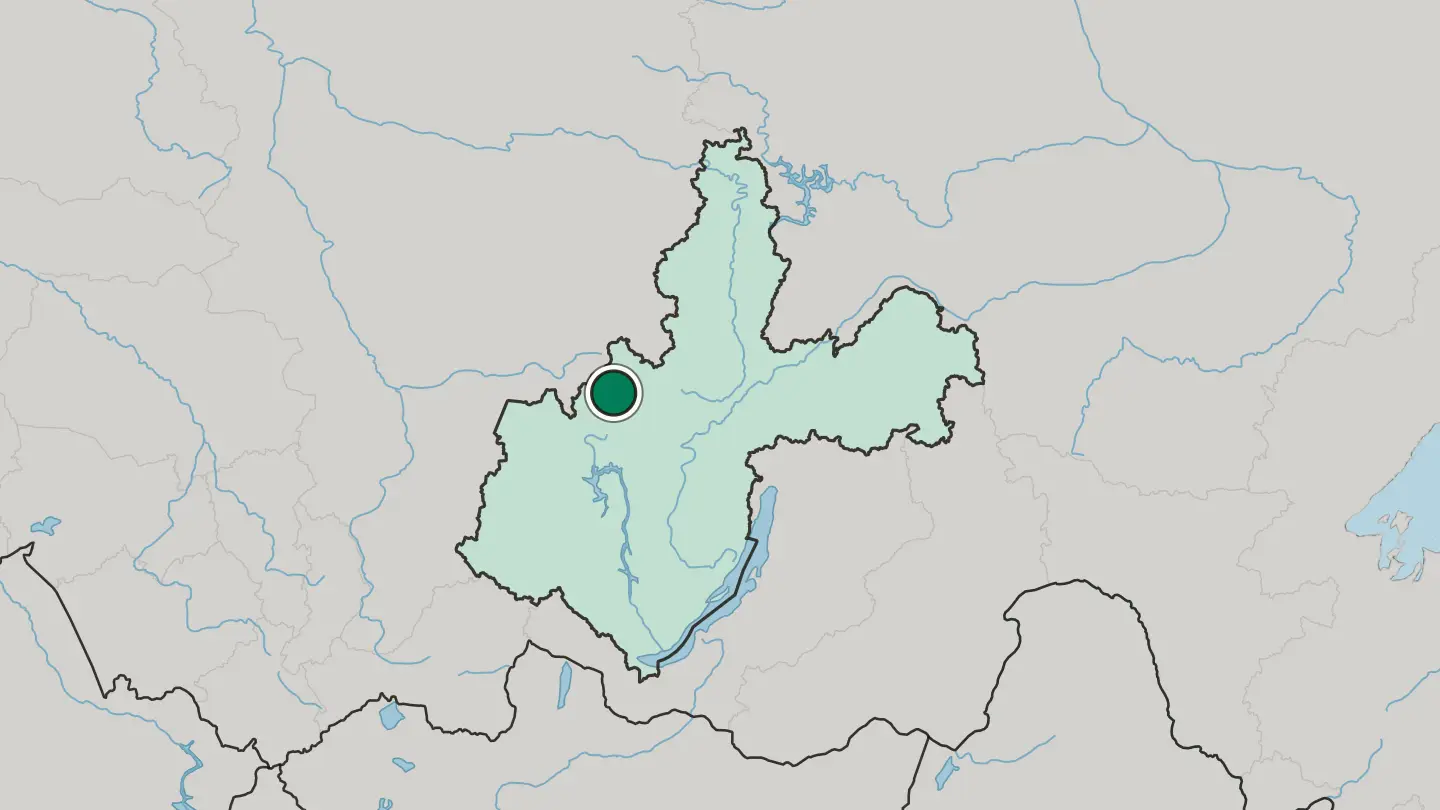
 Russia
Usol’ye-Sibirskoye
Usol'ye-Sibirskoye, officially Усолье, is a town of 1669 on the left bank of the Angara River in Irkutsk Oblast, Russia.Where to stay →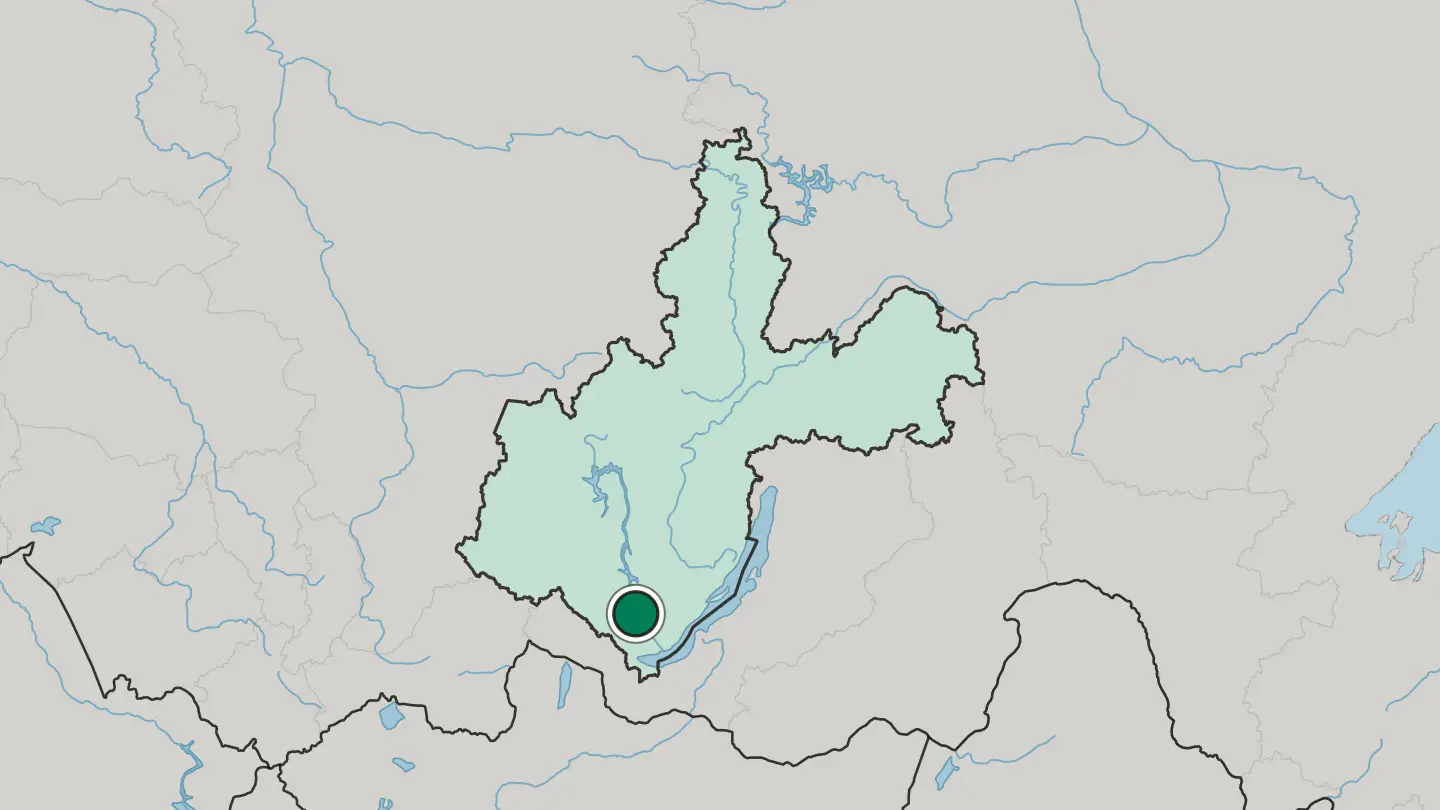 Russia
Tulun
Tulun is a town on the river Iya in Irkutsk Oblast, Russia, founded in 1735 and lying roughly 390 kilometres from Irkutsk.Where to stay →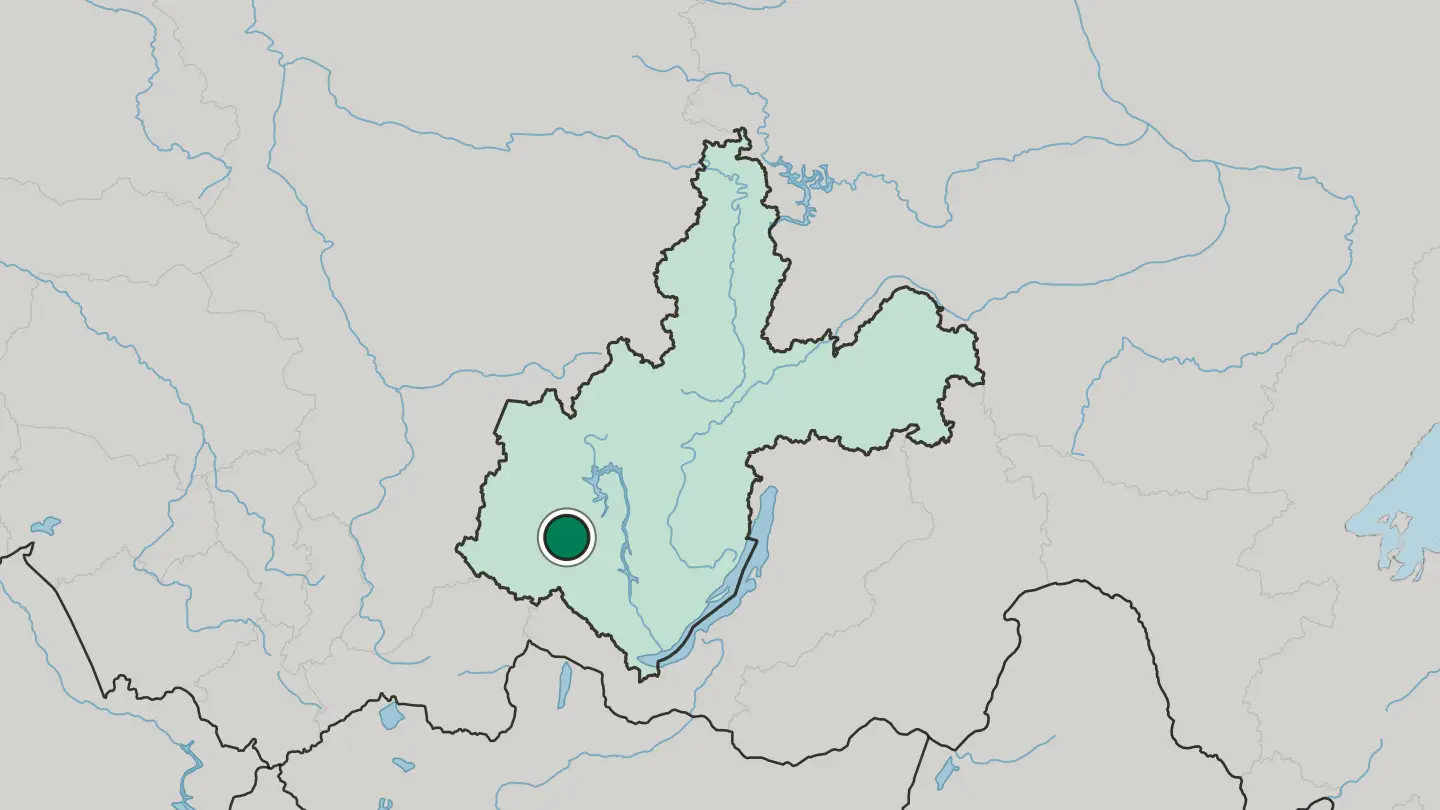
About Irkutsk Oblast
One thing towers over the rest.
What is Irkutsk Oblast known for?
The oblast holds the western shore of Lake Baikal, the deepest lake on Earth and a store of roughly a fifth of the planet's unfrozen fresh water. Its capital, Irkutsk, sits on the Angara River just below the point where that river drains out of the lake, and the city carries a reputation for ornate wooden houses raised in part by exiled nobles. North of the capital, a chain of hydroelectric dams at Bratsk and elsewhere turned the Angara into a working river.
Where is Irkutsk Oblast?
Irkutsk Oblast fills a broad stretch of eastern Siberia, laid out mostly west and north of Lake Baikal. The lake defines the south-eastern edge. Its far, opposite shore belongs to the Republic of Buryatia, so the two share the water between them.
Most of the oblast is not lake but upland: the rolling hills and wide valleys of the Central Siberian Plateau, rising toward the Eastern Sayan and the Baikal Mountains along the southern rim. Two of Siberia's great rivers begin their working lives here. The Angara pours north out of Lake Baikal, runs past Irkutsk, Angarsk and Bratsk, and eventually feeds the Yenisei far to the west.
The Lena rises in the Baikal Mountains only a short way west of the lake, then turns north-east and crosses out of the oblast toward the Sakha Republic and, in the end, the Arctic. Between those river systems the land is deep taiga, dark with larch and pine, and permafrost lies under much of it. It is a long way from anywhere.
Moscow sits thousands of kilometres to the west, and the nearest large neighbour beyond the southern mountains is Mongolia.
What is Irkutsk Oblast like?
Culture here grew out of exile as much as settlement. After the failed Decembrist revolt of 1825, officers from the Russian nobility were sent east in chains, and many served out their sentences around Irkutsk. They stayed on.
The schools, libraries and salons they founded gave the capital an outsized reputation, and the carved wooden houses of that era still line its older streets in a local style sometimes called Irkutsk Baroque. Alongside that Russian layer runs an older Siberian one. The Buryats, a people of Mongol descent, live around the lake and on Olkhon Island, keeping traditions of herding, Tibetan Buddhism and shamanism that reach back long before any exile arrived.
Russian is the shared language across the oblast. But the Buryat presence, the Baikal shore and the memory of the exile road give the region a character quite unlike European Russia. Smoked omul, the lake's endemic fish, is the local taste everyone learns first.
What is the history of Irkutsk Oblast?
Russians came for furs. Cossacks raised a fort at Irkutsk in 1661, and the settlement grew on pelts, gold and the caravan trade with China. The oblast in its present shape is far younger: it was carved out in 1937, when the sprawling East Siberian Oblast was divided into Irkutsk and Chita Oblasts.
Between those dates the Trans-Siberian Railway arrived, reaching Irkutsk at the end of the 1890s and pulling the region into the wider Russian economy for good.
What is the climate of Irkutsk Oblast?
The climate is sharply continental. From the middle of October to the start of April the average sits below freezing, and deep Siberian cold settles over the taiga for months on end. Summers swing the other way and turn genuinely warm, with July often mild and green around Irkutsk and the lake.
Lake Baikal moderates its own immediate shore, holding heat into autumn and cool into spring, but a short way inland the range between the seasons is severe. Permafrost lies under much of the ground the year round.
How do you get to Irkutsk Oblast?
Nearly everyone arrives through Irkutsk. The city's international airport handles flights from Moscow and from cities across Asia, and it is the usual first foot on the ground. Irkutsk is also one of the great stops on the Trans-Siberian Railway, so many travellers roll in overland from Moscow to the west or the Pacific to the east.
From the capital it is a short bus down to Listvyanka on the Baikal shore, and a longer road-and-ferry haul out to Olkhon Island in the middle of the lake.
Common questions
What is the best area to stay in Irkutsk Oblast?
Irkutsk: the wooden-house streets and the rail route to Baikal.
Good for
More regions in Russia
Updated September 2026