Russia · Irkutsk Oblast
Where to Stay in Tulun, Irkutsk Oblast
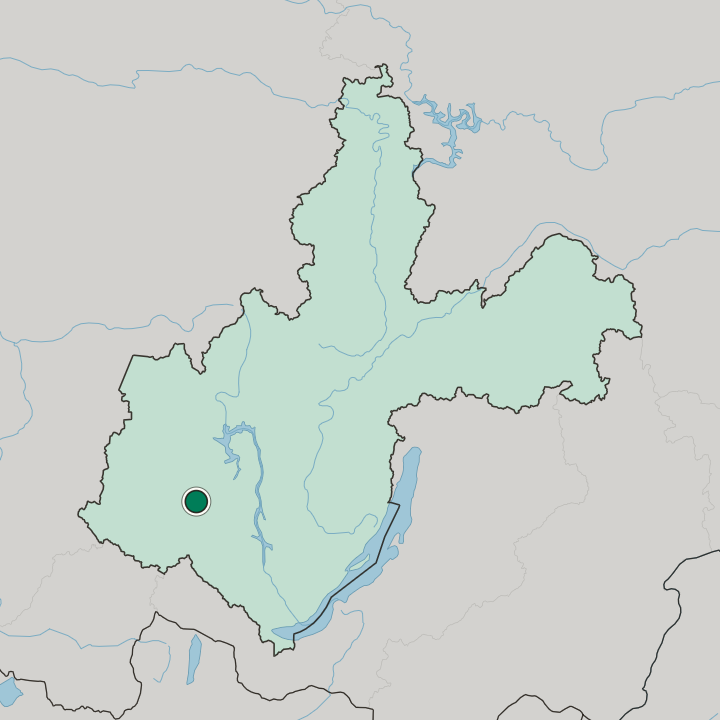
Tulun is a town on the river Iya in Irkutsk Oblast, Russia, founded in 1735 and lying roughly 390 kilometres from Irkutsk.
Find your area →


Where to stay in Tulun
Where visitors usually base themselves, and why.
Beds here answer to the Iya. The practical choice in Tulun is between a room close to the river that the settlement was founded on in 1735 and one out in the wider municipal ground, and it is a choice about walking distance rather than about neighbourhoods with separate characters. The town is not large.
About 134 square kilometres of municipal territory sounds generous on paper, though much of that figure is open ground, so two addresses in Tulun can sit further apart on foot than the number suggests. Irkutsk is the alternative. Anyone wanting a wide choice of rooms is looking at a journey of roughly 390 kilometres to Irkutsk, which is far enough that Tulun works better as a night on the way than as a base for touring Irkutsk Oblast.
Reserve the room before you reach Tulun. Supply in a town of this size is thin, the record names no hotel quarter, and turning up in Tulun without a reservation leaves the Iya bank and the road out as the only two things you can count on. Russian is what you will be booking in, so a written confirmation is worth having in hand rather than trusting to an arrangement made at the door.
About Tulun
The river Iya sets the terms.
What is Tulun known for?
Tulun grew on its banks in Irkutsk Oblast, roughly 390 kilometres from Irkutsk, and the municipality reaches across about 134 square kilometres, which is a spread of ground rather than a tight core. Russian is the working language. The founding is dated to 1735, so Tulun's beginnings sit in the eighteenth century, well before the shape of Irkutsk Oblast as an administrative unit of Russia was drawn around it.
What are the main landmarks in Tulun?
The Iya is the landmark. Nothing in Tulun's record stands as a catalogued monument, so a visitor looking for a set piece finds instead a river town in Irkutsk Oblast whose interest lies in the water, the ground around it, and a settlement history reaching back to 1735. That absence is worth knowing in advance.
Travellers who came for built sights should measure the 390 kilometres to Irkutsk against their plans, because Tulun itself offers the river and the town, not a monument list.
What is the history of Tulun?
The founding year is 1735. Tulun's record begins there, on the river Iya, at a remove of roughly 390 kilometres from Irkutsk, far enough out that the settlement's early life was tied to the water it sat on and the ground it could work rather than to any neighbouring centre. Then came a long quiet stretch.
What survives in the record for Tulun is thin: no catalogued monument, no list of named quarters, no chronicle of the trades that came and went across the eighteenth and nineteenth centuries. Irkutsk Oblast is the modern frame. The oblast takes its name from the city 390 kilometres off, and Tulun's place within it, a river town at a distance from the regional centre, describes the settlement more usefully than any single date does.
Three modern counts mark the record: the Soviet census of 1989, then the Russian ones of 2002 and 2010, with the readings falling across all three. Russian carried the record through. The town's documented life, from the 1735 founding onward, is written in the language still spoken across Irkutsk Oblast, which is why the name Tulun and the name of the Iya both reach a visitor in that form rather than in translation.
Distance kept it separate. A place founded in 1735 and standing 390 kilometres from Irkutsk keeps a degree of independence that closer settlements lose, and the history of Tulun reads accordingly: local, bound to its river, shaped far more by the ground it stands on than by events reported from elsewhere.
Where is Tulun?
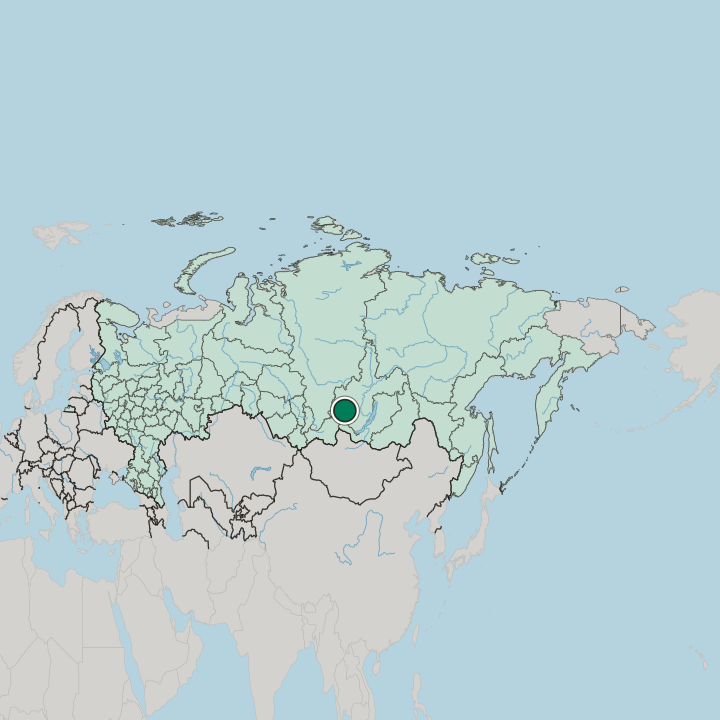
The Iya runs through it. Tulun occupies about 134 square kilometres of Irkutsk Oblast on that river, well inland in Russia, with Irkutsk roughly 390 kilometres off, 240 miles, and no coast in the picture at all. The band is temperate, the hemisphere northern.
Ground of that size around a town of this scale means open land inside the municipal boundary as well as built streets, and the river remains the one feature that organises the whole of Tulun.
What is the climate of Tulun?
Continental distance shapes the year. Tulun stands on the river Iya deep inside Irkutsk Oblast, with Irkutsk itself some 390 kilometres away and no sea anywhere near enough to even out the swing between the warm and the cold halves of the calendar. The temperate band still applies.
Visitors arriving in the warm months and those arriving in the cold ones are, in practice, seeing two different versions of the same Russia.
How do you get to Tulun?
Irkutsk is the reference point. Every approach to Tulun is measured against it, since the town lies roughly 390 kilometres from Irkutsk inside the same oblast, which makes the trip a substantial one by any means rather than a short hop out from the regional centre. Tulun's record names no terminal.
Confirm the connection from Irkutsk before setting out, because the distance across Irkutsk Oblast leaves little room for improvising once the Iya comes into view.
More cities in Irkutsk Oblast
Updated September 2026