Russia · Irkutsk Oblast
Where to Stay in Irkutsk, Irkutsk Oblast
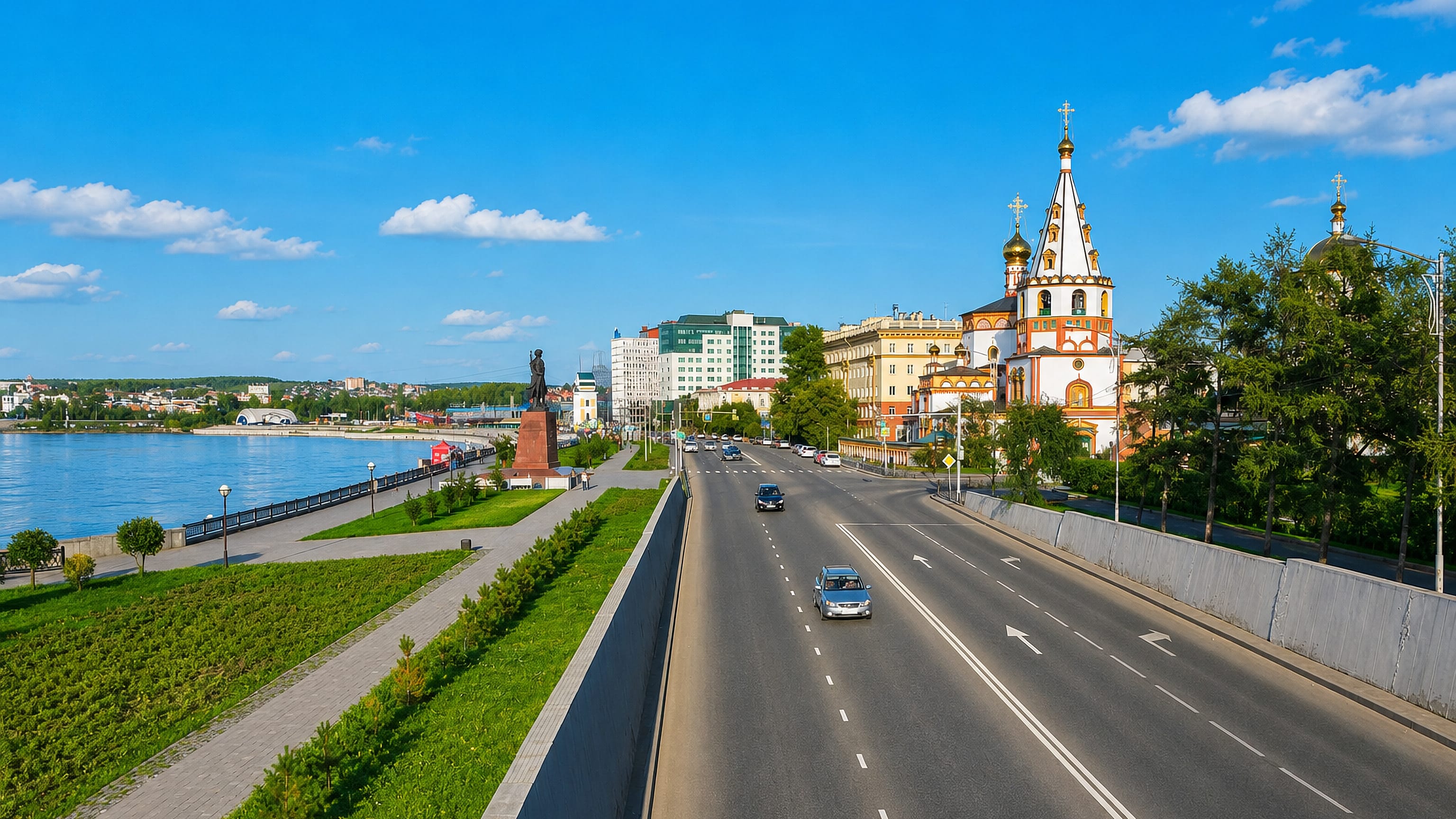
Irkutsk is the largest city of Irkutsk Oblast and one of the historic centres of eastern Siberia.
Find your area →


Where to stay in Irkutsk
Where the beds are, and what that means for the visit.
Most visitors base themselves in the historic centre of Irkutsk, where the churches, the museums, and the old merchant quarters gather within a compact grid. Here the Church of the Transfiguration, the Irkutsk Regional Art Museum, and the Irkutsk Museum of the Decembrists all sit within walking distance, and the central streets carry the cafes and shops. It is the natural first choice.
Beyond the core, quieter residential districts spread outward toward the edges of the city. They lie farther from the landmarks but put you closer to the parks and the open Siberian country of Irkutsk Oblast beyond the built-up area. Wherever you settle, the clustered churches and the museums of the old town remain the fixed points by which Irkutsk arranges itself, and the compact centre makes it simple to find your way back among them.
Things to do in Irkutsk
Ranked by global recognition; descriptions from Wikidata (CC0).
Museums & Galleries
3- Irkutsk Regional Art Museum Heritage
- Irkutskiĭ muzeĭ dekabristov
- Irkutsk Oblast Local Museum
Churches & Religious Sites
8- Church of Our Lady of the Assumption, Irkutsk Heritage
- St. Charalampus Church Heritage
- Знаменская церковь Heritage
- Irkutsk synagogue Heritage
- Irkutsk Mosque Heritage
Show 3 more →
- Church of the Transfiguration (Irkutsk) Heritage
- Church of the Entry of the Lord into Jerusalem (Irkutsk) Heritage
- Church of the Theotokos of Vladimir Heritage
Castles & Historic Sites
3- Памятник Ленину Heritage
- Relief of Lenin in Irkutsk Heritage
- Могила Афанасия Прокофьевича Щапова Heritage
Landmarks & Notable Places
2- Fridrikha Engelsa Street 21, Irkutsk Heritage
- House of Soviets (Irkutsk)
worth knowingacross 4 categories in Irkutsk
About Irkutsk
What is Irkutsk known for?
Irkutsk is known for its old churches and its Decembrist heritage. The city keeps a dense cluster of religious buildings, from the Church of the Transfiguration and the Church of Our Lady of the Assumption to the Irkutsk Mosque and the Irkutsk synagogue. Exile shaped it too.
The Irkutsk Museum of the Decembrists preserves the memory of the officers banished to Siberia after 1825, and a monument to the Decembrists' wives stands nearby. Museums fill out the picture, among them the Irkutsk Regional Art Museum and the Irkutsk Oblast Local Museum, which together hold the art and record of the wider region.
What are the main landmarks in Irkutsk?
Irkutsk is a city of churches and museums. The Church of the Transfiguration, the Church of Our Lady of the Assumption, the Church of the Theotokos of Vladimir, and the Nikolo-Innokentyevskaya Church stand among the many that give the old town its skyline, alongside the Irkutsk Mosque and the Irkutsk synagogue. History is on display.
The Irkutsk Museum of the Decembrists, the City History Museum, and the Irkutsk Oblast Local Museum trace the city's past, while the Irkutsk Regional Art Museum holds its collections. A Pushkin monument marks the central streets.
What is the history of Irkutsk?
Irkutsk was founded in 1661. It rose on the Siberian frontier as a fortified stockade, a post in the Russian expansion eastward across Siberia, and grew quickly into a centre of trade that gathered the furs, tea, and goods moving across the vast distances of the region. Wealth followed.
Merchant houses and stone churches rose above the wooden streets, among them the Church of Our Lady of the Assumption and the Church of the Transfiguration. Exile gave the city a second character. After the failed uprising of 1825, officers of the Decembrist movement were banished to Siberia, and many settled in and around Irkutsk, where the Irkutsk Museum of the Decembrists now keeps their story.
Their presence brought learning and culture to a distant frontier town, and a monument to the Decembrists' wives honours those who followed them into exile. Irkutsk endured. Through the upheavals of the twentieth century it held its place as the heart of Irkutsk Oblast, its churches, museums, and monuments preserving the layered history of a great Siberian city.
Where is Irkutsk?
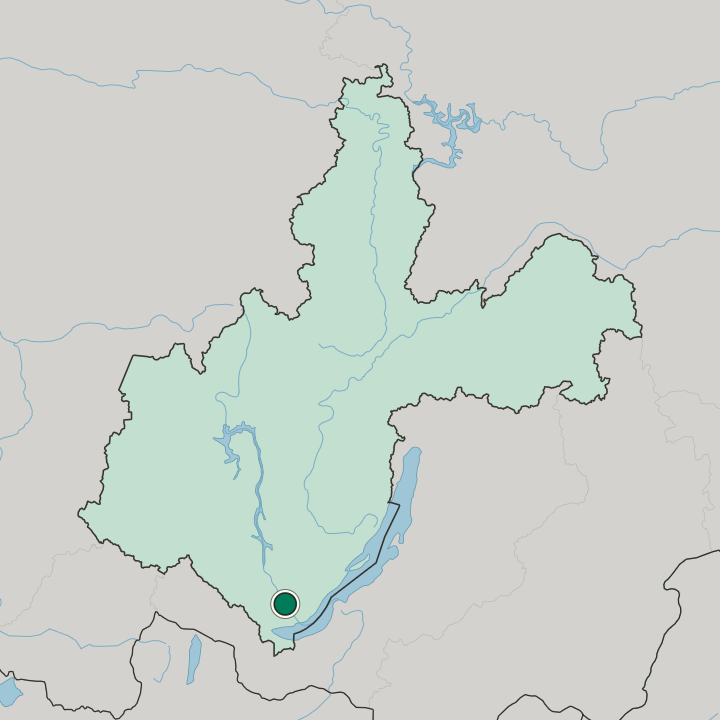
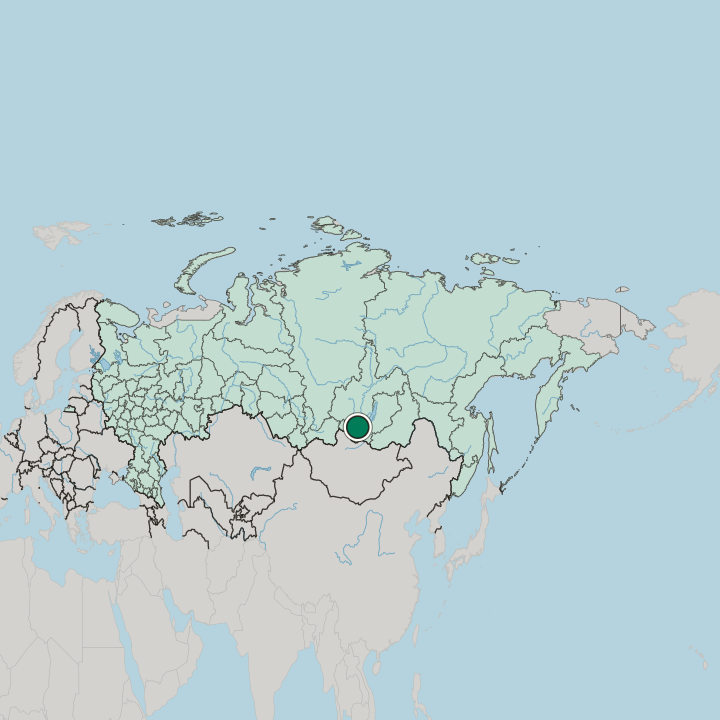
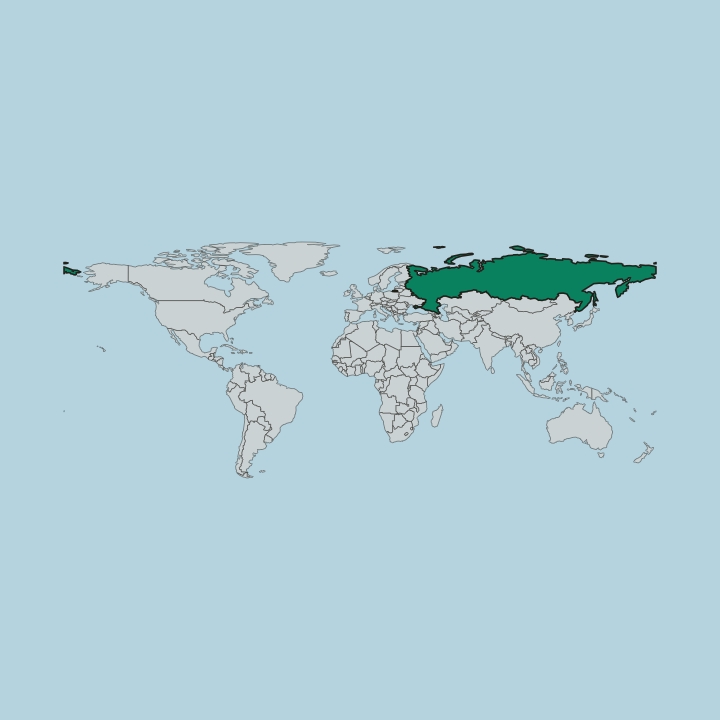
Irkutsk lies in eastern Siberia, the administrative centre of the vast Irkutsk Oblast. The old city spreads across low ground where wooden and stone quarters grew up side by side, and its churches punctuate the skyline above the streets. Siberia sets the frame.
Beyond the built-up districts the Oblast opens into the forests and river country of the Siberian interior, a landscape of great distances that has always defined how Irkutsk sits within its region and its links to the rest of the country.
What is the climate of Irkutsk?
Irkutsk endures the fierce continental climate of eastern Siberia. Winters are long and bitter. Deep cold settles over Irkutsk Oblast for months on end, and snow lies over the churches and squares of the old city well into spring.
Summers turn short and warm, a brief green season that draws people out into the parks and toward the rivers of the Siberian interior, and the swing between the frozen and the warm months is among the widest anywhere in the region.
How do you get to Irkutsk?
Irkutsk is a major stop on the Trans-Siberian Railway. Trains have called here for well over a century, tying the city into the line that binds Siberia to the rest of the country and carries travellers across the immense distances of Irkutsk Oblast. An airport on the edge of the city adds air links to the national network.
Getting around is simple. The historic core is compact, so the churches, the Irkutsk Museum of the Decembrists, and the central squares all sit within an easy walk of one another.
Good for
More cities in Irkutsk Oblast
Updated October 2026