Russia · Murmansk Oblast
Where to Stay in Murmansk, Murmansk Oblast
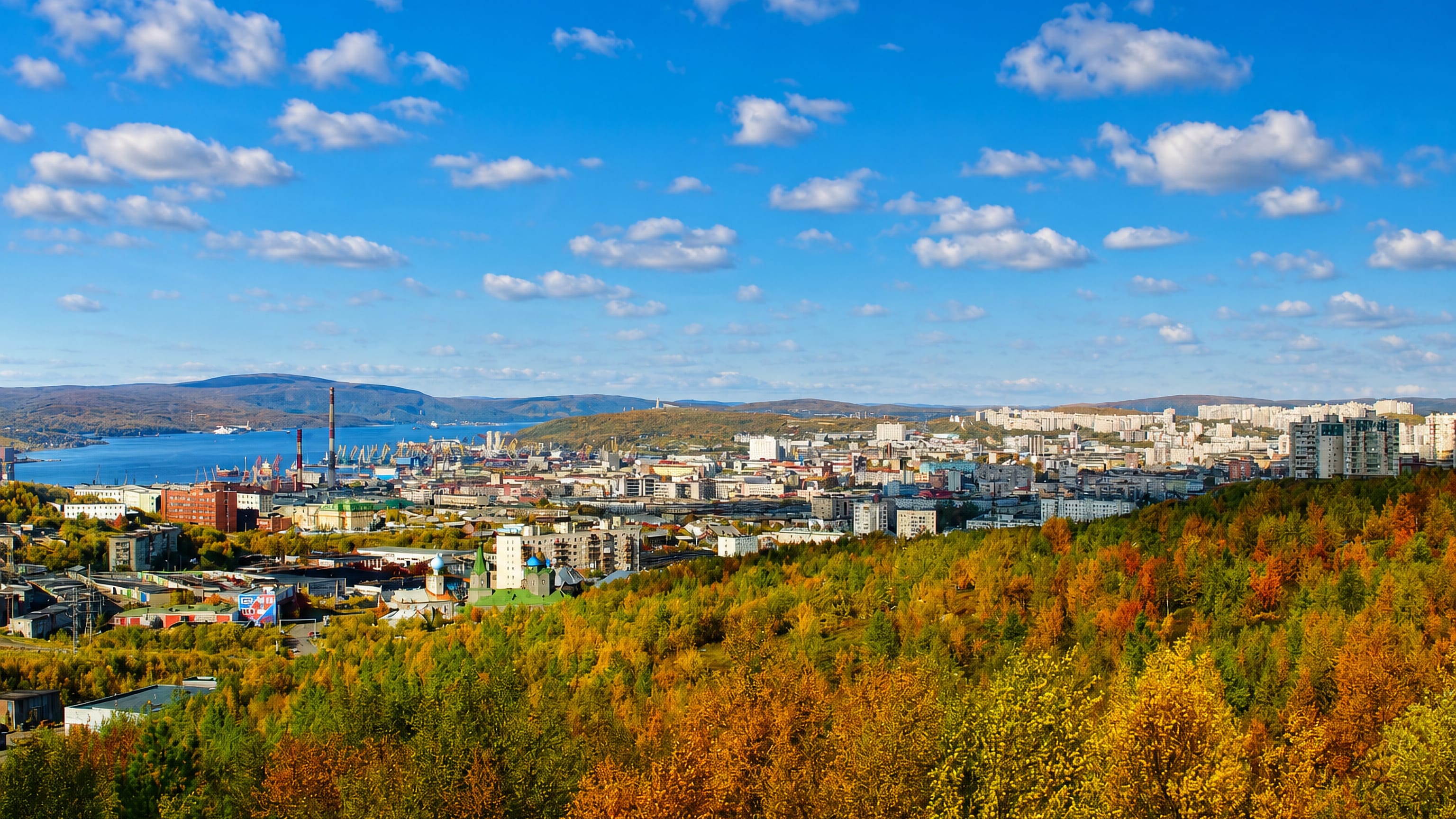
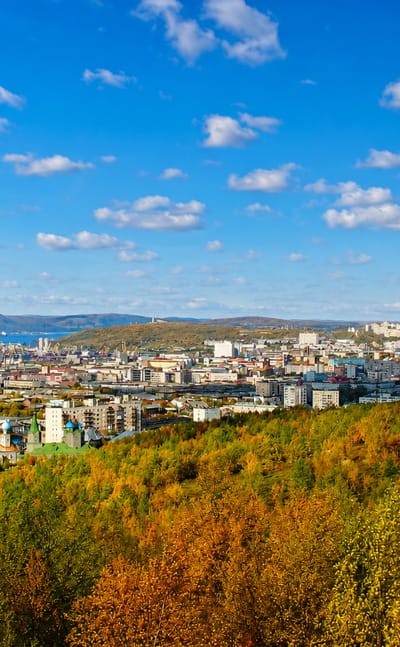
Cranes and funnels crowd Kola Bay at Murmansk, a port city in Murmansk Oblast, the largest city north of the Arctic Circle and an Arctic Ocean harbour.
Find your area →


Where to stay in Murmansk
Where you base yourself shapes the visit — here's the character of each area.
 MurmanskRussia
Oktyabrsky District
Five Corners square and the whole run of Prospekt Lenina sit inside Oktyabrsky District, the one okrug of Murmansk that never reaches Kola Bay.Where to stay →MurmanskRussiaBolnichny gorodok
Bolnichny gorodok is the hospital quarter of Murmansk's Oktyabrsky okrug, a 1930s microdistrict above the Varnichny stream. Rock closes the east.Where to stay →MurmanskRussiaLeninsky District
Semyonovskoye Lake freezes over from November in Leninsky okrug, the northern of Murmansk's three okrugs, under the memorial heights of Zelyony Mys.Where to stay →Things to do in Murmansk
Ranked by global recognition; descriptions from Wikidata (CC0).
Museums & Galleries
3- Murmanskiĭ oblastnoĭ kraevedcheskiĭ muzeĭ Heritage
- Murmansk Regional Museum of Art Heritage
- Museum of Polar Olympics
Churches & Religious Sites
1- church of the Saviour on the Water
Castles & Historic Sites
6- Memorial to Defenders of the Soviet Arctic during the Great Patriotic War Heritage
- Monument to the Victims of the Intervention Heritage
- Памятник Кириллу и Мефодию Heritage
- Statue of Lenin in Murmansk Heritage
- Statue of Sergei Kirov in Murmansk Heritage
Show 1 more →
- Monument of Anatoly Bredov Heritage
Stadiums & Sports
1- Tsentralnyi Profsoyuz Stadion
Landmarks & Notable Places
8- Murmansk railway station Heritage
- Мурманский политехнический лицей Heritage
- Saint Nicholas Orthodox cathedral in Murmansk Heritage
- School № 1, Murmansk Heritage
- Здание поликлиники железнодорожников Heritage
Show 3 more →
- Сквер на площади Пять Углов Heritage
- Сквер на ул. Ленинградской Heritage
- Сквер у памятника С. М. Кирову Heritage
worth knowingacross 5 categories in Murmansk
About Murmansk
What is Murmansk known for?
Murmansk is known as the great Arctic port of the far northwest of Russia, the largest city standing north of the Arctic Circle. Ships load along Kola Bay, a fjord inlet of the Barents Sea, and the harbour opens the city to the Arctic Ocean and the northern sea routes. The war is remembered here.
The Memorial to Defenders of the Soviet Arctic during the Great Patriotic War rises above the bay, while the Saint Nicholas Orthodox cathedral in Murmansk and the church of the Saviour on the Water mark the faith of the polar city.
What are the main landmarks in Murmansk?
The landmarks of Murmansk are led by the Memorial to Defenders of the Soviet Arctic during the Great Patriotic War, a towering figure above Kola Bay. War and the sea run through them all. The Saint Nicholas Orthodox cathedral in Murmansk and the church of the Saviour on the Water hold the city's faith, while the Murmansk railway station, the Murmansk Oceanarium, and the Statue of Lenin in Murmansk carry the marks of the Soviet port town across Murmansk Oblast.
What is the history of Murmansk?
Murmansk was founded in 1916 as an ice-free Arctic port on the east bank of Kola Bay, the last city raised under the old Russian empire. The railway reached the shore and the harbour grew to serve the northern sea routes, drawing settlers to the bare slopes of the far northwest as the young port took shape above the fjord inlet of the Barents Sea. War came hard to the city.
It was bombed heavily through the years of the Great Patriotic War. Defence of the Arctic left its deepest mark on the town. The Memorial to Defenders of the Soviet Arctic during the Great Patriotic War was raised on the heights above Kola Bay to hold that memory, joined across the Soviet decades by the Statue of Lenin in Murmansk and the Statue of Sergei Kirov in Murmansk.
Through it all the port stayed the engine of the city. Its shipyards and the northern railway carried Murmansk across the twentieth century as the great harbour of the Russian Arctic.
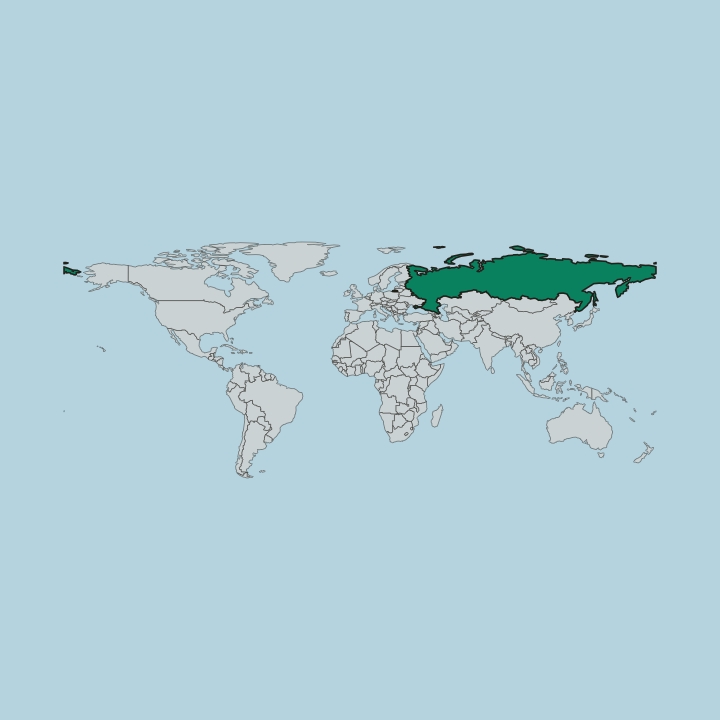
Where is Murmansk?
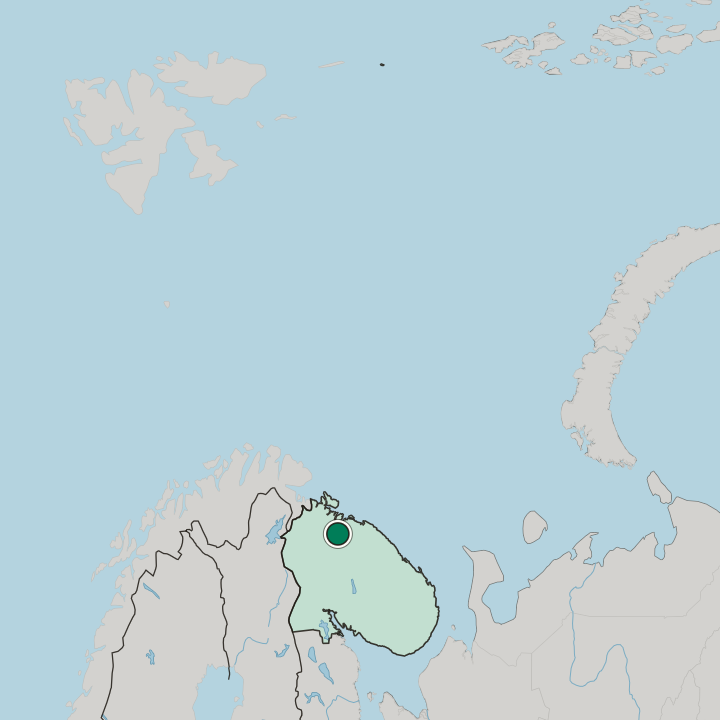
Murmansk sits on both slopes and banks of Kola Bay in the far northwest of Russia, its bulk on the east bank of the inlet. The bay is a modest fjord, an estuarine arm of the Barents Sea that opens the city to the Arctic Ocean and the northern sea routes. The land climbs from the water.
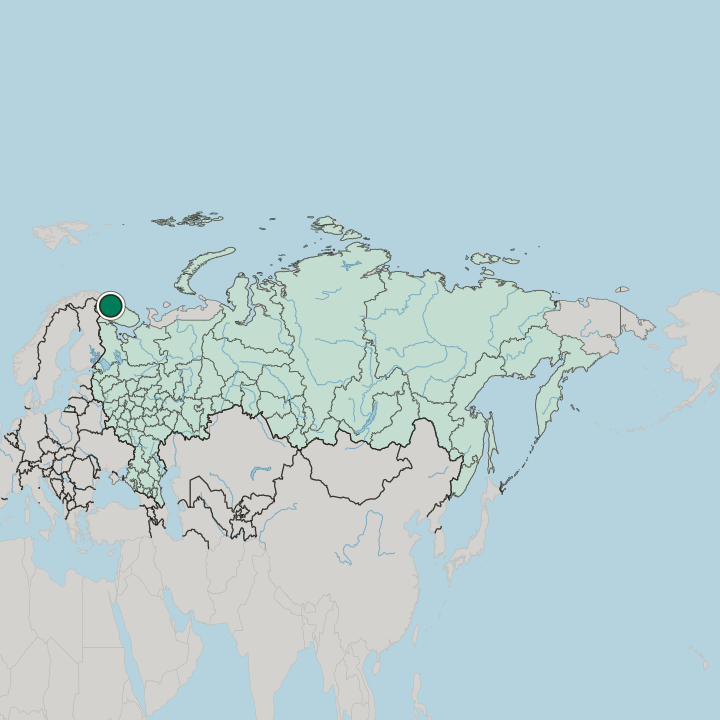
Standing north of the Arctic Circle within Murmansk Oblast, the port keeps to the bare Kola shore not far from the borders with Norway and Finland, its treeless slopes rising above the working harbour.
What is the climate of Murmansk?
Murmansk has a cold subarctic climate softened at the coast by the sea. Winters are long, dark, and snowy, with the polar night closing over Kola Bay for weeks as the harbour stays ice-free through the cold season in this far northwest corner of Russia. Summers are short and cool.
The midnight sun lingers over the Barents Sea in the brief warm weeks north of the Arctic Circle, before the long dark and the snow return over the Arctic port again.
How do you get to Murmansk?
Murmansk is reached by the northern railway that ends at the Murmansk railway station, the long line running up through Murmansk Oblast to the Arctic coast. Trains and buses serve the city, and an airport links the port to the cities of the south. The harbour receives ships too.
Most travellers arrive by the railway or by air, then descend to the centre on the east bank of Kola Bay to reach the memorials and churches of the polar city.
Good for
More cities in Murmansk Oblast
Updated September 2026