Russia · Nizhny Novgorod Oblast
Where to Stay in Nizhniy Novgorod, Nizhny Novgorod Oblast
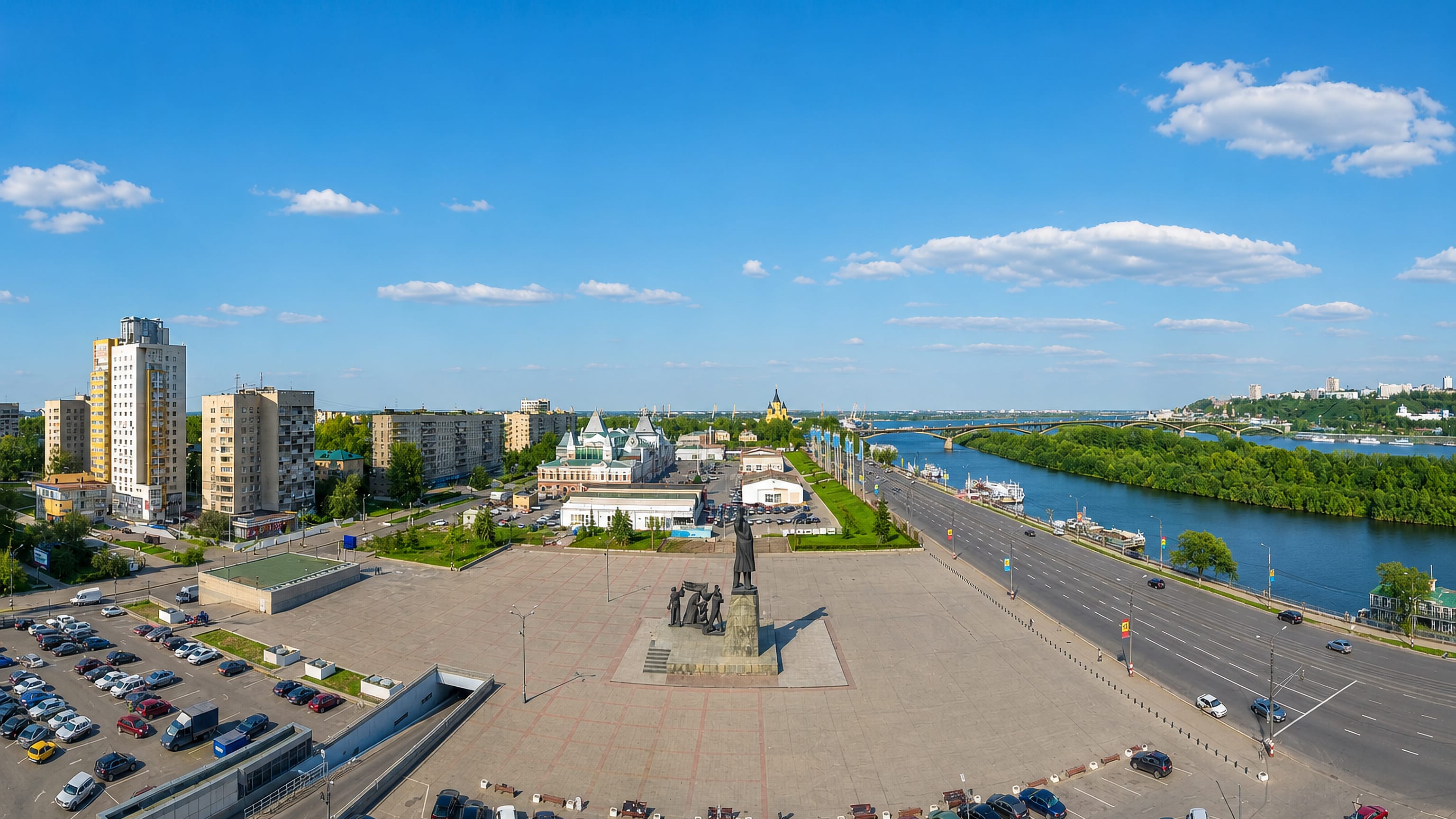
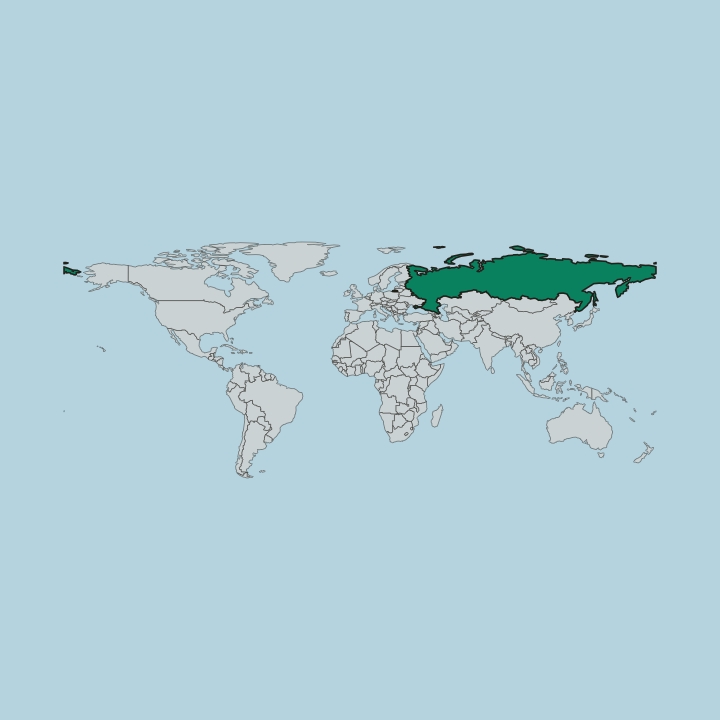
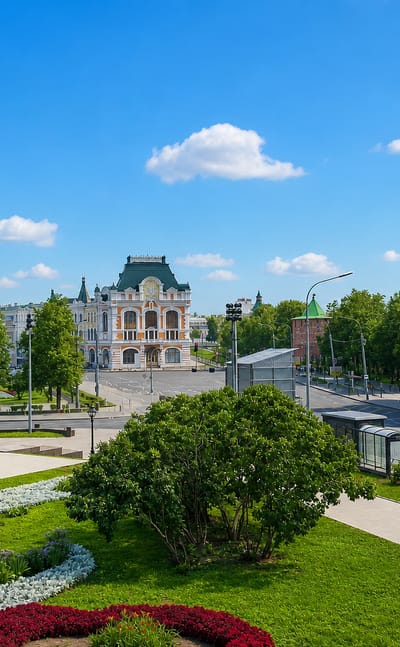
Nizhny Novgorod rises on the hills above the water, founded in 1221 around its old Kremlin, in Nizhny Novgorod Oblast.
Find your area →


Where to stay in Nizhniy Novgorod
Each area has its own feel; here's who each one suits.
 Nizhniy NovgorodRussia
Nizhegorodsky City District, Nizhny Novgorod
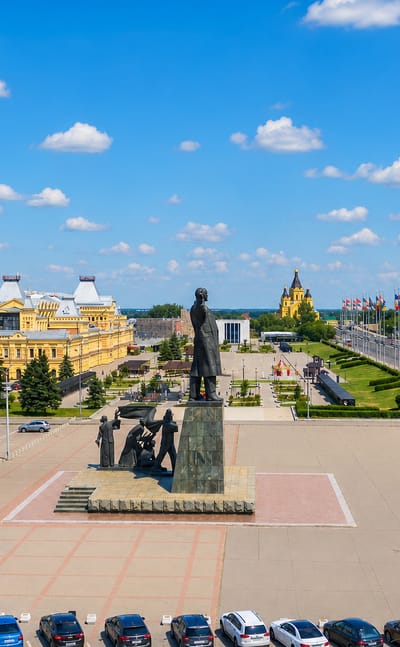
Nizhegorodsky City District is the historic core of Nizhniy Novgorod, wrapped around the Kremlin in the Upper City.Where to stay →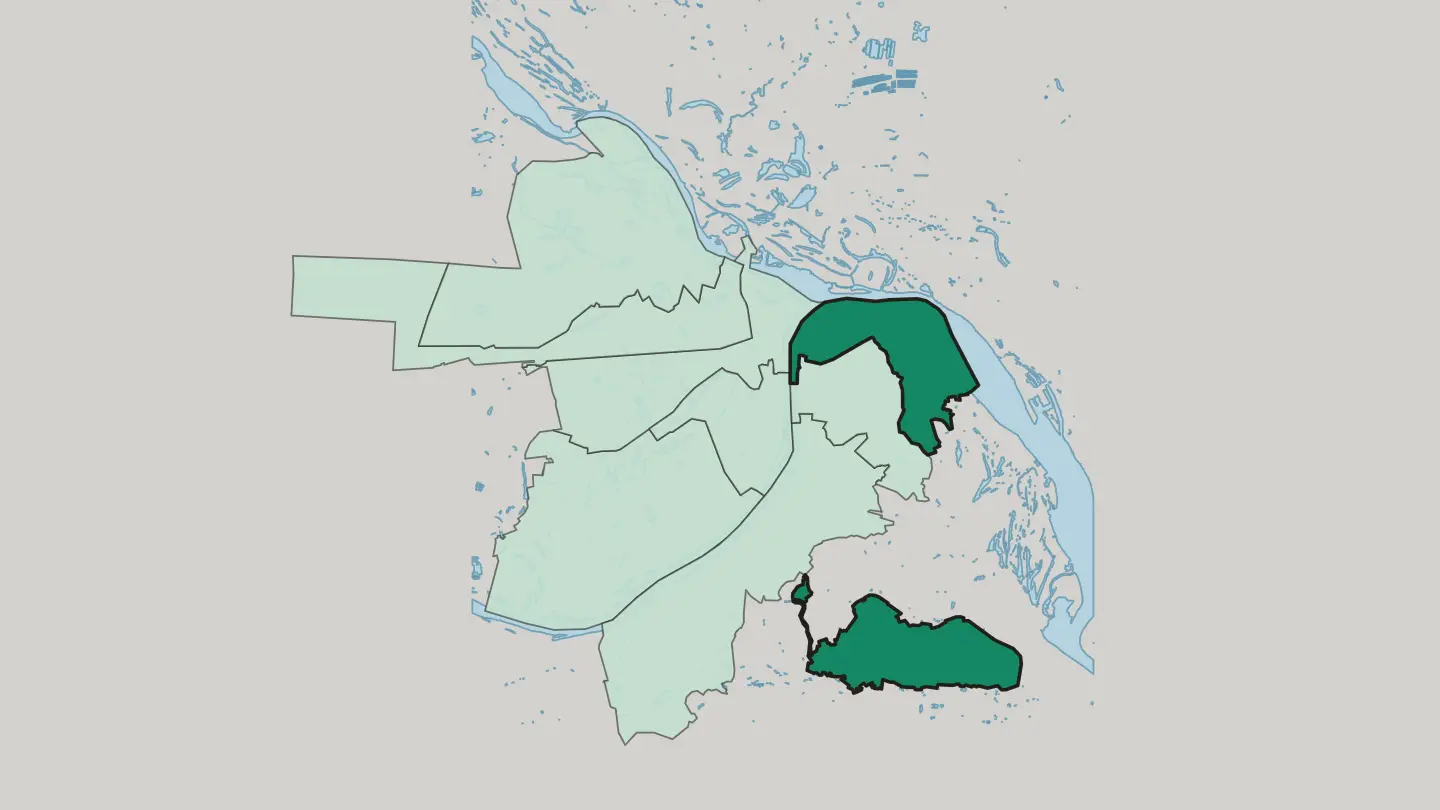
 Nizhniy NovgorodRussia
Kanavinsky City District
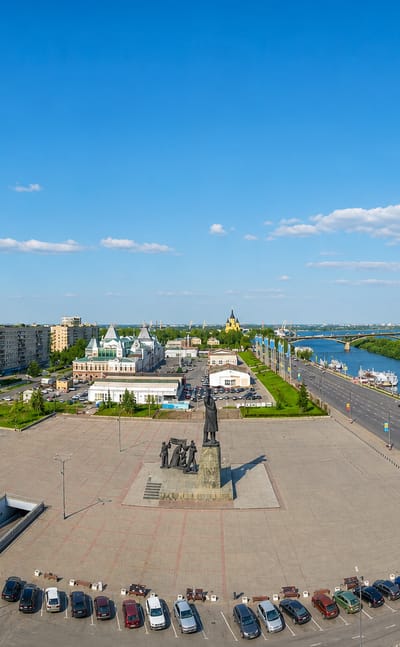
Kanavinsky is Nizhny Novgorod's old fair quarter on the left bank of the Oka, around the Strelka.Where to stay →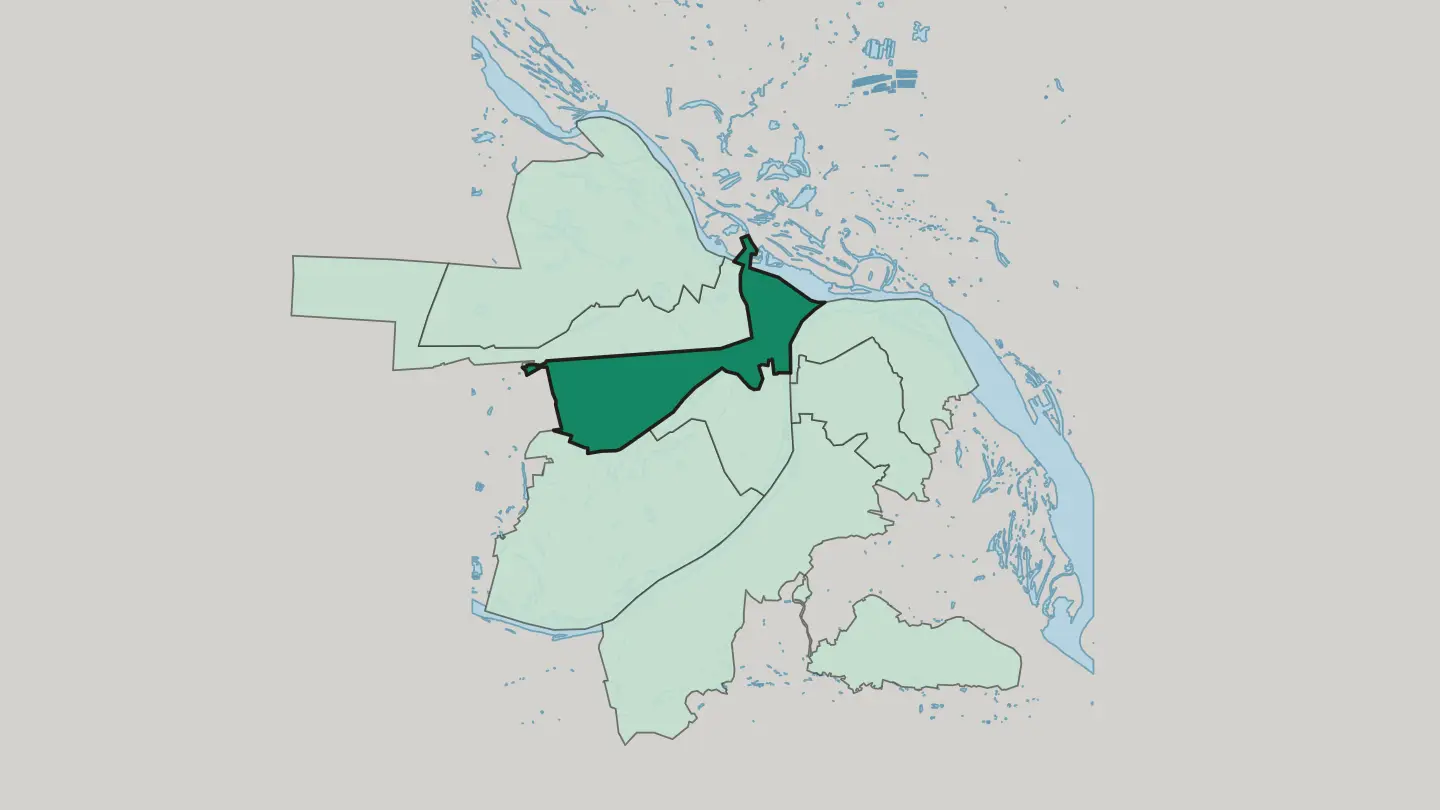
 Nizhniy NovgorodRussia
Krasny prosveschenets
Krasny prosveschenets is a district of Nizhniy Novgorod in Russia, laid out from 1920.Where to stay →Nizhniy NovgorodRussia
Sovetsky City District, Nizhny Novgorod
Sovetsky City District (Советский район) is an inland borough of Nizhny Novgorod, Russia, home to the Pushkin Opera and Ballet Theatre.Where to stay →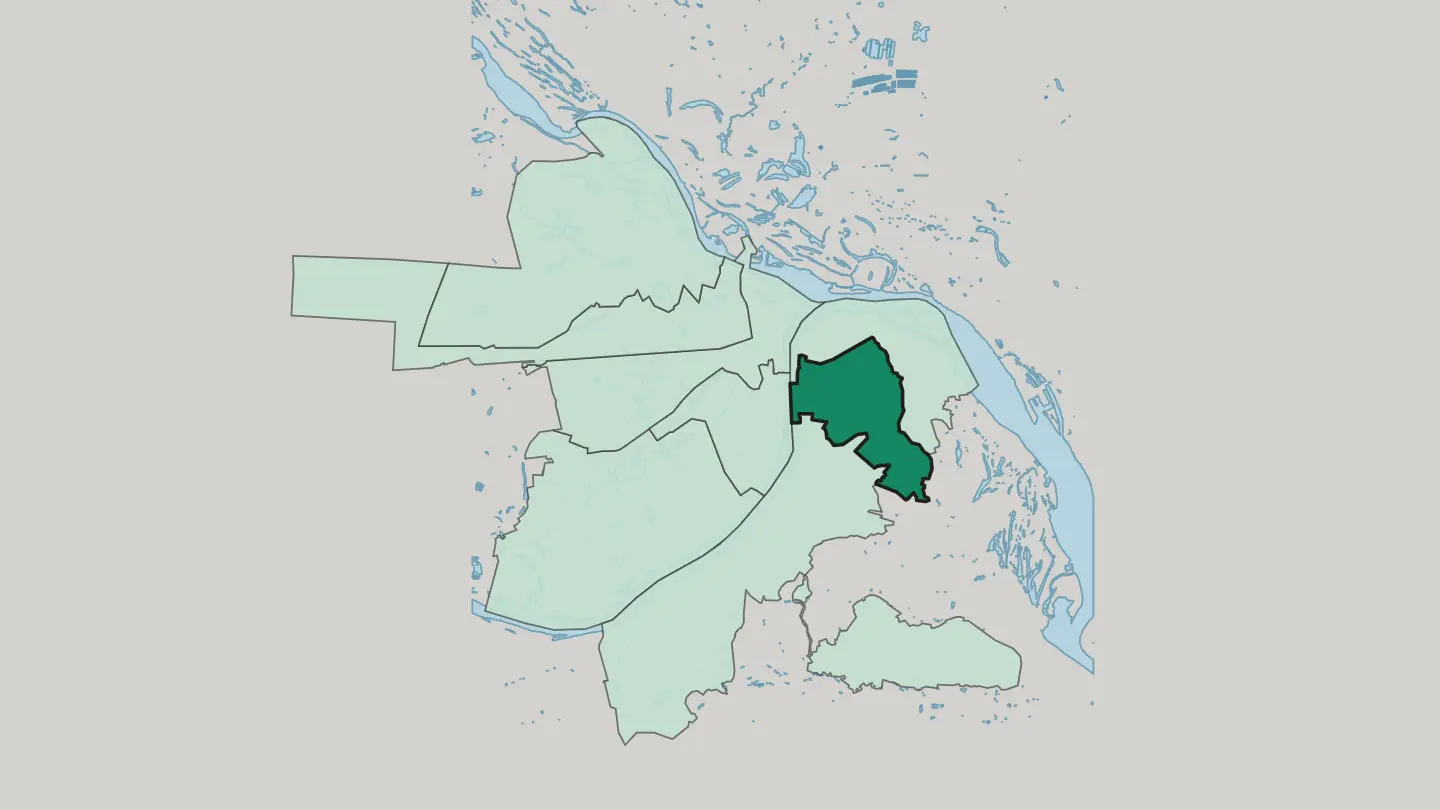
 Nizhniy NovgorodRussia
Leninsky City District
Leninsky City District spreads along the lower right bank of the Oka in Nizhniy Novgorod, an industrial raion of 1935.Where to stay →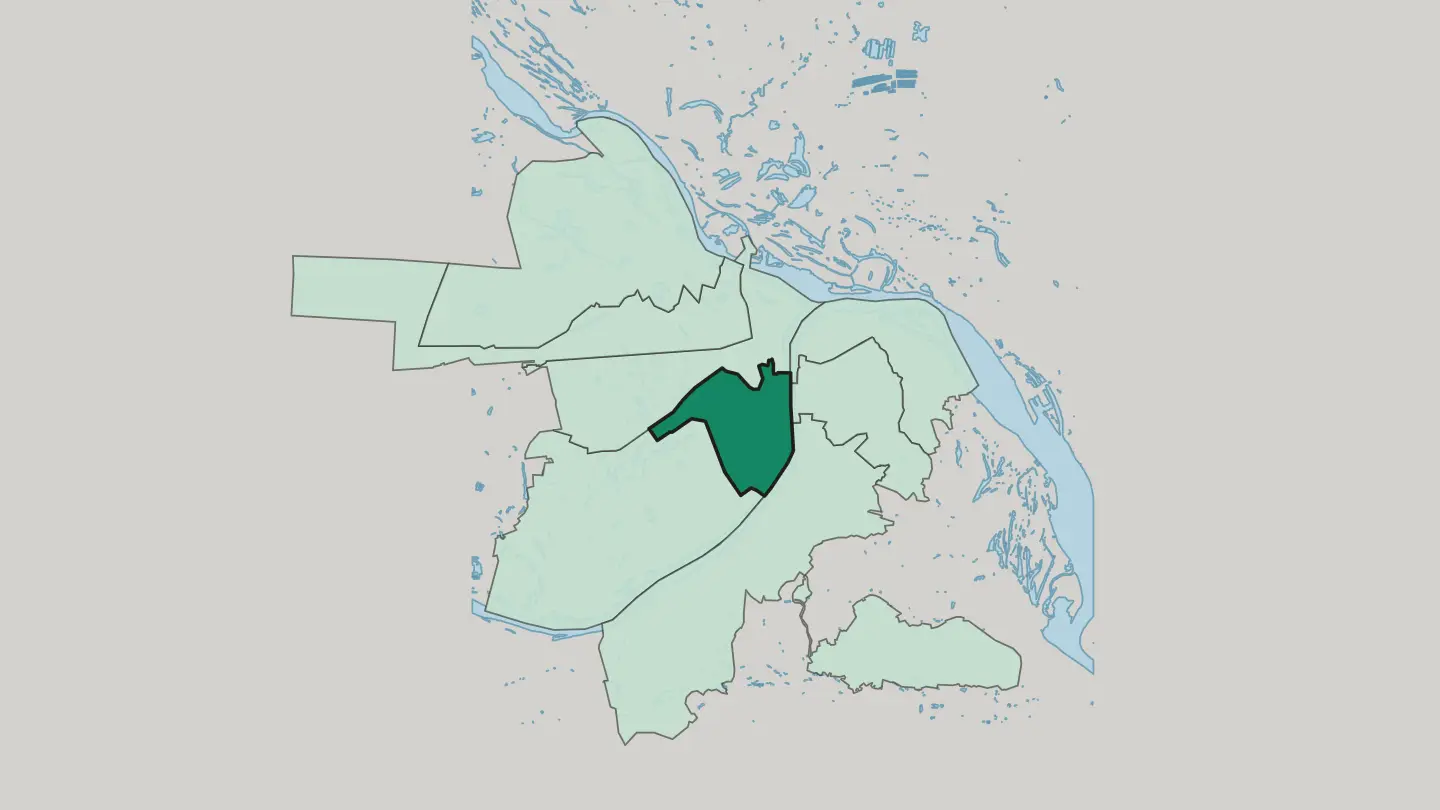
 Nizhniy NovgorodRussia
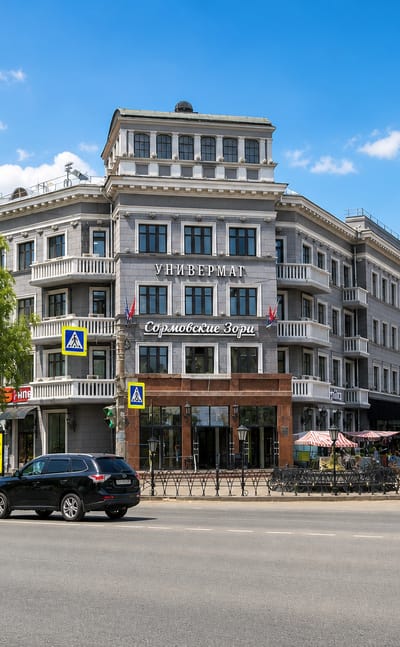
Sormovsky City District
Sormovsky City District is the shipbuilding quarter of Nizhniy Novgorod, grown around the Krasnoye Sormovo Plant.Where to stay →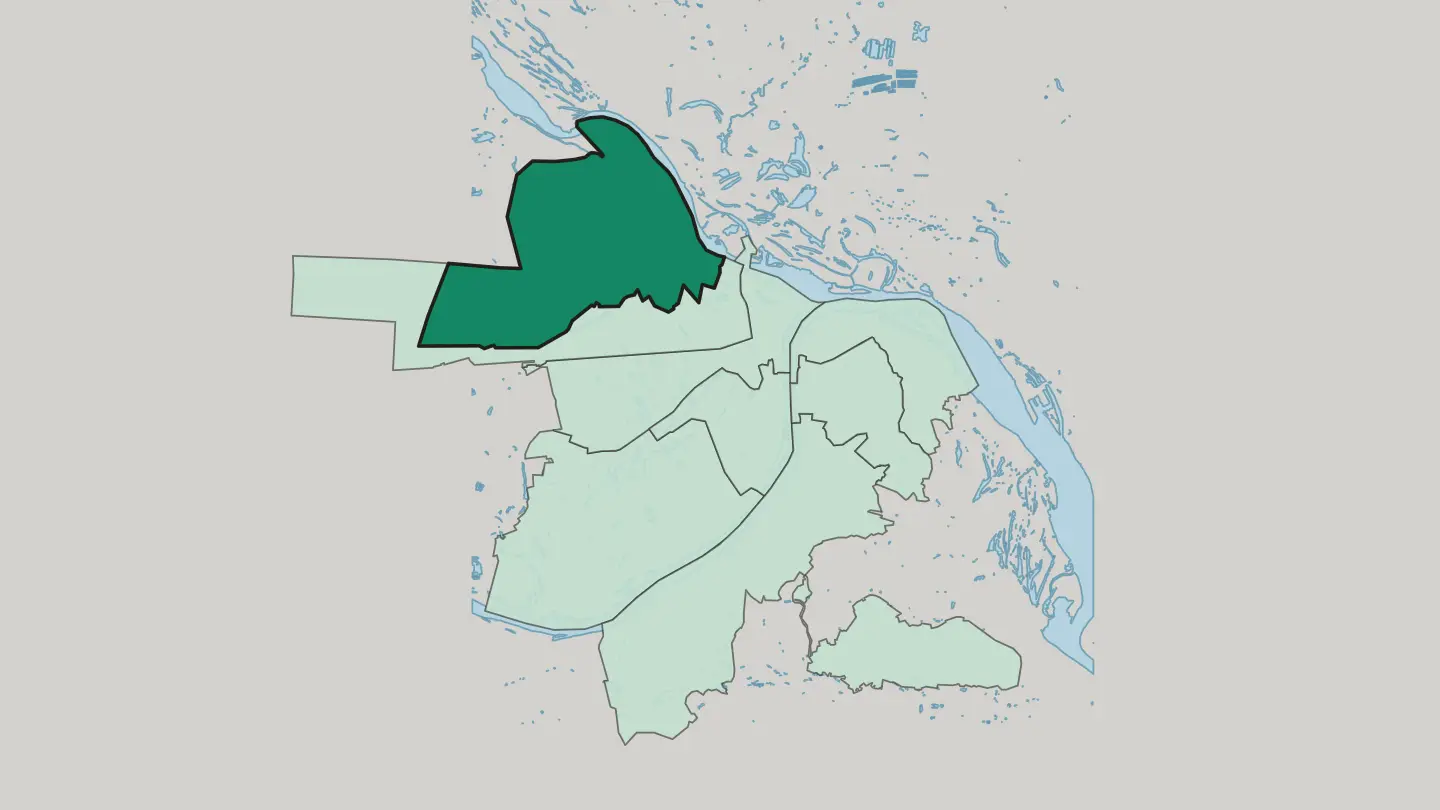
 Nizhniy NovgorodRussia
Prioksky City District
Prioksky City District is an upland borough of Nizhniy Novgorod, spread along the high right bank of the Oka above the lower town.Where to stay → Nizhniy NovgorodRussia
Moskovsky City District, Nizhny Novgorod
Moskovsky District is a northern borough of Nizhny Novgorod, built around the Sormovo works and Sormovsky park.Where to stay → Nizhniy NovgorodRussia
Avtozavodsky City District, District d'Avtozavodsky
Avtozavodsky is the auto-plant district of Nizhniy Novgorod, a planned Soviet Sotsgorod of constructivist workers' blocks.Where to stay →Things to do in Nizhniy Novgorod
Ranked by global recognition; descriptions from Wikidata (CC0).
Museums & Galleries
3- Nizhny Novgorod Museum of Architecture and Life of Volga basin Heritage
- Zachatskaya Tower of Nizhny Novgorod Kremlin Heritage
- Nizhny Novgorod prison Heritage
Churches & Religious Sites
8- Alexander Nevsky Cathedral, Nizhny Novgorod Heritage
- Stroganov Church Heritage
- Transfiguration Cathedral Heritage
- Saint Michael the Archangel Church Heritage
- Church of St. John the Baptist (Nizhny Novgorod) Heritage
Show 3 more →
- Great Mosque (Nizhny Novgorod) Heritage
- Church of Our Merciful Saviour Heritage
- Assumption Church on Ilynskaya Hill Heritage
Castles & Historic Sites
5- Nizhny Novgorod Kremlin Heritage
- Chkalov Stairs Heritage
- Monument to Valery Chkalov Heritage
- Obelisk to Minin and Pozharsky Heritage
- Sormovo Lenin Monument Heritage
Nature & Outdoors
3- Shveitsariya Park Heritage
- Sormovsky park Heritage
- Avtozavodskyi Park Heritage
Stadiums & Sports
1- Lokomotiv Stadium Heritage
Parks & Gardens
1- Botanical Garden of Lobachevsky State University of Nizhny Novgorod Heritage
Landmarks & Notable Places
8- Pechersky Ascension Monastery Heritage
- Annunciation Monastery Heritage
- Kazansky Rail Terminal Heritage
- Pushkin State Academic Opera and Ballet Theatre Heritage
- Nizhny Novgorod State Conservatory Heritage
Show 3 more →
- Gorky Child Railway Heritage
- Regional Psychoneurological Hospital № 1 (Nizhny Novgorod, named after P. P. Kashchenko) Heritage
- School of Barrikades Heritage
worth knowingacross 7 categories in Nizhniy Novgorod
About Nizhniy Novgorod
Nizhny Novgorod is known for its Kremlin.
What is Nizhniy Novgorod known for?
The walls and towers of the Nizhny Novgorod Kremlin crown the high bank, with the Zachatskaya Tower guarding the lower slope. Below, the Chkalov Stairs sweep down toward the Spit of Nizhny Novgorod, where the waters meet. The city remembers Minin and Pozharsky, honoured by a monument and an obelisk in their name.
Churches crowd the old streets.
What are the main landmarks in Nizhniy Novgorod?
Nizhny Novgorod holds a great fortress. The Nizhny Novgorod Kremlin rings the hilltop with walls and towers, the Zachatskaya Tower reaching down the slope. Churches stand thick below and around it, among them the Stroganov Church, the Alexander Nevsky Cathedral, and the Transfiguration Cathedral.
Two monasteries anchor the riverbanks, the Pechersky Ascension Monastery and the Annunciation Monastery. The Chkalov Stairs and the Monument to Valery Chkalov carry his name down to the water, and the Great Mosque marks the city's Muslim faith.
What is the history of Nizhniy Novgorod?
Nizhny Novgorod was founded in 1221. The city grew on the high bank as a stronghold, and the Nizhny Novgorod Kremlin later ringed the hill with walls and towers. Faith shaped its skyline early.
Monasteries rose above the water, the Pechersky Ascension Monastery and the Annunciation Monastery among the oldest. Churches followed in number, the Transfiguration Cathedral, the Stroganov Church, and the Church of Elijah the Prophet among them. Stone piled on stone through the centuries.
The city long kept the memory of Minin and Pozharsky, honoured in a monument and an obelisk that bear their names. Later ages left their own marks. The Alexander Nevsky Cathedral rose tall near the water, and the Great Mosque added a minaret to the skyline.
The Chkalov Stairs were cut down the slope, with the Monument to Valery Chkalov set at the top. Below them the Spit of Nizhny Novgorod grew into the city's meeting of waters. Music filled the Nizhny Novgorod State Conservatory.
The railway reached the city, and the Kazansky Rail Terminal opened for its trains. Old fortress and modern city rise together on the same hills.
Where is Nizhniy Novgorod?
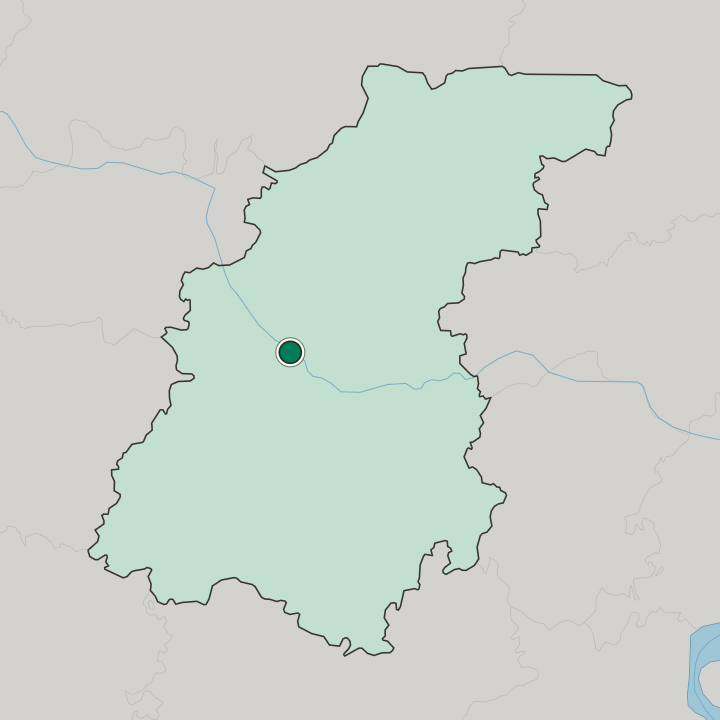
Nizhny Novgorod stands on high ground in Nizhny Novgorod Oblast, where the land drops to a meeting of waters. The Spit of Nizhny Novgorod reaches out below, and the Chkalov Stairs climb the steep bank from it. The Nizhny Novgorod Kremlin crowns the height above.
Older streets rise over Ilynskaya Hill nearby. The setting is temperate, the winters long and the summers warm.
What is the climate of Nizhniy Novgorod?
Nizhny Novgorod has a temperate climate with a strong seasonal swing. Winters are long and cold, snow settling over the Kremlin walls and lying on the frozen water below the hill. Summers turn warm and bright.
Spring and autumn pass as short, changeable bridges between the two. The cold runs deep this far inland.
How do you get to Nizhniy Novgorod?
Nizhny Novgorod is reached most often by train, with services running to the Kazansky Rail Terminal. Roads and rail link the city across Nizhny Novgorod Oblast and on toward the rest of the country. From the terminal the Spit of Nizhny Novgorod and the Kremlin lie a short way apart, on either side of the water.
Most visitors arrive on the lower bank. The upper town waits above.
Good for
More cities in Nizhny Novgorod Oblast
Updated October 2026