Russia · Perm Krai
Where to Stay in Perm, Perm Krai
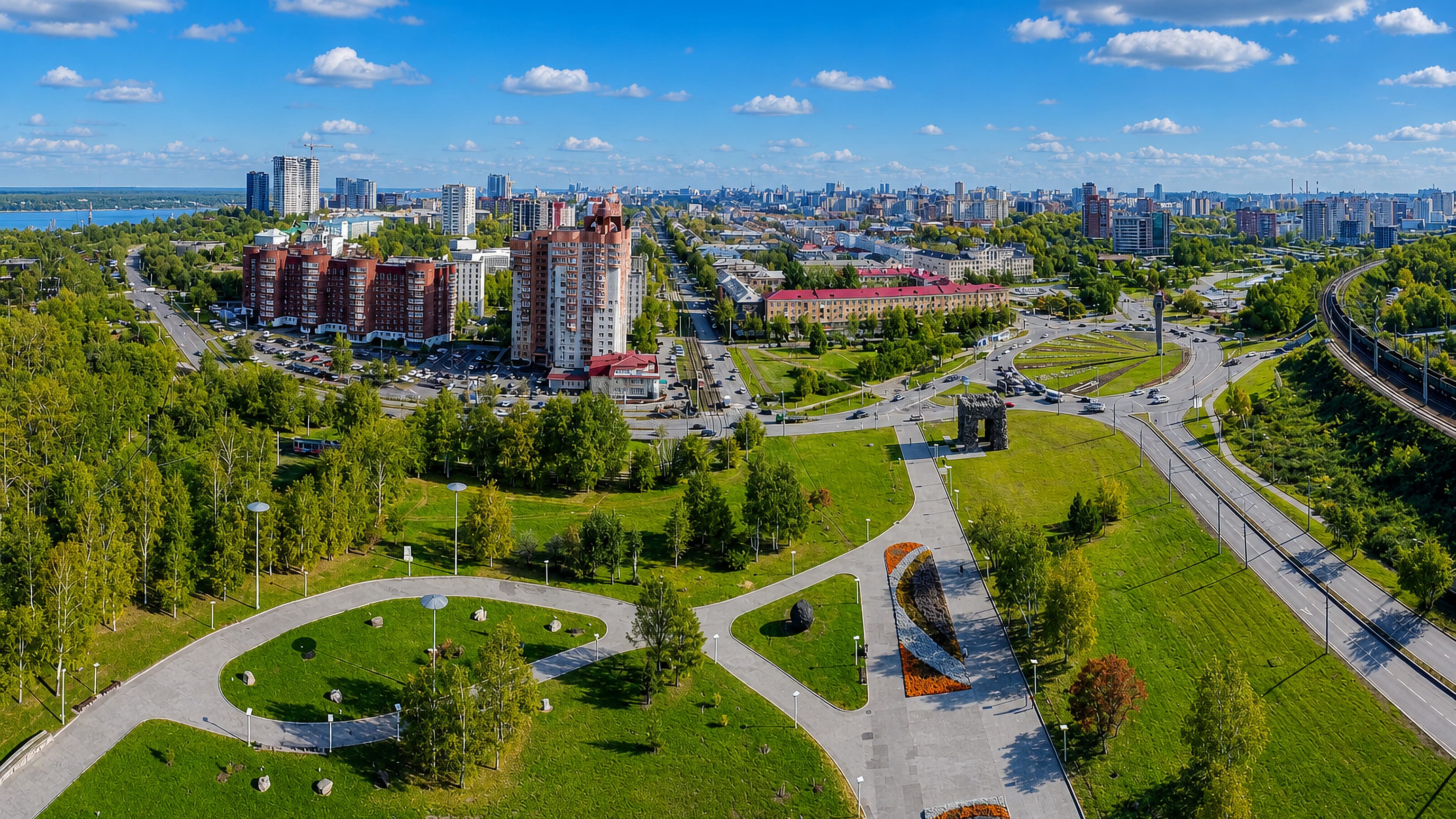
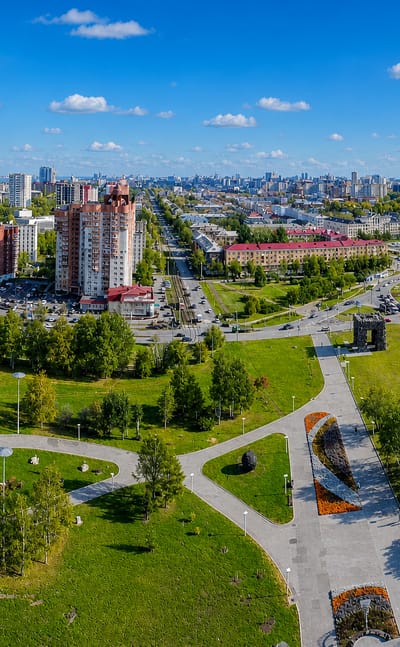
Ural light falls on the wide streets of Perm, a city in Perm Krai known for the Perm Art Museum and the Sergei Diaghilev Museum.
Find your area →


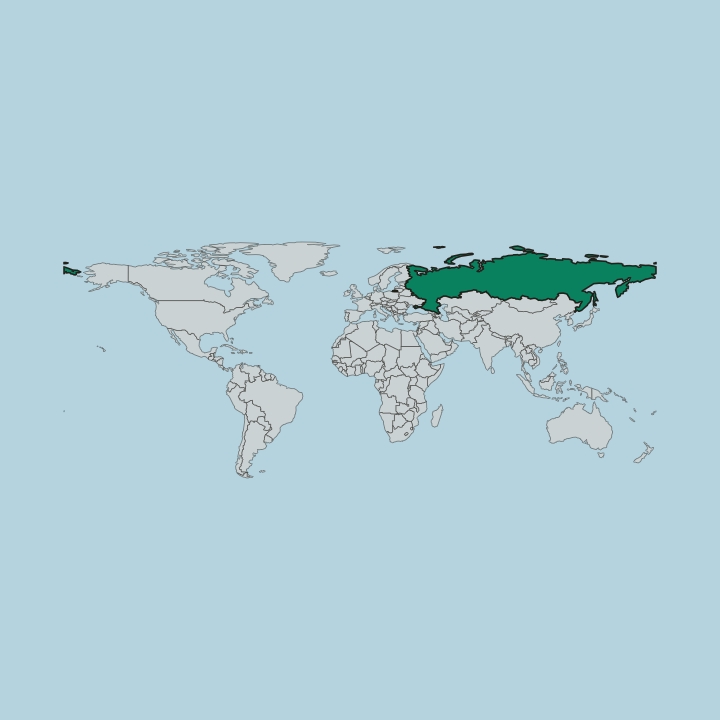
Where to stay in Perm
Not every neighbourhood fits every trip — here's what each one is good for.
 PermRussia
Lipaki
Lipaki takes up six streets of Frolovskoye Rural Settlement, a locality of Permsky District in Perm Krai with no landmark recorded.Where to stay →PermRussiaYakunchiki
Yakunchiki is a two-street rural locality, grouped with Shuvayata and Lipaki under Frolovskoye Rural Settlement in Permsky District.Where to stay →PermRussiaKosogory
Kosogory needs its region to be pinned down, the record writes it as Kosogory, Perm Krai, a two-street locality of Frolovskoye Rural Settlement.Where to stay →PermRussiaShuvayata
Shuvayata is a rural locality in Frolovskoye Rural Settlement, Permsky District, Perm Krai, with six streets and no landmark on file.Where to stay →PermRussiaZakamsk
Zakamsk is a microdistrict of Perm's Kirovsky district on the right bank of the Kama, laid out from 1933 to a plan by the Bauhaus director Hannes Meyer.Where to stay →Things to do in Perm
Ranked by global recognition; descriptions from Wikidata (CC0).
Museums & Galleries
3- Meshkov Mansion Heritage
- Sergei Diaghilev Museum Heritage
- Perm Art Museum
Churches & Religious Sites
5- Saint Peter & Paul Cathedral (Perm) Heritage
- Immaculate Conception Church Heritage
- Church of the Ascension (Theodosius church) Heritage
- Lutheran Church, Perm Heritage
- Stephen of Perm chapel Heritage
Castles & Historic Sites
7- monument of Ural Volunteer Corps Heritage
- Monument to the Heroes of the Front and Rear Heritage
- Monument of Pushkin Heritage
- Памятник Владимиру Ильичу Ленину Heritage
- Bust of Dzerzhinsky Heritage
Show 2 more →
- War memorial, Kirovogradskaya street Heritage
- Бюст С.М. Кирова Heritage
Landmarks & Notable Places
3- Zemstvo Council Heritage
- Loaders house (Perm) Heritage
- Old tram depot in Perm Heritage
worth knowingacross 4 categories in Perm
About Perm
What is Perm known for?
Perm is known for its museums, its ballet heritage, and its long industrial life at the edge of the Ural country. Art defines it most. The Perm Art Museum draws the crowds, and the Sergei Diaghilev Museum recalls the impresario born here who carried Russian ballet to the world.
Contemporary work has its own hall in the Perm Museum of Contemporary Art, while quirkier landmarks such as the Permyak Salty Ears fix the city's own folklore, all within the wider setting of Perm Krai.
What are the main landmarks in Perm?
The main landmarks of Perm gather its museums, churches, and monuments along the central streets. The Perm Art Museum leads, set beside the Perm Regional Museum along the central streets. Ballet has its shrine too.
The Sergei Diaghilev Museum honours the city's most famous son, while the Meshkov Mansion, the Saint Peter and Paul Cathedral, and the folkloric Permyak Salty Ears round out a centre that also holds the Monument to the Heroes of the Front and Rear.
What is the history of Perm?
Perm was founded in 1723 around a copper-smelting works at the edge of the Ural country, one of the industrial towns that opened the mountain frontier. Metal made it. Copper works and the river landing drew settlement, and the town grew into a provincial capital and a hub of trade in salt, timber, and ore, its wealth showing later in mansions such as the Meshkov Mansion.
From that early period rose the Saint Peter and Paul Cathedral, while the Perm Regional Museum keeps the record of the region's mining and merchant past. The city entered the wider culture through its people. Sergei Diaghilev, remembered in the Sergei Diaghilev Museum, grew up here before carrying Russian ballet abroad.
Hard years followed in the twentieth century, when the city was renamed Molotov and turned to heavy war industry, a chapter marked by the Monument to the Heroes of the Front and Rear and the monument of the Ural Volunteer Corps. Through renaming and revolution Perm held its museums and churches, so the long industrial story of Perm Krai still runs plainly through its streets.
Where is Perm?
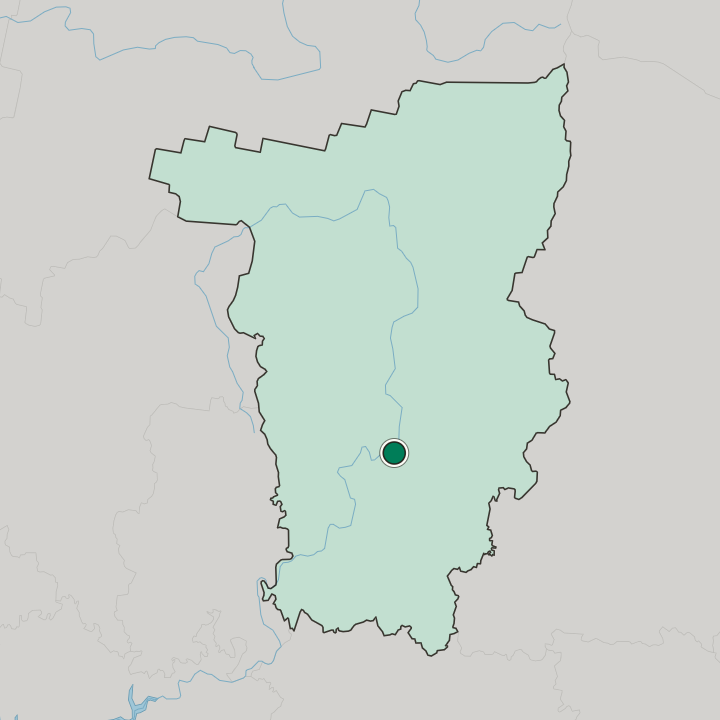
Perm spreads for a long stretch along a broad river within Perm Krai, at the western edge of the Ural country. The town follows the water. Its streets and the Perm Art Museum line the high bank, and the built-up area runs many kilometres downstream rather than gathering into one tight core.
Beyond the city the wider region of Perm Krai rises eastward into the forested Ural hills, a land of taiga, rivers, and old mining ground reaching away from the town.
What is the climate of Perm?
Perm has a cold continental climate of long, snowy winters and short, warm summers. Winter dominates the year. Deep frost and heavy snow settle over the river bank and the streets around the Perm Art Museum for months, in a season shaped by the nearness of the Ural hills across Perm Krai.
Summer brings a brief warmth and long northern daylight to the riverside, before autumn turns the town quickly back toward the deep cold that marks this edge of the country.
How do you get to Perm?
Getting to Perm runs by rail, air, and river across Perm Krai. The Trans-Siberian line passes through it. Trains reach the central stations directly, an airport serves flights from farther afield, and river craft call along the waterfront in the warm months.
From each arrival the riverside centre, with the Perm Art Museum and the Perm Regional Museum, lies a short way in among the old civic streets.
Good for
More cities in Perm Krai
Updated September 2026