Russia · Rostov Oblast
Where to Stay in Azov, Rostov Oblast
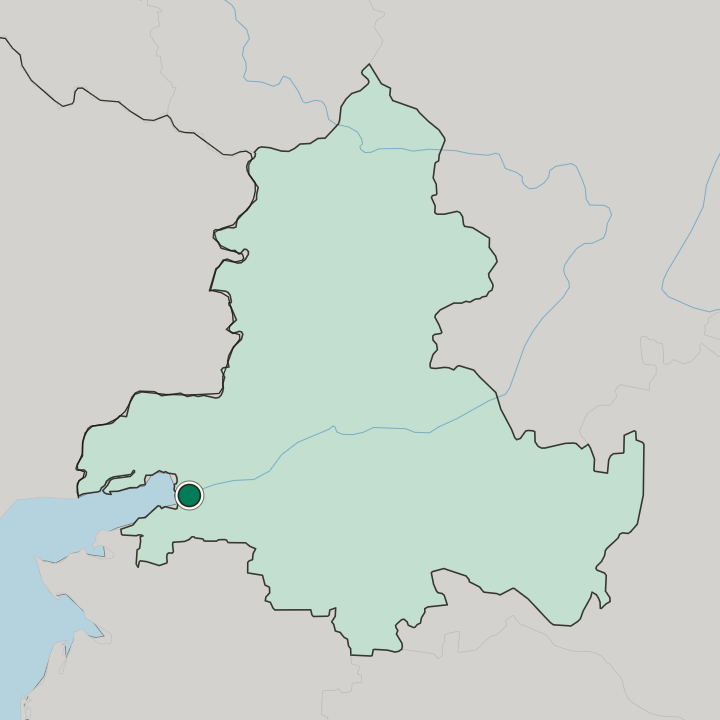
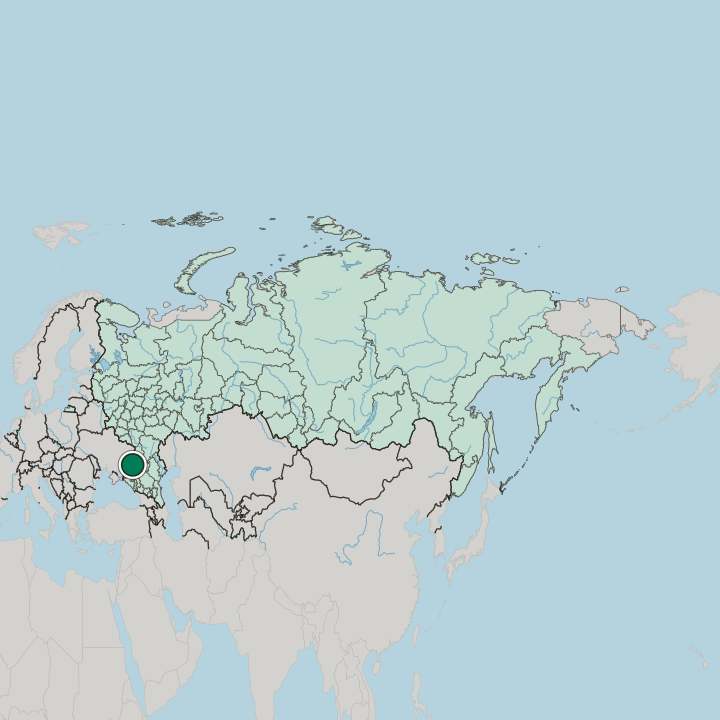
Azov is a Don River town of Rostov Oblast, known since 1067 and once called Azak, standing 16 kilometres from the Sea of Azov it named.
Find your area →


Where to stay in Azov
Where visitors usually base themselves, and why.
The old defences set the centre. Rooms near the Azov History, Archaeology and Paleontology Museum-Reserve put the Powder Cellar Museum and the Fortified settlement site within a few minutes on foot, along with the Samoylovitch house and the monuments that fill the squares between them. That core is small.
Anyone here for the history of Azov should take a bed inside it, since the Monument to Peter I, the Monument to Aleksei Shein and the Мемориал «Павшим за Родину» all stand within the same walk. The Don River gives the other side. Beds toward the water suit travellers making for the Sea of Azov, 16 kilometres off, or working along the river rather than through the museums. Rostov Oblast puts larger towns within a drive.
A room in Azov itself still makes better sense for a visit built around the Monument to the sailors of the Azov Flotilla, the Monument to Alexander Suvorov and the Monument to heroes of World War I, because all of them are central. The town is walkable end to end. Two nights cover it comfortably, museums and all.
Things to do in Azov
Ranked by global recognition; descriptions from Wikidata (CC0).
Museums & Galleries
3- Azov History, Archaeology and Paleontology Museum-Reserve Heritage
- Powder Cellar Museum Heritage
- Samoylovitch house, Azov Heritage
Castles & Historic Sites
4- Monument to the sailors of the Azov Flotilla Heritage
- Vladimir Lenin monument, Azov Heritage
- Fortified settlement (Azov) Heritage
- Patarva Heritage
Landmarks & Notable Places
1- Жилой дом торговца сельскохозяйственными машинами Николая Леймана Heritage
worth knowingacross 3 categories in Azov
About Azov
The sea took its name from here.
What is Azov known for?
Azov stands on the Don River 16 kilometres from the Sea of Azov, and the Azov History, Archaeology and Paleontology Museum-Reserve carries the record of a town in Rostov Oblast whose monuments run heavily to soldiers and sailors. Azak was its earlier name. The Powder Cellar Museum and the Fortified settlement site keep the defensive past on the ground, while monuments to Peter I, Aleksei Shein and Alexander Suvorov stand in the streets of the town.
What are the main landmarks in Azov?
Monuments outnumber everything else. Azov keeps the Monument to Peter I, the Monument to Aleksei Shein, the Monument to Alexander Suvorov and the Monument to the sailors of the Azov Flotilla within a few central squares. Two museums hold the rest.
The Azov History, Archaeology and Paleontology Museum-Reserve and the Powder Cellar Museum work through the town's deeper past, while the Samoylovitch house, Patarva and the Fortified settlement site survive as buildings and ground rather than displays.
What is the history of Azov?
The record starts in 1067. Azov carries a founding date in the eleventh century, and it has answered to more than one name, since the form Azak belonged to it before the present one. The sea carries the name outward.
The Sea of Azov takes its name from the town rather than the other way round, which is unusual for a place 16 kilometres inland on the Don River. Defence shaped the ground. The Fortified settlement site and the Powder Cellar Museum are what survives of the works that once held this stretch of the Don, and the Samoylovitch house survives from the town's later years.
Soldiers dominate the memory. Monuments to Peter I, to Aleksei Shein and to Alexander Suvorov stand in Azov, and the Monument to the sailors of the Azov Flotilla ties the town to the water it sits on. The twentieth century added its own.
The Monument to heroes of World War I, the Мемориал «Павшим за Родину», the Vladimir Lenin monument, Памятник Артёму and Памятник Мирошниченко fill out the later layers. Patarva belongs to the same list. The Azov History, Archaeology and Paleontology Museum-Reserve gathers the archaeology, the paleontology and the documents that hold all of it together in one place in Rostov Oblast.
Where is Azov?
The Don sets the town's edge. Azov lies on the Don River 16 kilometres from the Sea of Azov, on low ground beside the water in Rostov Oblast, where the river runs on toward the sea. The built area is broad.
About sixty-six square kilometres take in the whole of Azov, enough to spread the Fortified settlement site, the museums and the riverfront across separate parts of the same town.
What is the climate of Azov?
The Sea of Azov is close enough to matter. Sixteen kilometres of open ground separate the town from the sea, near enough that the water tempers the extremes an inland position would otherwise bring. Wind comes off the Don.
The river and the sea together give Azov milder winters and longer warm spells than the country further from either, and the walking season for the museums and the monuments runs long.
How do you get to Azov?
Rostov Oblast roads bring most arrivals. Azov lies on the Don River 16 kilometres from the Sea of Azov, and the road along the lower river is the line most travellers follow in, whether coming for the museums or heading on to the coast. You can cross the centre on foot in minutes.
The Azov History, Archaeology and Paleontology Museum-Reserve, the Powder Cellar Museum and the Monument to Peter I stand close enough together that a visitor who has parked once need not move the car again.
Good for
More cities in Rostov Oblast
Updated October 2026