Russia · Rostov Oblast
Where to Stay in Rostov-on-Don, Rostov Oblast
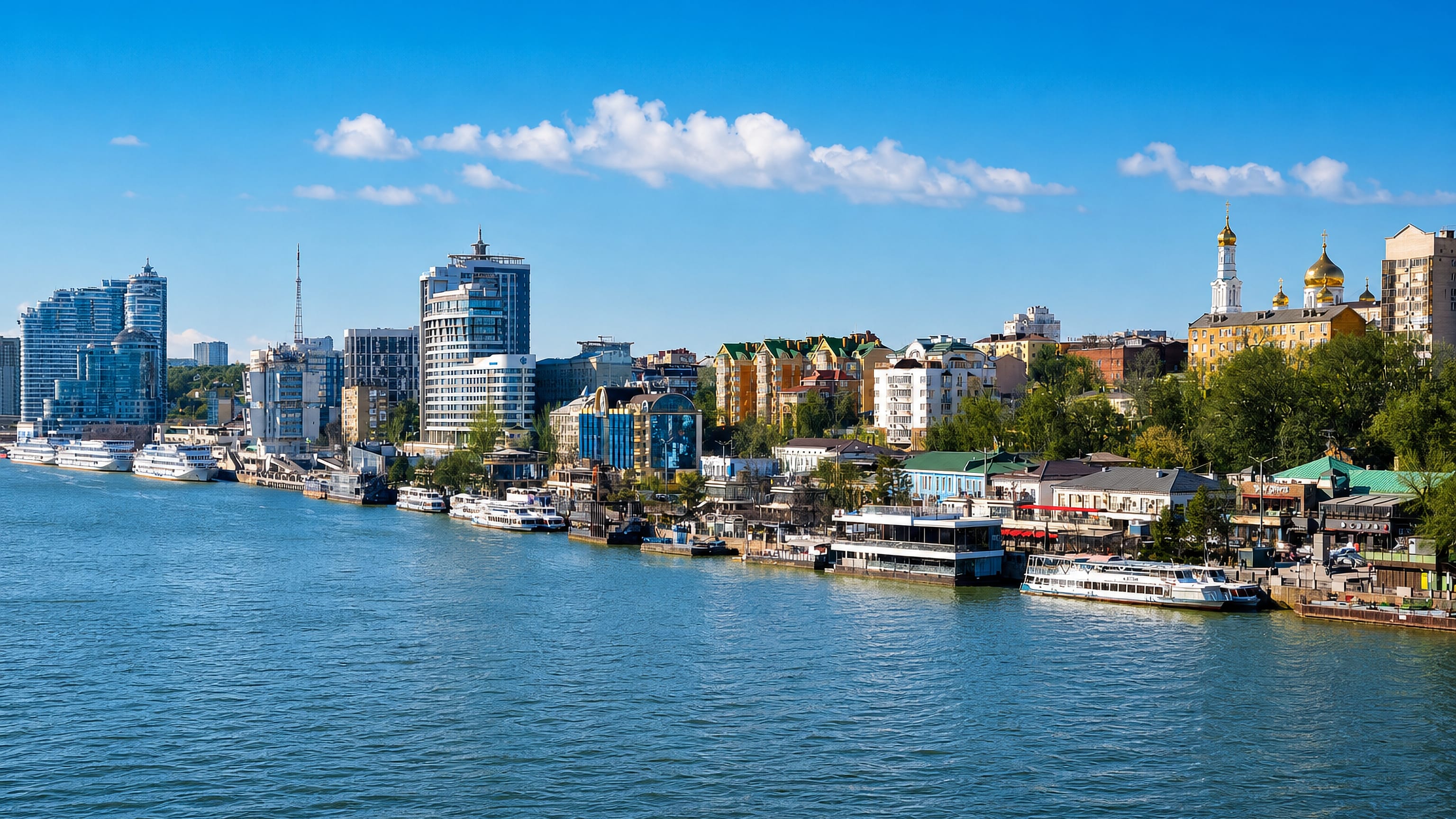
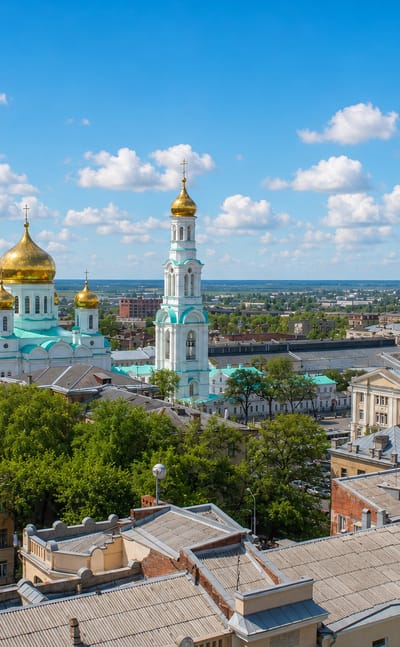
The Don River slides past the quays at Rostov-on-Don, a port city in Rostov Oblast known for the Chekhov Monument and Church of the Intercession.
Find your area →


Where to stay in Rostov-on-Don
Not every neighbourhood fits every trip — here's what each one is good for.

 Rostov-on-DonRussia
Kirovsky District
Kirovsky District is the historic core of Rostov-on-Don, holding Saint Alexander Nevsky Cathedral and the Rostov Regional Fine Arts Museum.Where to stay →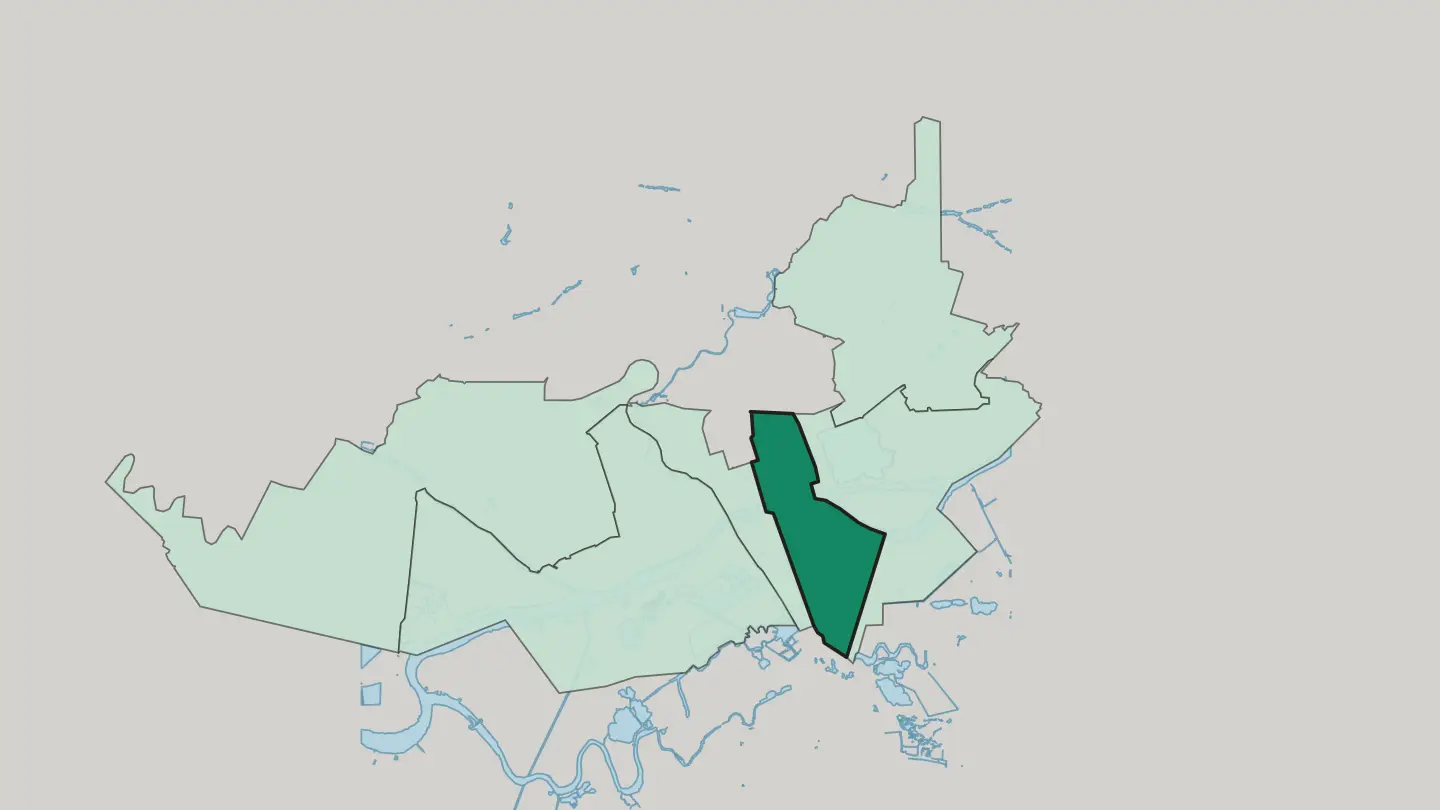
 Rostov-on-DonRussia
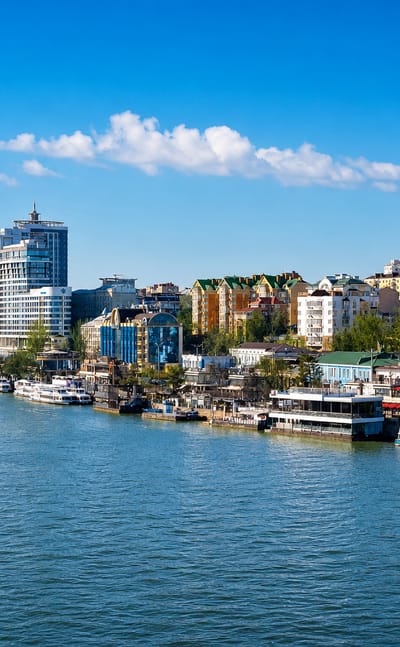
Leninskyi Raion
Leninskyi Raion is a central district of Rostov-on-Don, home to its Fine Arts Museum and a run of pre-revolutionary merchant mansions.Where to stay →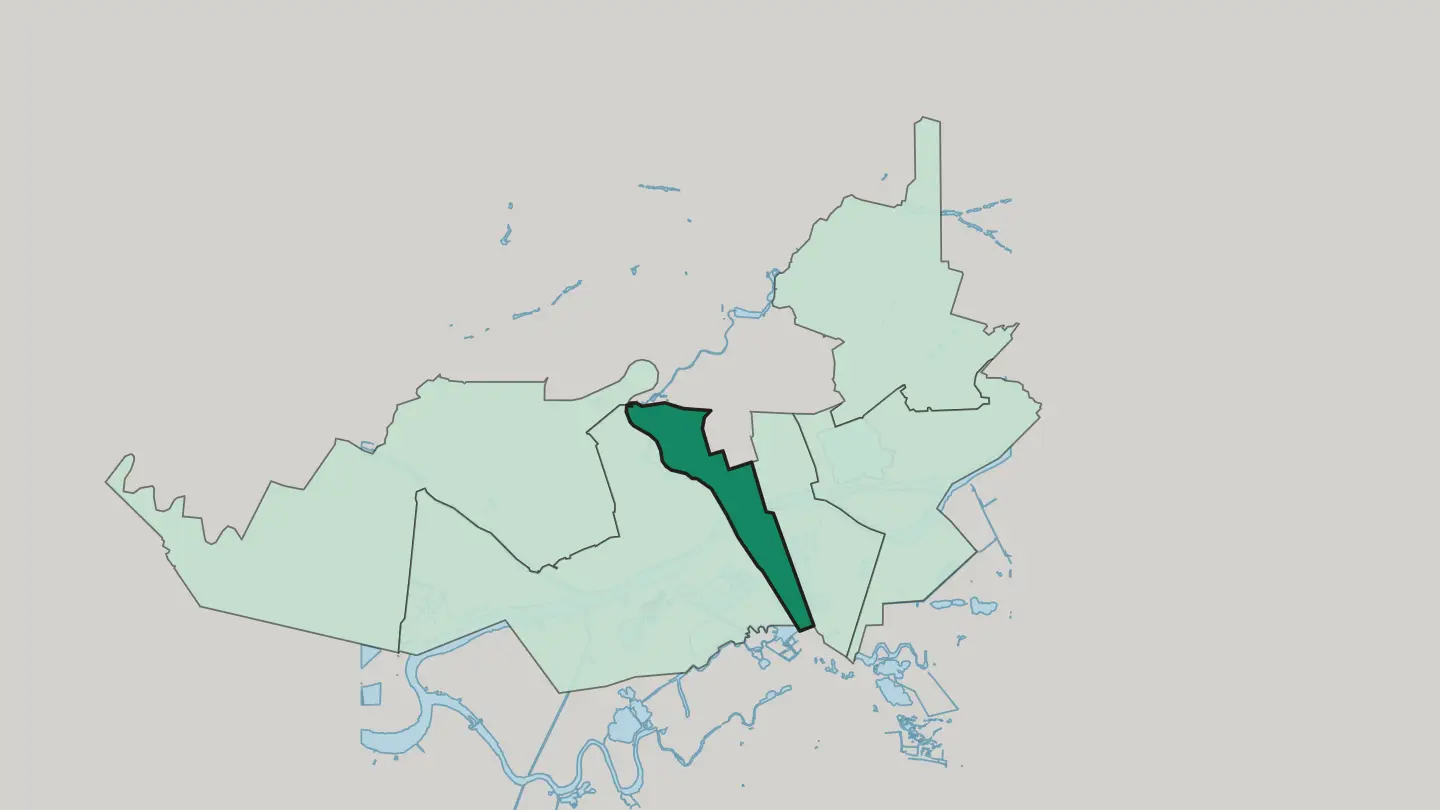
 Rostov-on-DonRussia
Zhelenodorozhny District
Zheleznodorozhny District is one of the eight districts of Rostov-on-Don, formed in 1937 and named after the railway that shaped it.Where to stay →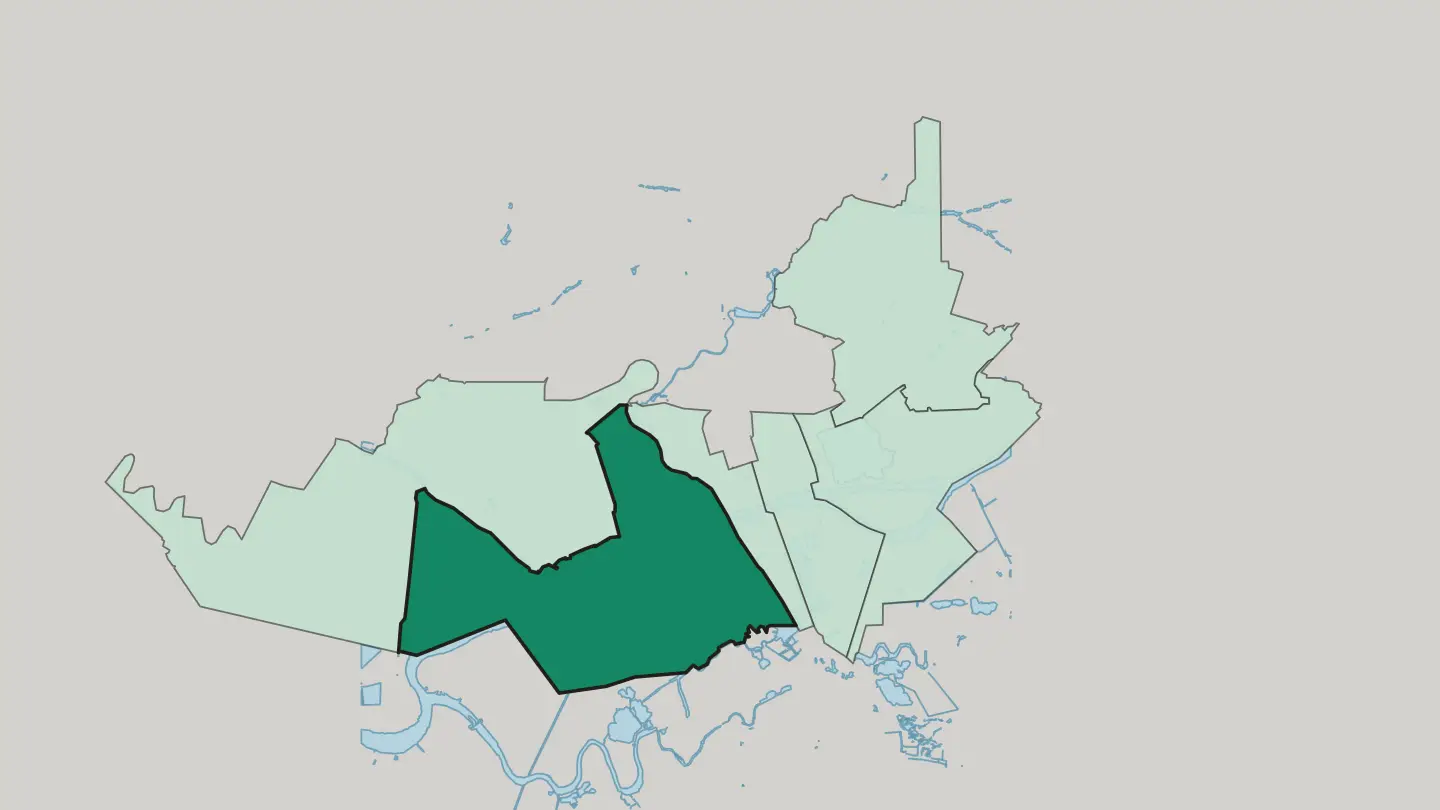 Rostov-on-DonRussia
Lengorodok
Lengorodok is a heritage district of Rostov-on-Don gathered around Saint Alexander Nevsky Cathedral and its old merchant houses.Where to stay →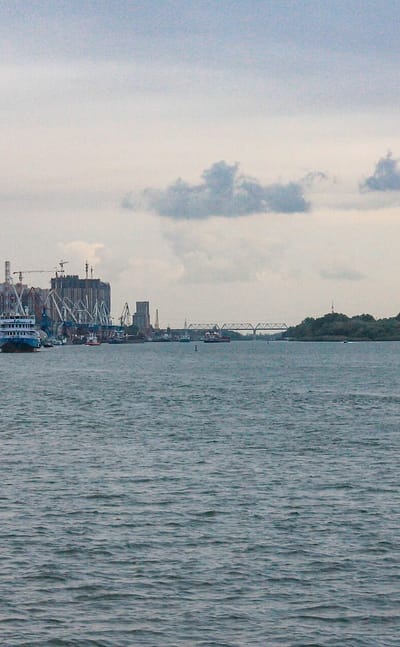 Rostov-on-DonRussia
Nakhichevan-on-Don
Nakhichevan-on-Don is an Armenian-founded quarter of Rostov-on-Don, its grid of churches and monuments laid out in 1779.Where to stay →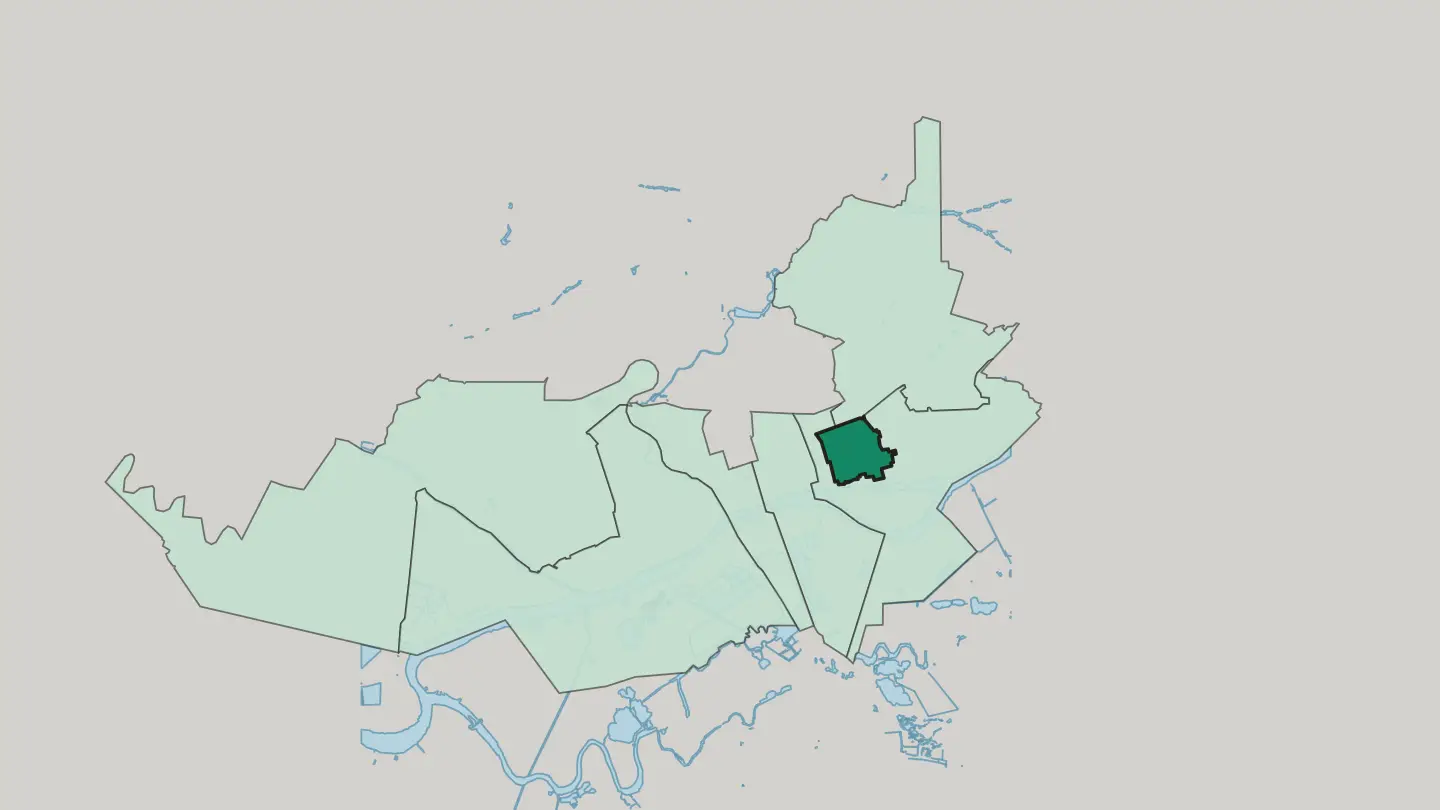 Rostov-on-DonRussia
Proletarsky District
Proletarsky District spreads east of central Rostov-on-Don, holding the old Nakhichevan-on-Don core and its grid of merchant houses.Where to stay →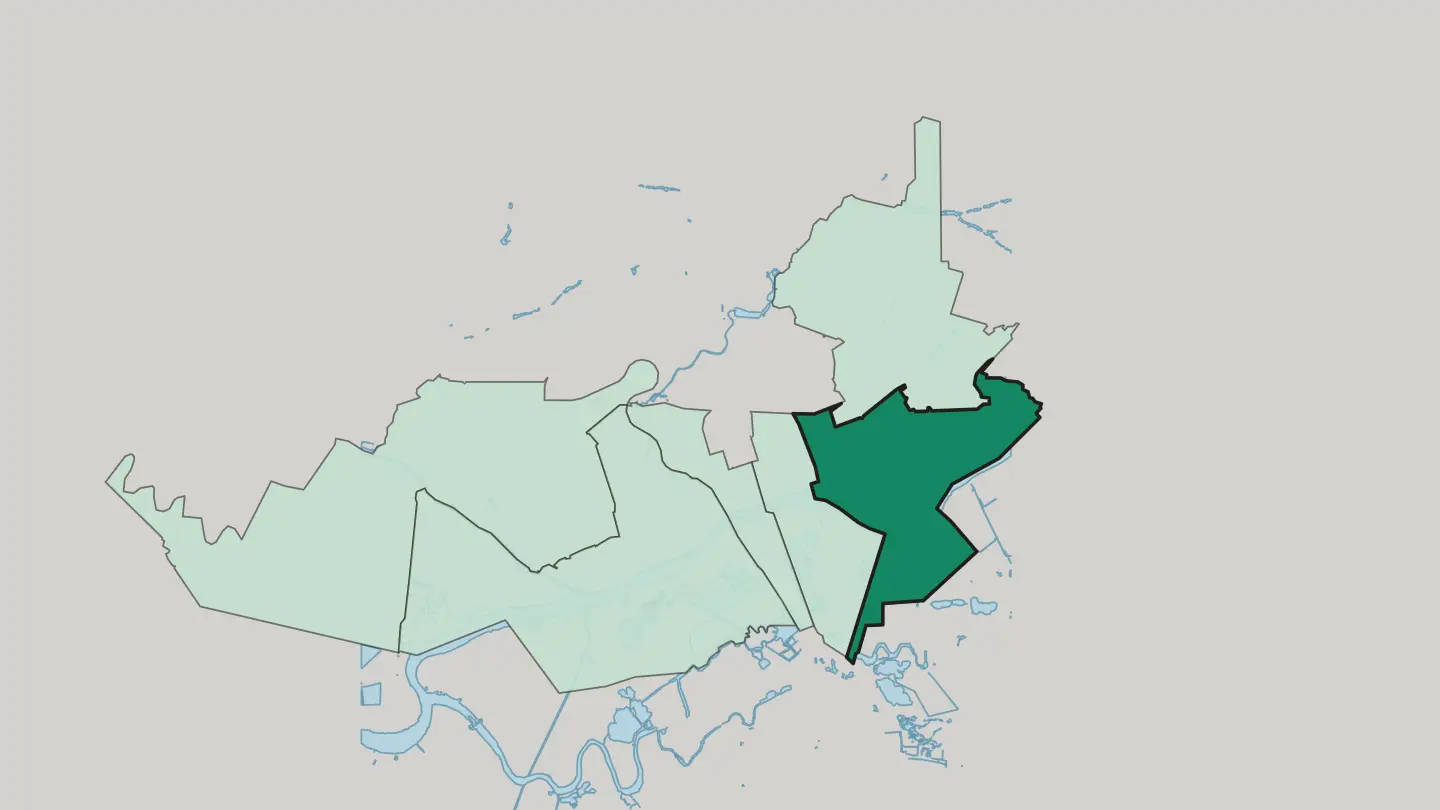 Rostov-on-DonRussia
Voroshilovsky City District
Voroshilovsky City District is a raion of Rostov-on-Don, drawn as a distinct city district in 1985.Where to stay →Rostov-on-DonRussia
Pervomayskiy Raion
Pervomayskiy Raion is a residential and industrial borough of Rostov-on-Don, set back in the northern part of the city.Where to stay →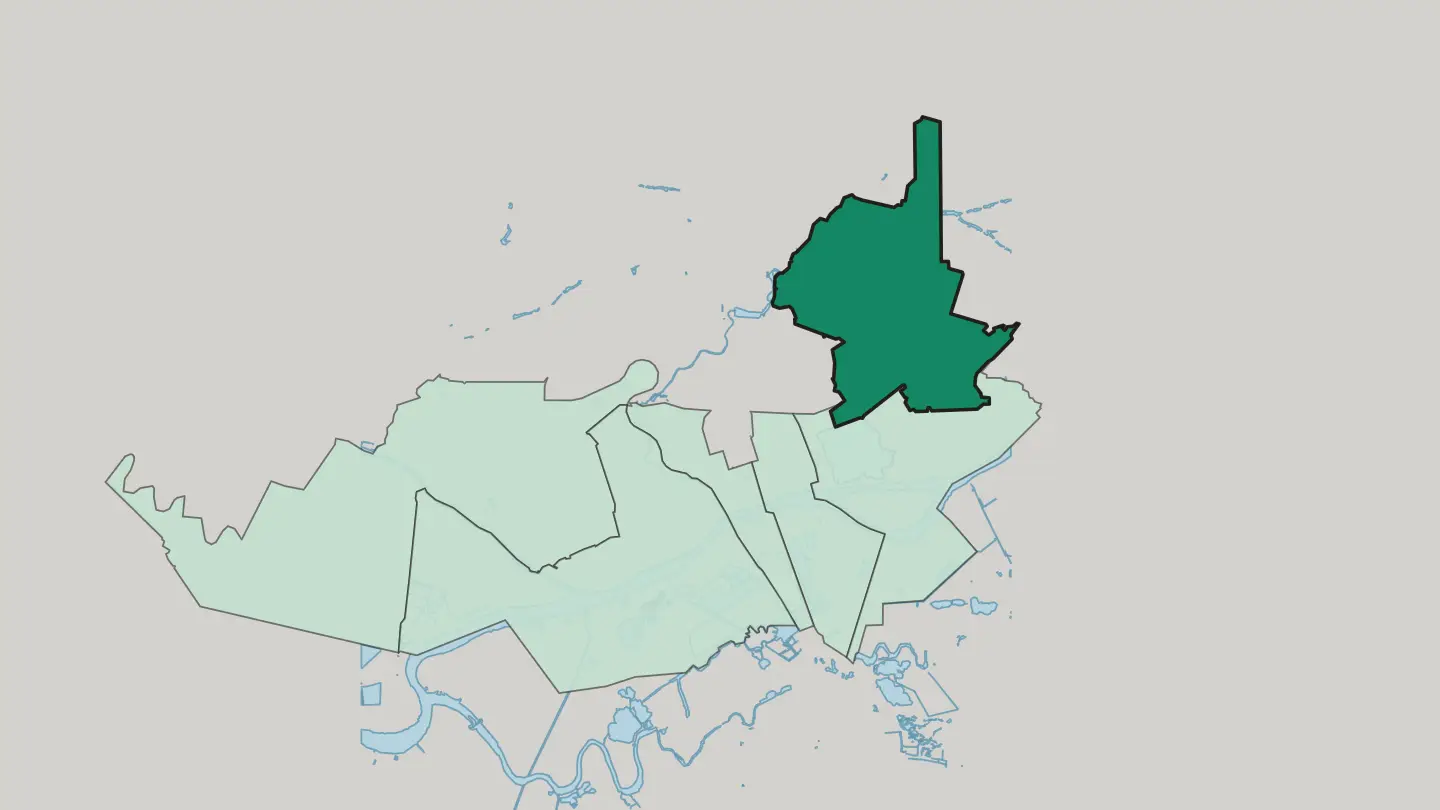 Rostov-on-DonRussia
Sovetskiy rayon of Rostov-on-Don
A city district of Rostov-on-Don, ringing Saint Alexander Nevsky Cathedral and the Rostov Regional Fine Arts Museum.Where to stay →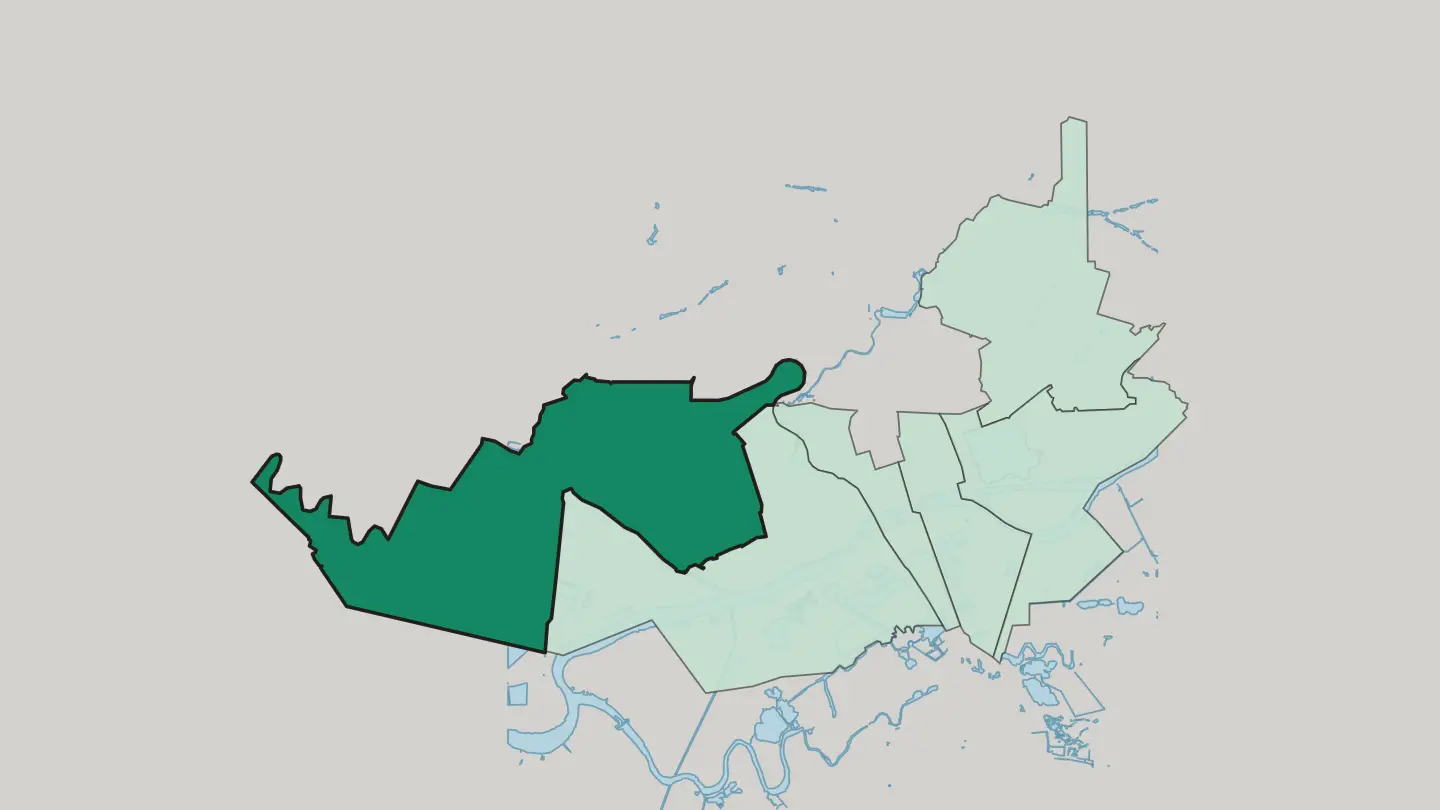
Things to do in Rostov-on-Don
Ranked by global recognition; descriptions from Wikidata (CC0).
Churches & Religious Sites
3- St. Alexandra's Church, Rostov-on-Don Heritage
- St. Karapet's Church, Rostov-on-Don Heritage
- Church of the Intercession, Rostov-on-Don
Castles & Historic Sites
8- Liberators of Rostov-on-Don Heritage
- Monument to the 1st Cavalry Army Heritage
- Memorial complex «To the Fallen Warriors» Heritage
- Monument to Alexander Pushkin Heritage
- Alexander Column Heritage
Show 3 more →
- Monument to Stepan Razin Heritage
- Monument to innocent murdered Heritage
- Karl Marx Monument Heritage
Landmarks & Notable Places
8- mansion of Eva Spielrein Heritage
- House of Soviets Heritage
- Grammar school № 36 (Rostov-on-Don) Heritage
- House of P. M. Zaslavskaya (Ivan Zvorykin) Heritage
- Shenderov House Heritage
Show 3 more →
- Vasily Kushnarev revenue house Heritage
- Sagirov mansion Heritage
- house of Reznichenko Heritage
worth knowingacross 3 categories in Rostov-on-Don
About Rostov-on-Don
What is Rostov-on-Don known for?
Rostov-on-Don is known as the river port and cultural centre of the lower Don. The Chekhov Monument stands for the writer it commemorates, and the tall Rostov TV tower marks the skyline for miles around the city. Merchant wealth shows in mansions like the Gavala house and Trunov House.
The Fountan at Theater Square anchors the centre. River trade shaped it.
What are the main landmarks in Rostov-on-Don?
Rostov-on-Don gathers its monuments and old churches across the central streets. The Monument to Alexander Pushkin and the Monument to Stepan Razin stand among the civic squares, while the Rostov TV tower rises far above them. St. Karapet's Church anchors its quarter.
Older still are the merchant houses, among them the Gavala house and the Ter-Abramyan House, their facades carrying the ornament of the trading era. The Baikovsky Bridge carries traffic over the ravine.
What is the history of Rostov-on-Don?
Rostov-on-Don dates from 1749, when a fortress and customs post rose on the lower Don. Its name honours Dimitry of Rostov, the churchman remembered in the Monument to Dimitry of Rostov. From the site, river traffic ran down to the Sea of Azov and on to the trade routes of the wider world.
Grain, timber, and coal moved through the quays. Over the following century the settlement outgrew its ramparts and spread up the slope from the water. Merchant fortunes shaped the nineteenth-century town, and the ornate houses along the main streets, among them the Trunov House, date from that prosperous era.
Public monuments followed as the city grew, from the Monument to Alexander Pushkin to the Monument to heroes of World War I. War and revolution left their mark. The Church of the Intercession and the older parishes endured. Modern landmarks such as the Rostov TV tower joined the skyline in the twentieth century.
The layered centre still reads as a merchant river city, its old streets and church domes standing along the high bluff that overlooks the Don and the plain beyond. The river made the city.
Where is Rostov-on-Don?
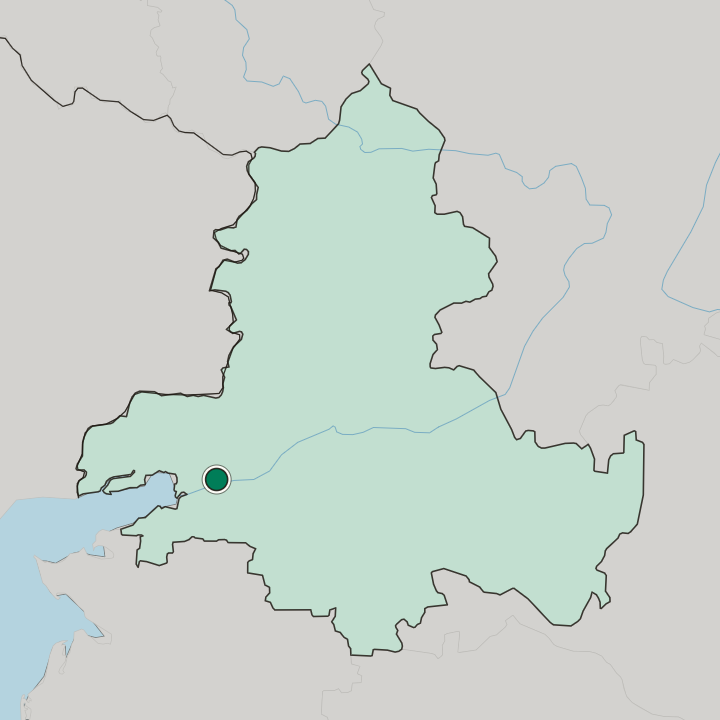
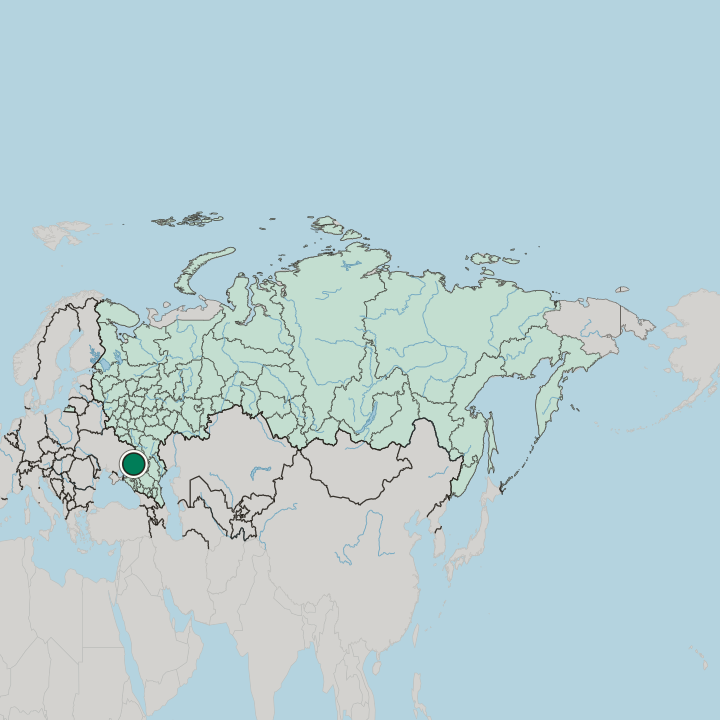
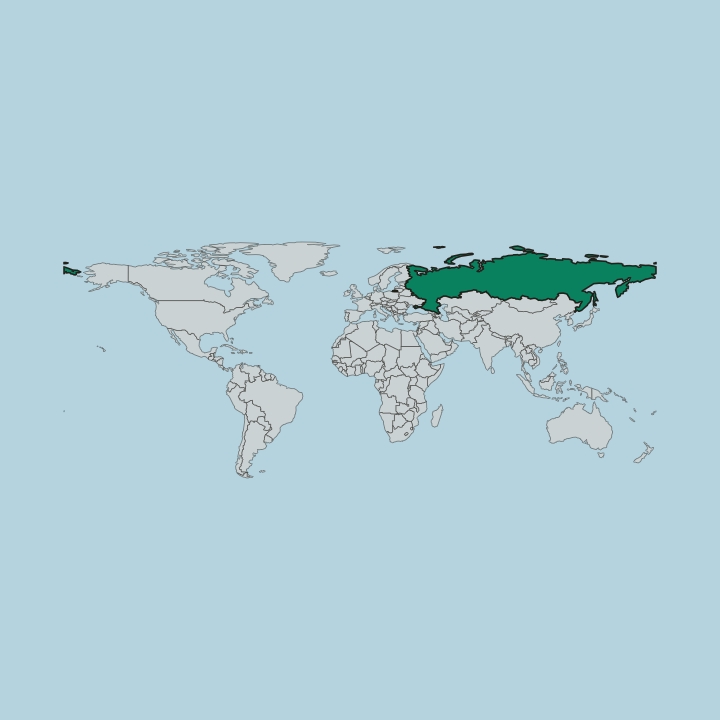
Rostov-on-Don lies on the Don River in southern Russia, at the southeastern edge of the East European Plain. The city sits north of the North Caucasus, its southwestern suburbs spread above the Don river delta where the river breaks into channels on its way to the sea. The Sea of Azov lies not far downstream.
Rostov Oblast surrounds it, and the flat plain opens to the east and south.
What is the climate of Rostov-on-Don?
Rostov-on-Don has a warm continental climate shaped by the open plain around the lower Don. Summers run hot and dry, with long spells of sun over the plain and warm winds carrying dust off the fields to the east. Winters are shorter and milder than in the interior.
Snow rarely lingers on the Don. The nearness of the Sea of Azov softens the cold, though hard frosts still arrive when air spills down from the north.
How do you get to Rostov-on-Don?
Rostov-on-Don is a river port on the lower Don, and most journeys reach it by road along the valley. From the quays the Don runs down to the Sea of Azov, the water route that first made the settlement worth building here. The Baikovsky Bridge carries road traffic across the river.
Boats still work the channel.
Good for
More cities in Rostov Oblast
Updated October 2026