Russia
Rostov Oblast, Russia — Towns & Travel Guide
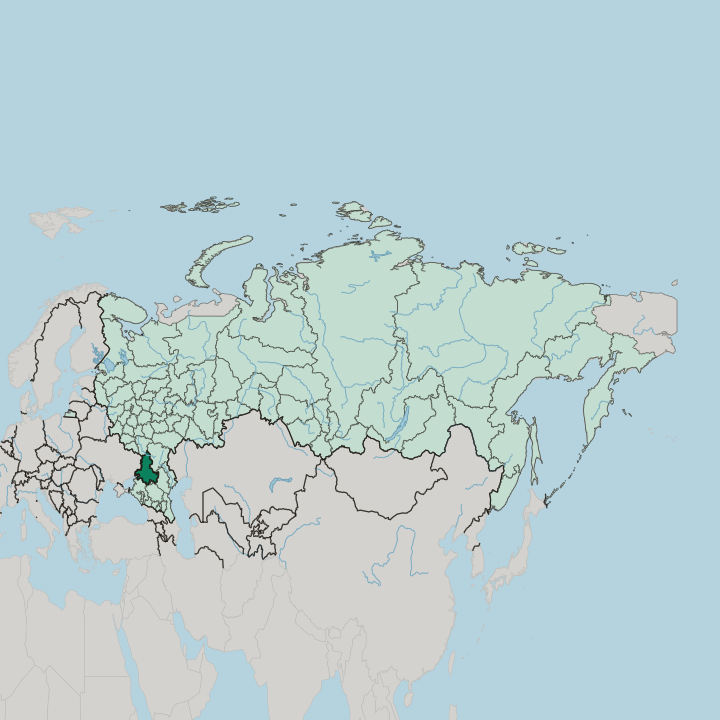
Rostov Oblast is a region of Southern Russia, centred on Rostov-on-Don and reaching northwest to the border with Ukraine.
Find your area →


Towns & cities in Rostov Oblast
Pick a town or city — each links to where to stay.
 Russia
Rostov-on-Don
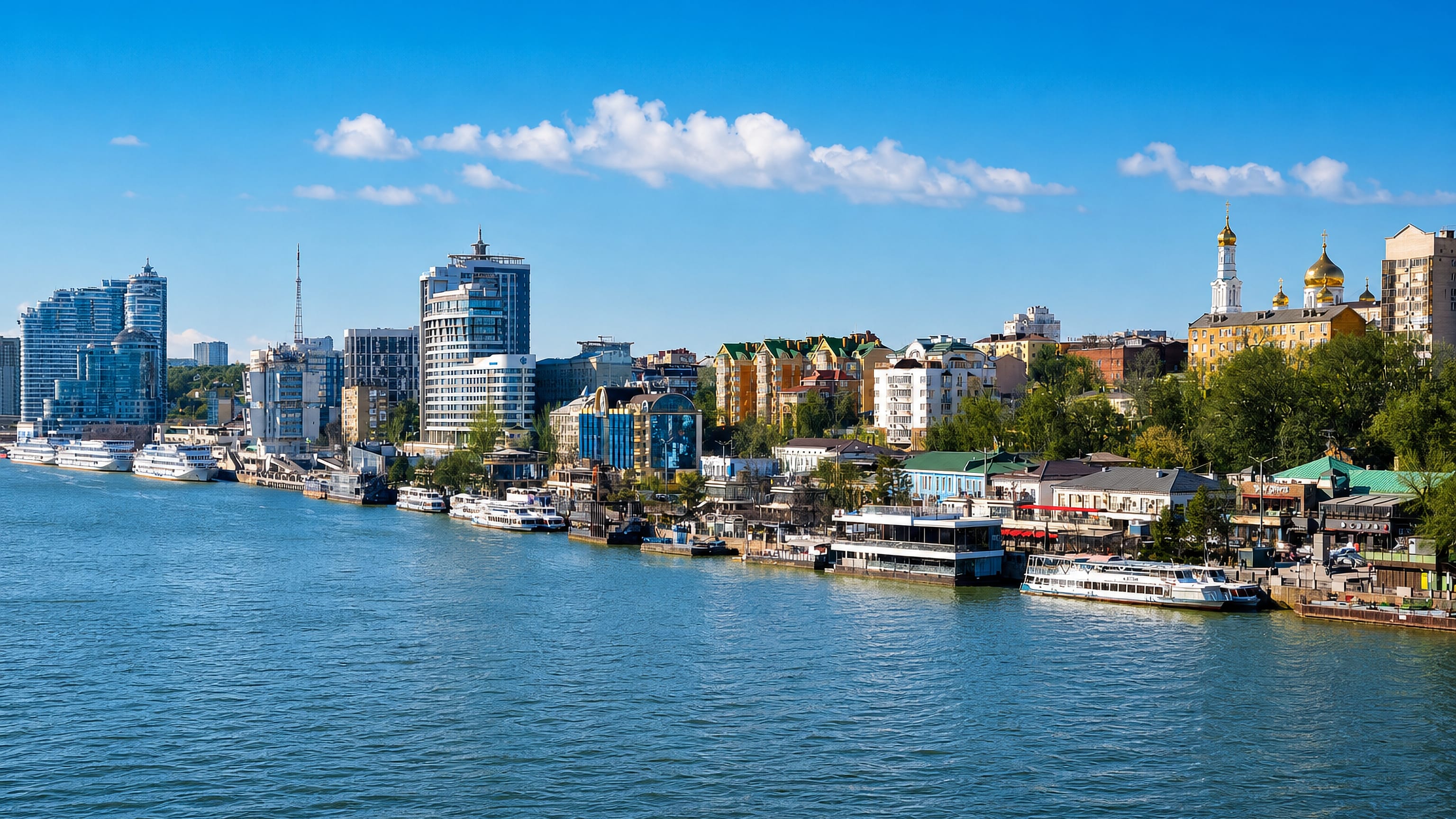
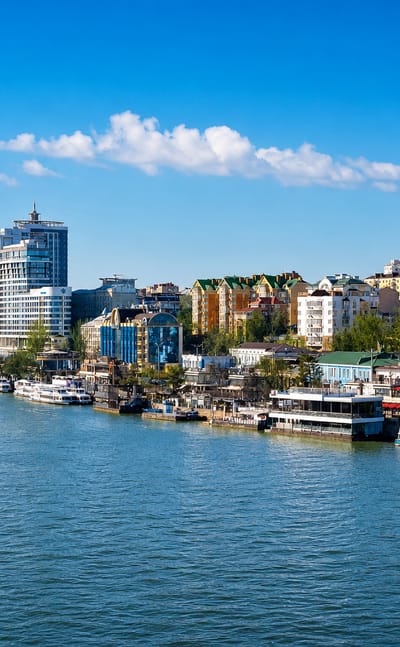
The Don River slides past the quays at Rostov-on-Don, a port city in Rostov Oblast known for the Chekhov Monument and Church of the Intercession.Where to stay →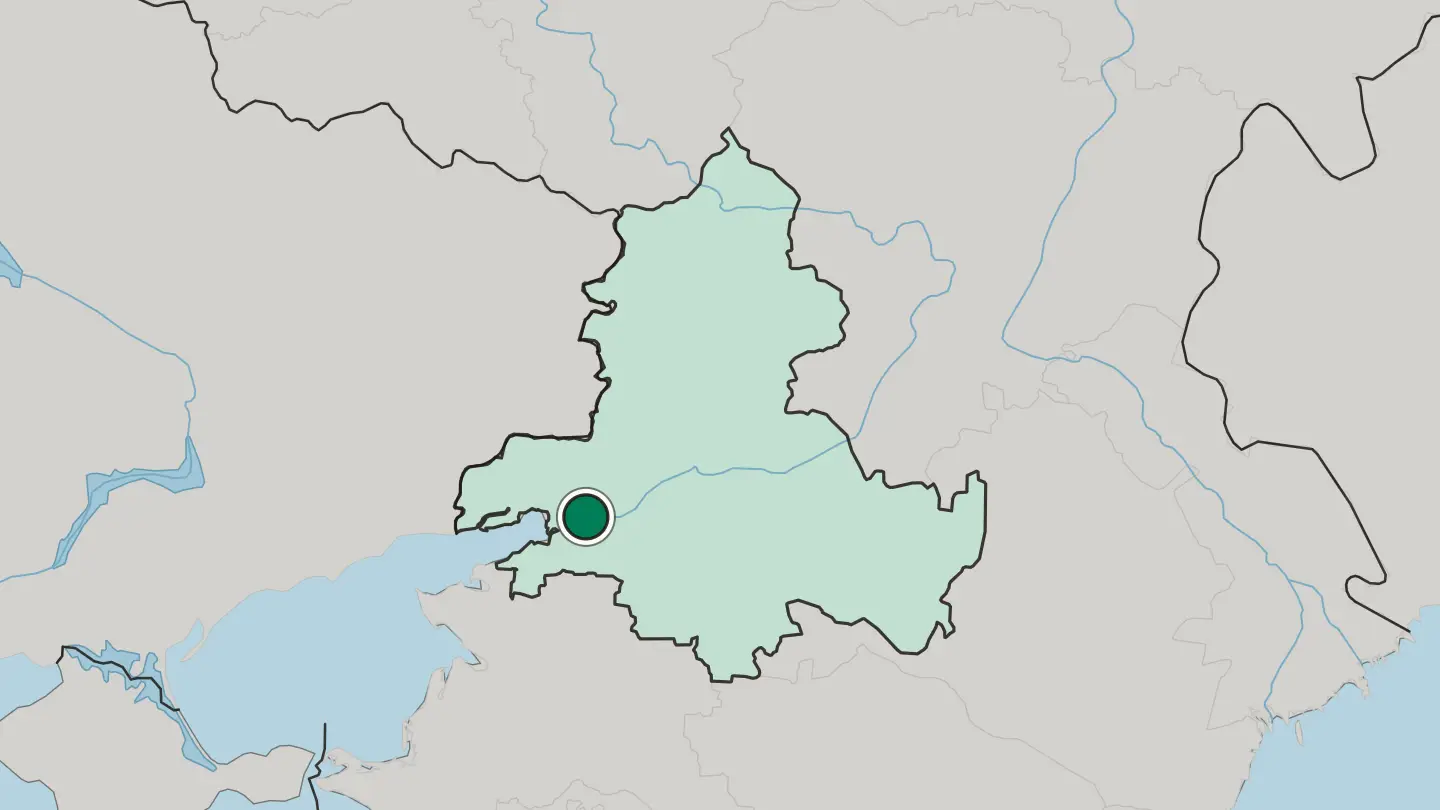
 Russia
Taganrog
Taganrog is a city in Rostov Oblast, founded in 1698 and known as the birthplace of Anton Chekhov and for the Alferaki Palace.Where to stay →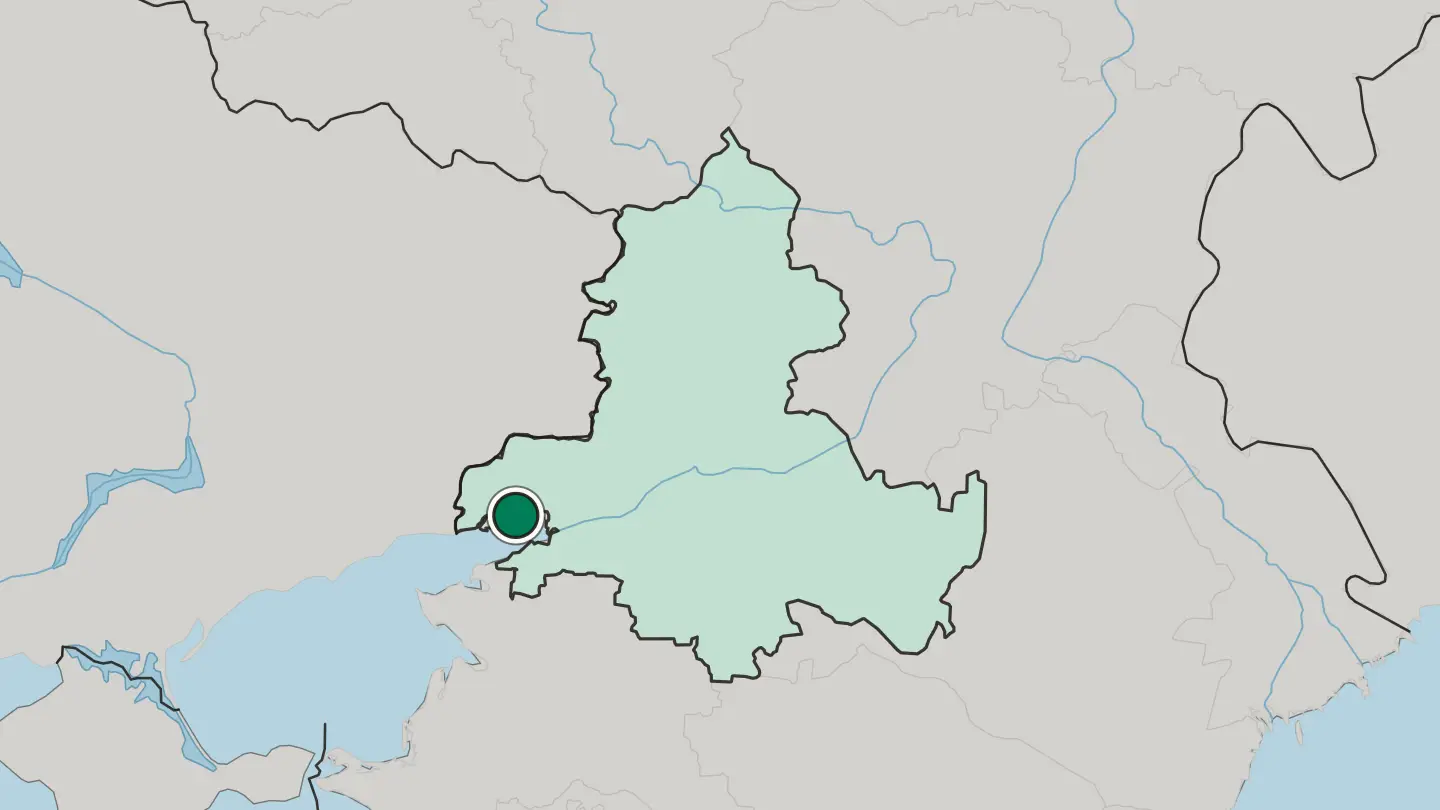
 Russia
Shakhty
Shakhty stands on the southeastern spur of the Donetsk Ridge in Rostov Oblast, a mining city founded in 1805 northeast of Rostov-on-Don.Where to stay →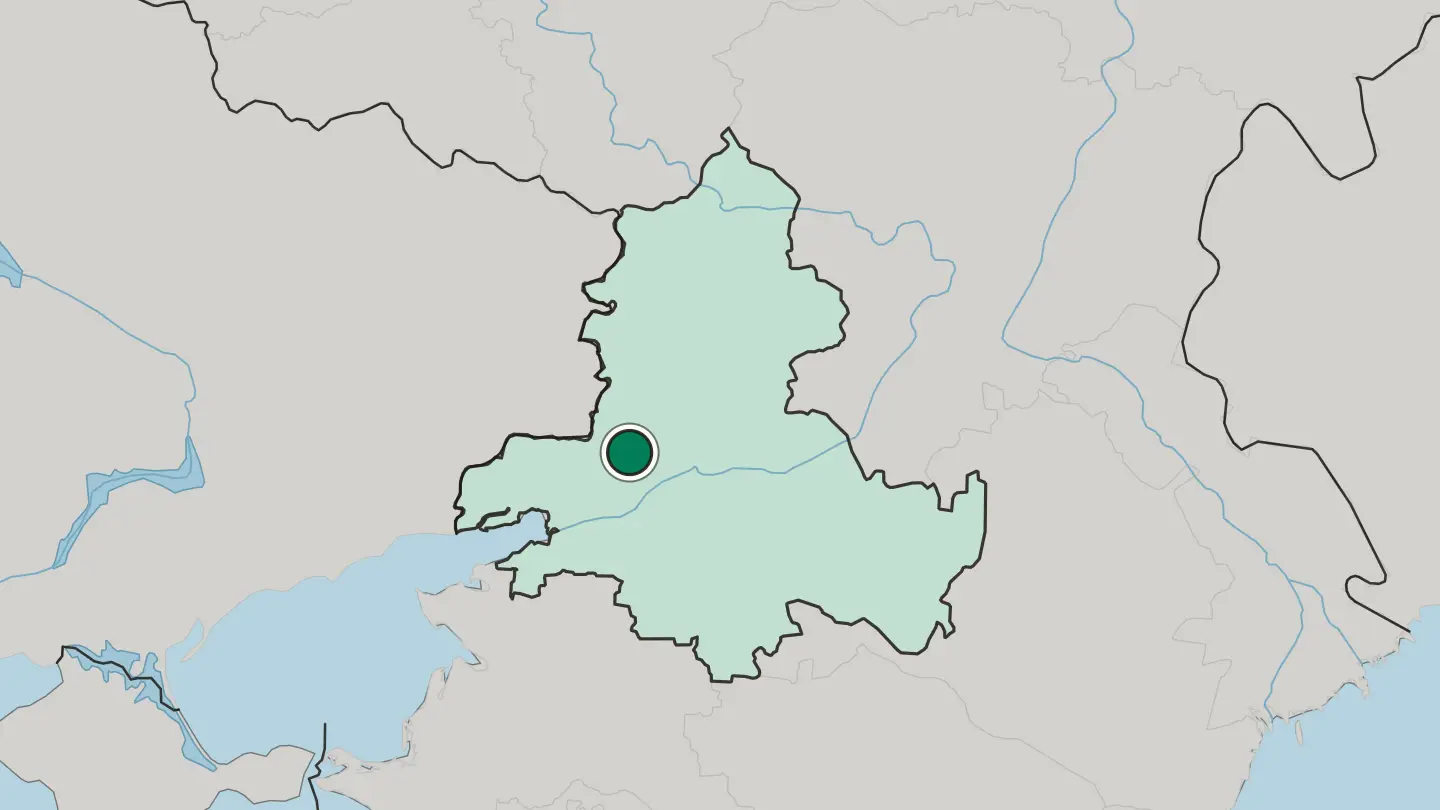 Russia
Volgodonsk
Founded in 1950, Volgodonsk lines the west bank of the Tsimlyansk Reservoir in the east of Rostov Oblast, Russia.Where to stay →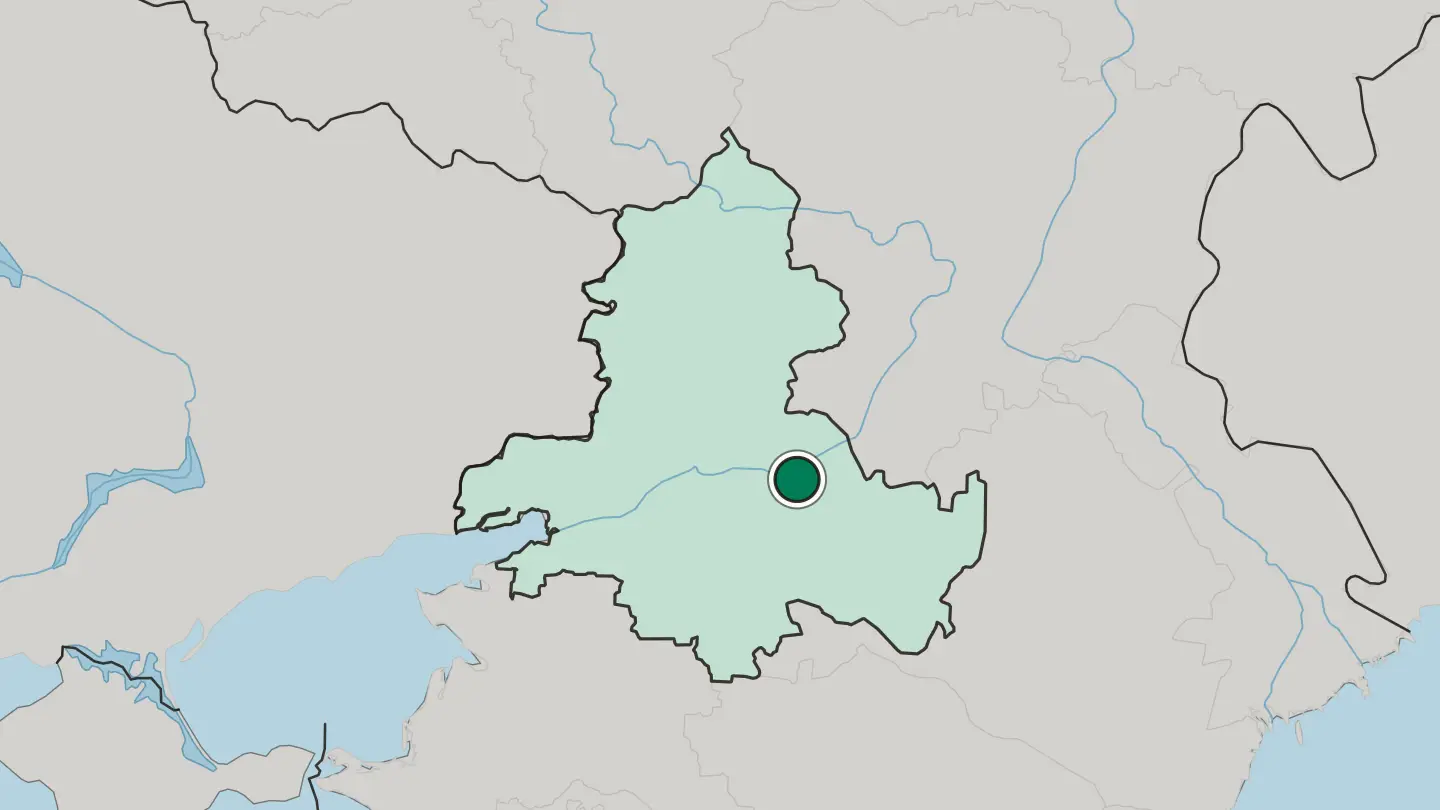
 Russia
Novocherkassk
Novocherkassk is a city in southern Russia, founded in 1805 as the capital of the Don Cossacks and crowned by the vast Novocherkassk Cathedral.Where to stay →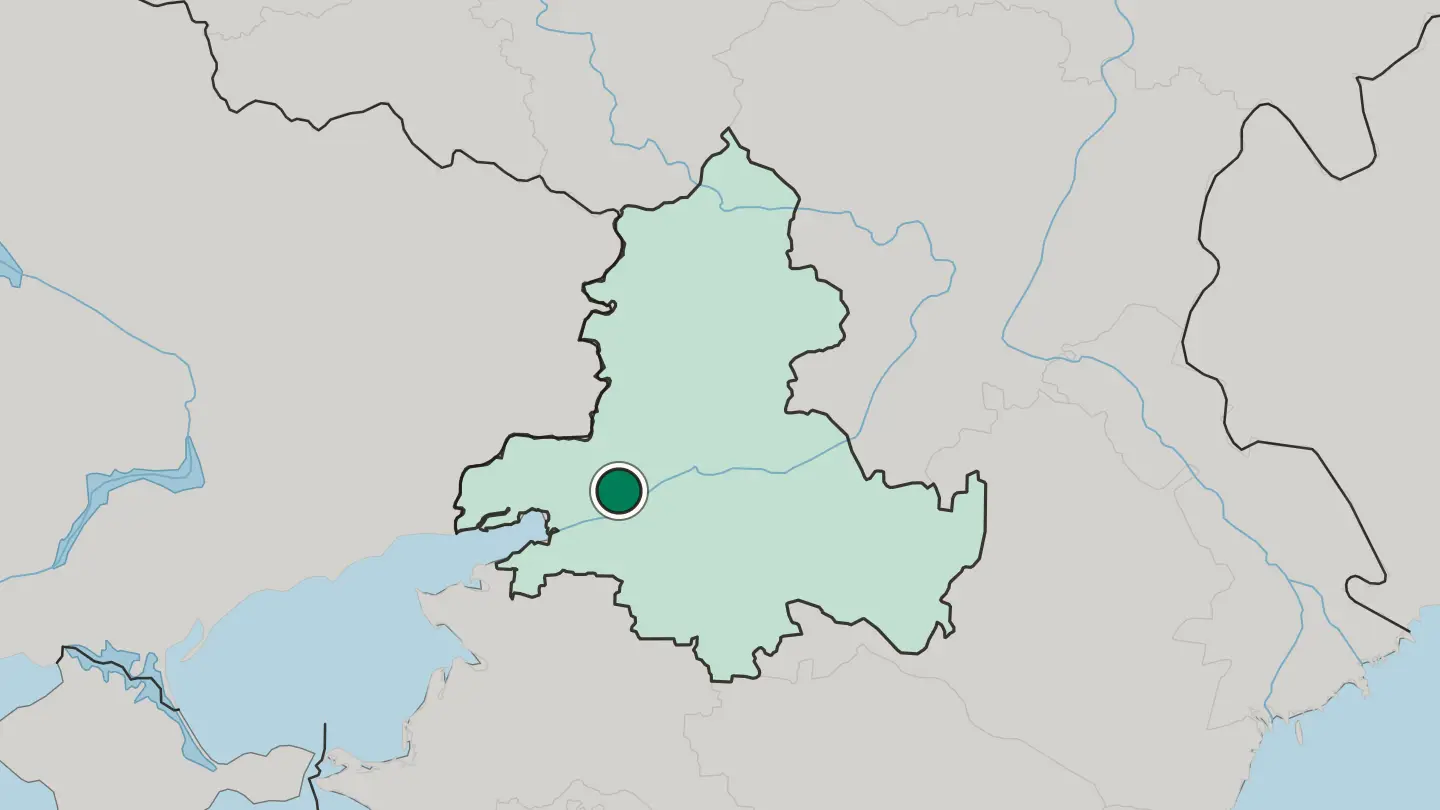
 Russia
Bataysk
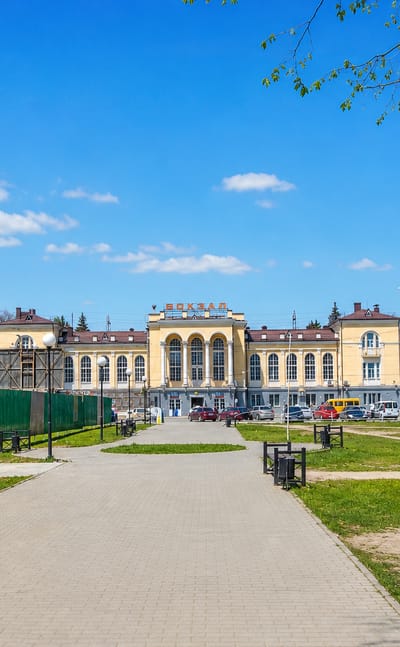
Bataysk is a Rostov Oblast town founded in 1769, 15 kilometres southwest of Rostov-on-Don, known for its steam-locomotive monument.Where to stay →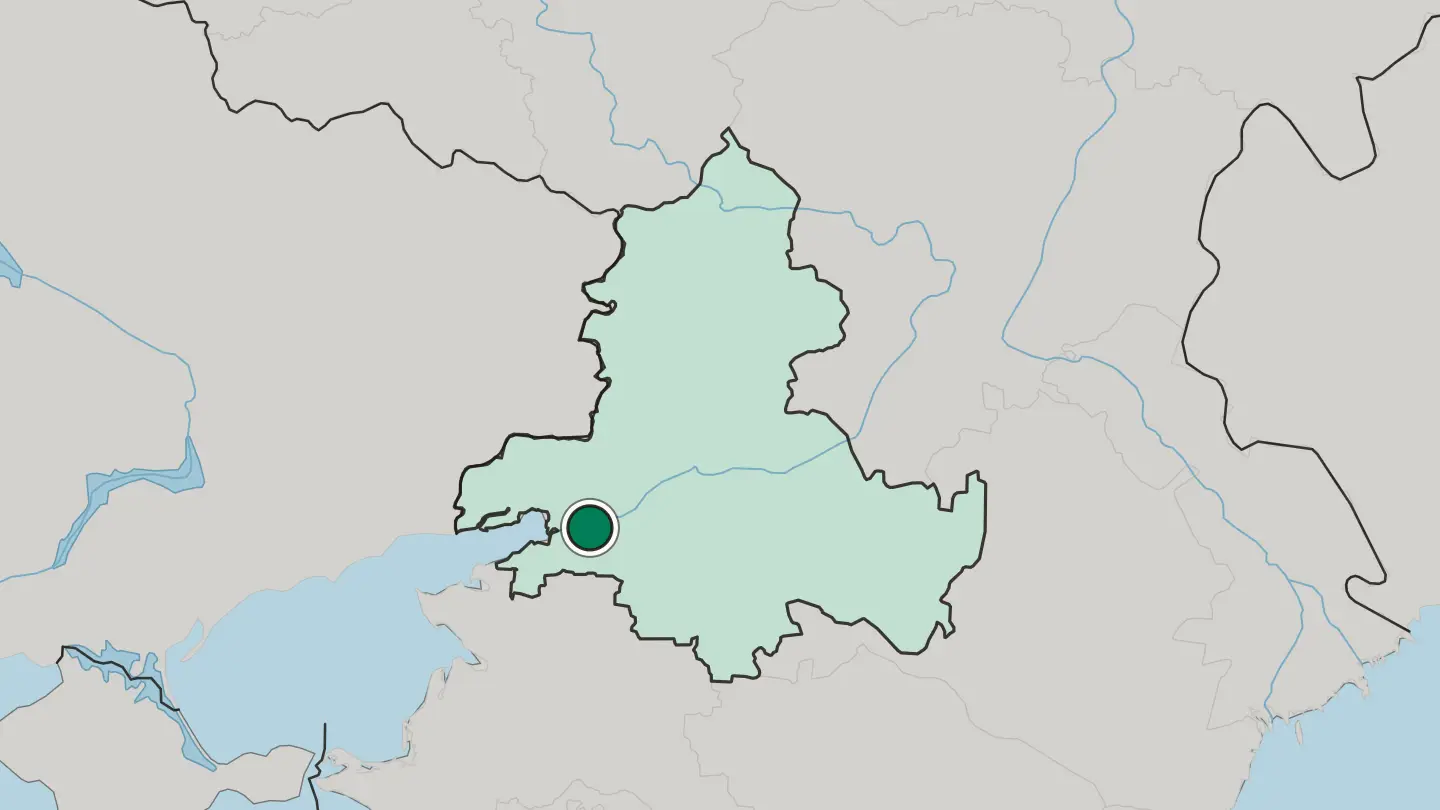 Russia
Novoshakhtinsk
Novoshakhtinsk is a mining city in Rostov Oblast, Russia, founded in 1936 and lying within twenty kilometres of the Dovzhansky crossing to Ukraine.Where to stay →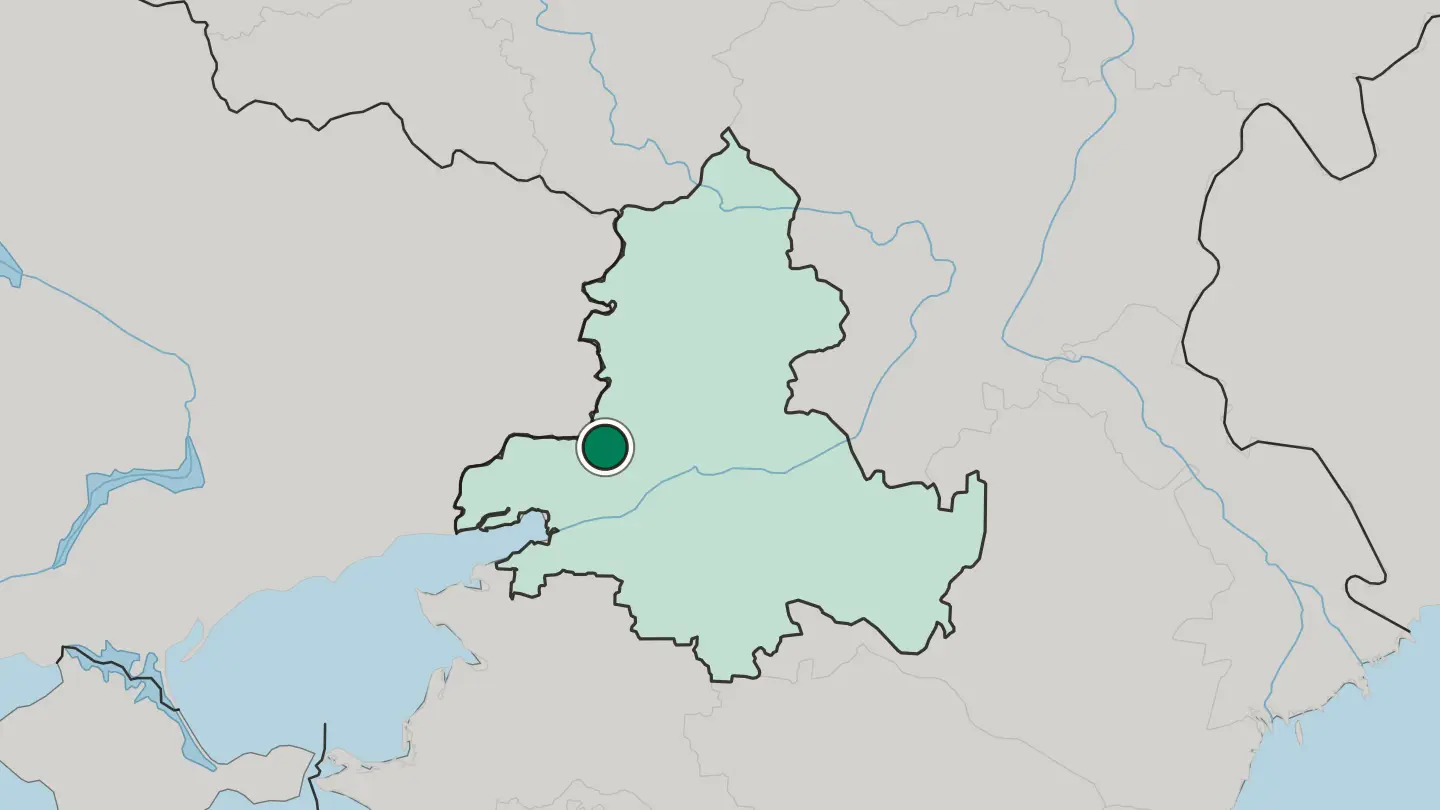 Russia
Azov
Azov is a Don River town of Rostov Oblast, known since 1067 and once called Azak, standing 16 kilometres from the Sea of Azov it named.Where to stay →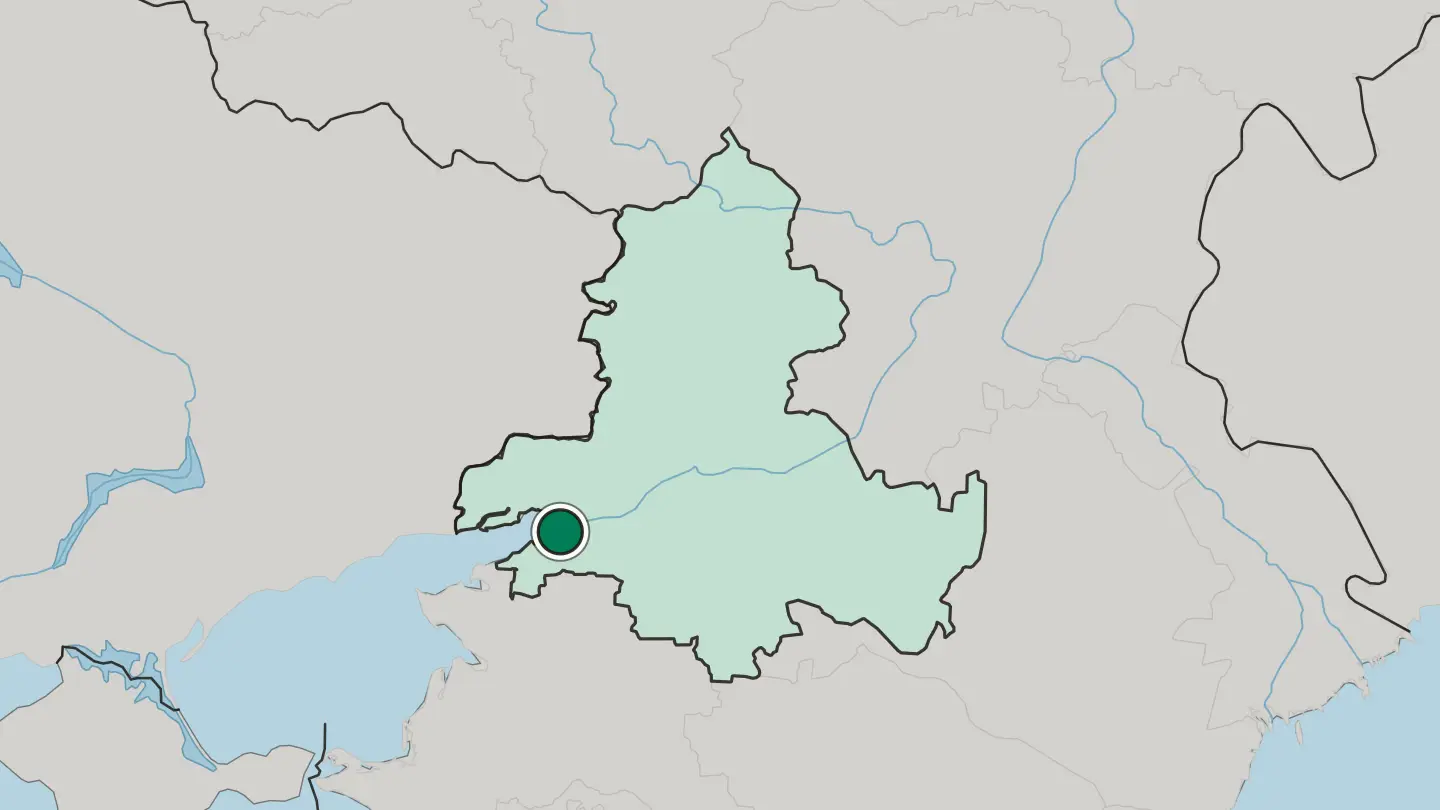
All towns & cities (11)
 Russia
Kamensk-Shakhtinsky
Kamensk-Shakhtinsky is a Rostov Oblast town founded in 1671 on the Seversky Donets River, recorded earlier under the name Каменская.Where to stay →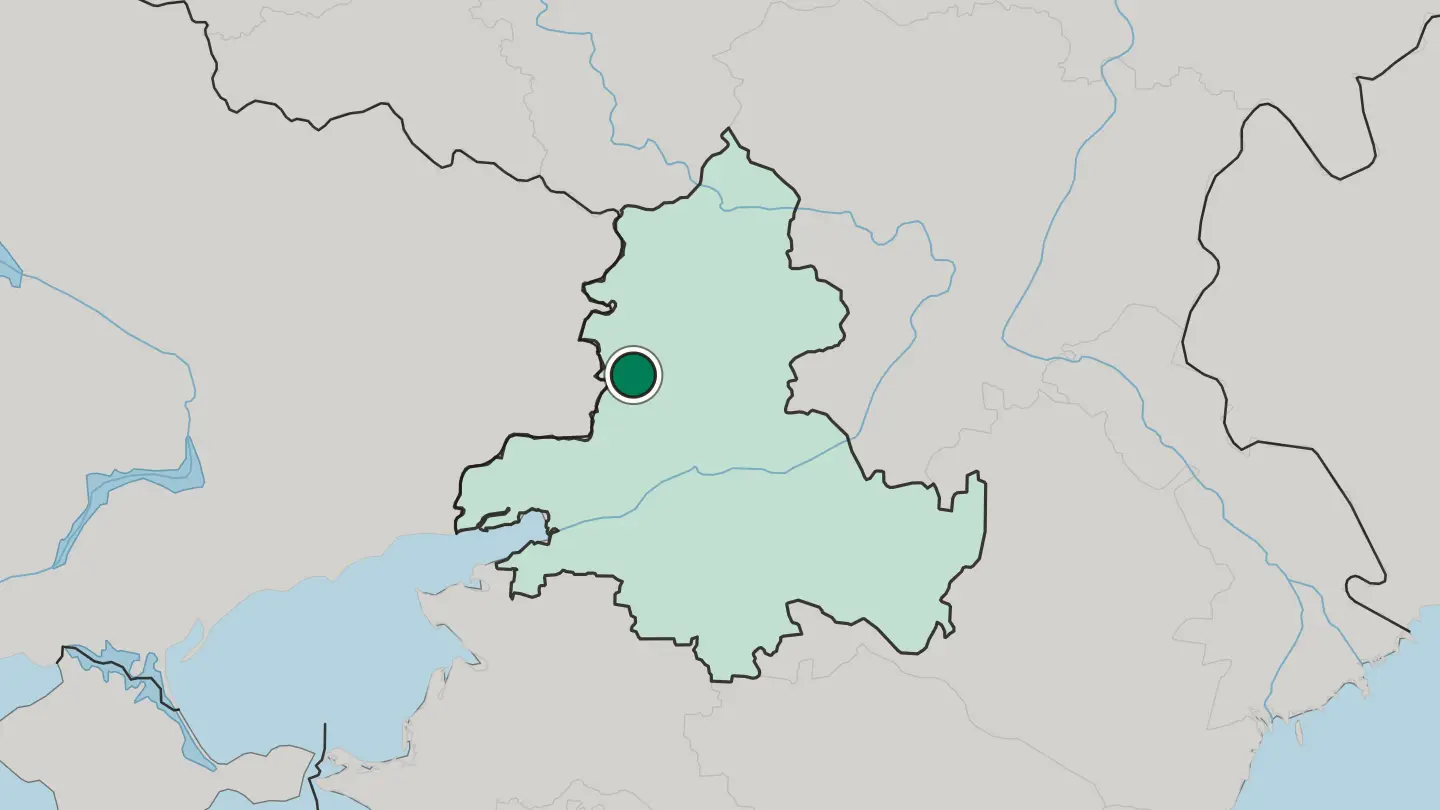
 Russia
Sal’sk
Sal'sk is a town on the Sredny Yegorlyk in Rostov Oblast, Russia, the administrative centre of Salsky District, founded in 1812.Where to stay →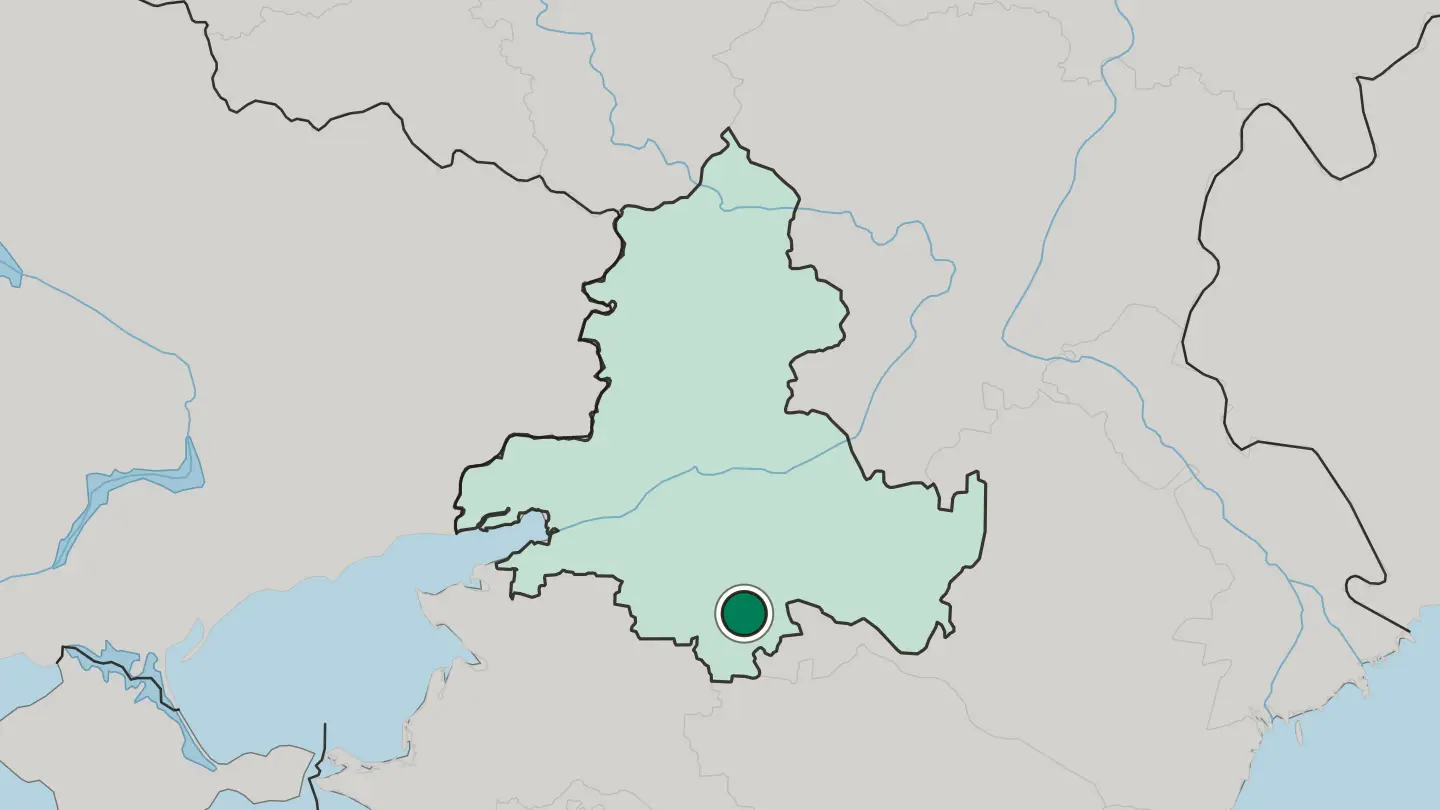
 Russia
Donetsk
Donetsk is a town in Rostov Oblast, Russia, standing on the Seversky Donets River on the border with Ukraine, founded in 1681.Where to stay →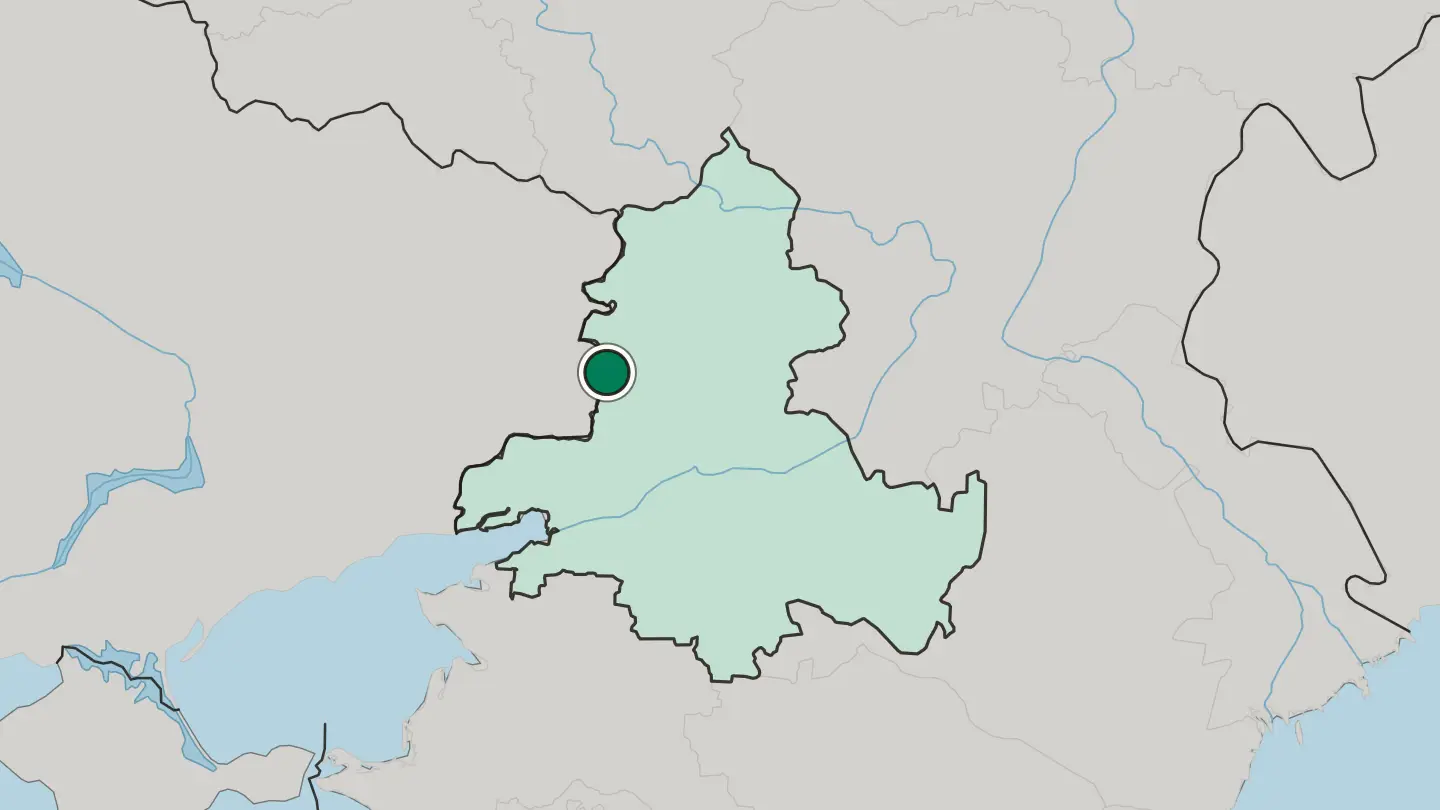
About Rostov Oblast
What is Rostov Oblast known for?
Rostov Oblast is known first as the administrative anchor of Southern Russia. Its seat, Rostov-on-Don, doubles as the centre of the Southern Federal District, giving the region outsized weight among the country's southern subjects. The oblast fills a broad wedge of country between the Ukrainian border in the northwest and the Caucasus krais of Krasnodar and Stavropol to the south.
Rivers of road and rail cross it. Voronezh, Volgograd, and Kalmykia ring its landward edges.
Where is Rostov Oblast?
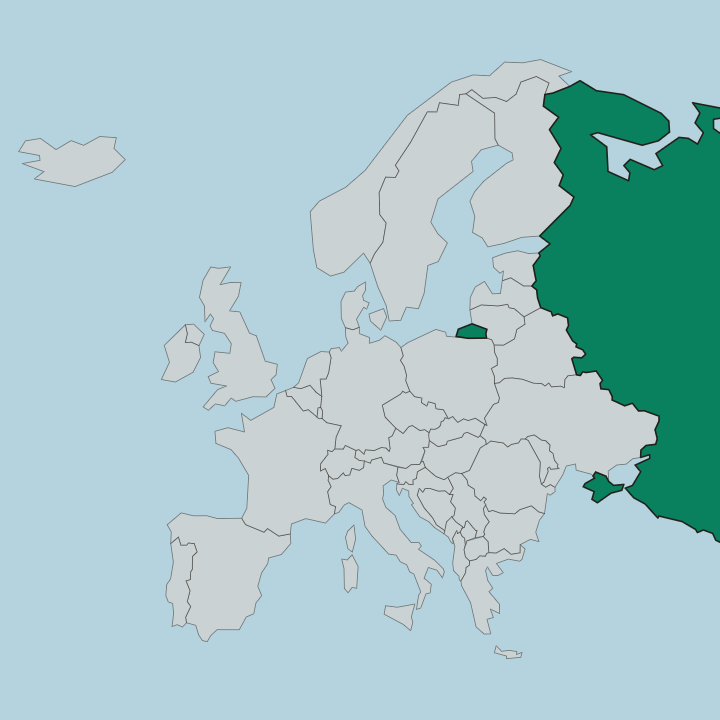
Rostov Oblast lies in Southern Russia, one of the federal subjects gathered into the Southern Federal District. The region is large. It ranks among the more extensive subjects of the whole federation, spreading broad and open across the southern country.
Six neighbours enclose it, five other federal subjects together with Ukraine. Its seat, Rostov-on-Don, stands toward the southwest, near where the land bends to meet the Caucasus. To the northwest runs the border with Ukraine, to the north lies Voronezh Oblast, and to the northeast the country gives way to Volgograd Oblast.
The southern and eastern edges complete the frame. Kalmykia bounds the oblast to the east. Krasnodar Krai meets it in the southwest, while Stavropol Krai runs along the south, both carrying the land on toward the Caucasus.
More than most subjects, the oblast is defined by its edges. Rostov-on-Don anchors the whole. The same city heads the Southern Federal District from here, drawing the region's routes and administration to one southwestern seat.
From that seat the oblast reaches outward across the temperate south, a hinge between the Russian interior, the Ukrainian border, and the Caucasus krais beyond.
What is Rostov Oblast like?
Rostov Oblast belongs to the culture of the Russian south rather than the northern interior. Its focus is Rostov-on-Don, the seat that also gathers the wider Southern Federal District, making the city the administrative and civic heart of the country's southern subjects. Russian is the language of the region.
Life here has long looked outward along the roads that thread the south, toward Ukraine in the northwest and the Caucasus krais of Krasnodar and Stavropol beyond the southern line. The oblast sits where the Russian heartland shades into the borderlands of the south. As an administrative unit the region is a modern creation, drawn in 1937, yet the country it governs is old settled ground.
Rostov-on-Don remains the point around which that identity turns. From it the oblast draws its weight among the southern subjects, a hub for the surrounding country of Voronezh, Volgograd, and Kalmykia. The mix of neighbours marks the place.
The region sits between the interior, Ukraine, and the Caucasus, and carries the character of a threshold, southern in outlook and joined by road and rail to every side.
What is the history of Rostov Oblast?
Rostov Oblast took its present administrative shape in 1937, when it was established as a federal subject in the south of the country. The land itself was long settled before that line was drawn. Its centre, Rostov-on-Don, grew into the leading city of the Russian south, and in 2002 it was made the seat of the Southern Federal District, the grouping that gathers the southern subjects under one administrative roof.
Region and city rose together.
What is the climate of Rostov Oblast?
Rostov Oblast has a temperate climate, set by its place in the Russian south. Summers run long and warm across the open southern country, while winters turn cold once the interior air settles in over the region for the season. The swing from warm summer to cold winter is sharp across Rostov Oblast.
Spring and autumn pass quickly between them, brief hinges on the year. Winters turn cold here. Being well south of the interior softens the deepest cold that lingers farther north.
How do you get to Rostov Oblast?
Rostov Oblast is reached above all through Rostov-on-Don, the region's transport hub in the southwest. Road and rail run down from the north through Voronezh Oblast, and carry on south toward Krasnodar and Stavropol krais and the Caucasus. Eastward routes link the oblast with Volgograd Oblast and Kalmykia.
Most travellers arrive at the centre first. From Rostov-on-Don the rest of the region opens up by road.
More regions in Russia
Updated September 2026