Russia · Tver Oblast
Where to Stay in Tver, Tver Oblast
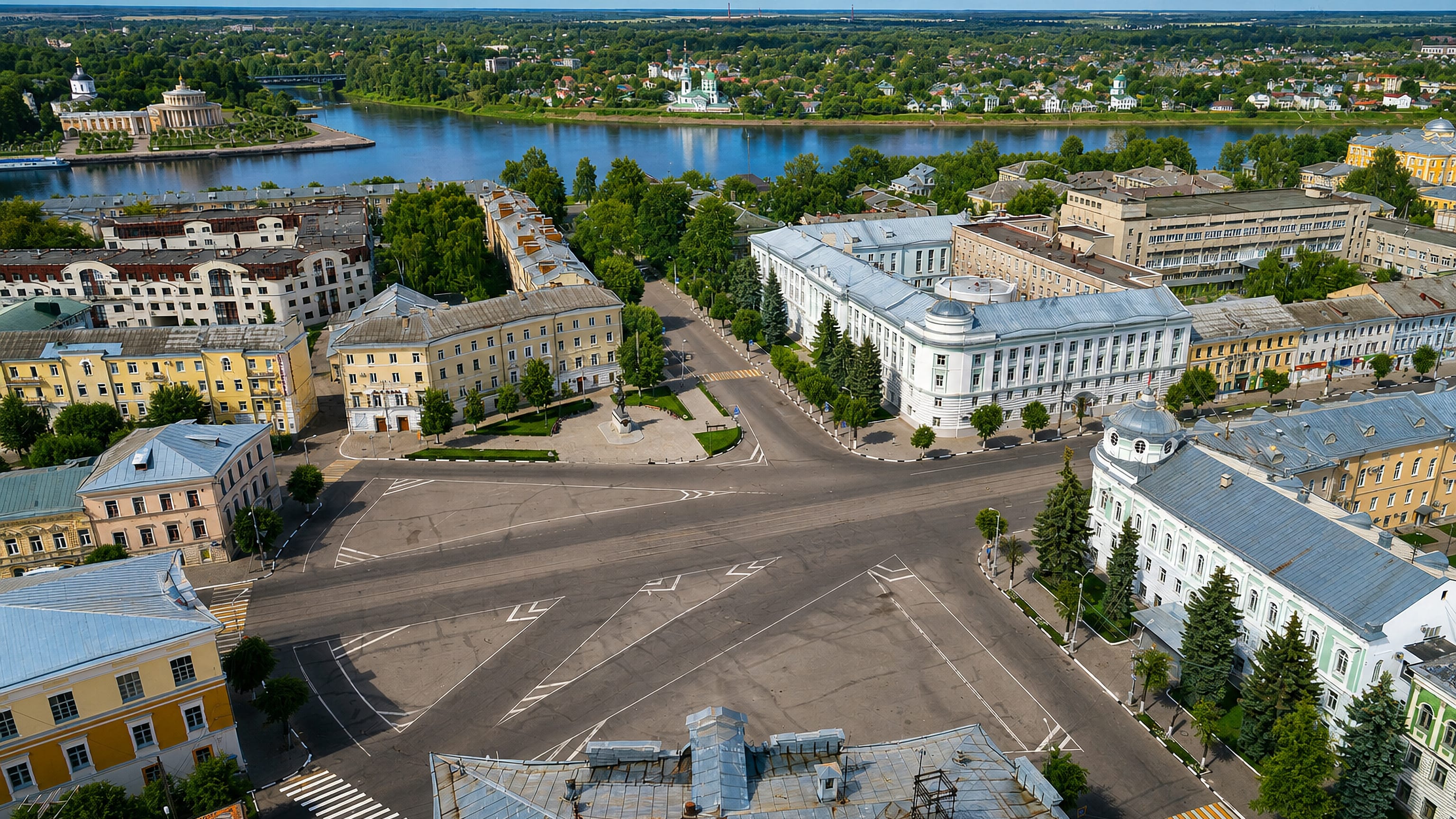
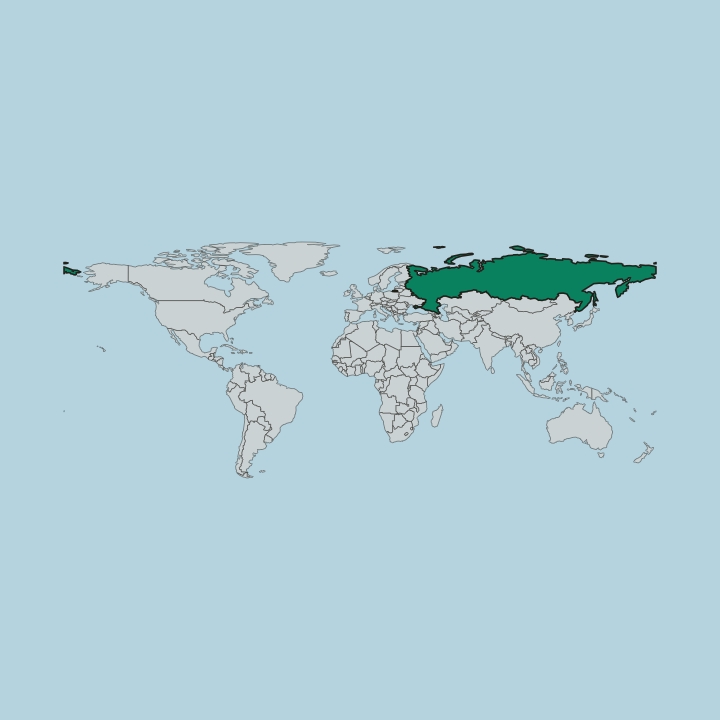
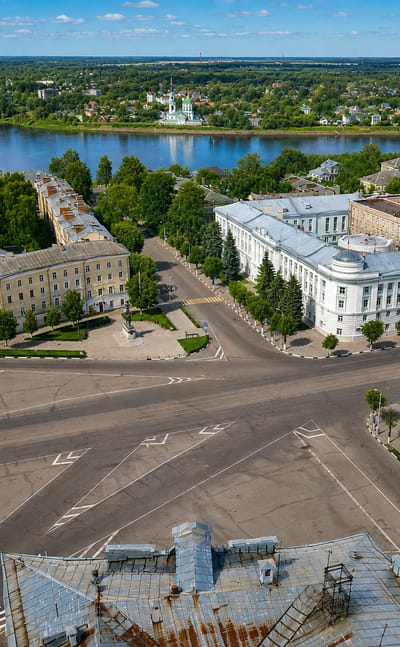
Where the Tvertsa joins the Volga, Tver spreads neoclassical quays northwest of Moscow, once the seat of a principality that rivalled the capital.
Find your area →


Where to stay in Tver
One neighbourhood here has its own guide — here's what it is best for.
 TverRussia
Migalovo
Migalovo is a microdistrict of the Proletarsky district of Tver, first named in a scribal survey of 1580 as a village of the Suzemye volost on the Volga.Where to stay →Things to do in Tver
Ranked by global recognition; descriptions from Wikidata (CC0).
Museums & Galleries
2- Museum of Tver Everyday Life Heritage
- Art Gallery of Tver
Churches & Religious Sites
8- Otroch Uspensky Monastery Heritage
- White Trinity Church Heritage
- Resurrection Cathedral in Tver Heritage
- Tver mosque Heritage
- Ascension Cathedral in Tver Heritage
Show 3 more →
- Resurrection Church in Tver Heritage
- Holy Trinity Church in Tver Heritage
- Church of Saint John the Baptist, Tver Heritage
Castles & Historic Sites
3- Travel Palace Heritage
- Afanasiy Nikitin Monument Heritage
- Golovinskaya column Heritage
Parks & Gardens
1- Botanical Garden of Tver State University Heritage
Landmarks & Notable Places
6- Morozovsky Gorodok in Tver Heritage
- Starovolzhsky Bridge Heritage
- Tver River Terminal Heritage
- Tver Heritage
- Novovolzhsky Bridge Heritage
Show 1 more →
- Mutuzov house, Tver Heritage
worth knowingacross 5 categories in Tver
About Tver
What is Tver known for?
Tver is known for its Volga waterfront and the ordered neoclassical streets laid out under Catherine the Great. The Travel Palace, built as an imperial stopover on the road between the capitals, is the grandest survivor and now houses the Art Gallery of Tver. Along the river, the Starovolzhsky Bridge and the Tver River Terminal frame the water, while the Afanasiy Nikitin Monument honours the merchant traveller born here.
Churches punctuate the plan. The White Trinity Church is the oldest building still standing.
What are the main landmarks in Tver?
Tver keeps its landmarks along the Volga. The Travel Palace, restored to hold the Art Gallery of Tver, is the finest of the neoclassical buildings raised under Catherine the Great, while the White Trinity Church survives as the oldest structure standing in the city. On the embankment stand the Afanasiy Nikitin Monument and the Tver River Terminal.
The Starovolzhsky Bridge and the Novovolzhsky Bridge span the river, and the red-brick Morozovsky Gorodok recalls the textile trade. The Museum of Tver Everyday Life tells the town's own story.
What is the history of Tver?
Tver rose on the Volga as a medieval power. First recorded in 1135, it grew at the confluence with the Tvertsa into the seat of the Tver Principality, which for a time rivalled Moscow for primacy among the Russian lands. That contest was lost, and the principality was absorbed, but the town endured as a river port and a stop on the road between Moscow and the north.
Fire and war took the medieval core. After a great blaze, Catherine the Great had the city rebuilt to a planned neoclassical scheme, and the Travel Palace was raised as an imperial resting place on the highway between the two capitals. The merchant Afanasiy Nikitin, born here, had already carried the town's name far to the south, and his monument now stands on the embankment.
Churches marked the centuries. The White Trinity Church survived as the oldest building, while the Morozovsky Gorodok later added a chapter of textile industry to the river town.
Where is Tver?
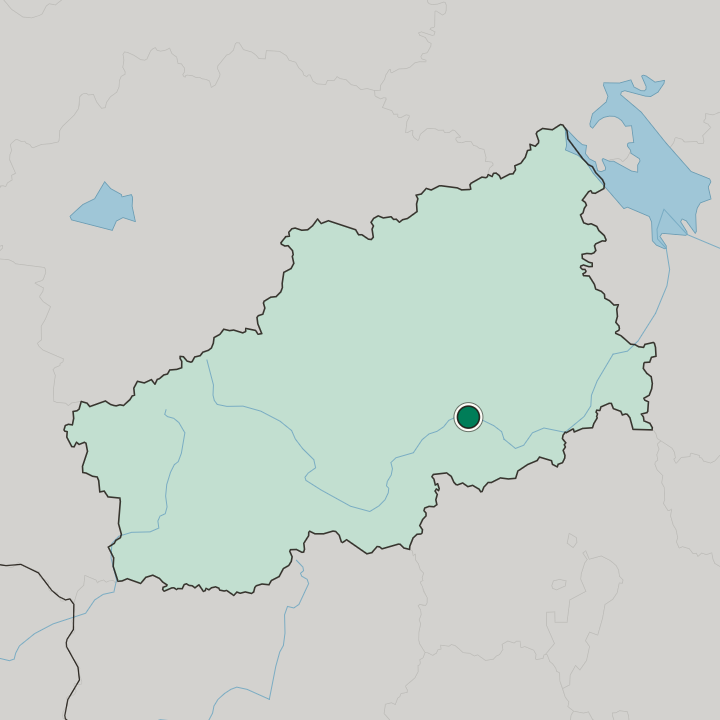
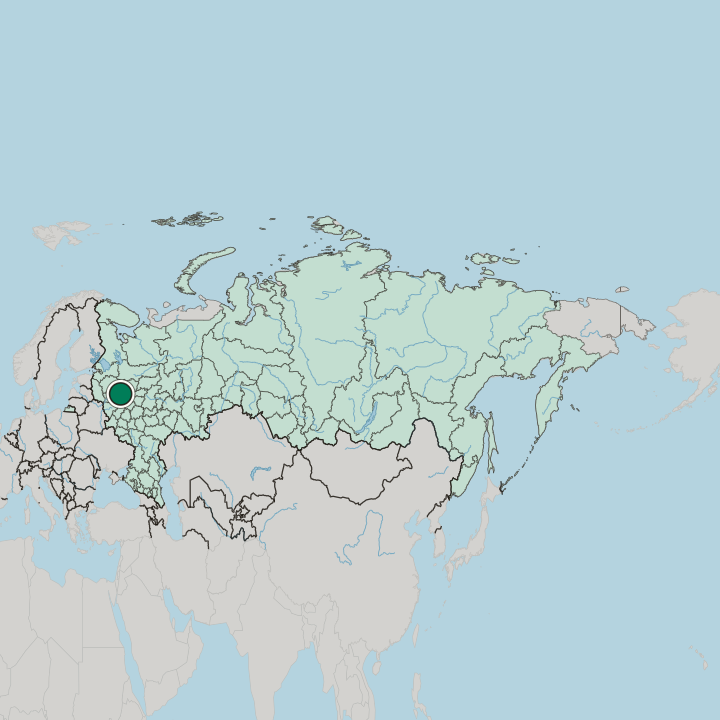
Tver stands at the confluence of the Volga and the Tvertsa, northwest of Moscow. The Volga divides the city, its embankments lined with the neoclassical frontages of the planned centre, and the smaller Tvertsa and Tmaka rivers thread in from either side. As the administrative centre of Tver Oblast, the town anchors a low, forested country of rivers and lakes on the upper Volga.
Bridges tie the two banks together over the main stream.
What is the climate of Tver?
Tver has a continental climate on the upper Volga. Winters are long and cold, with the river and the Tvertsa frozen and snow lying over the surrounding forests for months. Summers are short and mild, the season when the embankments and the botanical garden come alive.
Spring thaw swells the rivers. Autumn closes in quickly northwest of Moscow.
How do you get to Tver?
Tver sits on the main line between Moscow and Saint Petersburg, which makes the train the natural way in. Fast services stop at the station on their run along the Volga corridor, and long-distance roads follow the same route between the two capitals. The city has no major airport of its own, so most travellers arrive by rail.
Trains run often. From the station it is a short ride to the Volga embankment and the Travel Palace.
Good for
More cities in Tver Oblast
Updated October 2026