Russia · Voronezh Oblast
Where to Stay in Voronezh, Voronezh Oblast
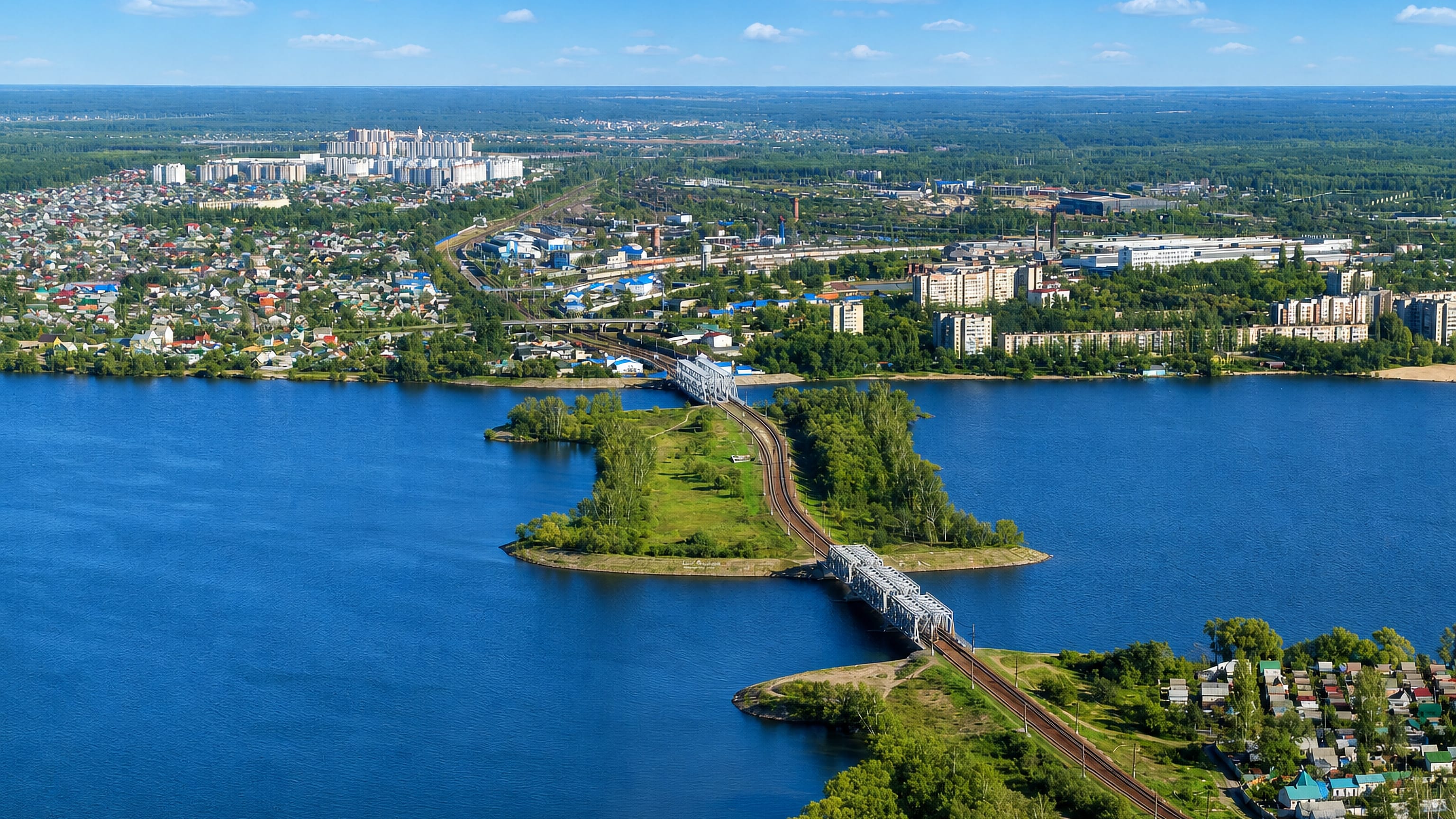
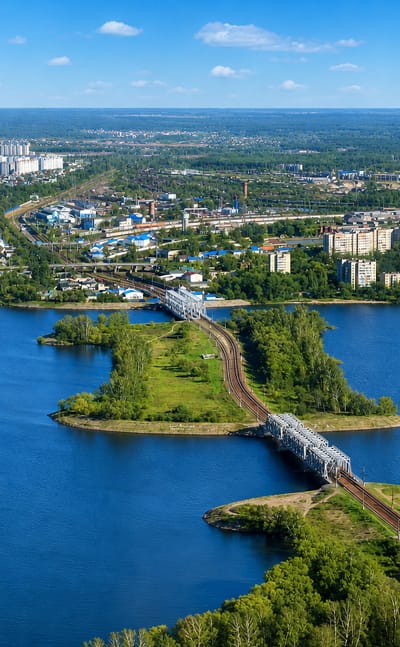
The Voronezh River curves through Voronezh, a river city in the Chernozemye black-earth country, known for Petrovskie korabli and the Kamenny Bridge.
Find your area →


Where to stay in Voronezh
Each area has its own feel; here's who each one suits.
 VoronezhRussia
Pridacha
Pridacha is a district of Voronezh on the left bank, its Church of the Nativity and the Pridachenskaya Levee among the oldest entries on its list.Where to stay →VoronezhRussiaSKhI
SKhI is a district of Voronezh built around the Voronezh State Agrarian University, whose teaching blocks and arboretum date from 1910.Where to stay →VoronezhRussiaVAI
VAI is a microdistrict of the Left Bank district of Voronezh, named after an aviation institute that was planned there and never built.Where to stay →VoronezhRussiaSeverny
Severny is a district of Voronezh marked by two monuments, the Monument to John of Kronstadt and the Monument to First Desant in USSR.Where to stay → VoronezhRussia
Otrozhka
Otrozhka is a railway quarter of Voronezh dating from 1700, its heritage list running from Комплекс станции Отрожка to a signal box.Where to stay →VoronezhRussiaTenistyy
Tenistyy is a district of Voronezh whose one recorded site, the Поселение в микрорайоне Тепличный, lies in its Тепличный quarter.Where to stay →VoronezhRussiaBorovoye
Borovoye is a former village on the left bank of the Usmanka, now part of Voronezh's Railway district, founded in the 1600s to guard the city.Where to stay →Things to do in Voronezh
Ranked by global recognition; descriptions from Wikidata (CC0).
Museums & Galleries
3- Дом-музей И. А. Бунина (Воронеж) Heritage
- Дом-музей А. Л. Дурова Heritage
- Nikitin Museum in Voronezh Heritage
Churches & Religious Sites
7- Admiralteyskaia Church Heritage
- Church of the Protection of the Theotokos Heritage
- Воронежская синагога Heritage
- Church of the Nativity in Pridacha Heritage
- Church of the Dormition in Voronezh Heritage
Show 2 more →
- Holy Trinity Church Heritage
- Saint Pantaleon's Church, Voronezh, Pridacha Heritage
Castles & Historic Sites
8- Monuments to Bim in Voronezh Heritage
- Памятник Славы (Воронеж) Heritage
- Monument to Koltsov in Koltsovsky Garden Square Heritage
- Chernyakhovsky Monument in Voronezh Heritage
- Памятник И. А. Бунину (Воронеж) Heritage
Show 3 more →
- Памятник К. Д. Глинке Heritage
- Бюст И.Ф. Артамонова Heritage
- Поселение в микрорайоне Тепличный Heritage
Nature & Outdoors
2- Pridachenskaya Levee Heritage
- Voronezhsky tsentralny park
Landmarks & Notable Places
8- Voronezh State Agrarian University Heritage
- Kamenny Bridge Heritage
- Headquarters of South Eastern Railway Heritage
- Voronezh Philharmonic Hall Heritage
- Arboretum of VSFTU Heritage
Show 3 more →
- Здание гостиницы Д. Г. Самофалова «Центральная» Heritage
- Plekhanovskaya Street 3, Voronezh Heritage
- House of Book Heritage
worth knowingacross 5 categories in Voronezh
About Voronezh
What is Voronezh known for?
Voronezh is known as the birthplace of the Russian navy and a hub of the Chernozemye black-earth region. Ships were built here. It was on the Voronezh River that Peter I raised his first war fleet, a story the Petrovskie korabli monument still recalls, and the city grew into the administrative centre of Voronezh Oblast, gathering the theatres, museums, and old churches that make it the cultural heart of the black-earth country between Moscow and the steppe.
What are the main landmarks in Voronezh?
Voronezh gathers its landmarks along the high bank of the Voronezh River. Churches rise among them above the river. The Church of the Dormition looks out over the water where Peter I once built his fleet, the Admiralteyskaia Church and the Petrovskie korabli monument mark that naval past, and the Voronezh Regional Art Museum, the Voronezh Philharmonic Hall, and the Kamenny Bridge draw visitors through the old centre of this black-earth city on the Chernozemye plain.
What is the history of Voronezh?
Voronezh was founded in 1586 as a fortress on the frontier of the steppe. The wooden stockade guarded the southern edge of the Muscovite lands along the Voronezh River, holding the black-earth country against raids from the open grassland to the south through its early generations. Then the shipwrights came.
Peter I chose the river as the yard for his first war fleet, and the town became the cradle of the Russian navy. From that naval beginning Voronezh grew into a trading and railway city on the Chernozemye plain. The Southeastern Railway made it a junction linking the western lands with the Urals and the Caucasus, and the churches, mansions, and museums of the centre rose above the Voronezh River through the following centuries.
War scarred the city hard. Much of the old town was rebuilt after the Second World War, yet the Church of the Dormition and the Petrovskie korabli monument still tie the modern administrative centre of Voronezh Oblast to its fortress and shipyard past.
Where is Voronezh?
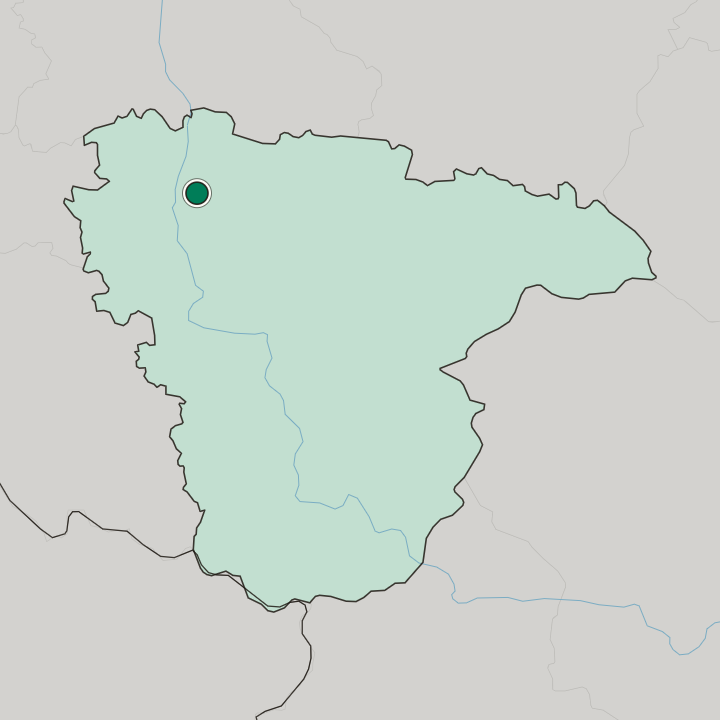
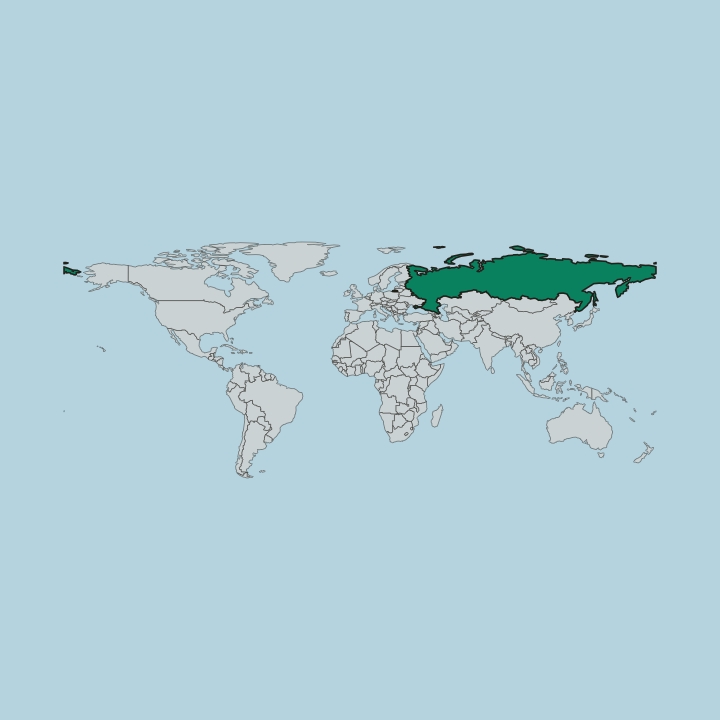
Voronezh straddles the Voronezh River a short way above where it joins the Don River, on the black-earth plain of Chernozemye. The old centre stands on the high right bank, with the newer districts spreading across the water and around the broad Voronezh reservoir below. Fertile soil surrounds it.
Open steppe and farmland roll away from the city in every direction, the dark chernozem earth of the region stretching between Moscow to the north and Rostov-on-Don down toward the south.
What is the climate of Voronezh?
Voronezh has a continental climate of cold winters and warm summers on the black-earth plain. Winters are long and snowy, with hard frosts settling over the Voronezh River and the surrounding steppe as cold air pushes across the open Chernozemye country. The warm months over Voronezh run hot and rain-starved.
Thunderstorms break the warm months. The long light of the season fills the parks and the riverbank of the city, the busiest weeks for walking the old centre above the water. Spring and autumn pass quickly between the extremes here.
How do you get to Voronezh?
Voronezh sits on the Southeastern Railway, a major junction of the black-earth country. Trains run from Moscow to the north and on toward Rostov-on-Don and the Caucasus, and the M4 highway passes the city on the same route between the capital and the southern coast. The station stands near the centre.
Buses gather beside the railway for routes across Voronezh Oblast, so most travellers arrive by train, bus, or road, the journey crossing the wide Chernozemye plain to reach the city on the Voronezh River.
Good for
More cities in Voronezh Oblast
Updated October 2026