Russia
Voronezh Oblast, Russia — Towns & Travel Guide
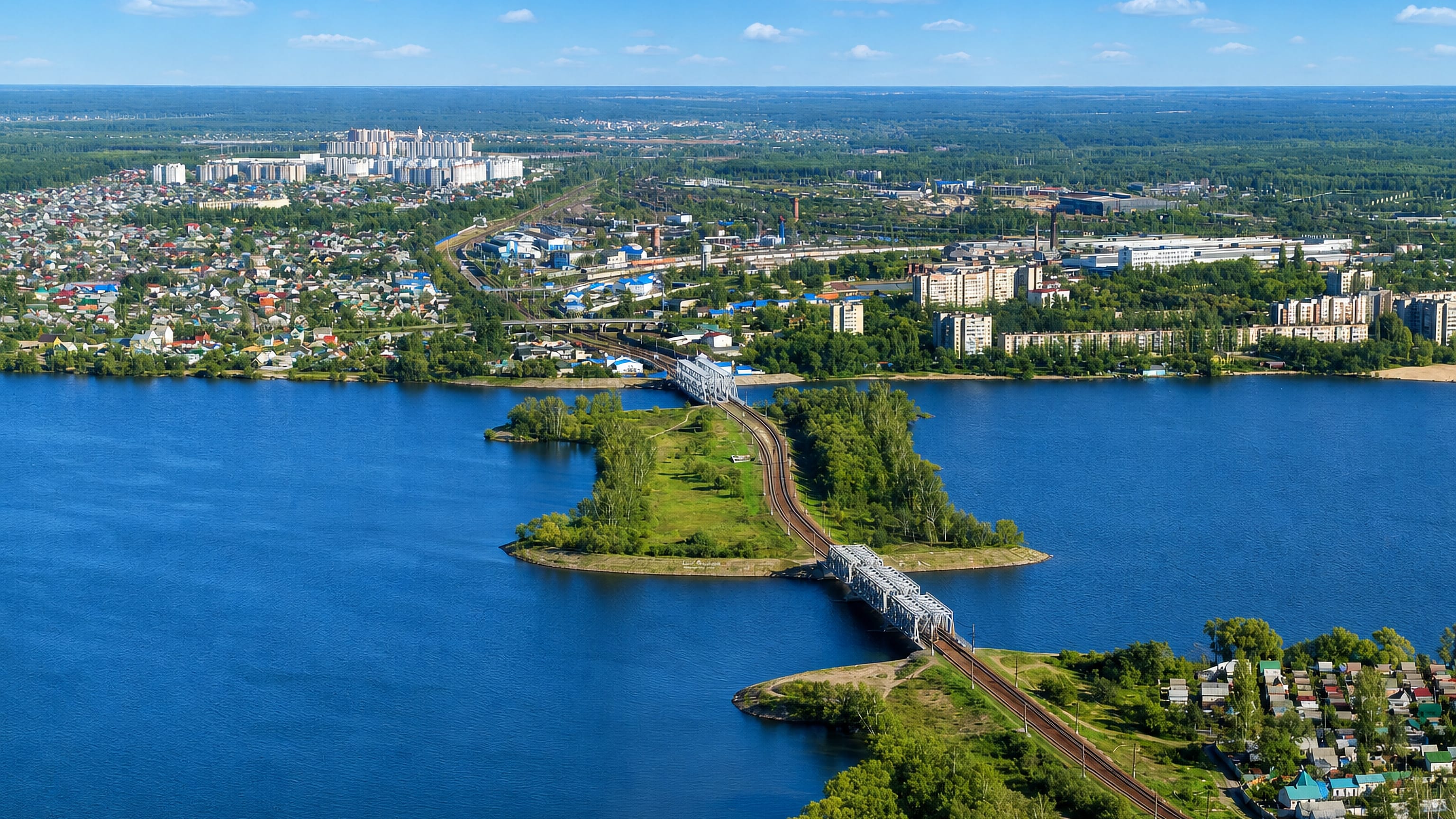
Voronezh Oblast is a black-earth region of central Russia where the Don River cuts through chalk and forest-steppe.
Find your area →


Towns & cities in Voronezh Oblast
Pick a town or city — each links to where to stay.
 Russia
Voronezh
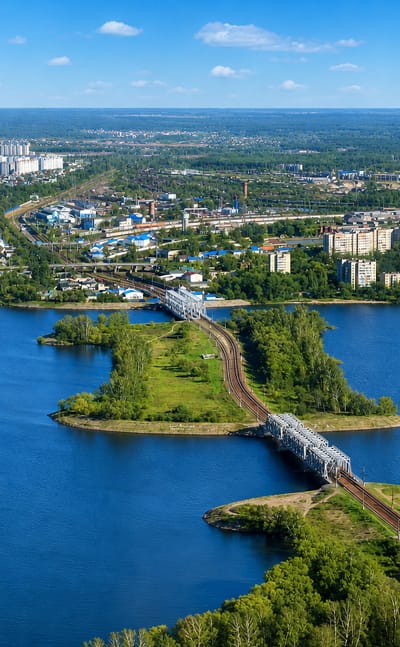
The Voronezh River curves through Voronezh, a river city in the Chernozemye black-earth country, known for Petrovskie korabli and the Kamenny Bridge.Where to stay →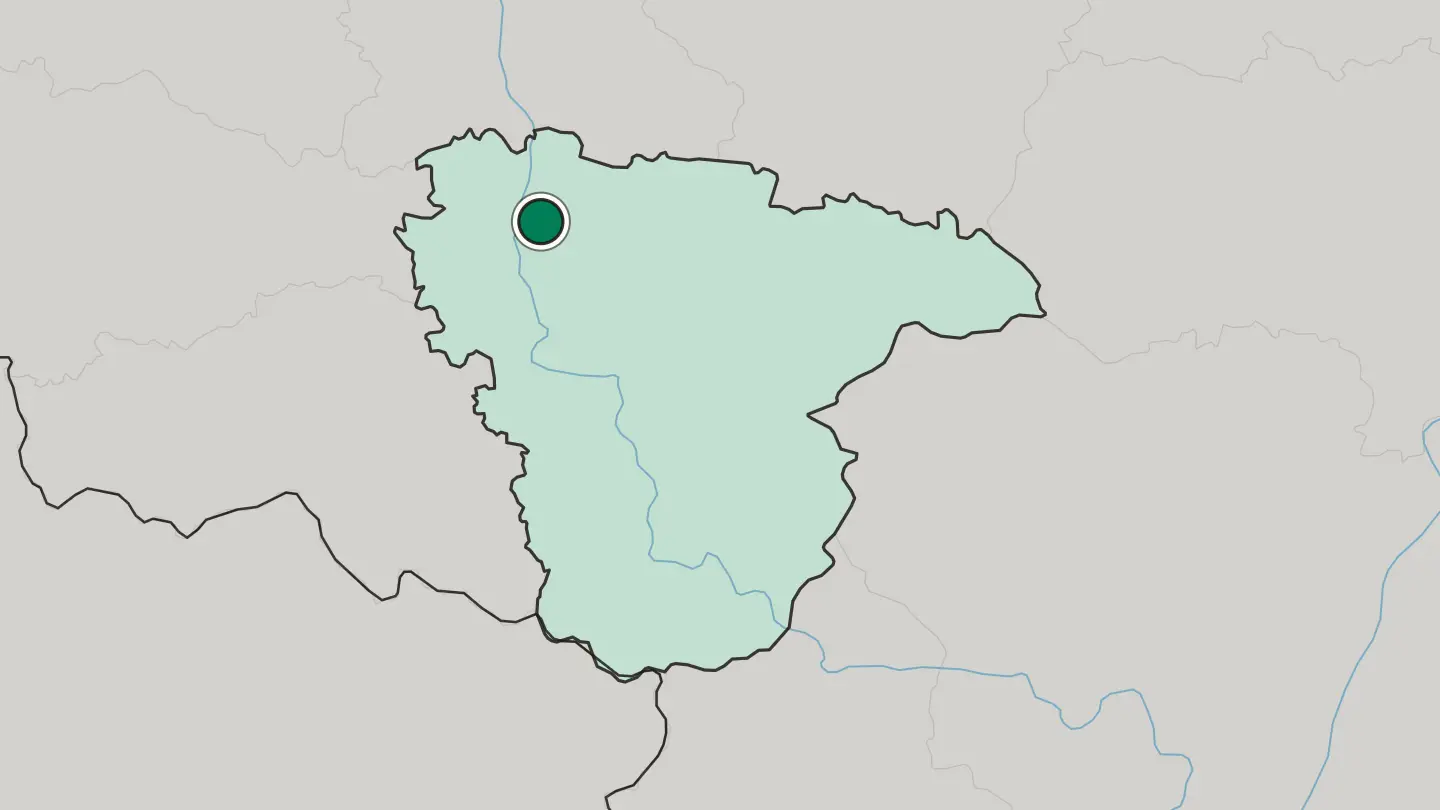 Russia
Borisoglebsk
Borisoglebsk is a Voronezh Oblast town on the left bank of the Vorona River, founded in 1698 near its meeting with the Khopyor.Where to stay →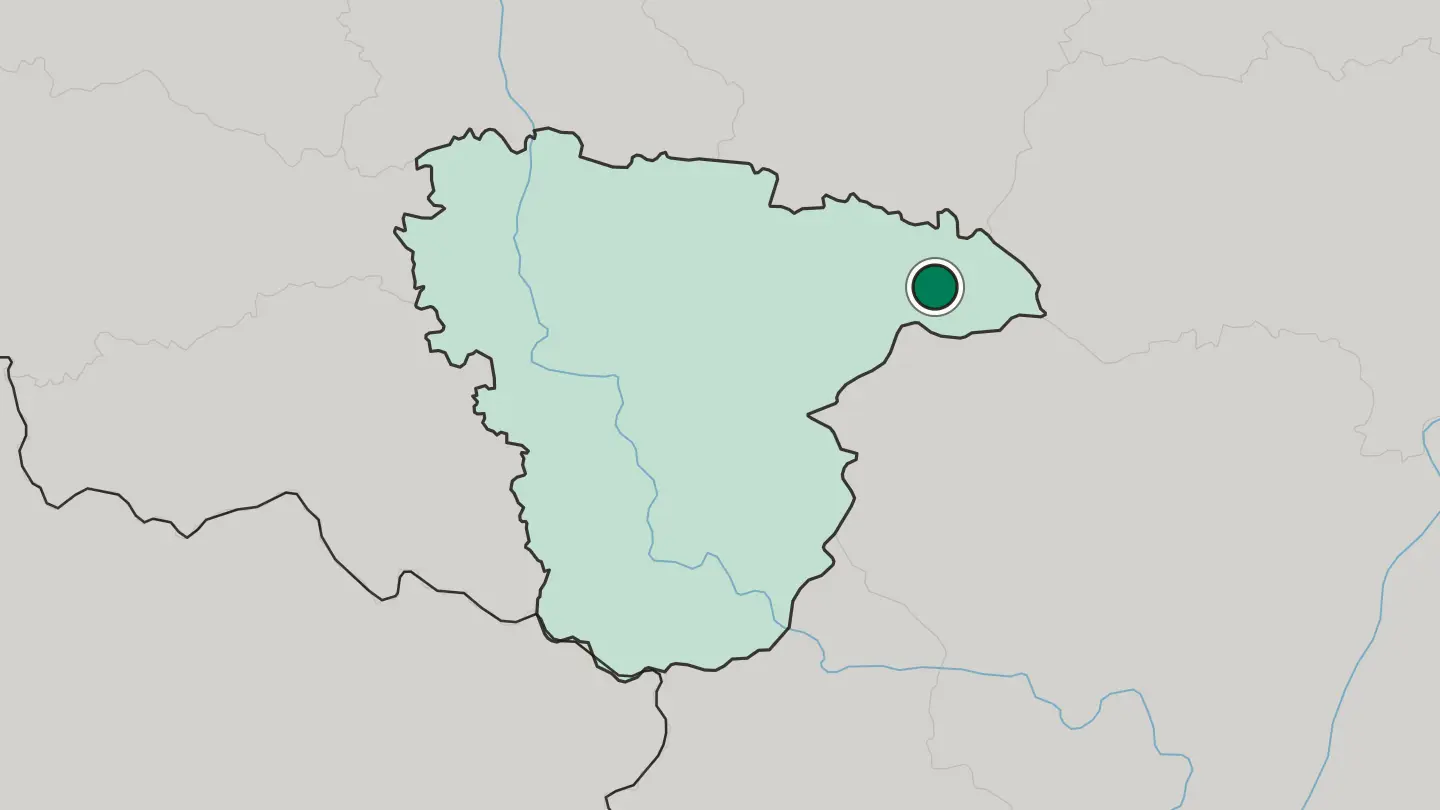
 Russia
Rossosh’
Rossosh' is the administrative centre of Rossoshansky District in Voronezh Oblast, its heritage list headed by the Церковь Александра Невского.Where to stay →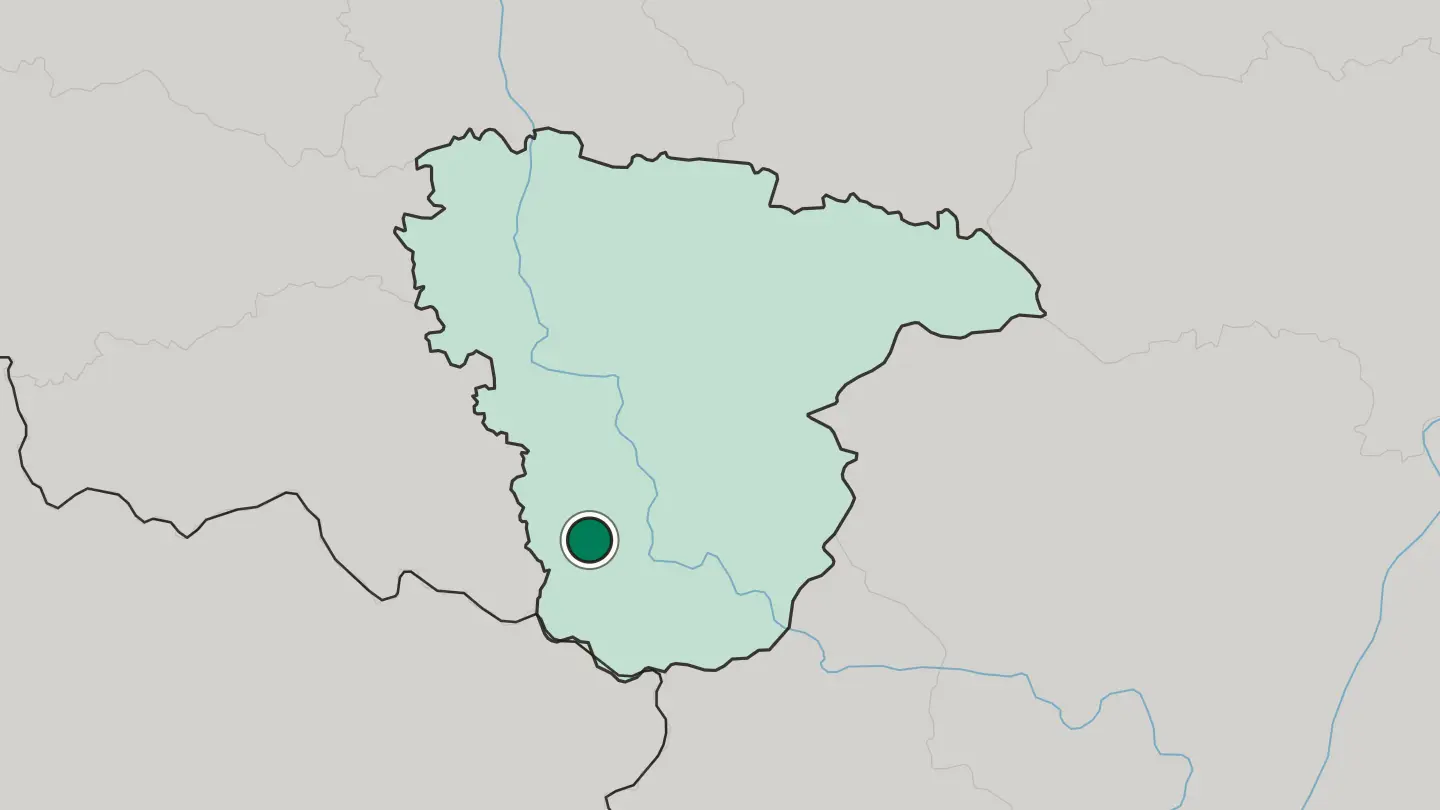 Russia
Liski
Liski is the administrative centre of Liskinsky District in Voronezh Oblast, a railway town on level ground below the hill of Shatrische.Where to stay →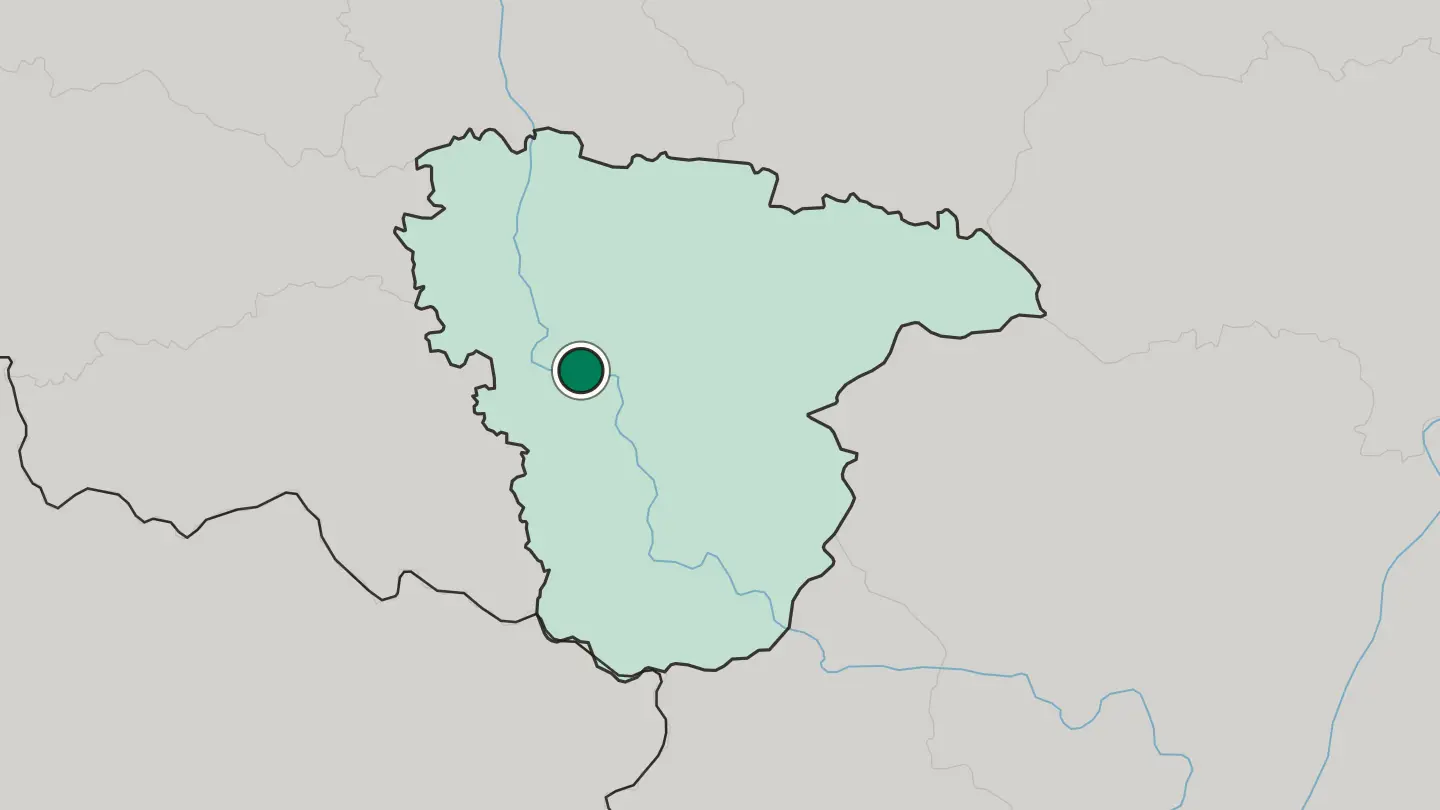
About Voronezh Oblast
This is chernozem country.
What is Voronezh Oblast known for?
Voronezh Oblast sits in the heart of Russia's Central Black Earth Region, and its dark, fertile soil made it one of the empire's great grain bowls. The Don River threads north to south through the middle of the oblast, and west of it the land climbs onto the Central Russian Upland, gashed by deep ravines and gullies. The city of Voronezh anchors the region, a millionaire city that Peter the Great turned into the cradle of the Russian navy.
Where is Voronezh Oblast?
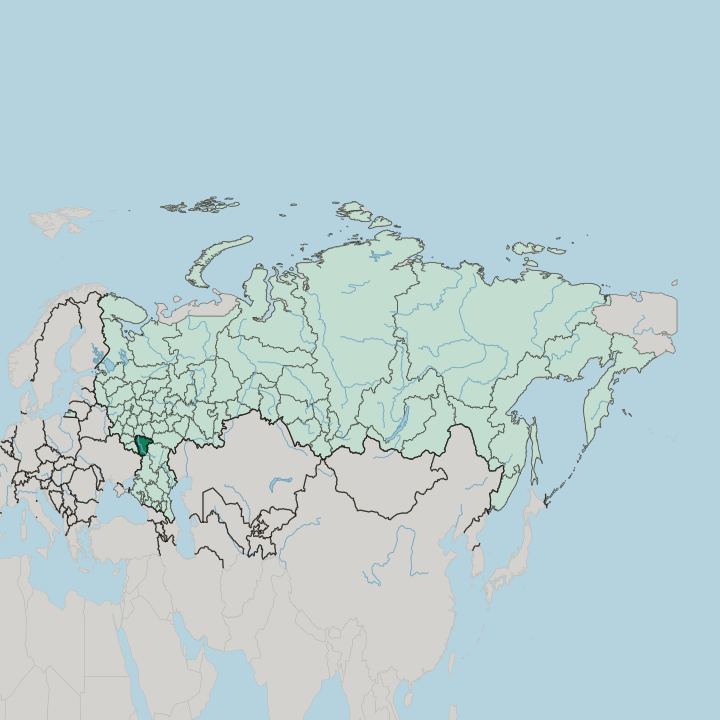
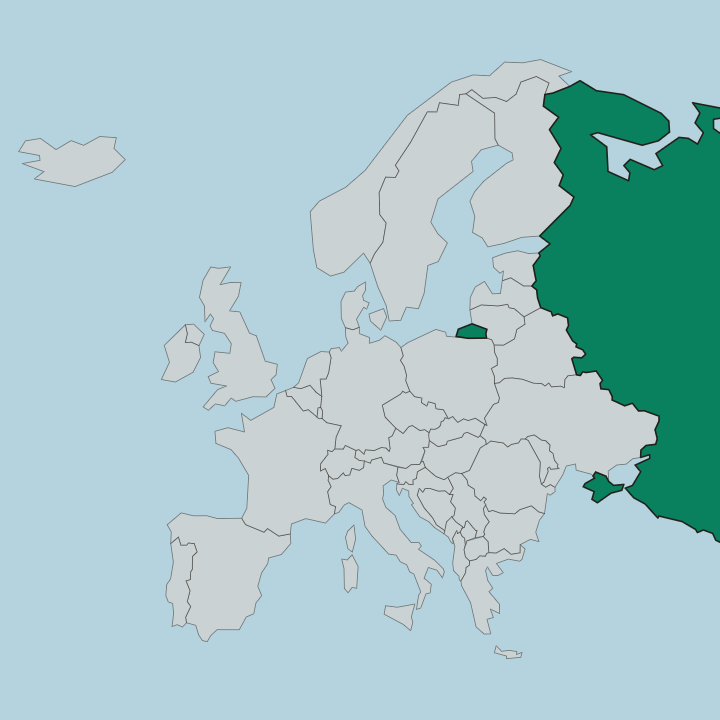
Voronezh Oblast lies in the central belt of European Russia, part of the Central Black Earth Region south of Moscow and north of the Rostov steppe. The Don River is the region's spine. It flows down the middle of the oblast from north to south, and only a stretch of its long course to the Sea of Azov crosses this ground.
That river splits the land in two. West of the Don the ground rises onto the Central Russian Upland, a plateau slashed by steep valleys, ravines and erosion gullies that give the western districts their broken, rumpled look. East and north-east the country flattens out into the level Oka-Don Plain, open and low.
The whole oblast sits in the forest-steppe zone, a transition band where patches of oak woodland break up the open grass steppe. Along the Don near Liski the ground shows its bones. White chalk outcrops rise into the free-standing pillars that gave Divnogorye its name, the local word for a wonder.
The capital, Voronezh, stands in the north of the region on the Voronezh River, a left tributary that joins the Don a short way downstream. Water and chalk shape everything here.
What is Voronezh Oblast like?
Voronezh calls itself the cradle of the Russian navy, and the claim shapes the whole region's sense of itself. Peter the Great built his first war fleet here on the Voronezh River in the 1690s, drawing shipwrights from Venice, Holland and England to a town of timber and iron, and for a few years the place was effectively the working capital of the state. That naval story still runs through the modern city.
A full-scale replica of the ship of the line Goto Predestinatsia sits moored in the centre, and Peter the Great turns up in monuments and street names across the oblast. The other side of the region's character is older and stranger. Along the Don, Orthodox monks carved churches, cells and whole sanctuaries straight into the soft white chalk.
The cave complexes at Kostomarovo and Divnogorye are the striking ones, chapels and pillars hollowed from the cliffs above the river. Faith and river run together here. Beyond the shipyards and the chalk, this is deeply agricultural land, a place of grain, sugar beet and sunflower fields rolling to the horizon over the richest soil in the country.
Russian is the everyday language, and the countryside keeps a strong Cossack thread from the old Don frontier. Voronezh is the cultural hub. Its university, theatres and museums pull much of the region's life into the capital, while the villages and river towns keep to the slower rhythm of the black-earth farms.
What is the history of Voronezh Oblast?
Voronezh began as a fortress. The town was founded in 1586 to guard the southern frontier of Muscovy against raids off the open steppe, part of a chain of defensive lines strung along the Don. Its great moment came a century later.
In the 1690s Peter the Great chose it to build the fleet for his campaigns against the Ottoman fortress of Azov, and shipwrights from across Europe were summoned to the timber town. The oblast in its present form is a Soviet creation, carved out on 13 June 1934 when the short-lived Central Black Earth Oblast, run from Voronezh, was split apart. War scarred it badly.
Fighting along the Don through 1942 and 1943 wrecked much of the capital before the front was finally pushed back west.
What is the climate of Voronezh Oblast?
The seasons pull far apart here. Voronezh Oblast has a temperate continental climate, and winters are cold and snowy, dropping well below freezing in January while snow lies for months across the steppe. Summers swing the other way.
July can push into real heat, and because the modest rain falls mostly in the warmer months, the open grassland dries and yellows by late summer before the first autumn storms. Away from the oak groves along the Don, the wind runs unbroken over the black-earth fields.
How do you get to Voronezh Oblast?
Most travellers come from Moscow. Voronezh sits on the main road and rail corridor running south from the capital toward Rostov and the Black Sea coast, so the fast trains and the M-4 Don highway both pass straight through. Voronezh International Airport, north of the city, handles the region's flights.
Inside the oblast, the railway junction at Liski is the key link for reaching the Don valley and the Divnogorye chalk, with local trains changing there for the plateau.
Common questions
What is the best area to stay in Voronezh Oblast?
Voronezh: a base for the whole black-earth region. Liski: reaching Divnogorye by train. Rossosh: a stop in the southern oblast.
More regions in Russia
Updated September 2026