Sweden · Västmanland County
Where to Stay in Västerås, Västmanland County
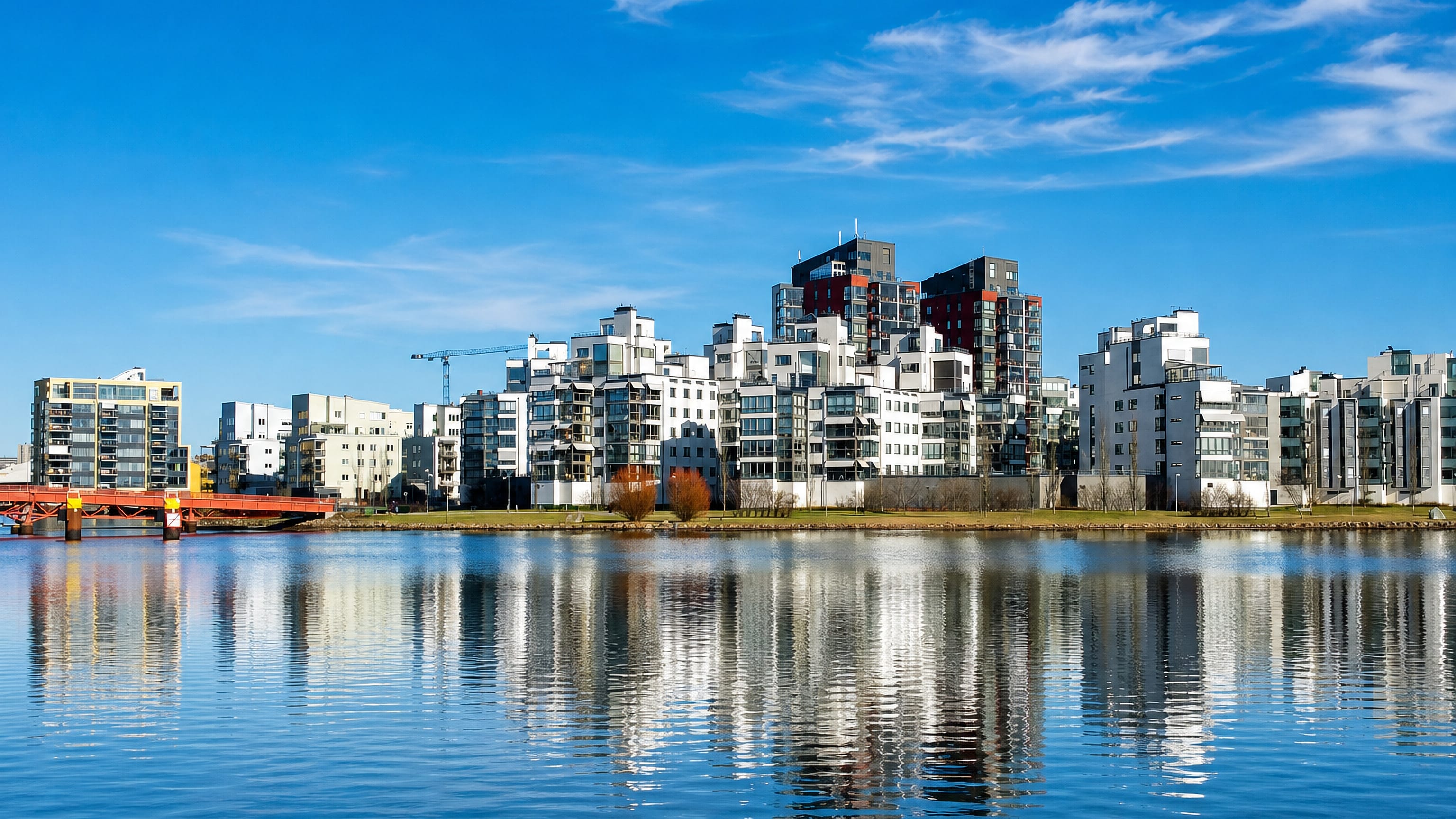
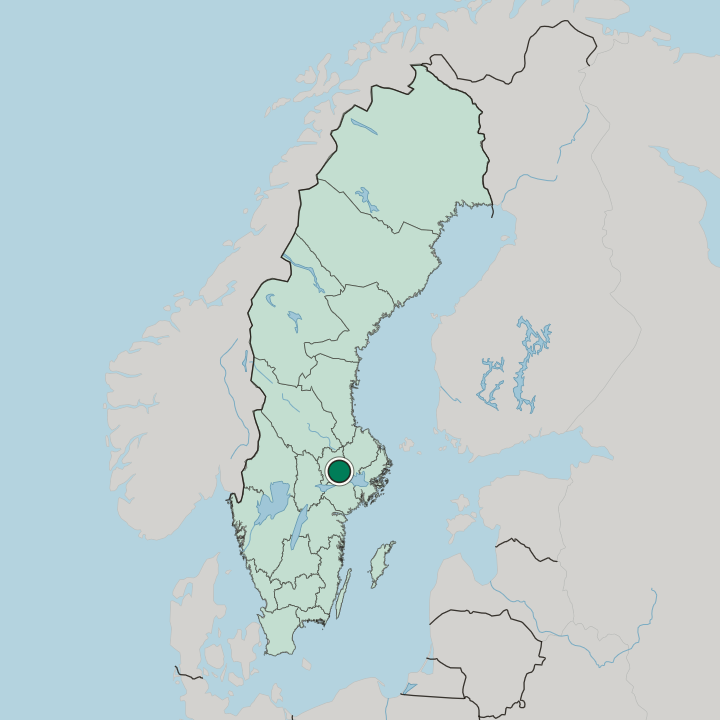
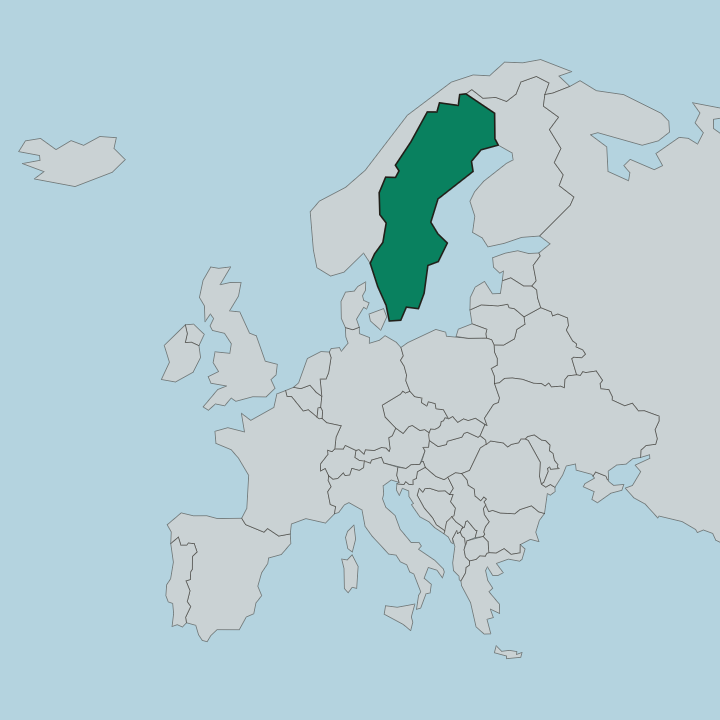
Västerås is the county seat of Västmanland County, where the Svartån river meets Lake Mälaren in eastern Sweden.
Hotel links are affiliate links: booking through them may earn us a commission, at no extra cost to you. It never affects how places are ranked. How this works


Where to stay in Västerås
How the choice of base plays out on the ground.
Most beds sit in Centrum, the compact grid around the cathedral and the main square. Stay here if you want to walk to restaurants, the train station, and the Svartån promenade without ever taking a bus. Hotels run from business chains to smaller guesthouses inside older stone buildings, and the central location keeps the art museum and the cathedral within a few minutes on foot.
South of the centre, Öster Mälarstrand lines the lakeshore with newer apartments and a marina; choose it if waking near the water and a morning run along Mälaren matter more to you than nightlife. Families heading for Vallby friluftsmuseum or the western sports grounds sometimes base themselves out toward Rocklunda, quieter and greener, though you trade easy walking for a short ride into town. Reserve ahead for the summer months.
Boating events and conferences fill rooms fast, so a riverside room secured weeks ahead beats scrambling for whatever is left when the harbour is busy. Each base makes a trade. The centre puts errands on foot, the shore puts you by the lake, and the western edge gives families room to spread out.
Find hotels in Västerås
Direct booking searches for these neighbourhoods.
Centrum
compact grid by the cathedral and main square, steps from the station and restaurantsFind hotels in Centrumlakeside staysÖster Mälarstrand
newer waterfront apartments and a marina on MälarenFind hotels in Öster Mälarstrandfamilies and sports visitorsRocklunda
quieter, greener western edge near Vallby friluftsmuseum and the sports groundsFind hotels in RocklundaHotel links are affiliate links: booking through them may earn us a commission, at no extra cost to you. It never affects how places are ranked. How this works
Things to do in Västerås
Ranked by global recognition; descriptions from Wikidata (CC0).
Museums & Galleries
3- Västerås ångkraftverk Heritage working life museum
- Vallby friluftsmuseum
- Turbinhuset
Churches & Religious Sites
5- Västerås Cathedral Heritage
- Önsta Gryta Church Heritage
- Viksängskyrkan Heritage
- Gideonsbergskyrkan Heritage
- S:ta Ursulas kapell Heritage
Stadiums & Sports
3- ABB Arena indoor sports arena
- Lögarängsbadet
- Rocklunda IP
worth knowingacross 3 categories in Västerås
About Västerås
Heavy electrical industry shaped the city.
What is Västerås known for?
For more than a century engineering works tied to power transmission and automation have anchored the local economy, drawing skilled labour from across the region and well beyond. The waterfront opens onto Mälaren, where marinas and quaysides face open water. Pleasure boats crowd the harbour each summer.
What are the main landmarks in Västerås?
The brick cathedral, Västerås domkyrka, rises over the old town with its tall green spire. Inside lies a sixteenth-century king's tomb. West of the centre, Vallby friluftsmuseum gathers old timber farmsteads, workshops, and grazing animals across an open parkland that recreates rural Västmanland of earlier centuries.
The Västerås konstmuseum shows changing art downtown.
What is the history of Västerås?
Västerås grew as a church town and trading place on the shores of Mälaren during the Middle Ages, and its cathedral made it the seat of a bishop whose authority reached across the surrounding province. The lake carried goods inland from the Baltic, while the Svartån linked the harbour to the mining country to the north. Bishops and kings shaped its early centuries.
In 1527 the town lent its name to a decisive assembly, at which the crown broke with Rome and took church lands into royal hands, a turning point in the Swedish Reformation. The modern city was made by electricity. In the late nineteenth century an engineering firm settled by the harbour and grew into one of the country's largest industrial employers, turning a quiet market town into a maker of generators, motors, and high-voltage equipment that shipped worldwide.
Workshops and worker housing spread along the rail line and the shore. Engineers arrived, and the city expanded for decades. The waterfront has since been rebuilt for housing and leisure, yet the industrial signature still marks both the skyline and the street names.
Where is Västerås?
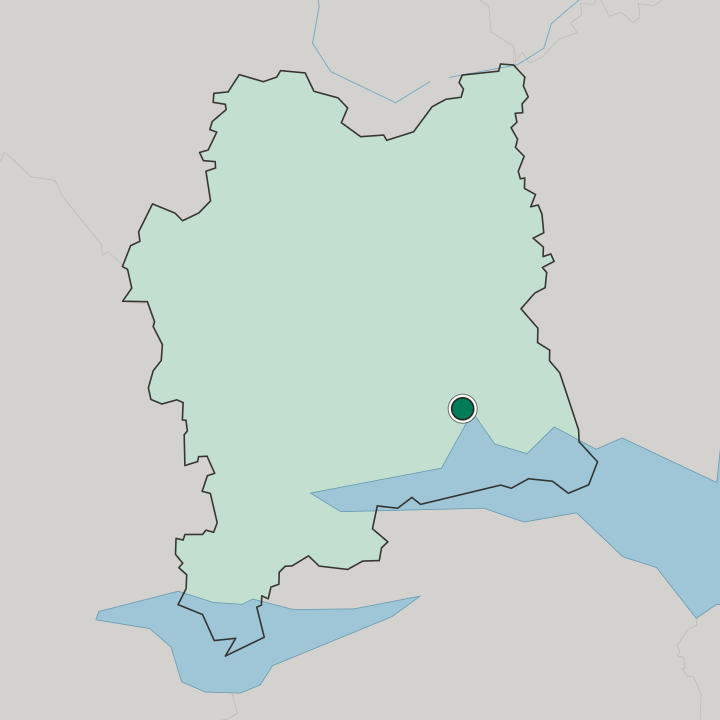
The city stands on the northern shore of Mälaren, in the eastern part of Västmanland County. The Svartån cuts through the centre on its way to the lake, and around the built-up area spread the flat clay plains of the Mälaren valley, some of the best farmland in the country. Forests and the mining uplands rise to the north.
Water defines the southern edge.
What is the climate of Västerås?
Västerås has a humid continental climate softened a little by the surrounding water. Winters are cold and often grey, with snow that can lie for weeks and a lake that may freeze near the shore, while summers stay mild and fairly dry with long northern daylight that stretches the evenings. Warmth takes its time arriving.
Autumn turns wet and windy.
How do you get to Västerås?
Frequent trains run east to Stockholm and west into the county, calling at the central station in the heart of town. A motorway skirts the northern edge of the city and ties it to the capital and to the lakes and forests further west. A regional airport lies just outside town.
In summer, passenger boats also cross Mälaren.
Common questions
What is the best area to stay in Västerås?
Centrum: first-time visitors and walkers. Öster Mälarstrand: lakeside stays. Rocklunda: families and sports visitors.
Good for
More cities in Västmanland County
Updated October 2026