Sweden
Uppsala County, Sweden — Towns & Travel Guide
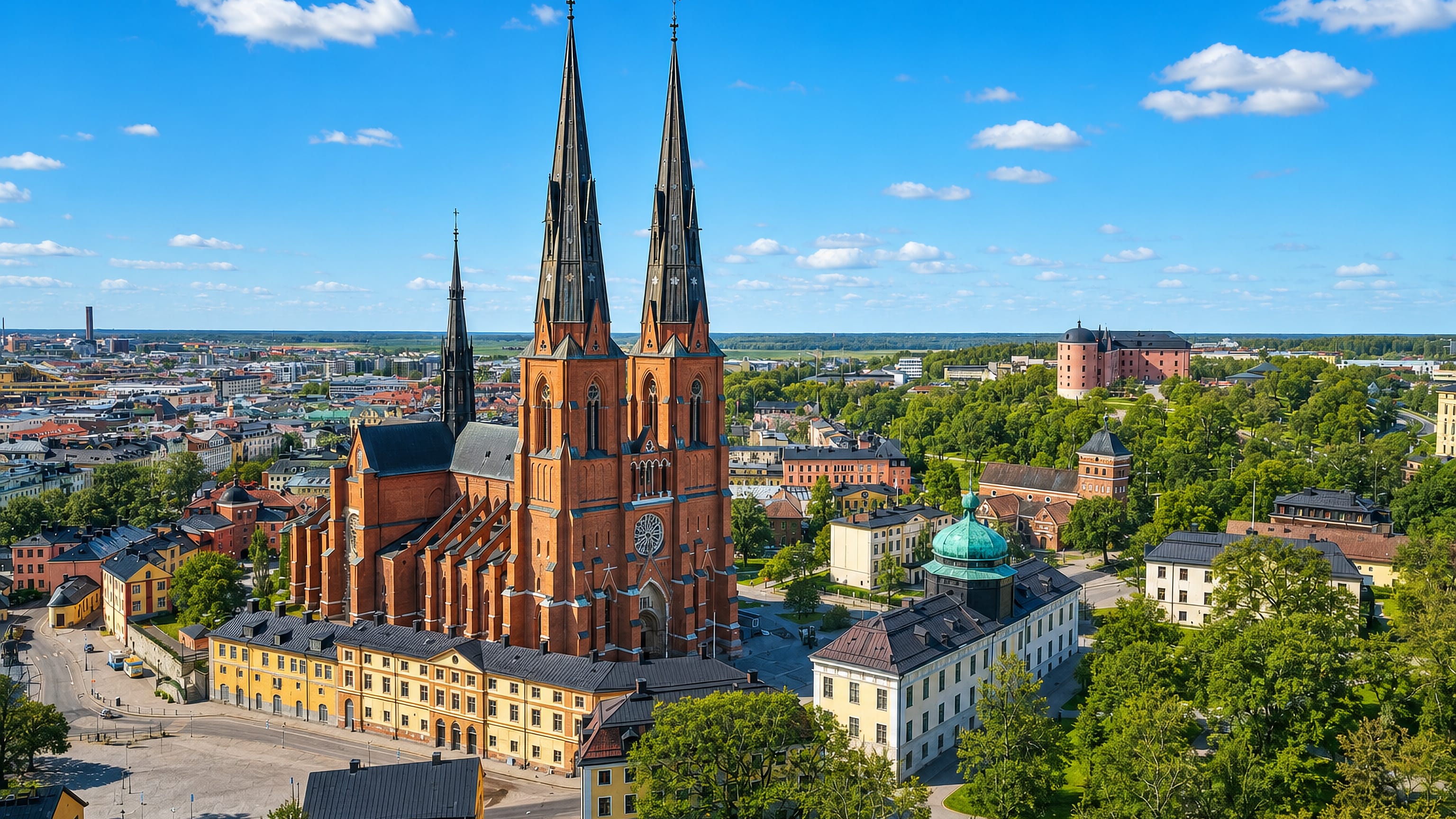
Uppsala County is a region of farmland, lakes, and old church towns north of Stockholm, with the cathedral and university city of Uppsala as its capital.
Hotel links are affiliate links: booking through them may earn us a commission, at no extra cost to you. It never affects how places are ranked. How this works


Towns & cities in Uppsala County
Pick a town or city — each links to where to stay.
 Sweden
Uppsala
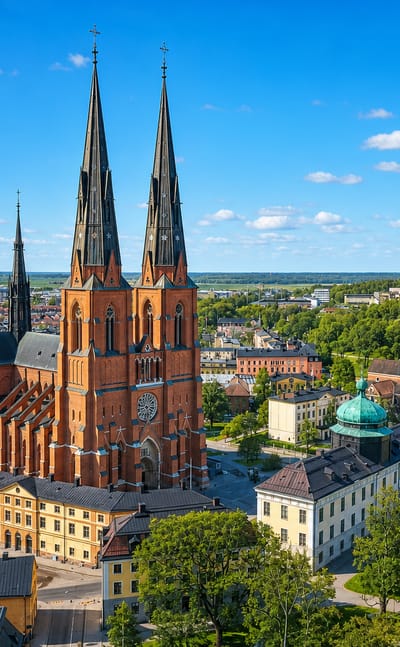
Uppsala is the seat of Uppsala County in eastern Sweden, a cathedral-and-university city on the Fyrisån where Sweden's oldest learning took root.Where to stay →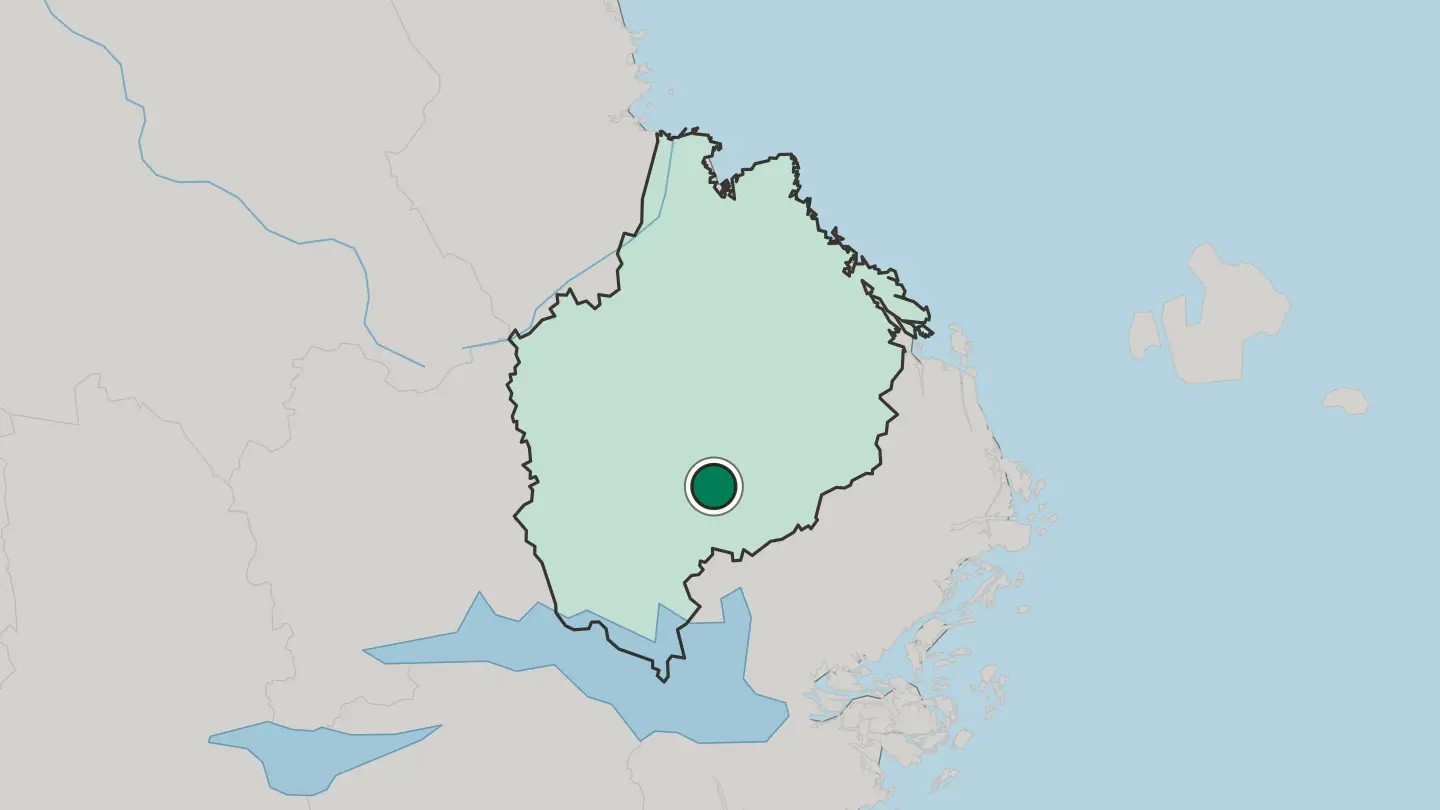
 Sweden
Enköping
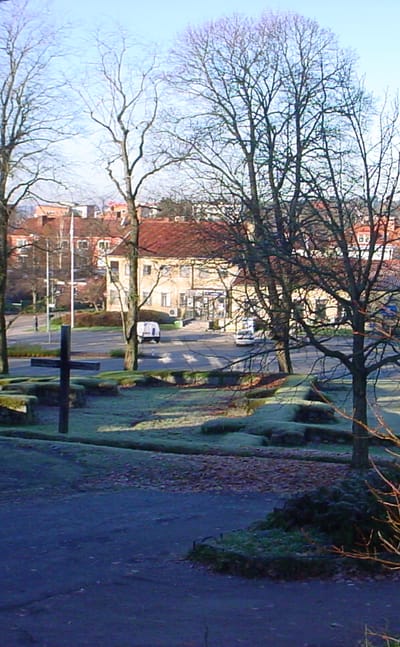
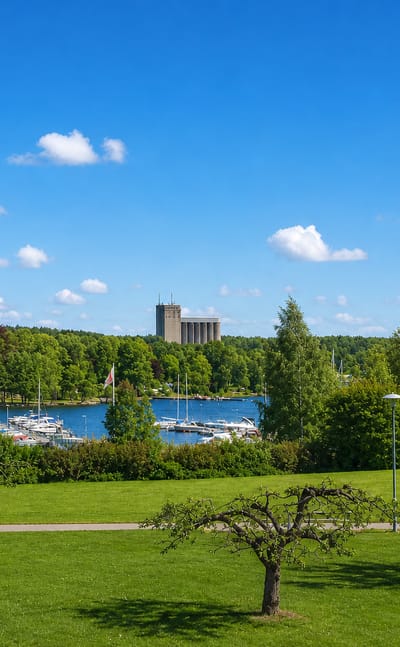
Enköping is a town in the south-western part of Uppsala County, in eastern Sweden, the seat of its municipality near the northern shore of Lake Mälaren.Where to stay →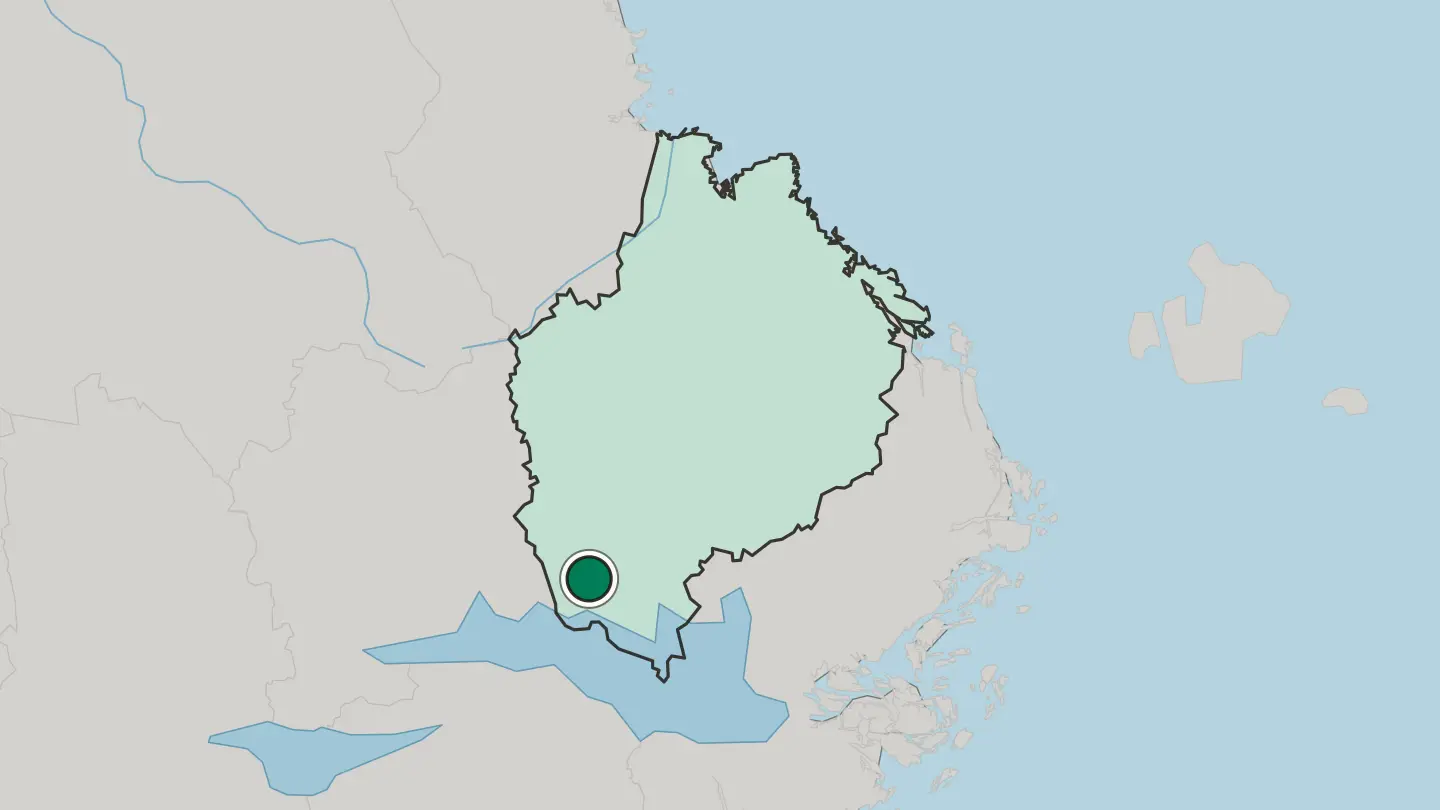
 Sweden
Bålsta
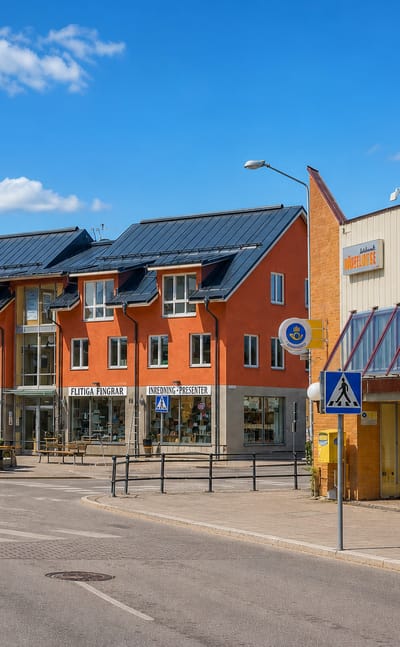
Bålsta is a town in southern Uppsala County, the main centre of Håbo Municipality on Lake Mälaren west of Stockholm.Where to stay →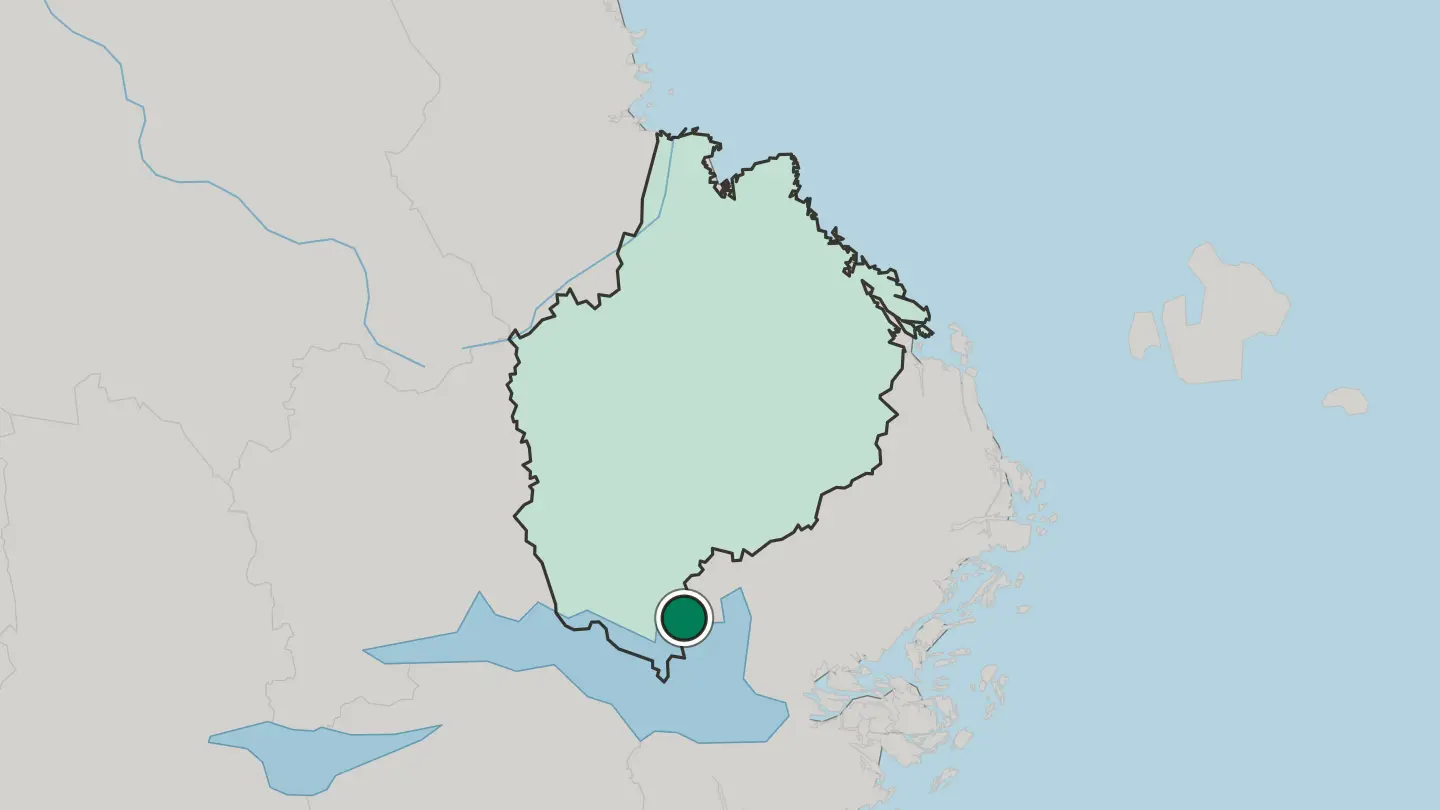
 Sweden
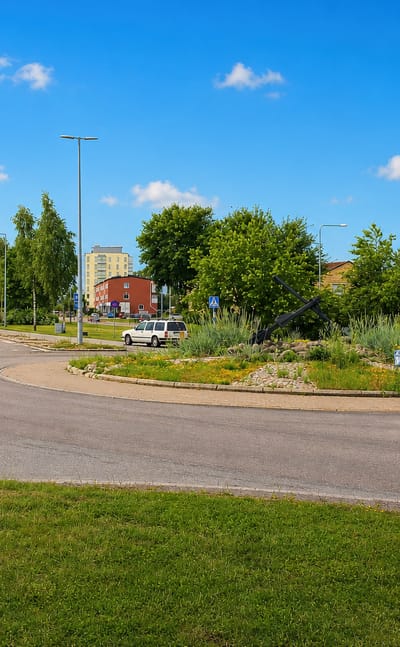
Knivsta
Knivsta is a town in the southern part of Uppsala County, in eastern Sweden, the seat of its municipality on the railway between Stockholm and Uppsala.Where to stay →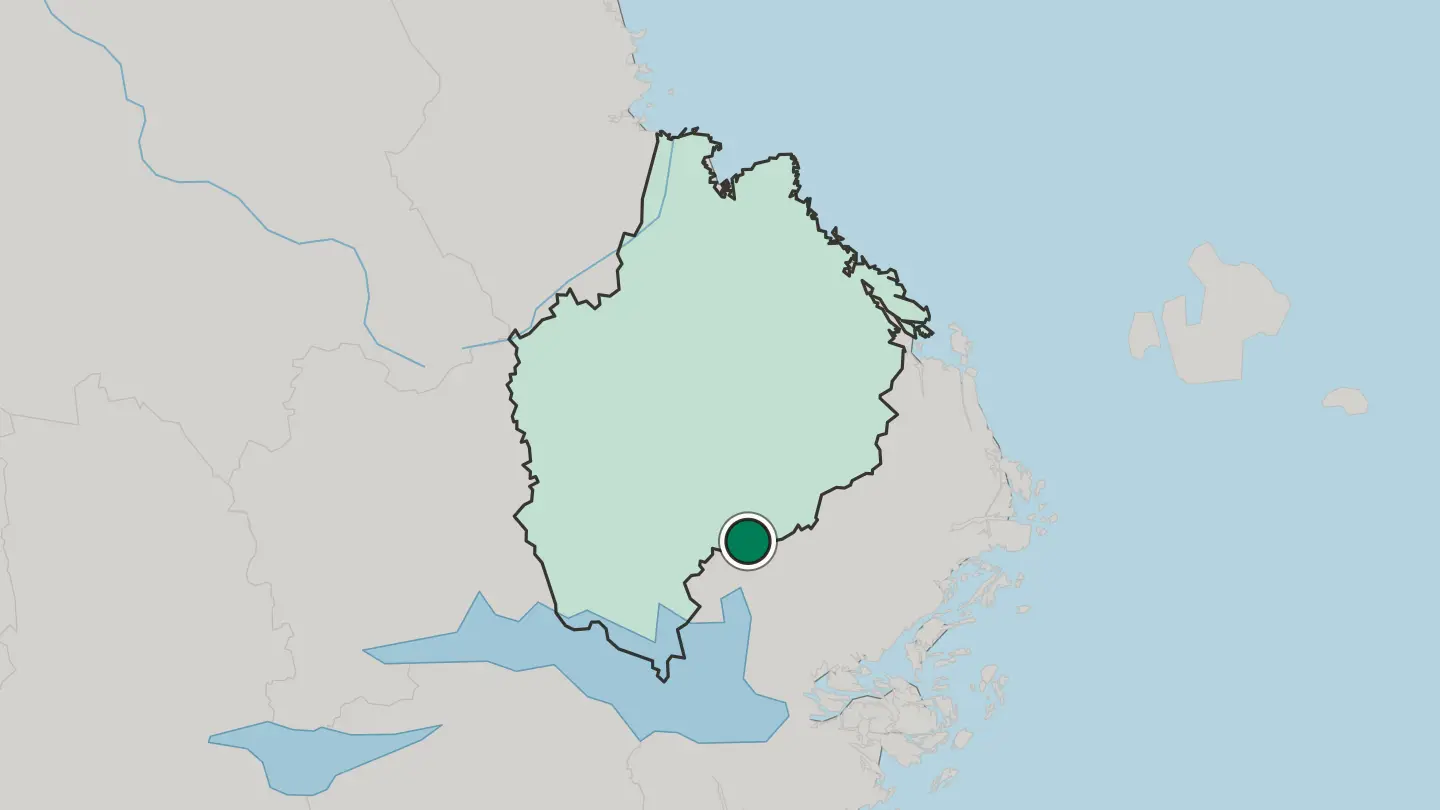
 Sweden
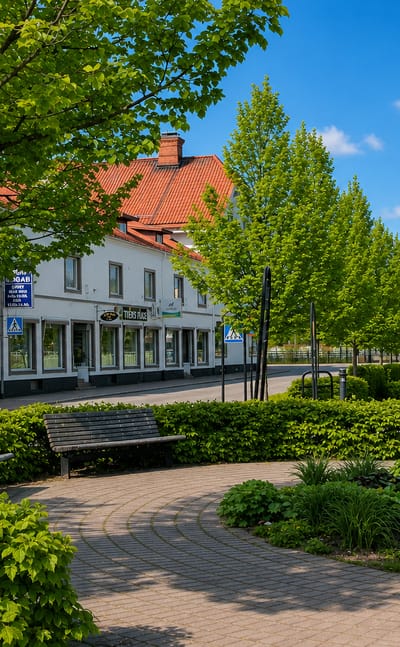
Skutskär
Skutskär is a town in the north-western part of Uppsala County, in eastern Sweden, set near the mouth of the Dalälven on the Baltic coast.Where to stay →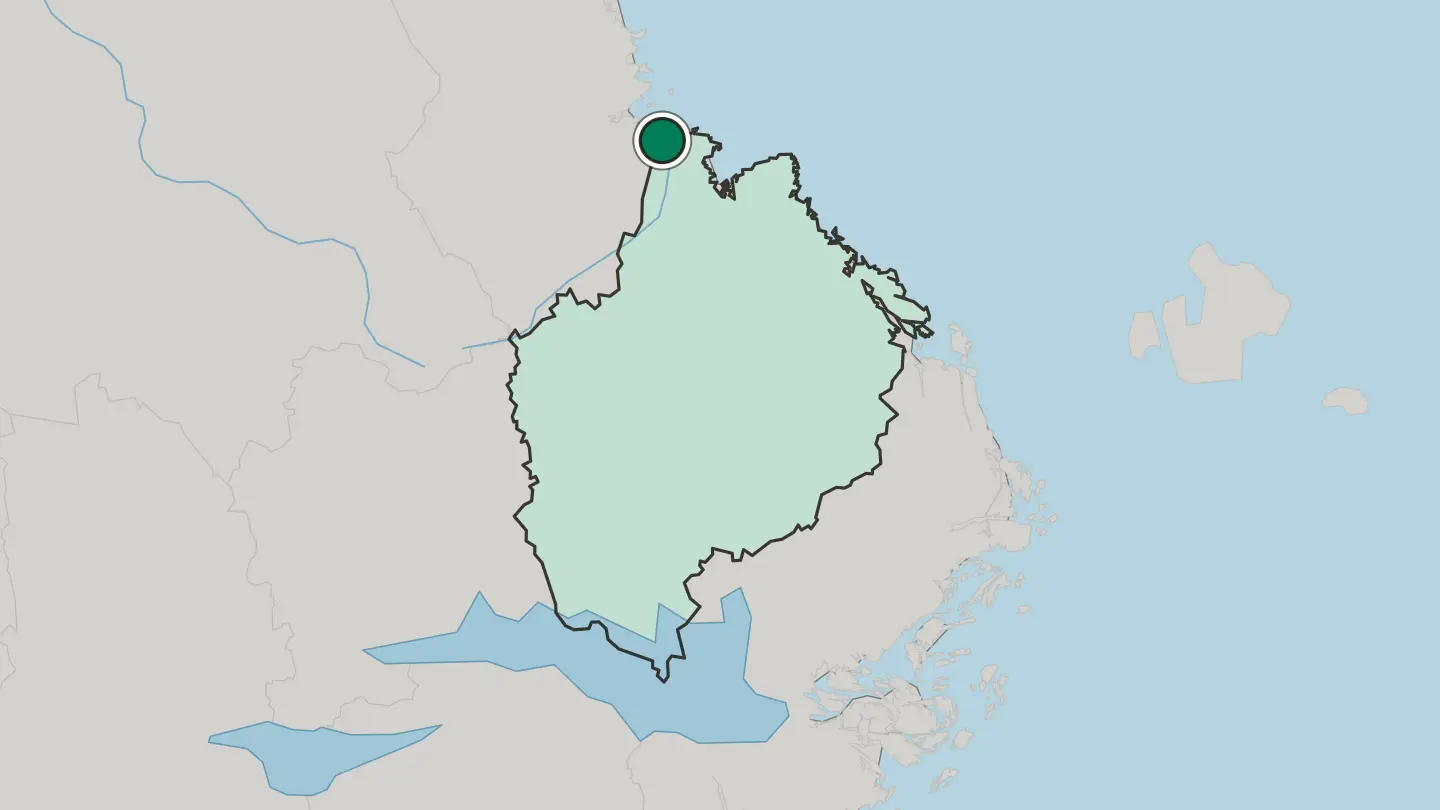
 Sweden
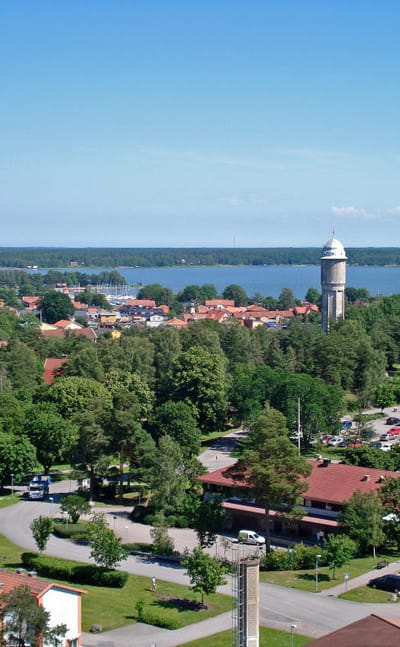
Tierp
Tierp is a town in the northern part of Uppsala County, in eastern Sweden, set on the plain between Uppsala and Gävle.Where to stay →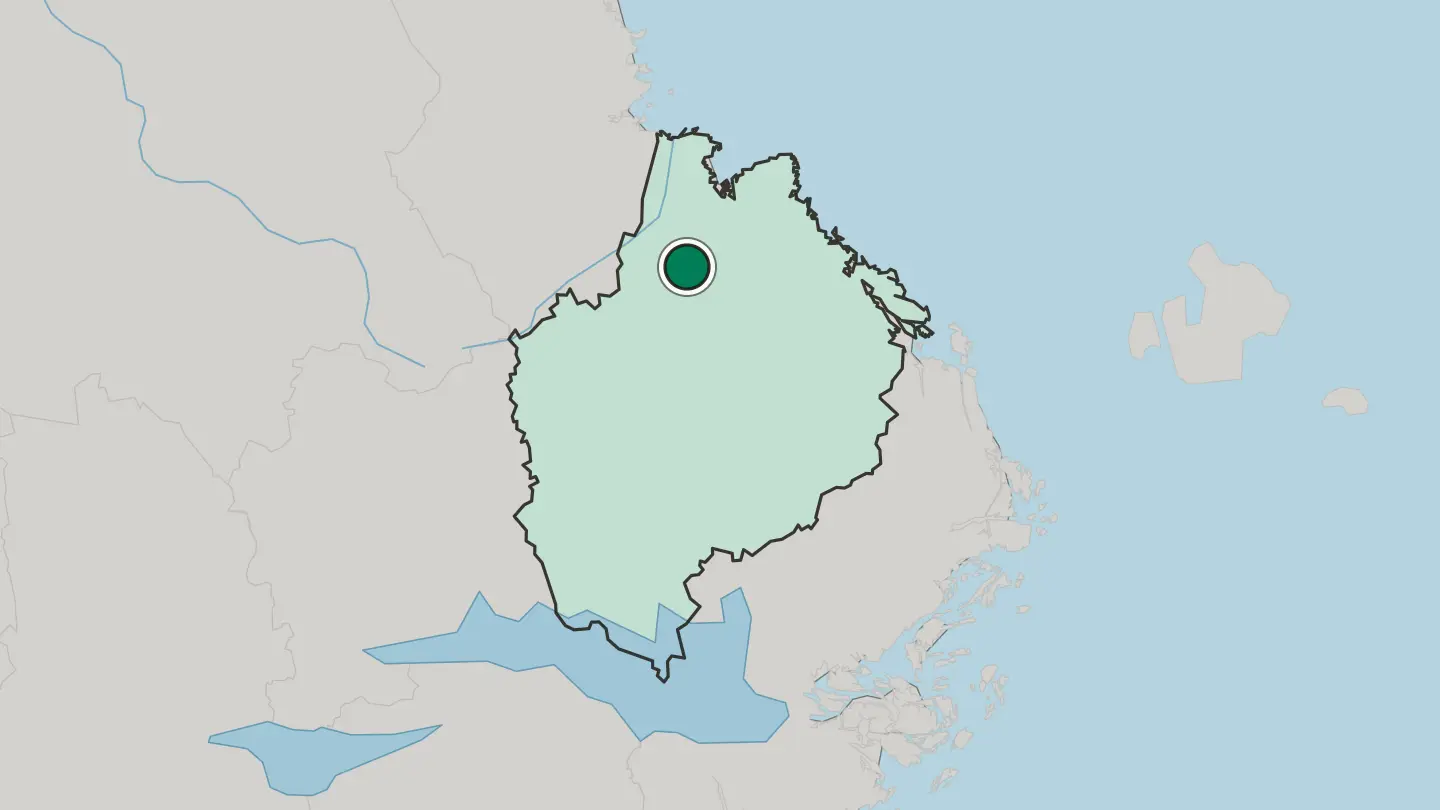
 Sweden
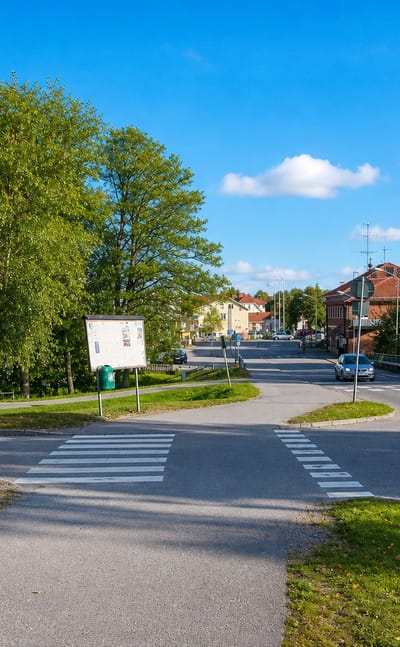
Östhammar
Östhammar is a town in the north-eastern part of Uppsala County, in eastern Sweden, set on a sheltered bay of the Baltic coast.Where to stay →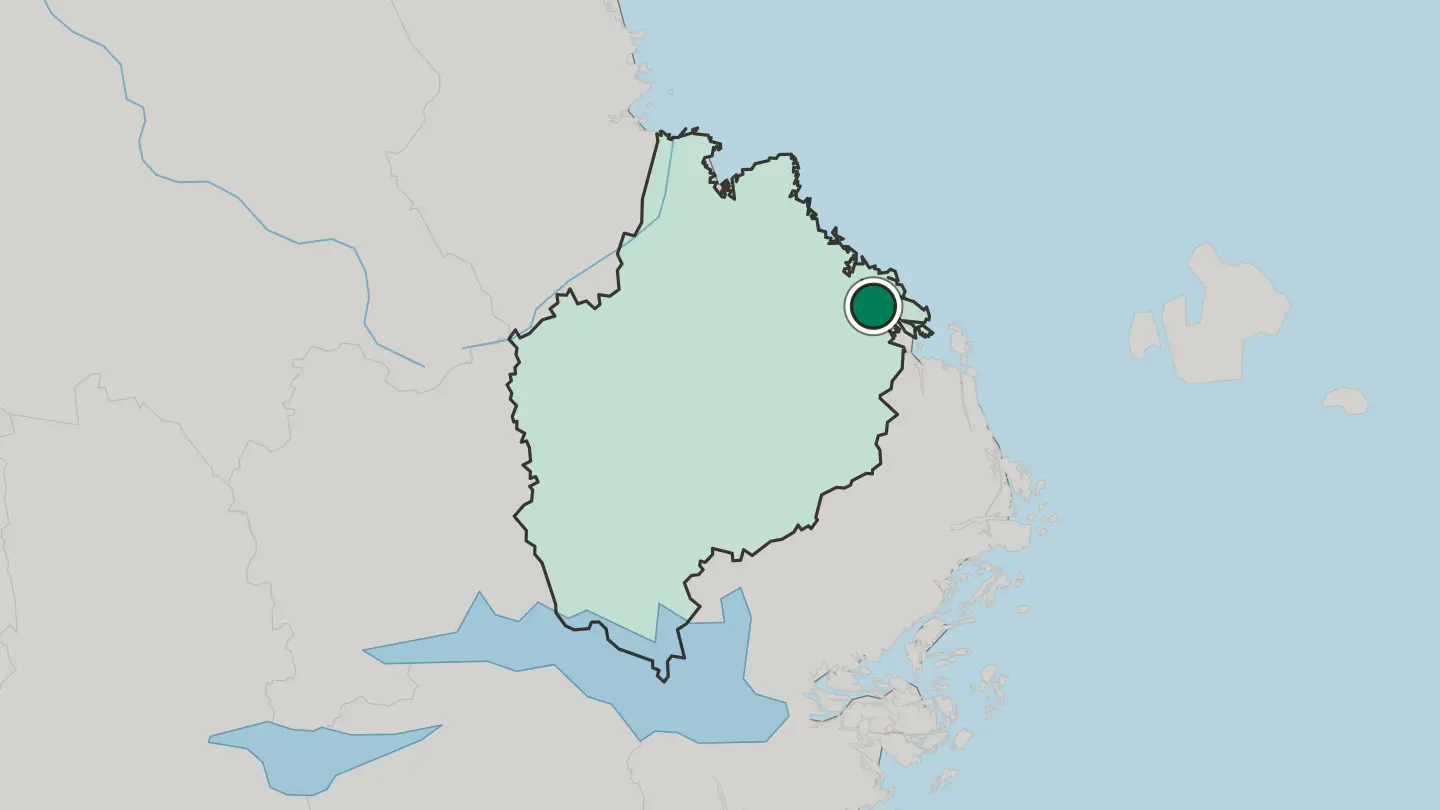
 Sweden
Heby
Heby is a small town in the western part of Uppsala County, in eastern Sweden, the seat of its municipality on the plain between Sala and Uppsala.Where to stay →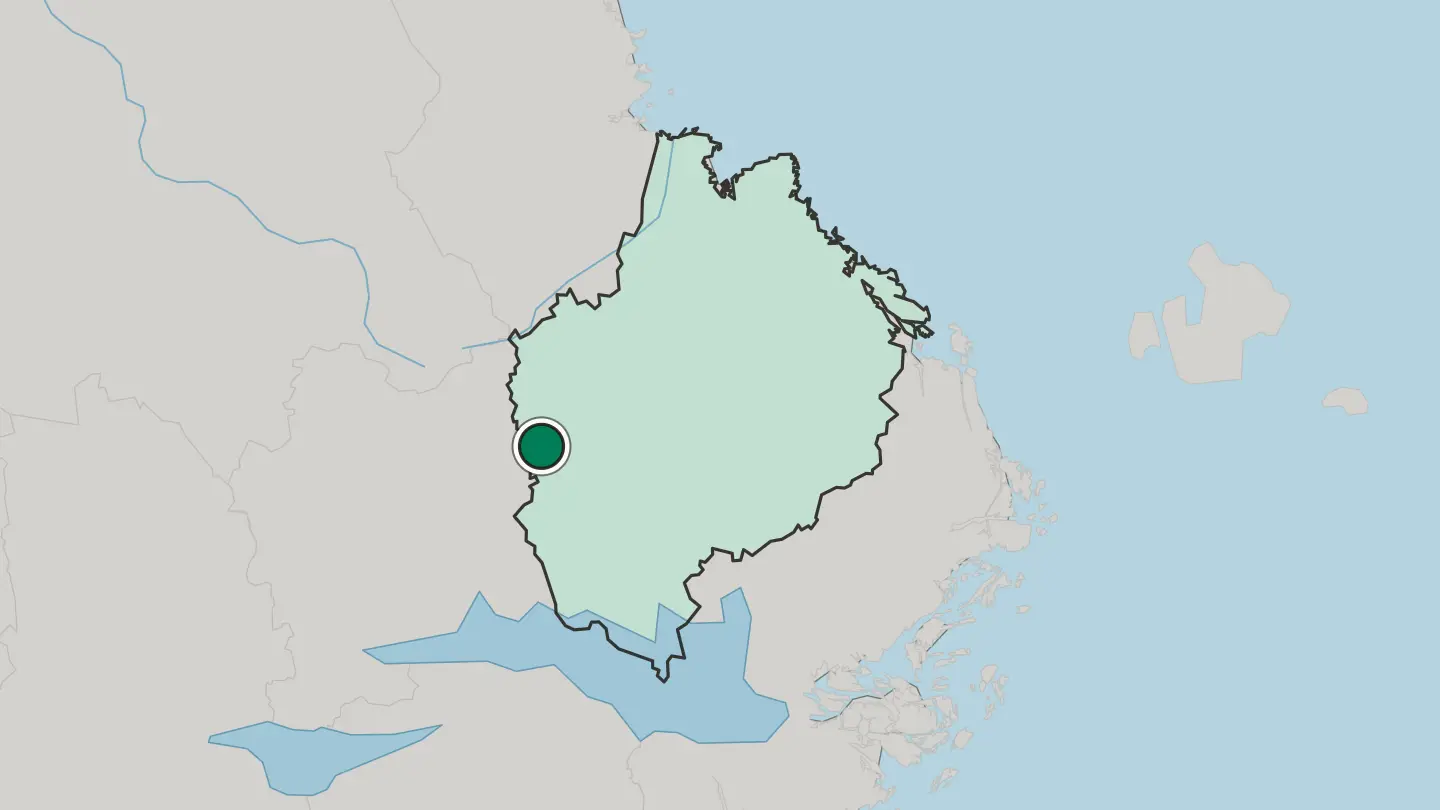
Hotel links are affiliate links: booking through them may earn us a commission, at no extra cost to you. It never affects how places are ranked. How this works
About Uppsala County
Uppsala County is known for learning and old faith.
What is Uppsala County known for?
Its capital holds the oldest university in the Nordic countries and the great cathedral that crowns the city, while the burial mounds of Gamla Uppsala mark a seat of pagan kings from the dawn of Swedish history. The archbishop sits here. Lakes and farmland spread around.
People know it for students, spires, and the deep roots of the nation.
Where is Uppsala County?
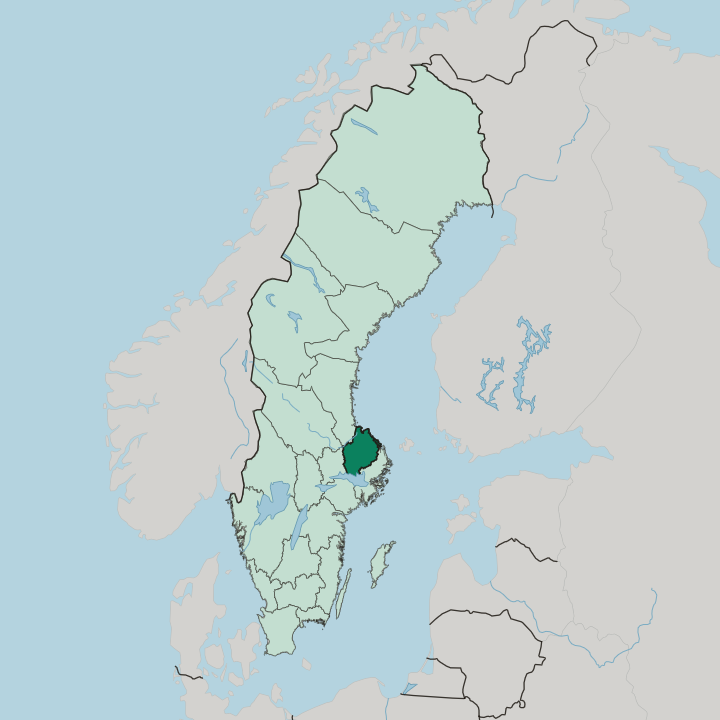
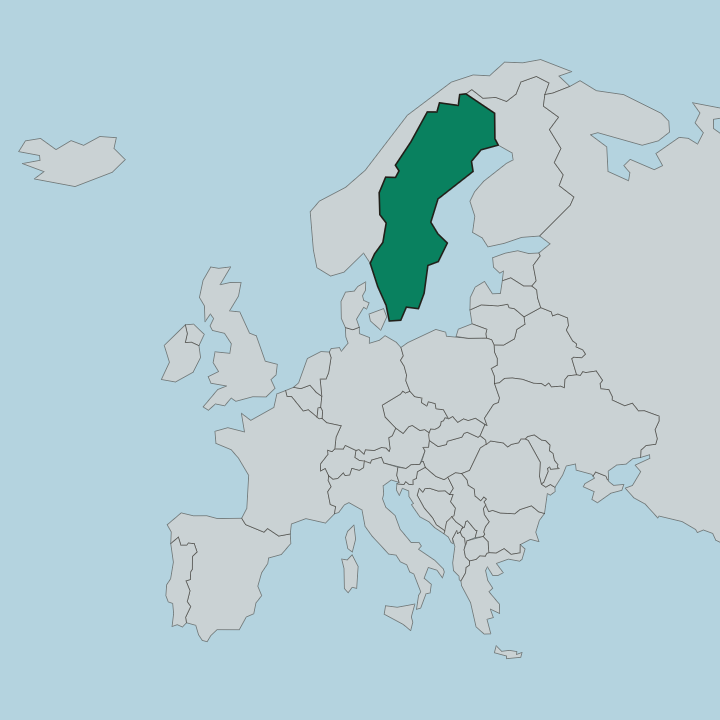
Uppsala County lies in eastern Sweden, a low and fertile region north of Stockholm reaching from the shores of Lake Mälaren up to the Baltic coast of Roslagen. Open farmland, the richest plain of the old Uppland province, spreads across the centre, broken by ridges, lakes, and forest, and falling away to a long, broken coast where bays, sounds, and islands scatter into the northern edge of the Stockholm archipelago. Mälaren bounds the south.
The Fyrisån runs through Uppsala. This small river crosses the cathedral city and runs south across the plain to reach the great lake of Mälaren, which forms the county's southern shore. The Baltic coast of Roslagen lies to the east, sheltered and island-strewn, with old harbour towns along its bays.
Eskers thread the land in long gravel ridges. Farm villages, manor estates, and medieval churches dot the open country between the lakes and the sea.
What is Uppsala County like?
Uppsala County is the cradle of Swedish learning and faith. The university at Uppsala, the oldest in the north, has shaped the nation's scholarship for centuries, and the city remains the seat of the Swedish church, its cathedral the tallest in the Nordic lands. Carl Linnaeus worked and taught here.
Student life and old ritual mingle in the city. The county also carries the deepest roots of early Swedish history, above all at Gamla Uppsala, where great burial mounds and an old church mark a centre of pagan kings and worship. Rune stones, medieval churches, and manor estates dot the surrounding plain.
Walpurgis night fills Uppsala with students each spring. Botanic gardens, museums, and a long academic calendar carry the culture forward, while the country districts keep the rhythm of farming, fishing, and old church-village life across the seasons.
What is the history of Uppsala County?
Uppsala County holds Sweden's oldest history. Gamla Uppsala, with its three great burial mounds, was a seat of kings and pagan worship deep in the Iron Age and Viking era, long before the realm took its modern shape. The church and the university came later.
A cathedral rose at the new town of Uppsala, the university was founded in 1477, and the city became the religious heart of the kingdom under its archbishop. The county itself was drawn in the early eighteenth century. Mounds, spires, and old halls carry that long story still.
What is the climate of Uppsala County?
Uppsala County has a temperate climate of the kind common in eastern Sweden. Winters are cold, with frost and a snow cover that comes and goes through the darker months, softened a little by the nearness of Lake Mälaren and the sheltered Baltic coast to the east. Its high summer runs warm and bright.
The long, light days draw people out to the lakes, the coast, and the open plain through the green height of the season. Spring and autumn are changeable, with rain off the Baltic.
How do you get to Uppsala County?
Uppsala County is very easy to reach. Fast trains run north from Stockholm to Uppsala in a short ride, and Stockholm Arlanda airport lies between the two, putting the cathedral city within easy reach of the main international gateway. The main road and rail line run straight through.
Local trains stop at the lake towns. Good roads cross the plain to Enköping and the Roslagen coast in the east.
Common questions
What is the best area to stay in Uppsala County?
Uppsala: first-time visitors and history. Enköping: gardens and a quiet base. Roslagen coast: summer and the sea.
Good for
More regions in Sweden
Updated September 2026