Sweden · Uppsala County
Where to Stay in Bålsta, Uppsala County
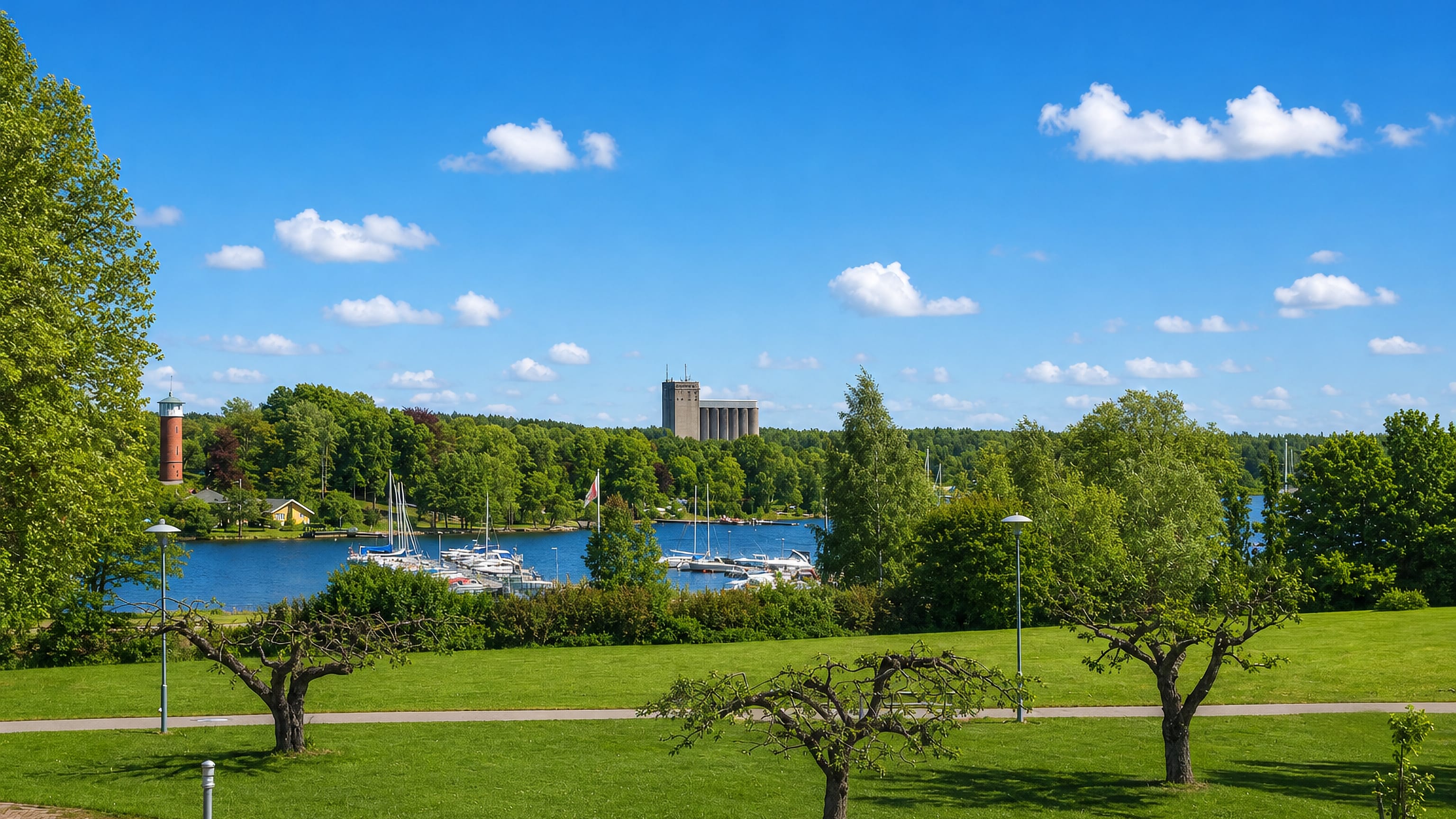
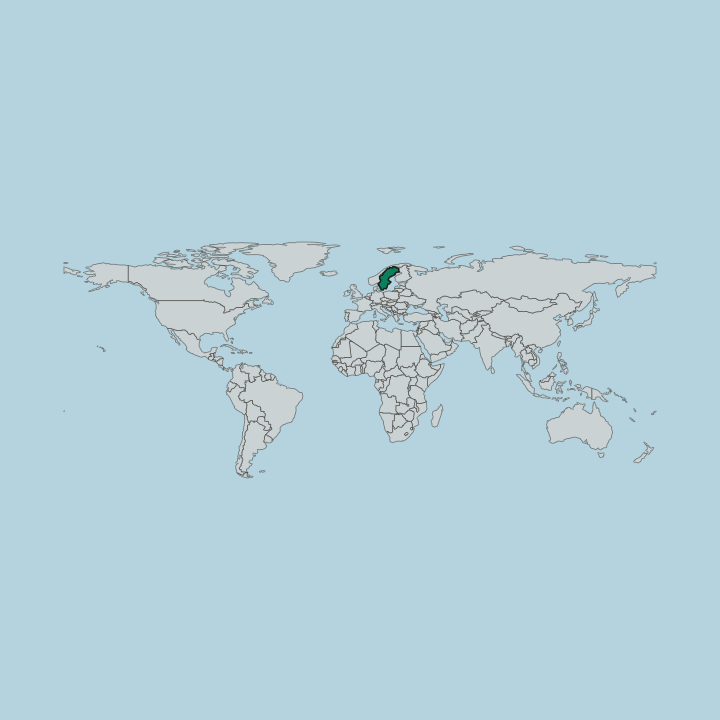
Bålsta is a town in southern Uppsala County, the main centre of Håbo Municipality on Lake Mälaren west of Stockholm.
Hotel links are affiliate links: booking through them may earn us a commission, at no extra cost to you. It never affects how places are ranked. How this works


Where to stay in Bålsta
Where the beds are, and what that means for the visit.
Most visitors stay near the town centre, where a modest stock of hotels and guesthouses sits within easy reach of the railway station, the shops, and the commuter trains that run to Stockholm and Uppsala through the day. The centre suits travellers who want a quiet base by the lake with fast rail links to both cities close at hand. Rooms in town are limited.
Demand firms in summer, when boating, lakeside walks, and trips to the Skokloster palace draw weekenders into a town built more for everyday living than for tourists and short of rooms when the weather turns fine. Around the shore and out in the parish, cabins, campsites, and holiday cottages open through the warm season near the water and the woods of the Mälaren coast. Reserve ahead in peak weeks.
Many visitors also base themselves in Stockholm or Uppsala and reach Bålsta easily by train for a day on the lake.
Find hotels in Bålsta
Direct booking searches for these neighbourhoods.
Town centre
hotels near the station a short drive from Skoklosters slott. Beds are limited here, so book early.Find hotels in Town centresummer boaters out on MälarenMälaren shore
cabins and campsites by the lake and the wooded coastFind hotels in Mälaren shoreHotel links are affiliate links: booking through them may earn us a commission, at no extra cost to you. It never affects how places are ranked. How this works
About Bålsta
Bålsta is a commuter town.
What is Bålsta known for?
It grew quickly beside the railway as a place to live within reach of both Stockholm and Uppsala, and most who know it know it as the busy heart of Håbo Municipality on the northern arm of Lake Mälaren. The setting is its draw. Boats and bathers fill the lakeshore through the warm months, the baroque palace of Skokloster stands a short way off across the water, and the old church of Kalmar marks the parish that the modern town outgrew.
What are the main landmarks in Bålsta?
Kalmar kyrka stands in the old parish, the medieval stone church from which the area takes much of its early history. Water dominates the setting. The Åbergs Museum, a gallery devoted to a single well-loved Swedish painter, sits in the town and pulls visitors to its rooms of nostalgic scenes, while a short way off across the lake rises Skoklosters slott, the great baroque palace that ranks among the finest country houses in the land.
Mälaren ties the sights together.
What is the history of Bålsta?
The parish is old. Long before the modern town existed, the land around the northern arm of Lake Mälaren was settled farming country gathered around the medieval church of Kalmar, and across the early modern centuries the great noble estates of the lake district, Skokloster chief among them, shaped the wider parish that the railway would one day transform. Runestones and burial grounds mark the antiquity of the ground.
The railway is what built the town. When the line between Stockholm and the west was laid across the country in the nineteenth century, a station settlement took root at Bålsta, and through the twentieth century it swelled into a commuter town as people sought homes within reach of the capital while keeping the lake and the countryside at their door. Growth came fast and late.
Bålsta became the main centre of Håbo Municipality, a modern town grown from an old farming parish, its new districts spreading back from the water that had drawn settlement to the shore for a thousand years.
Where is Bålsta?
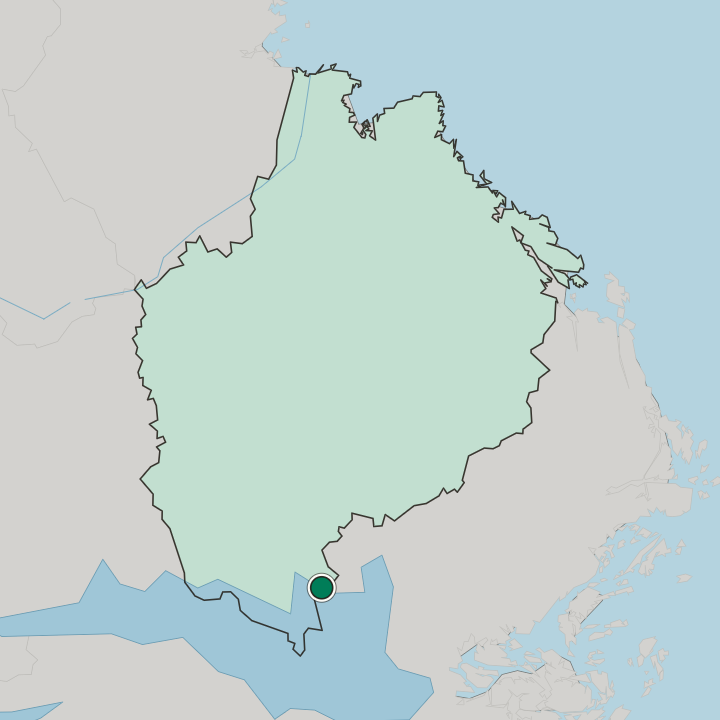
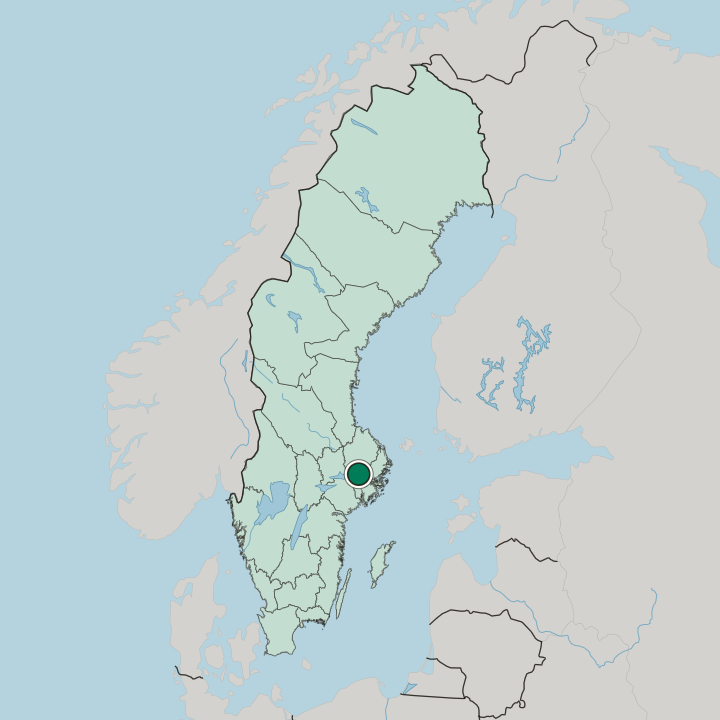
Bålsta lies in the southern part of Uppsala County, on the northern shore of Lake Mälaren where the great lake reaches in among low wooded peninsulas and bays west of Stockholm. The town sits back from the water. Around it spread farmland, mixed forest, and the inlets and islands of the Mälaren coast, with Stockholm to the south-east and Uppsala to the north, both within easy reach by rail.
The setting is low, green, and threaded with water.
What is the climate of Bålsta?
Bålsta has a temperate climate eased by the lake. Winters are cold, with frost and snow over the land through the dark months, though the broad waters of Mälaren temper the sharpest cold that grips the drier interior further inland. Summer turns mild and bright over the lake.
The long northern days warm the lakeshore and bays, drawing boaters and bathers across the brightest weeks of the season, while spring and autumn bring the changeable, often grey weather of the Stockholm region. Rain is spread through the year.
How do you get to Bålsta?
Bålsta sits on the commuter rail network from Stockholm, with frequent trains making it an easy ride from the capital through the day. Drivers reach it by the E18 motorway that runs west from Stockholm toward Enköping and beyond. The train is the simplest way in. Uppsala lies a short way north by road and rail, while the airports around Stockholm to the south-east serve as the main gateways for visitors arriving from further afield.
Common questions
What is the best area to stay in Bålsta?
Town centre: rail commuters and day trippers. Mälaren shore: summer boaters out on Mälaren.
Good for
More cities in Uppsala County
Updated September 2026