Sweden · Uppsala County
Where to Stay in Heby, Uppsala County
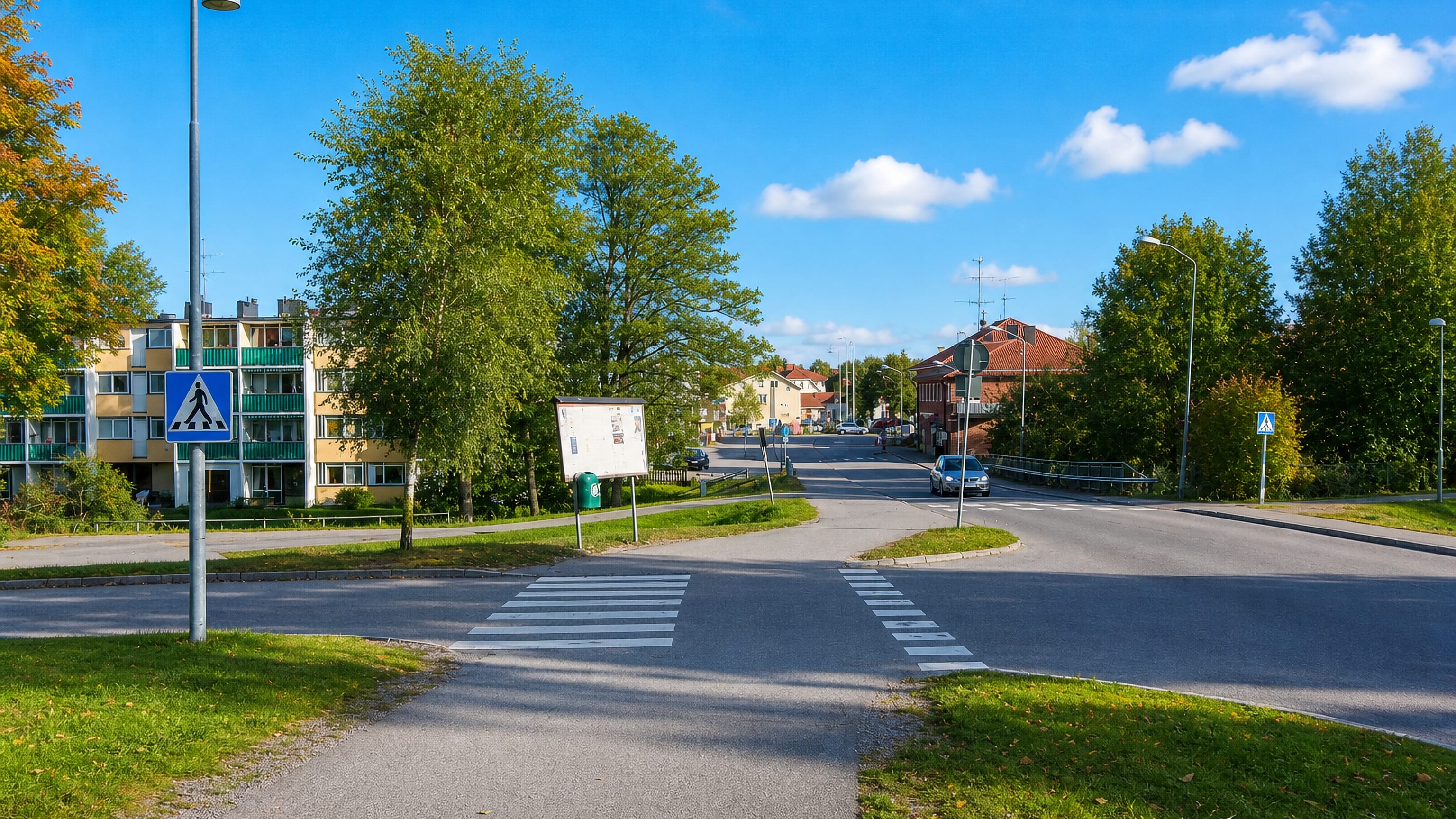
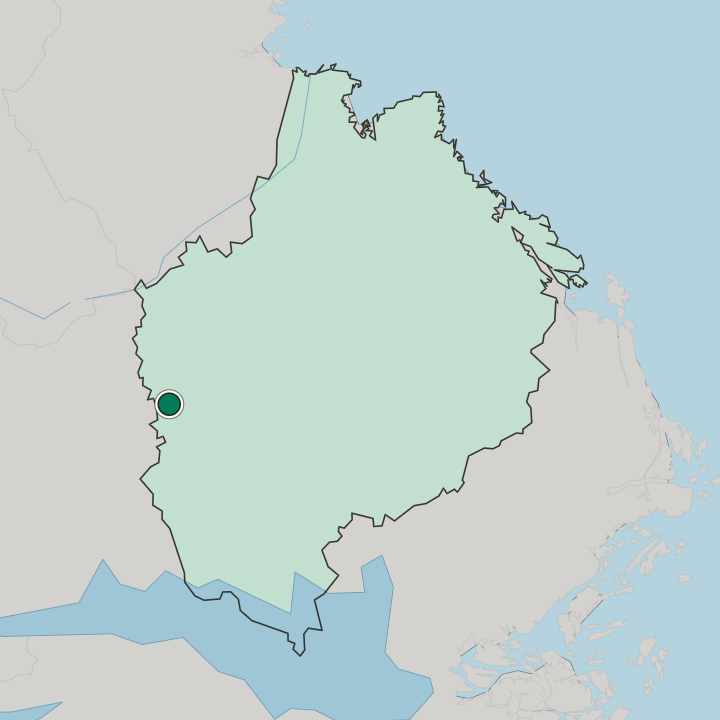
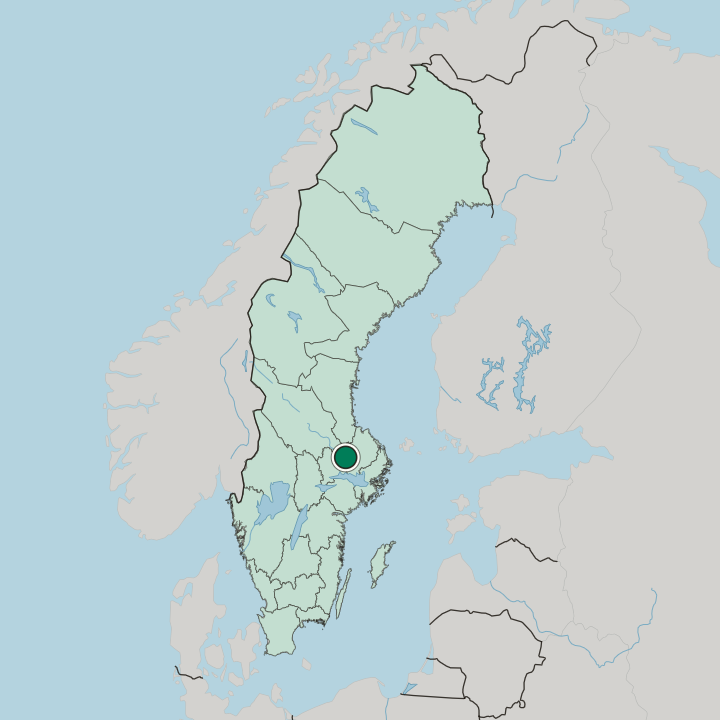
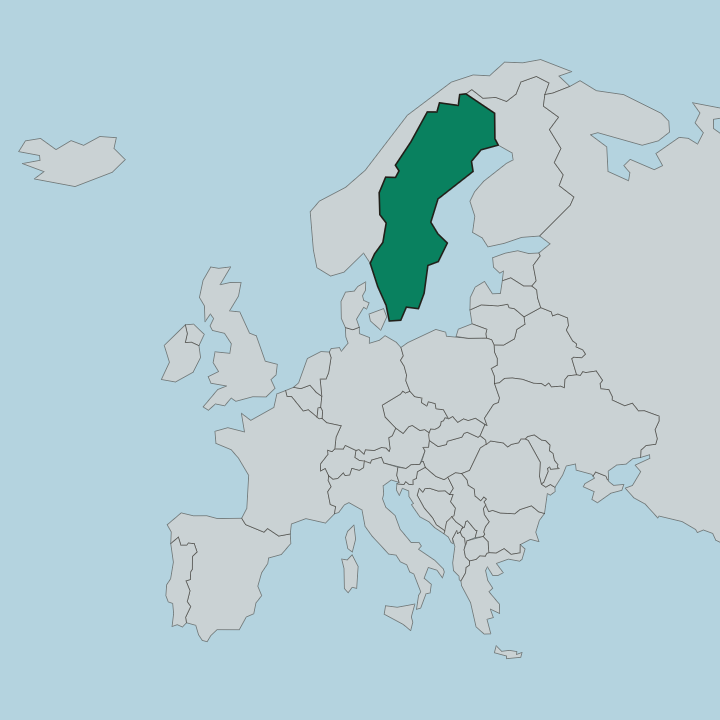
Heby is a small town in the western part of Uppsala County, in eastern Sweden, the seat of its municipality on the plain between Sala and Uppsala.
Hotel links are affiliate links: booking through them may earn us a commission, at no extra cost to you. It never affects how places are ranked. How this works


Where to stay in Heby
Where visitors usually base themselves, and why.
Most visitors stay in or near the small town centre, where a modest stock of guesthouses and rooms sits within easy reach of the railway station and the shops, with trains running to Sala and Uppsala through the day. The centre suits travellers who want a quiet rural base with rail links to the larger towns close at hand. The room stock stays small.
Demand is steady rather than seasonal, and the limited supply can tighten around local events or busy summer weekends when visitors come for the lakes, the woods, and the calm of the western countryside. Out in the parish and the surrounding districts, farm stays, cabins, and holiday cottages open through the warm season near the forests, fields, and waters that fill the wider municipality. Book ahead when events fall.
Many travellers also base themselves in Sala or Uppsala and reach Heby easily by train for a day in the country.
Find hotels in Heby
Direct booking searches for these neighbourhoods.
Town centre
guesthouses near the station with trains to Sala and Uppsala. Lodging is scarce in this area; reserve in advance.Find hotels in Town centredrivers and outdoor visitorsParish and countryside
farm stays and cottages among the forests, fields, and lakesFind hotels in Parish and countrysideHotel links are affiliate links: booking through them may earn us a commission, at no extra cost to you. It never affects how places are ranked. How this works
About Heby
Heby took shape around the railway.
What is Heby known for?
It grew up around the station on the line between Sala and Uppsala, and most who know it know it as the quiet centre of a rural municipality on the western edge of the county. The country around it is old. For much of its history the district belonged to Västmanland before passing to Uppsala County, and the medieval church of Västerlövsta still marks the parish that gathered the farms of the plain long before the trains came.
What are the main landmarks in Heby?
Västerlövsta kyrka stands at the heart of the old parish, the medieval stone church around which the district grew. The railway station marks the modern town. Around the centre spread the quiet streets of a small rural place, while the woods, lakes, and farmland of the surrounding municipality draw walkers, anglers, and cyclists into the western country.
The runestones and old farms scattered across the parish recall the long settlement of the plain, and the church remains the chief sight for visitors who pass through the town.
What is the history of Heby?
Before any town, there were only farms on the plain. The land around Heby was settled country long before the town existed, a district of scattered farms on the western plain gathered around the medieval church of Västerlövsta, and for much of its history the parish belonged to the province of Västmanland that bordered it to the west. Runestones and burial grounds across the parish mark the antiquity of the ground.
The railway built the modern town. When the line between Sala and Uppsala was laid across the plain in the nineteenth century, a station settlement took root at Heby and drew trade, workshops, and people to the tracks, growing into a small centre for the surrounding farms. Later the district was reshaped on the map.
Heby became the seat of its own municipality and in time passed from Västmanland into Uppsala County, a quiet rural town grown from an old farming parish around the meeting of road, rail, and church.
Where is Heby?
Heby lies in the western part of Uppsala County, on the farming plain where the open fields of the district give way to the lakes and forests toward the border with Västmanland. The town sits among low country. Around it spread cultivated land, mixed woodland, and scattered lakes, with Sala to the west and Uppsala to the east, both within reach by road and rail.
The setting is flat, rural, and quiet, far from the bustle of the larger cities.
What is the climate of Heby?
Heby sits well inland in western Uppsala County, with a temperate climate. Winters are cold, with frost and snow lying over the plain through the dark months and the lakes of the district often freezing across the depth of the season, well away from the moderating reach of the open sea. The district's lakes and fields green under a mild summer.
The long northern days warm the fields and forests, drawing walkers and anglers across the brightest weeks, while spring and autumn bring the changeable, often grey weather of the central Swedish interior. Wet weather crosses the district often.
How do you get to Heby?
Heby sits on the railway between Sala and Uppsala, with trains stopping in the town through the day. Drivers reach it by the regional roads that cross the western plain from Sala, Uppsala, and the surrounding districts. The train is the simplest way in.
Uppsala lies to the east and Sala to the west, both an easy ride away, while the airports around Stockholm and Uppsala serve as the main gateways for visitors arriving from further afield.
Common questions
What is the best area to stay in Heby?
Town centre: rail travellers and quiet seekers. Parish and countryside: drivers and outdoor visitors.
Good for
More cities in Uppsala County
Updated September 2026