Sweden · Uppsala County
Where to Stay in Uppsala, Uppsala County
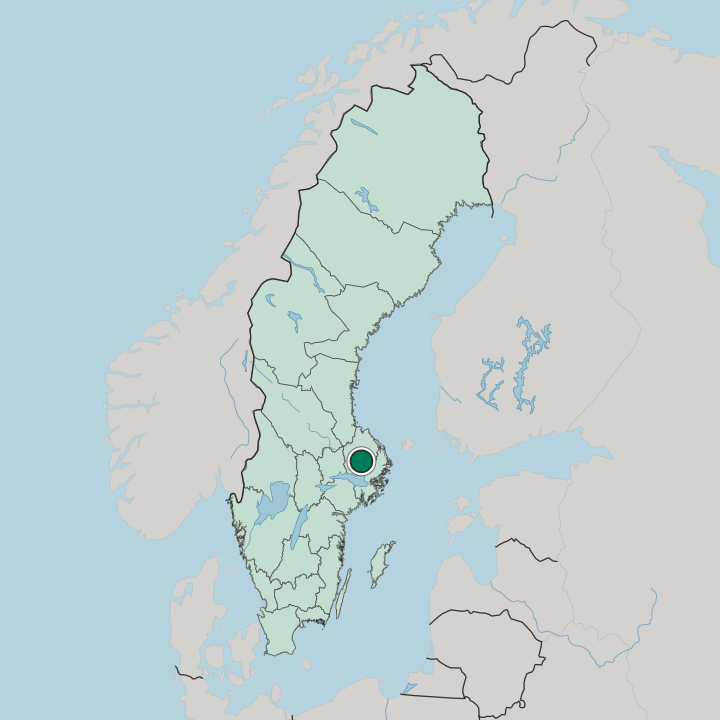
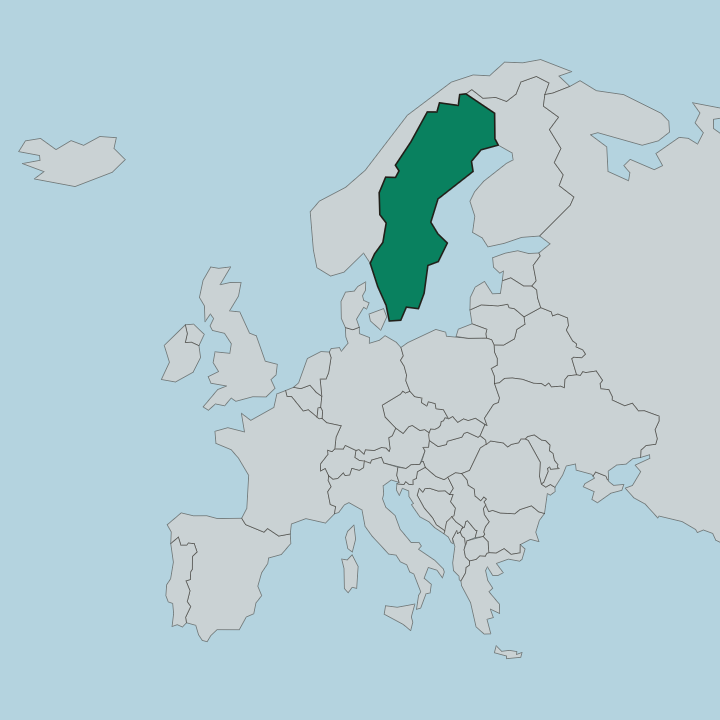
Uppsala is the seat of Uppsala County in eastern Sweden, a cathedral-and-university city on the Fyrisån where Sweden's oldest learning took root.
Hotel links are affiliate links: booking through them may earn us a commission, at no extra cost to you. It never affects how places are ranked. How this works


Where to stay in Uppsala
Where you base yourself shapes the visit — here's the character of each area.

 UppsalaSweden
Fjardingen
Fjardingen is a neighbourhood in the inner city of Uppsala, in eastern Sweden, on the western bank of the river Fyris.Where to stay → UppsalaSweden
Flogsta
Flogsta is a district on the south-western side of Uppsala, in eastern Sweden's Uppsala County.Where to stay →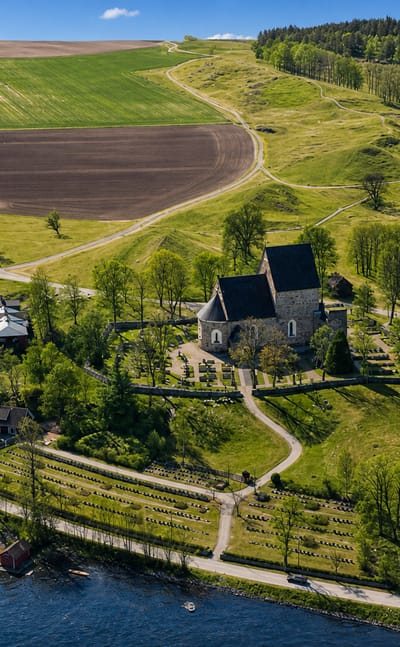 UppsalaSweden
Gamla Uppsala
Gamla Uppsala is a historic district in north-eastern Uppsala, in eastern Sweden, set around Gamla Uppsala kyrka.Where to stay →Hotel links are affiliate links: booking through them may earn us a commission, at no extra cost to you. It never affects how places are ranked. How this works
Find hotels in Uppsala
Direct booking searches for these neighbourhoods.
City centre
cathedral, university and station within a short walkFind hotels in City centrelonger, quieter staysLuthagen
calm residential streets a short cycle from the centreFind hotels in Luthagenbudget travellersStudentstaden
practical student-oriented lodging near campusFind hotels in StudentstadenHotel links are affiliate links: booking through them may earn us a commission, at no extra cost to you. It never affects how places are ranked. How this works
Things to do in Uppsala
Ranked by global recognition; descriptions from Wikidata (CC0).
Museums & Galleries
4- Geijersgården Heritage historic Swedish farm
- Upsala-Lenna Jernväg working life museum
- Gamla Uppsala museum archaeological museum
- Uppsala Art Museum organization and art exhibitions at Uppsala Castle and service of visitors
Churches & Religious Sites
8- Uppsala Cathedral Heritage Swedish cathedral
- Old Uppsala Church Heritage the church may have been built on the site of the Temple at Uppsala, which must have been located in Old Uppsala, mentioned by Adam of Bremen around 1076
- Holy Trinity Church Heritage
- Vaksala Church Heritage
- Salabacke Church Heritage
Show 3 more →
- Sankt Pers kyrka Heritage
- Almtunakyrkan Heritage
- Vindhemskyrkan Heritage
Castles & Historic Sites
3- Uppsala Castle Heritage the castle played a major role in the history of Sweden: Sture Murders, the decision that Sweden should participate in Thirty Years' War, and the Queen Christina's abdication in 1654.
- Archbishop's Palace of Uppsala Heritage the present palace was built 1737-1744
- Gamla Uppsala urban area of Sweden
Stadiums & Sports
3- Fyrishov
- Recoverhallen indoor bandy venue
- Svandammshallarna
Landmarks & Notable Places
2- Upplandsmuseet Heritage regional museum
- Museum of Evolution of Uppsala University Heritage natural history museum
worth knowingacross 5 categories in Uppsala
About Uppsala
What is Uppsala known for?
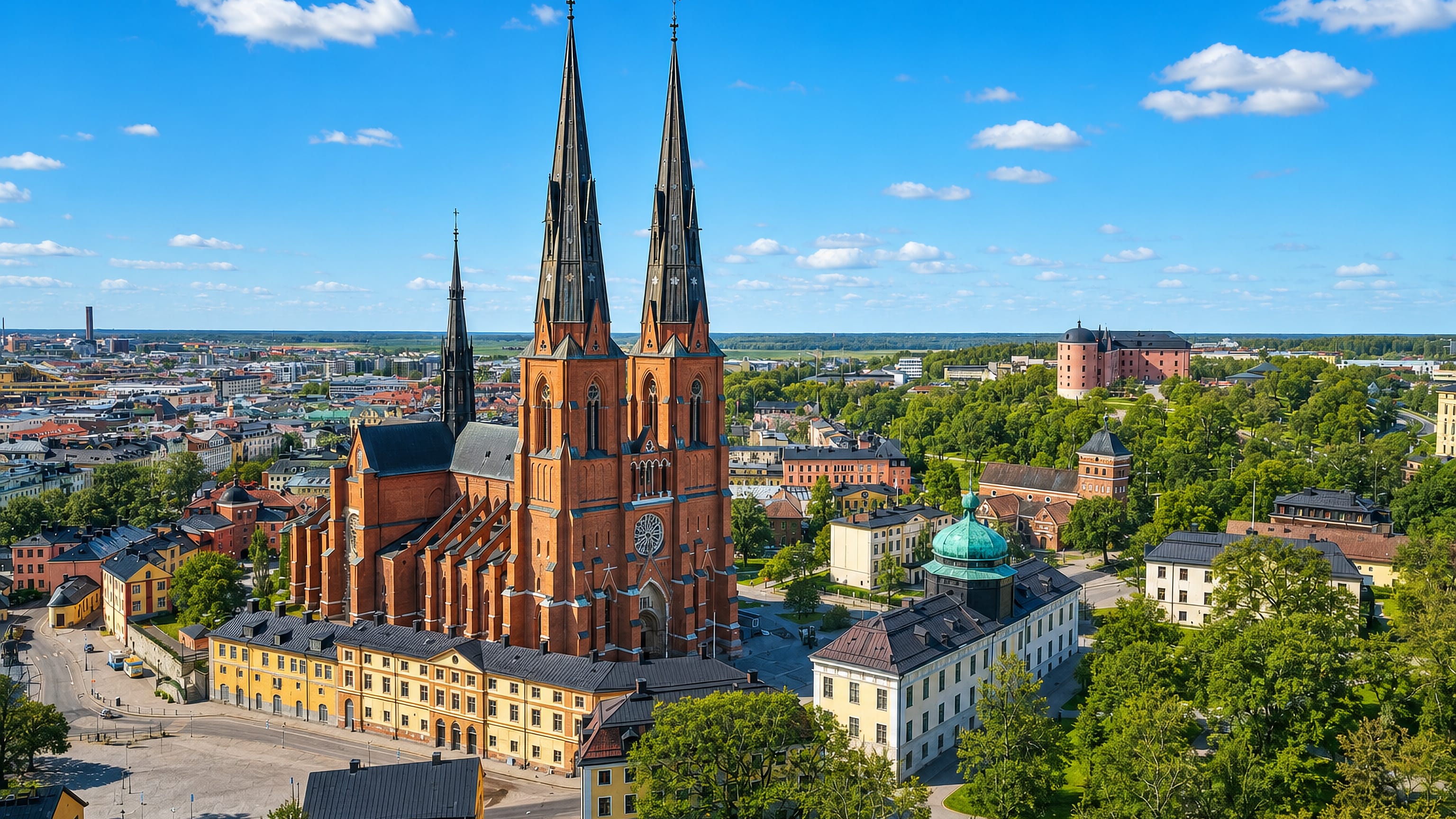
Two institutions define Uppsala: its university and its cathedral. Uppsala University, founded in 1477, is the oldest in Scandinavia, and its students still set the tempo of the streets each term. Domkyrkan, the largest church in the Nordic countries, rises over the old town in twin Gothic spires.
Carl Linnaeus worked here. The Celsius scale carries the name of a professor who taught here too.
What are the main landmarks in Uppsala?
Domkyrkan, Scandinavia's tallest cathedral, holds the tombs of Gustav Vasa and Carl Linnaeus beneath its brick vaults. Uppsala Castle looks down from the ridge above. The great royal burial mounds of Gamla Uppsala rise north of the centre, a pre-Christian seat of power older than the unified kingdom of Sweden itself.
Two museums anchor the rest: the Gustavianum, with Olof Rudbeck's anatomical theatre, and the Uppsala konstmuseum within the castle. See the mounds at dusk.
What is the history of Uppsala?
Uppsala's roots run deeper than its charter. The burial mounds at Gamla Uppsala mark a centre of Norse kingship and ritual that chroniclers abroad were already describing in the eleventh century. Power later shifted south to the present town, where the archbishop's seat settled and the cathedral slowly rose.
Learning followed. Uppsala University opened in 1477 under a papal bull, faltered, and was re-founded in 1593 to stay for good. The Thirty Years' War brought unexpected fortune, when manuscripts seized on the continent flowed north to form the core of the Carolina Rediviva library.
Kings came and went. The university endured.
Where is Uppsala?
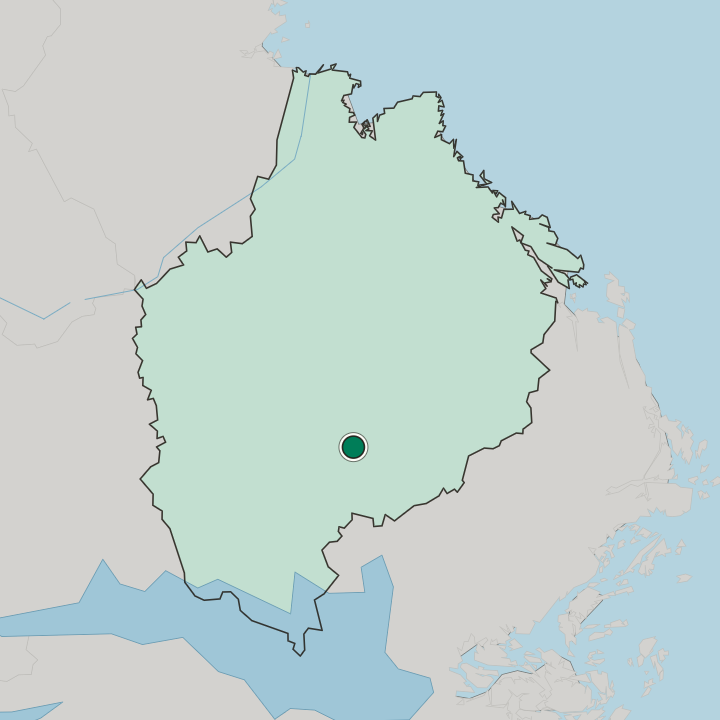
Uppsala lies in the eastern part of Uppsala County, set on the flat Uppland plain that rolls north of Stockholm toward the Bothnian coast. The Fyrisån runs through the middle of town and drains south into Lake Mälaren. A low gravel esker, the Uppsalaåsen, lifts the castle and the cathedral well above the valley floor, the only real relief for miles.
Open fields, runestones, and drainage ditches stretch out beyond the last streets. It is famously level. Cyclists rule here.
What is the climate of Uppsala?
Uppsala has a humid continental climate, shaped by its inland position in eastern Sweden. Winters are long, cold, and often snow-covered from December into March. Summers are mild and bright, and around midsummer the slow northern dusk stretches the evenings so far past nine that the dark barely arrives at all.
Spring comes late but fast. Autumn turns grey and wet before the first frosts settle over the plain.
How do you get to Uppsala?
Uppsala Central Station ranks among Sweden's busiest rail hubs outside Stockholm. Fast intercity trains reach Stockholm in well under an hour, and the line carries on north toward Gävle and the Bothnian coast. Commuter and regional services thread out to smaller towns across the county.
Trains to Arlanda need no change in the capital. The E4 motorway skirts the eastern edge of the city. Bikes do the rest.
Common questions
What is the best area to stay in Uppsala?
City centre: first-timers. Luthagen: longer, quieter stays. Studentstaden: budget travellers.
Good for
More cities in Uppsala County
Updated October 2026