Senegal
Diourbel, Senegal — Towns & Travel Guide
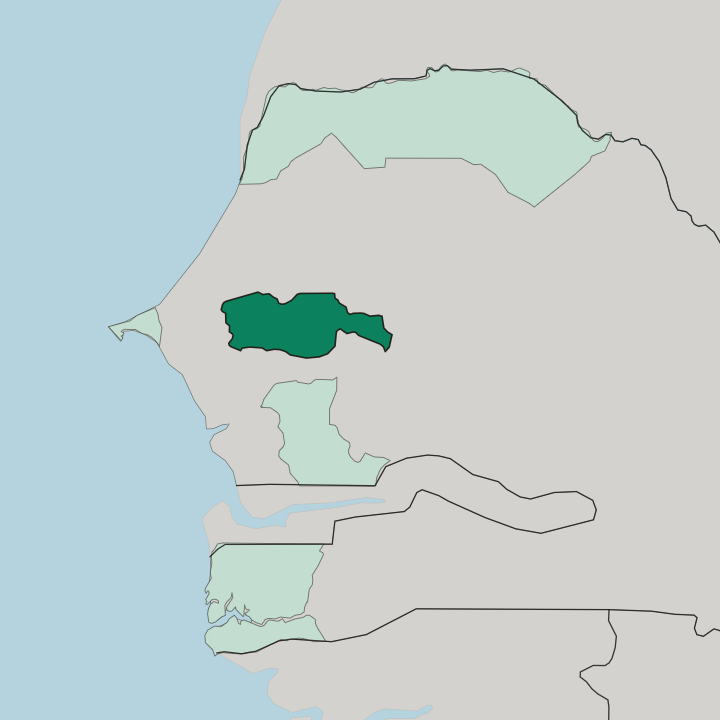
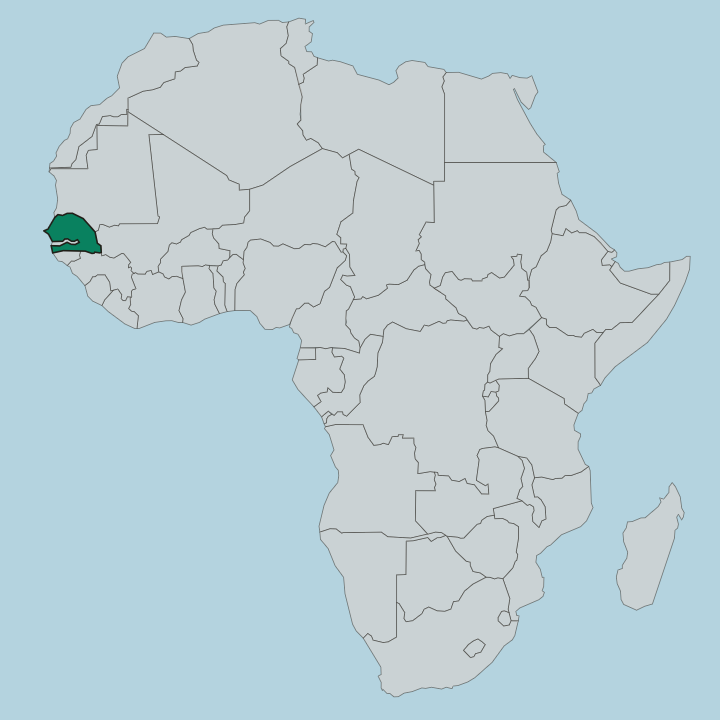
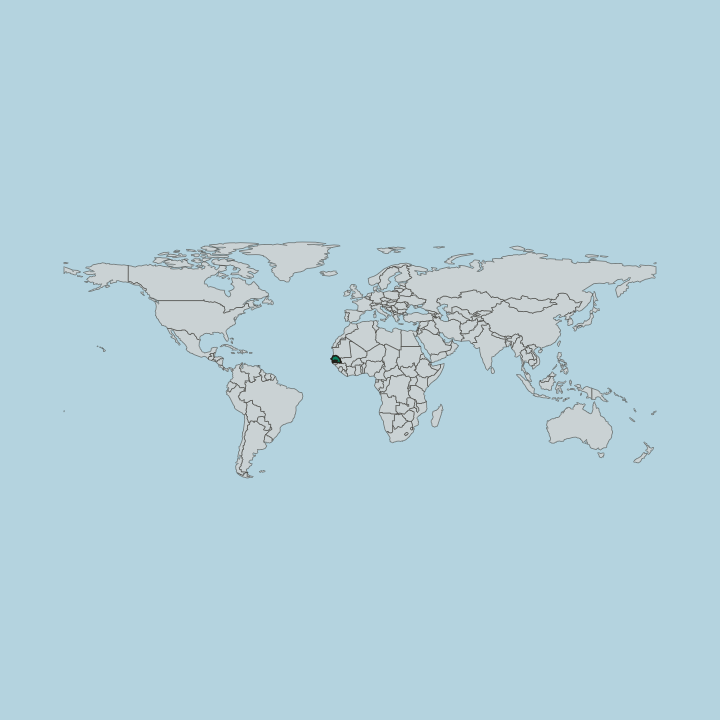
Diourbel is a region of Senegal covering the ground of the old Bawol kingdom; Touba is its largest city and Diourbel its capital.
Hotel links are affiliate links: booking through them may earn us a commission, at no extra cost to you. It never affects how places are ranked. How this works


Towns & cities in Diourbel
One town here has its own guide — it links to where to stay.
 Senegal
Touba
Touba is the holy city of the Mouride brotherhood in central Senegal, built around one of the great mosques of Africa.Where to stay →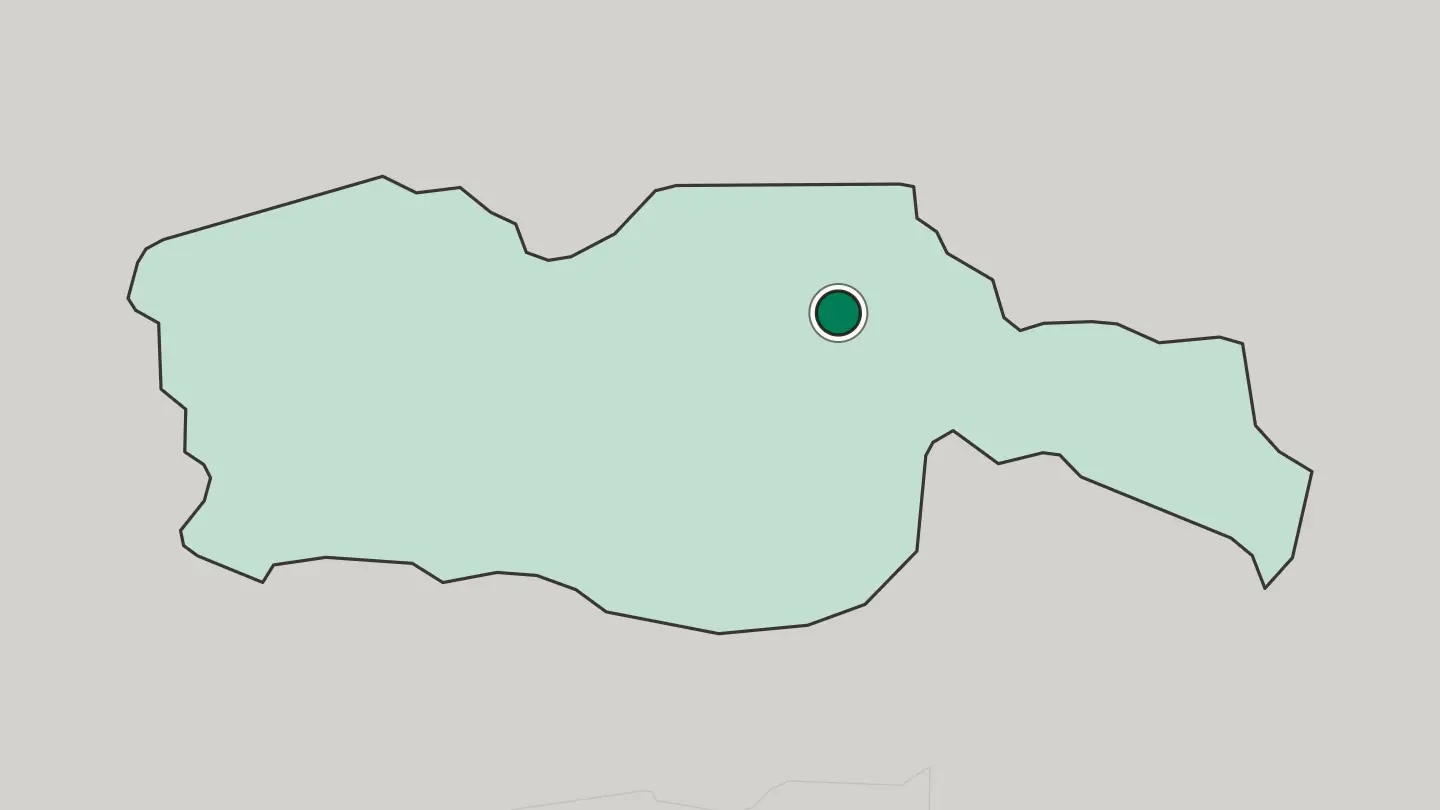
Hotel links are affiliate links: booking through them may earn us a commission, at no extra cost to you. It never affects how places are ranked. How this works
About Diourbel
Diourbel holds sacred ground of two kinds.
What is Diourbel known for?
The Cekeen Tumuli are counted among the most sacred sites in Serer religion, while Touba, in Mbacké department, is the holy city of the Mouride Islamic Sufi order. Bawol is the older name. The region corresponds roughly to the precolonial kingdom of Bawol, and people from here are still called Bawol-Bawol.
Where is Diourbel?
The region is the old Bawol. Its borders correspond roughly to the precolonial kingdom, so what the map calls Diourbel is a shape that predates the administrative one by centuries and is still known by the older name. Two cities anchor it.
Diourbel is the regional capital, while Touba is the larger of the two and the reason most journeys into the region are made at all. Mbacké department contains Touba. Touba draws movement from well beyond the region's own villages, and the roads through Mbacké department carry that traffic.
Tropical air sits over the whole region. Diourbel lies in the tropical band, which sets the year by wet and dry rather than by warm and cold, and shapes the farming and the movement of people accordingly. The Cekeen Tumuli break the ground.
These burial mounds stand within the region and are attributed by scholars including Charles Becker, Henry Gravrand, and Victor Martin to the Serer people, forming part of the Serer tumulus of Baol. Land and memory overlap here. The same ground that carries villages of the Bawol-Bawol also carries monuments that Serer religion treats as sacred, and the two are not separable on the map.
What is Diourbel like?
Serer identity runs deep in Bawol. The Serer people are believed to have been the first to settle this ground, and the Cangin group among them, the Safene in particular, are named as the strongest presence in the region. Wolof and other groups live here too.
The old kingdom of Bawol was ruled by the Joof, a family of the Serer ethnic group found in Senegambia, and its name still attaches to the people as Bawol-Bawol. The pluralisation is a Serer habit, the same one behind Sine-Sine and Saloum-Saloum. Two religious traditions are present in the region.
The Cekeen Tumuli are regarded as among the most sacred sites in Serer religion, and scholars attribute them to the Serer people as part of the tumulus of Baol. Touba is the other. The city in Mbacké department is the holy city of the Mouride Islamic Sufi order, and its establishment in Serer country is recorded as a contested matter, including among Serers who follow Serer religion.
Some Serers are Muslims. Serers have also headed the order, a fact that complicates any single account of how the two traditions sit together in Bawol.
What is the history of Diourbel?
Bawol came before Diourbel. The region corresponds roughly to that precolonial kingdom, ruled by the Joof and remembered in the name still used for the people of the area. The tumuli are older still.
Charles Becker, Henry Gravrand, and Victor Martin are among the scholars who read the Cekeen Tumuli as Serer work, part of a burial tradition that long predates any modern boundary.
What is the climate of Diourbel?
Diourbel keeps a tropical year. Wet and dry seasons take the place of a warm-and-cold year, and the farming villages of Bawol arrange planting, harvest, and travel around which of the two is running. Warmth is the one steady thing across Diourbel.
Journeys to Touba and across Mbacké department are easier in the dry months, when the roads out of Diourbel are firm and the ground gives no trouble.
How do you get to Diourbel?
Roads bring most arrivals into Bawol. Diourbel is the regional capital and the administrative point of entry, while Touba pulls a traffic of its own that runs through Mbacké department at the times of pilgrimage. Distances inside are moderate.
A journey between the regional capital and Touba is short enough to be done in a day, which is why many visitors base in one and see the other.
Common questions
What is the best area to stay in Diourbel?
Touba: Pilgrimage stays in the holy city of the Mouride order. Diourbel city: Working nights in the regional capital of the old Bawol.
Good for
More regions in Senegal
Updated September 2026