Tunisia
Gouvernorat de Monastir, Tunisia — Towns & Travel Guide
Monastir Governorate farms most of its land but employs most of its people in textiles, in mill towns like Ksar Hellal around the capital, Monastir.
Hotel links are affiliate links: booking through them may earn us a commission, at no extra cost to you. It never affects how places are ranked. How this works


Towns & cities in Gouvernorat de Monastir
Pick a town or city — each links to where to stay.

 Tunisia
Monastir
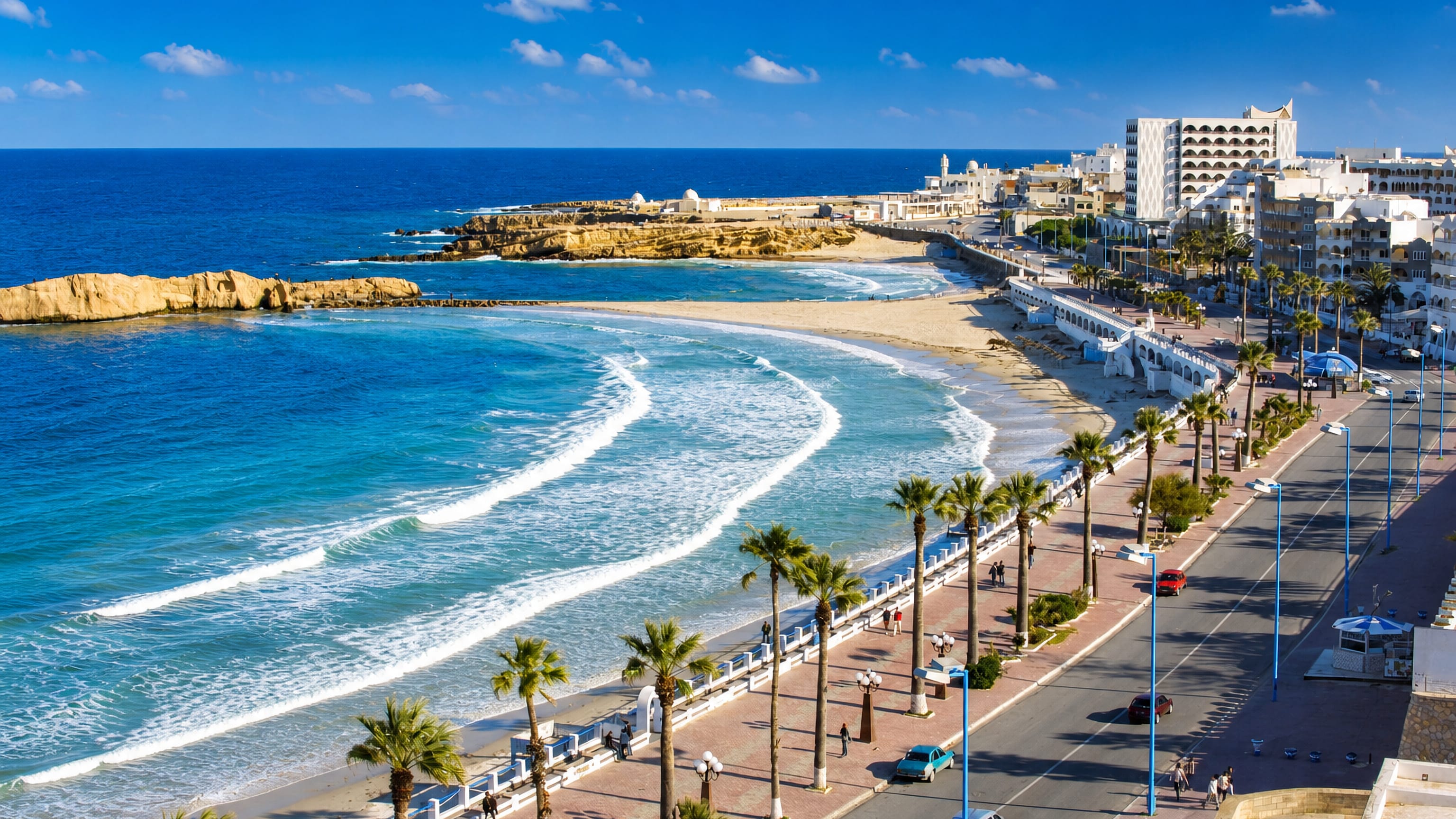
Monastir is a coastal town of the Tunisian Sahel, a beach resort built around a great ribat fortress, the birthplace of the founder of modern Tunisia.Where to stay →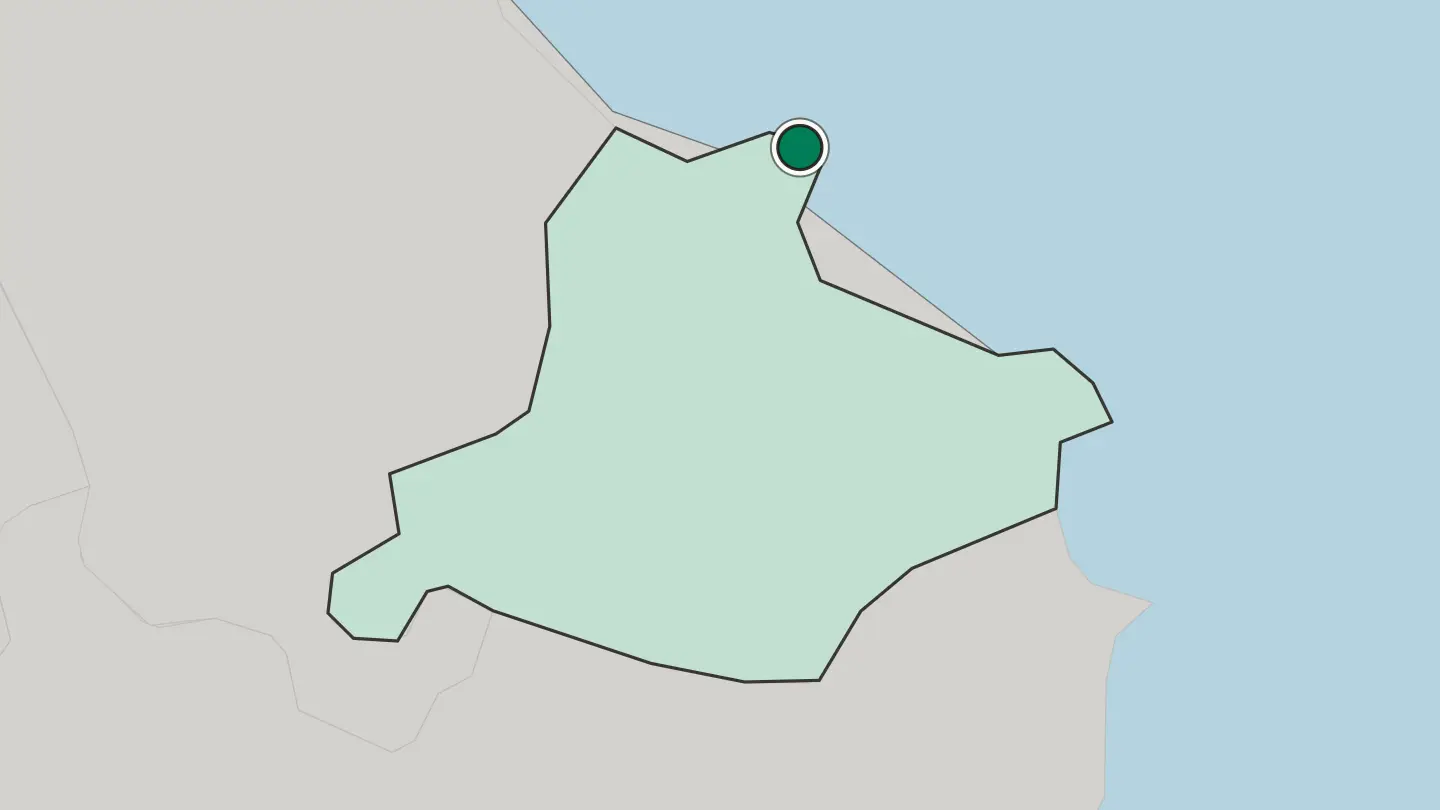 Tunisia
Ksar Hellal
Ksar Hellal is a town and commune of the Monastir Governorate, with the Lamta Archaeological Museum and the Moknine Museum in reach.Where to stay →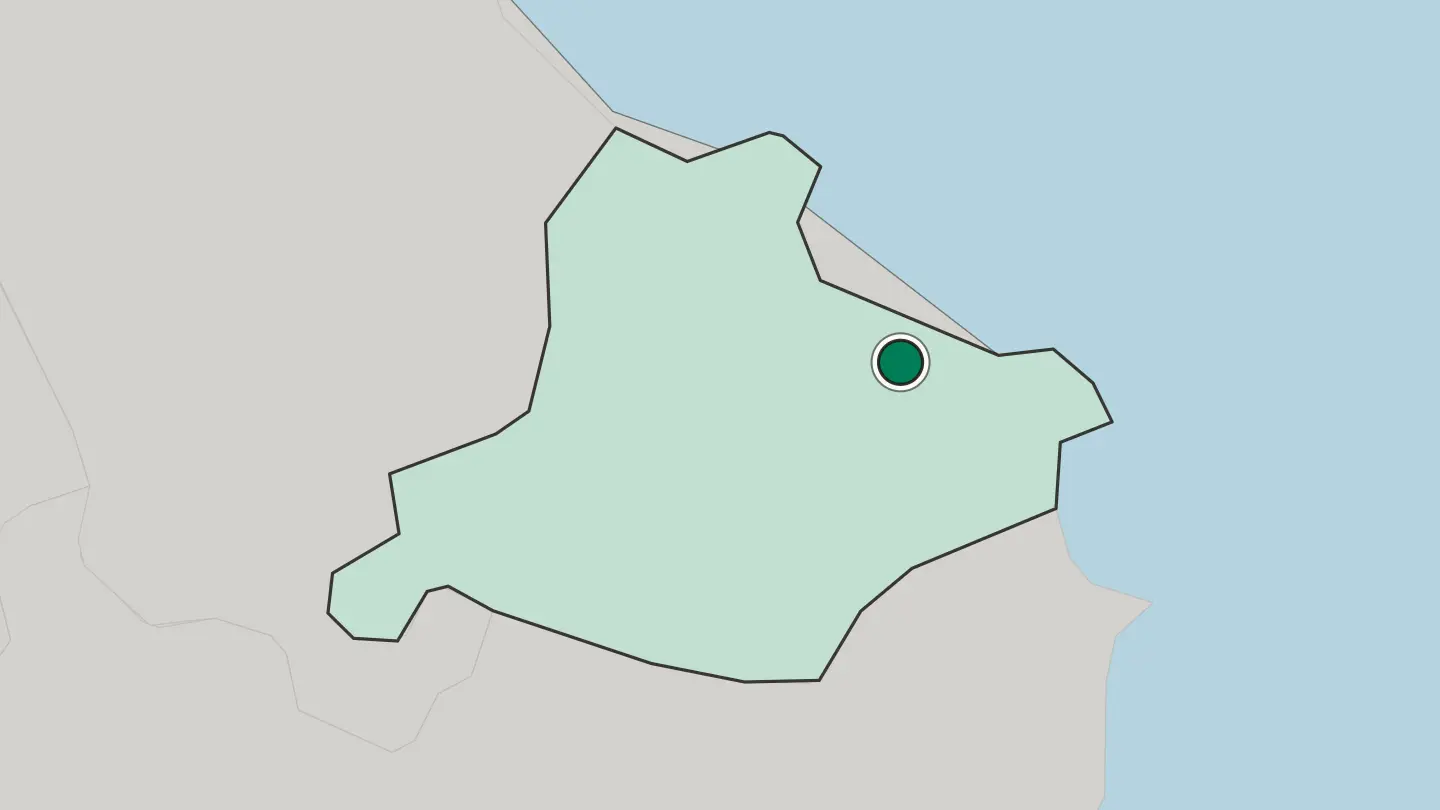
Hotel links are affiliate links: booking through them may earn us a commission, at no extra cost to you. It never affects how places are ranked. How this works
About Gouvernorat de Monastir
Textiles carry this governorate.
What is Gouvernorat de Monastir known for?
Its industry is dominated by the textile sector, which sends most of what it makes to European Union countries rather than to the domestic market. Farmland still covers most of the ground. Ksar Hellal and Bembla hold the bulk of the industrial jobs between them, so the working life of the province concentrates in a pair of towns rather than spreading evenly across its communes.
Where is Gouvernorat de Monastir?
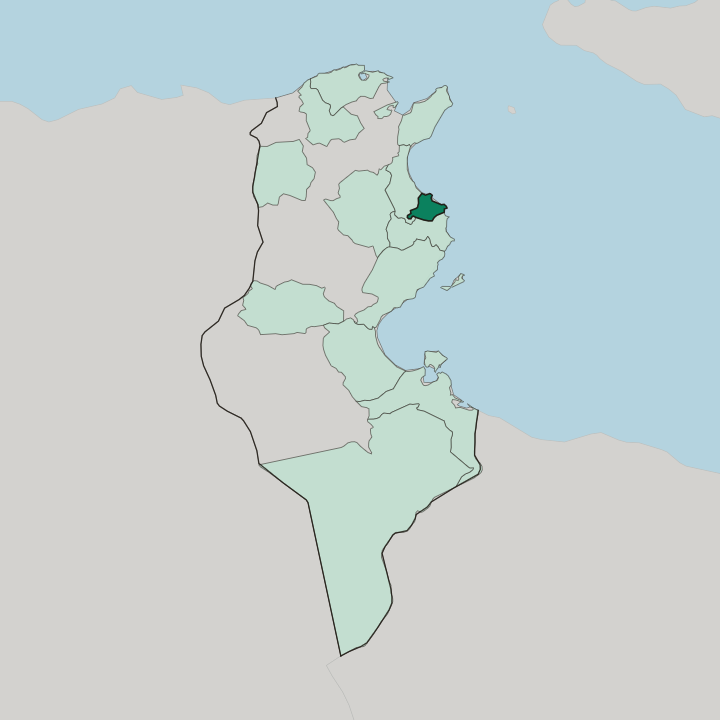
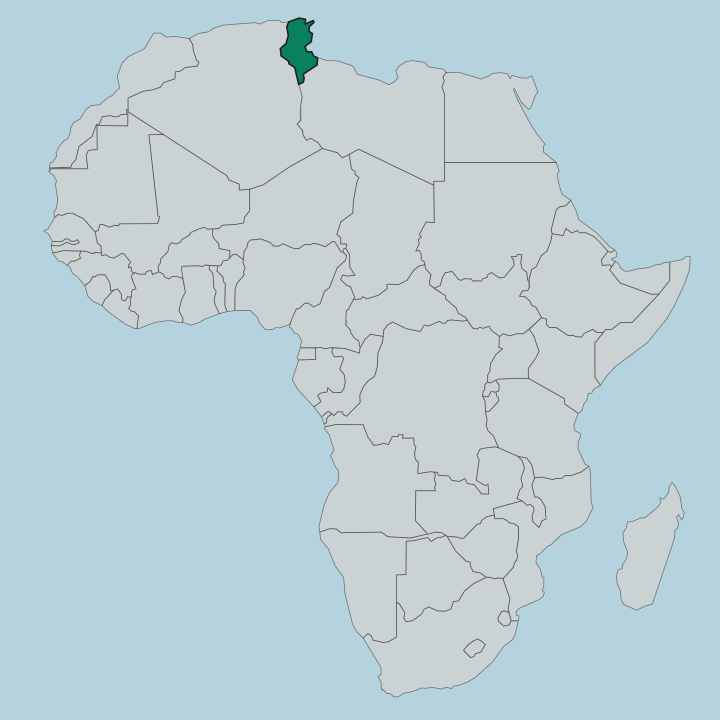
Monastir Governorate is small and worked. Of the twenty-four governorates into which Tunisia is divided, this is one of the more compact, and the great majority of its surface is set aside for agriculture rather than left as waste ground or built over. Farmland is the default here.
The reserved agricultural land accounts for the overwhelming share of the province's area, which means the settled and industrial parts of the governorate sit as islands inside a worked landscape rather than as a continuous urban belt. Two towns break that pattern. Ksar Hellal and Bembla carry the factories, and between them they account for the large majority of the industrial jobs in the province, so the industrial geography of Monastir Governorate is concentrated rather than dispersed.
Monastir holds the administration. The capital gives the governorate its name and its centre of government, and the province was set up as a separate unit in 1974 rather than inherited from an older provincial line. Agriculture sets the rest.
Beyond the two factory towns, the communes of the governorate live off the reserved farmland that covers the bulk of its surface, which is why its industrial output and its land use point in different directions.
What is Gouvernorat de Monastir like?
Work shapes the character of this province. Arabic is the language, and the rhythm of ordinary life follows two calendars at once: the agricultural year on the land that covers most of the governorate, and the shift patterns of the textile factories that employ more people than the fields do. Ksar Hellal is a mill town.
So is Bembla. Between them the two carry the greater part of the industrial employment in Monastir Governorate, which gives both a working identity quite unlike that of the farming communes around them. Export shapes the trade.
Most of what the textile plants produce leaves for European Union countries, so the province's manufacturing is tied to buyers abroad rather than to demand within Tunisia, and its factories answer to seasons set elsewhere. The capital gives the province its name. Monastir holds the administration, and since the governorate was constituted in 1974 the town has served as the reference point for a province whose people are spread between farms and factory floors.
Both worlds sit close together. A short drive crosses from reserved farmland into the industrial belt, and that closeness is the most telling thing about how the governorate lives.
What is the history of Gouvernorat de Monastir?
Monastir Governorate dates from 1974. The province was constituted in that year as one of the twenty-four governorates of Tunisia, which makes its boundaries and its administration a product of the modern state rather than of an older provincial map. Its base has always been the land.
The economy rests primarily on agriculture, yet industry overtook the fields as the main employer, and the textile plants around Ksar Hellal and Bembla have come to define the working history of the governorate.
What is the climate of Gouvernorat de Monastir?
Farmland is the best guide here. Monastir Governorate lies in the temperate band of the northern hemisphere, and the fact that the overwhelming share of its surface is reserved for agriculture says more about its growing conditions than any single label would. The seasons work the fields.
Crops occupy most of the province through the year, and the industrial towns of Ksar Hellal and Bembla run to their own calendar regardless of what the weather does to the farmland around them.
How do you get to Gouvernorat de Monastir?
Monastir is the way in. The capital of the governorate is its administrative centre and the point most journeys aim for, and roads from it thread out to Ksar Hellal, Bembla, and the farming communes that fill the rest of the province. The province is compact.
Distances inside Monastir Governorate are short, so a traveller arriving in the capital can reach the industrial belt and the agricultural interior without changing base.
Common questions
What is the best area to stay in Gouvernorat de Monastir?
Monastir: business travellers with work in the governorate's textile trade. Ksar Hellal: visitors calling on the textile factories. Bembla: stays beside the second of the province's factory clusters.
More regions in Tunisia
Updated September 2026