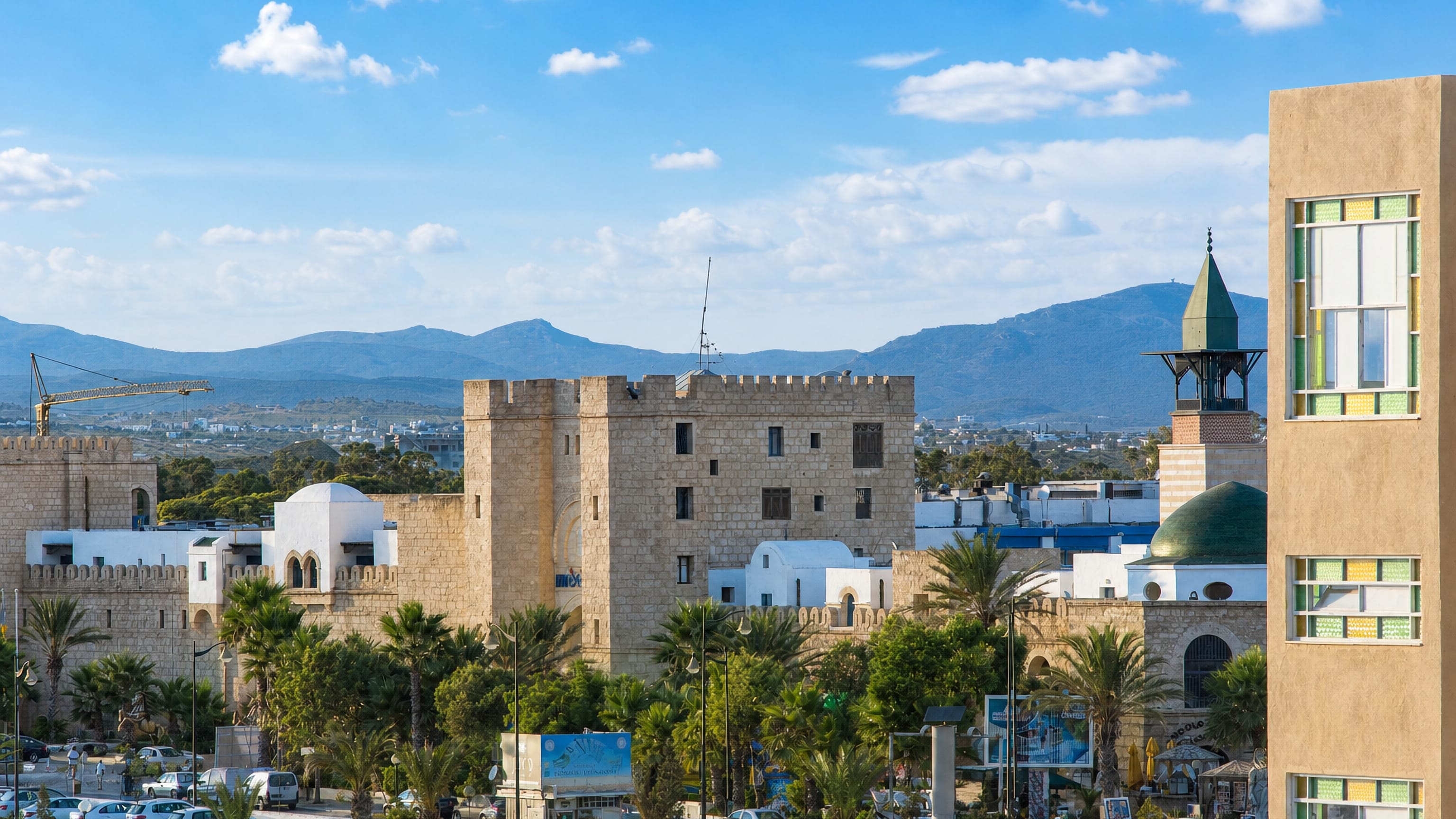
Tunisia
Gouvernorat de Nabeul, Tunisia — Towns & Travel Guide
The town of Nabeul gives its name to a governorate constituted in 1956, one of the twenty-four provinces into which Tunisia is divided.
Hotel links are affiliate links: booking through them may earn us a commission, at no extra cost to you. It never affects how places are ranked. How this works


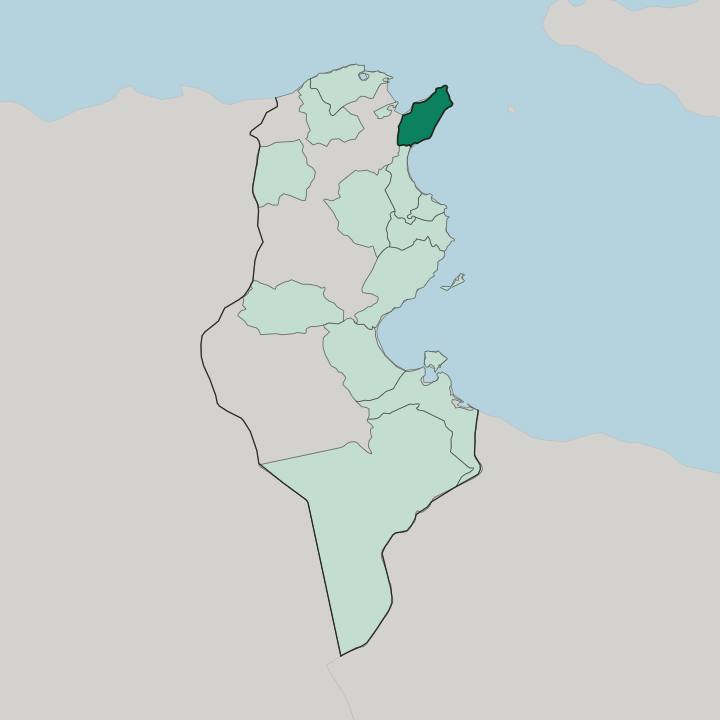
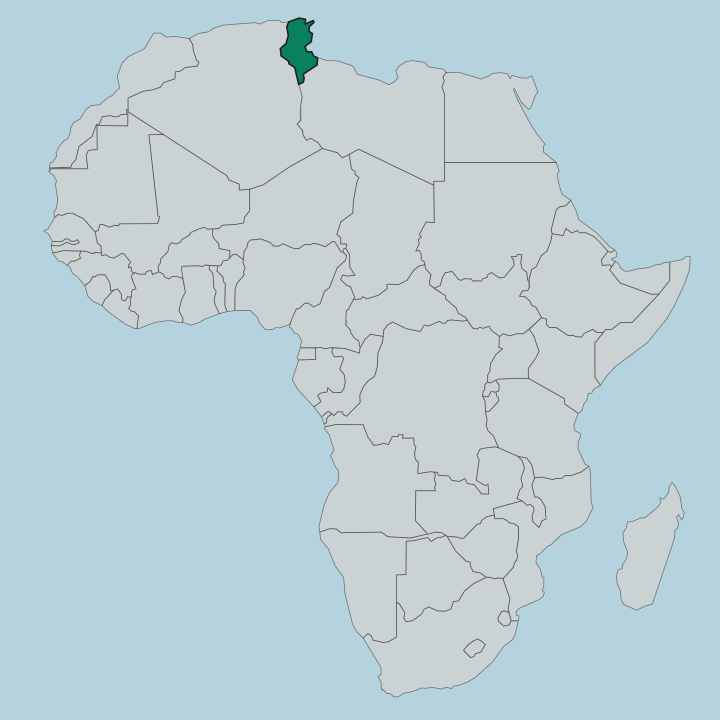
Towns & cities in Gouvernorat de Nabeul
Pick a town or city — each links to where to stay.

 Tunisia
Hammamet
Hammamet is a beach resort town on the Cap Bon coast of Tunisia, a walled medina by the sea ringed by jasmine gardens and long sands.Where to stay →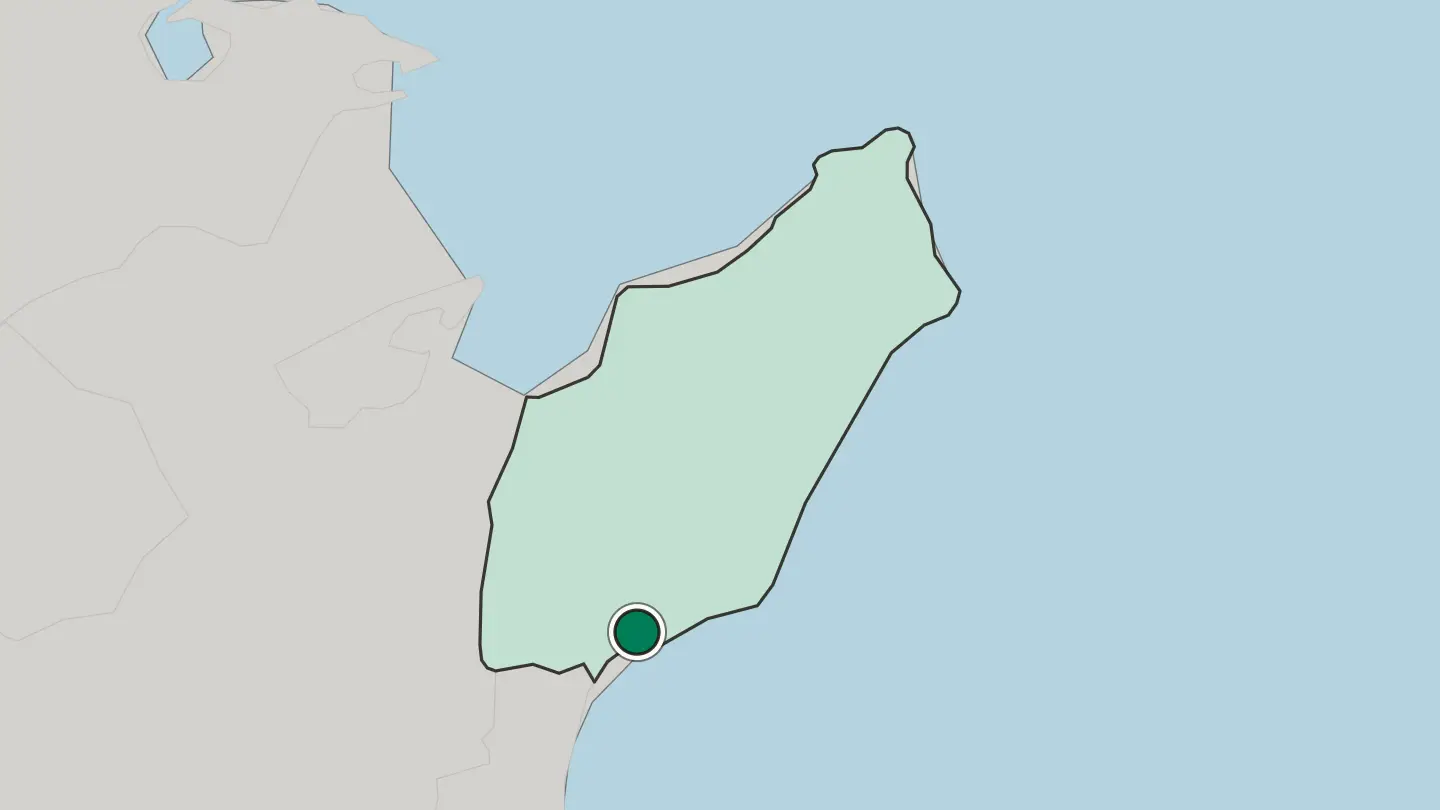
 Tunisia
Nabeul
Nabeul holds the south coast of the Cape Bon peninsula, the first seaside resort in Tunisia, with Neapolis on the same ground.Where to stay →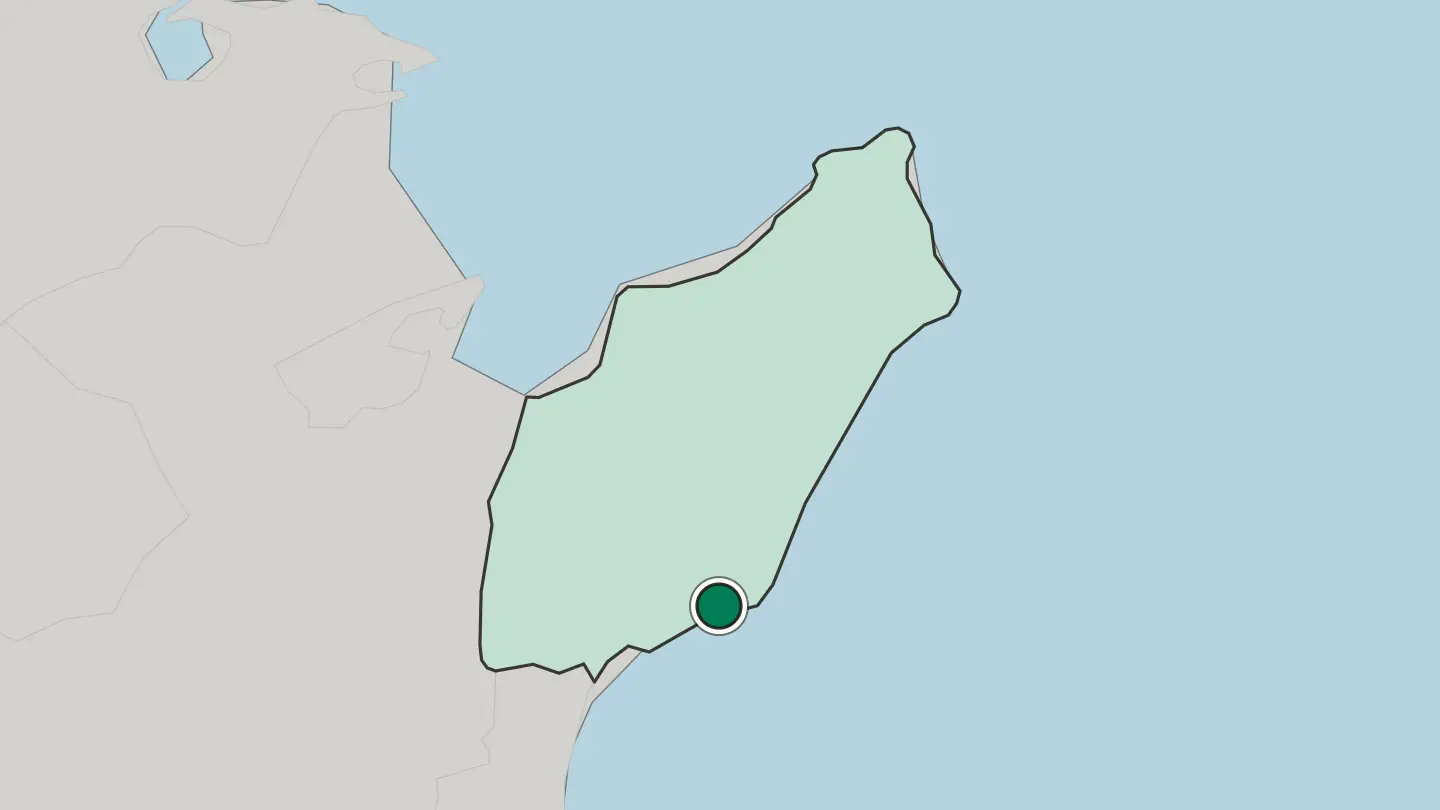
 Tunisia
Kélibia
Kélibia is a coastal town on the Cap Bon peninsula, in the Nabeul Governorate, with sand beaches counted among the finest on the Mediterranean.Where to stay →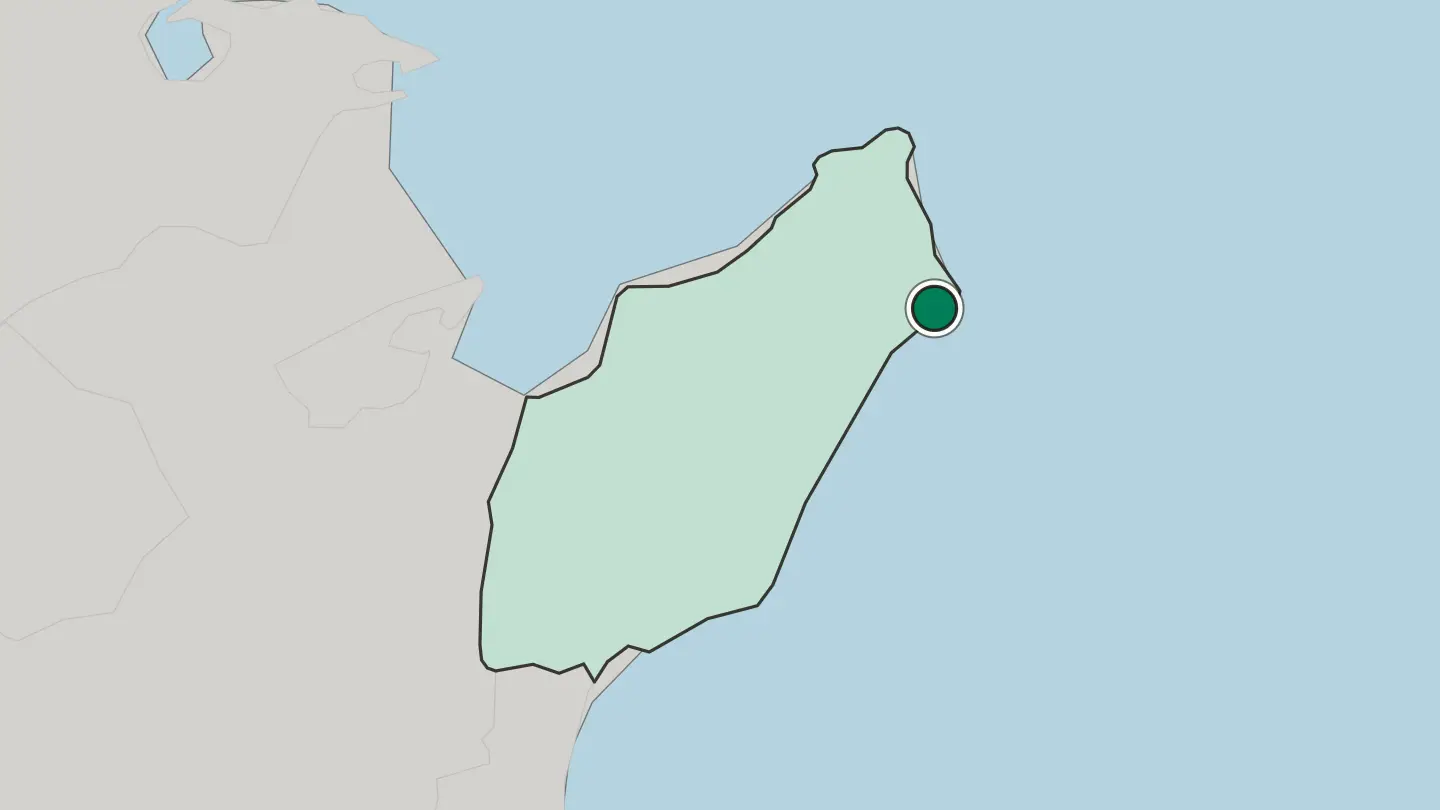
Hotel links are affiliate links: booking through them may earn us a commission, at no extra cost to you. It never affects how places are ranked. How this works
About Gouvernorat de Nabeul
The name says most of it.
What is Gouvernorat de Nabeul known for?
Nabeul Governorate is known through its capital, Nabeul, the town that gives the province its name and holds its administration, and the province stands in Tunisia as one of the twenty-four governorates rather than as a region with a separate identity of its own. Its ground is moderate in extent. The territory gathers a set of communes under a single administration, and the whole of it dates from 1956, which makes the province a creation of the modern Tunisian state.
Where is Gouvernorat de Nabeul?
Administration draws this province, not terrain. Nabeul Governorate is one of the twenty-four governorates into which Tunisia is split, and its extent is fixed by that division rather than by any single valley, range, or basin that a traveller could see on the ground. Its area is moderate.
The governorate covers enough ground to hold a spread of communes under one administration, and a journey from one side of the province to the other is a matter of hours rather than days. Nabeul gives the province its centre. The capital carries the same name as the governorate around it, which means that on a map the word Nabeul does double duty, marking both a town and the whole administrative territory that answers to it.
That doubling is not accidental. The province was constituted around its principal town and took the town's name with it, so Nabeul Governorate is defined outward from a centre rather than inward from a frontier. The boundary is a legal one.
Where the province ends another governorate begins, and the line between them exists in the decrees that organise the country rather than in the ground underfoot.
What is Gouvernorat de Nabeul like?
The province answers to two written names. Nabeul Governorate is set down as ولاية نابل in Arabic and as Gouvernorat de Nabeul in French, and the two forms name the same administrative unit rather than two different places. Arabic is what people speak.
Nabeul lends its name to the whole governorate, so the identity of the province is bound up with a single settlement in a way that a region named for a river or a mountain would never be. The province is young as an institution. Nabeul Governorate was set up in 1956, which places its civic life squarely in the modern era of Tunisian administration rather than in an inherited provincial tradition carried down from earlier centuries.
Its communes look to the capital. Every commune in the governorate answers to the administration at Nabeul, and that arrangement gives the province a single obvious centre where official business, records, and services are concentrated. The pattern is simple and clear.
One town, one name, and one province: the culture of Nabeul Governorate rests on that plain arrangement, and it is why the town and the territory are so hard to speak about separately.
What is the history of Gouvernorat de Nabeul?
The year 1956 is the province's starting point. Nabeul Governorate was constituted then, which means its boundaries, its administration, and its name as a governorate all belong to the modern organisation of Tunisia rather than to any earlier provincial arrangement. The town came first.
Nabeul existed before the province that carries its name, and when the governorate was formed the town was made its capital, an order of events that explains why the two share a name at all.
What is the climate of Gouvernorat de Nabeul?
Distance changes little across this province. Nabeul Governorate covers a moderate span of ground under one administration, and a visitor moving between its communes and the capital will find the day much the same at either end of the journey. The province reads as one.
Because the whole territory answers to Nabeul and covers no great distance, the planning of a visit turns on the calendar of the province as a whole rather than on picking between separate corners of it.
How do you get to Gouvernorat de Nabeul?
Everything routes through Nabeul. The capital of the governorate is where its administration sits, and roads within the province run to it rather than around it, so an arrival in Nabeul Governorate almost always means an arrival in the town of the same name. The governorate is small enough to cross.
Once a traveller reaches the capital, the communes of Nabeul Governorate lie within reach of a day's movement, and no part of the province needs a separate base to visit.
Common questions
What is the best area to stay in Gouvernorat de Nabeul?
Nabeul: a base in the town that lends the governorate its name. The communes governed from Nabeul: travellers wanting distance from the provincial capital.
More regions in Tunisia
Updated September 2026