Taiwan
Kaohsiung, Taiwan — Towns & Travel Guide
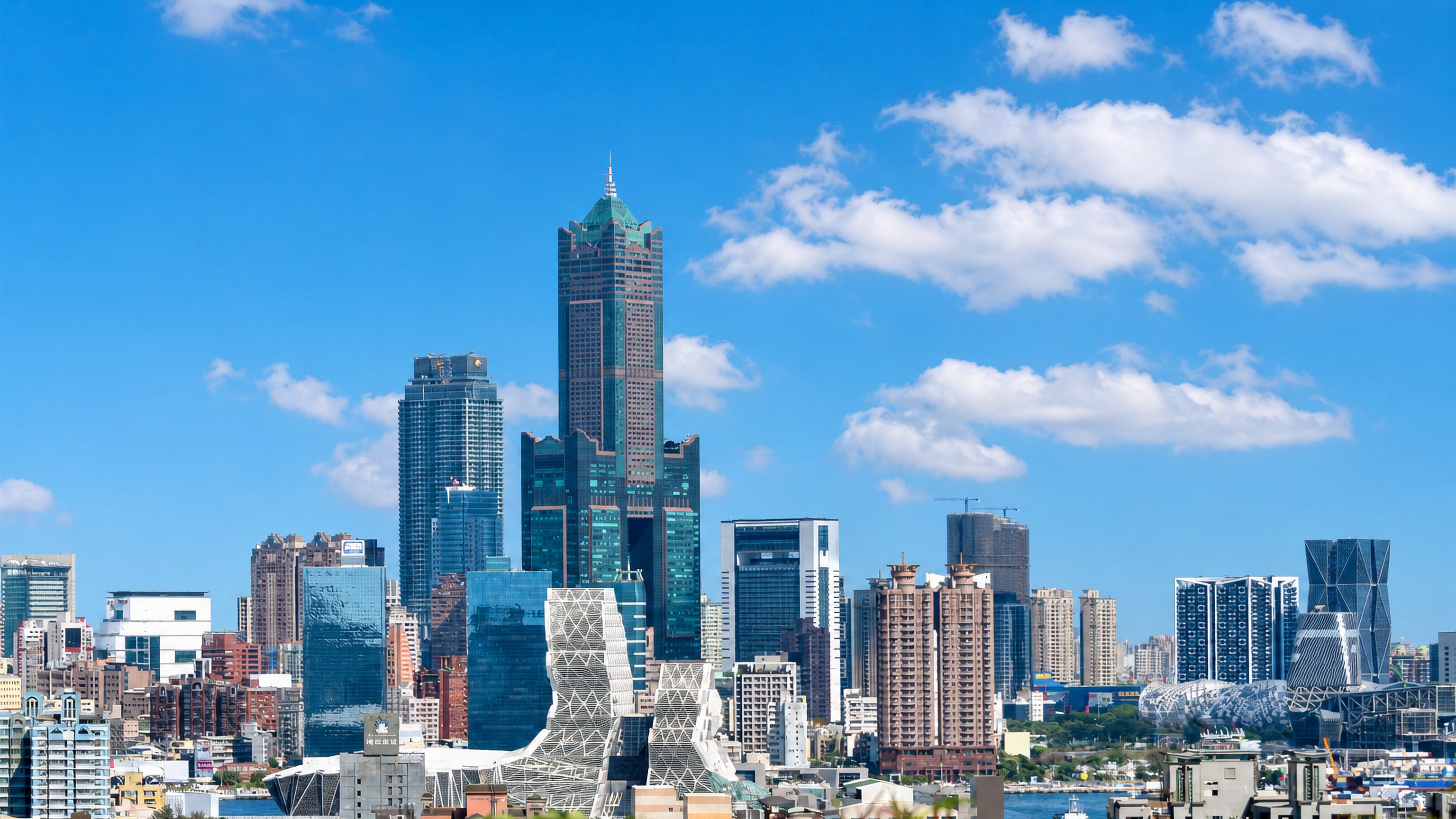
Kaohsiung is southern Taiwan's great port municipality, wrapped around a working harbour and backed by the Central Mountain Range.
Hotel links are affiliate links: booking through them may earn us a commission, at no extra cost to you. It never affects how places are ranked. How this works


Towns & cities in Kaohsiung
One town here has its own guide — it links to where to stay.

 Taiwan
Kaohsiung
Container cranes line the harbor at Kaohsiung, a port city on the west coast of southern Taiwan, known for its working docks and Holy Rosary Cathedral.Where to stay →
Hotel links are affiliate links: booking through them may earn us a commission, at no extra cost to you. It never affects how places are ranked. How this works
About Kaohsiung
What is Kaohsiung known for?
Kaohsiung is Taiwan's harbour city. Its name is the Port of Kaohsiung, the largest and busiest in the country, through which the bulk of the island's container trade moves. Cijin Island shelters the downtown waterfront from the South China Sea and doubles as the city's beach.
Inland, the Love River threads through the centre before emptying into the harbour, lit up at night for the boats that cruise it. The old dockside warehouses of Yancheng have been turned into galleries and studios, and the temple-ringed Lotus Pond sits out at Zuoying to the north.
Where is Kaohsiung?
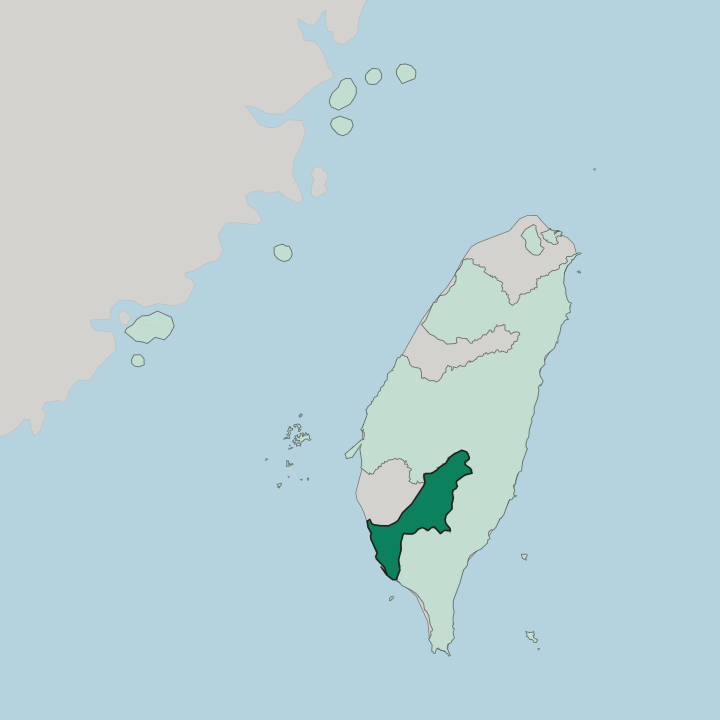
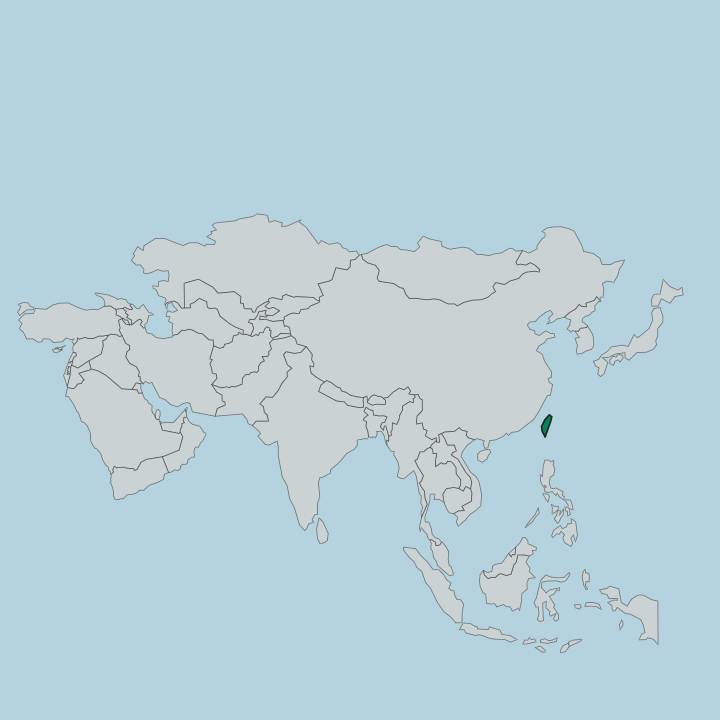
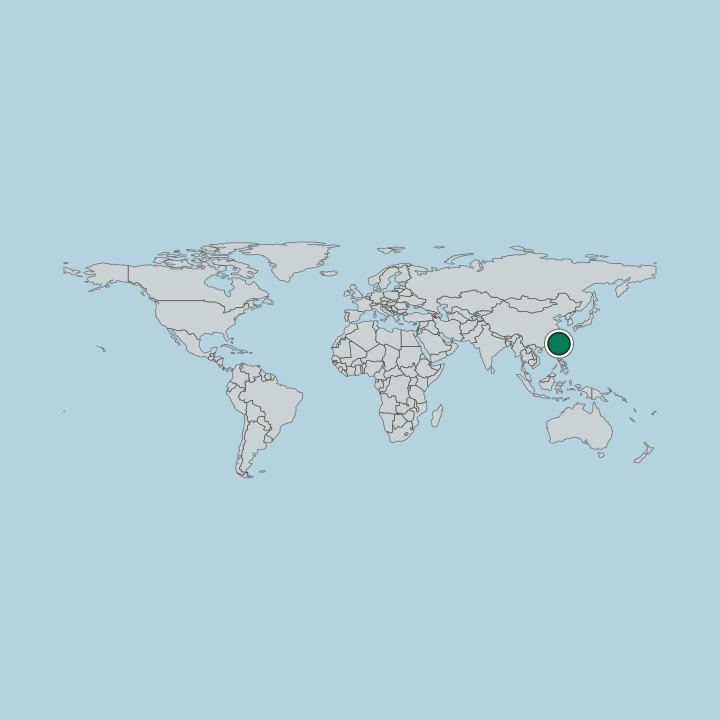
Kaohsiung fills the south-western corner of Taiwan, the largest city on the island by land area. It runs from the sea to the mountains. The urban core hugs the west coast, where the warm South China Sea washes the harbour and the beaches of Cijin Island, the long sandbar that fronts the downtown and shelters the port behind it.
From that flat coastal plain the municipality climbs inland and north-east, rising through farmland and foothills until it meets the Central Mountain Range that forms the spine of the island. At its far north-eastern tip the city reaches into Yushan National Park, and within that park stands Yu Shan, the Jade Mountain, whose main peak marks the city's north-eastern limit. Mountains cover over half of the municipality.
The Love River carries the two ends together, rising in the hills of Renwu and running roughly twelve kilometres down through the centre before it slips into Kaohsiung Harbour. Coast, plain, river and peak all sit inside one boundary. That is the shape of the place, and it governs almost everything else about it.
What is Kaohsiung like?
Kaohsiung wears its port on its sleeve. This is a working city first, built on shipping, steel and the container docks, and that plainness has become part of its appeal as the old industry makes room for art. The clearest sign is Pier-2, a run of abandoned dockside warehouses in Yancheng reborn as galleries, studios and music venues, where street art covers the concrete the freight once filled.
Faith is loud here too. Out at the Lotus Pond in Zuoying, worshippers file through the mouth of the Dragon and Tiger Pagodas and past the Spring and Autumn Pavilions, temples that draw on Buddhism, Taoism and Chinese folk religion in equal measure. The everyday language mixes Mandarin with Taiwanese Hokkien, the southern tongue heard in the night markets and on the ferries.
Food follows the harbour. Seafood dominates the stalls; on Cijin Island the day's catch is fried and grilled a few steps from the boats. The Love River ties the moods together, dockside grit by day and lantern-lit cruise by night.
It is a southern city, warmer and slower than the capital. That contrast with Taipei is something Kaohsiung people wear with some pride.
What is the history of Kaohsiung?
It began as Ta-kau. That was the fishing settlement named by the Makatau clan of the Siraya people who lived along this coast long before the harbour existed. Under Japanese rule the name was reworked into the characters read Takao, and the colonial administration dredged the harbour, laid the railway to it and raised the town to city status in 1924.
The port they built is what the modern city grew from. After the war Kaohsiung passed to the Republic of China, expanded on heavy industry, and in 2010 the old city merged with the surrounding Kaohsiung County to create the sprawling municipality that now runs from the docks to the mountains.
What is the climate of Kaohsiung?
Kaohsiung is hot. It sits in the tropics of southern Taiwan, with a monsoon rhythm that splits the year cleanly in two rather than into four seasons. The wet half runs from roughly May to September, when the summer monsoon and the odd typhoon dump most of the year's rain on the coast and the mountains behind it.
Winters are the reward: warm, dry and bright, which is why the cooler months are the ones travellers aim for. The South China Sea keeps the air humid the year round.
How do you get to Kaohsiung?
Visitors arrive one of two ways. Kaohsiung International Airport sits in the southern district of Siaogang, a short metro ride from downtown, handling the direct flights from across East and South-East Asia. The other door is the high-speed rail, whose southern terminus at Zuoying links the city to Taipei in the far north in well under two hours.
From either arrival point the Kaohsiung Metro and the harbour ferries carry you into Yancheng, the docks and across to Cijin Island. Coming from northern Taiwan, the train is the easy call.
Common questions
What is the best area to stay in Kaohsiung?
Yancheng: the old harbour quarter. Sinsing: the central business core. Zuoying: temples and fast trains north. Cijin Island: the beach across the harbour.
Good for
More regions in Taiwan
Updated October 2026