Taiwan
Taipei, Taiwan — Towns & Travel Guide
Taipei is the capital of Taiwan, a city built across an old lakebed in the island's north, ringed by green volcanic hills.
Hotel links are affiliate links: booking through them may earn us a commission, at no extra cost to you. It never affects how places are ranked. How this works


Towns & cities in Taipei
One town here has its own guide — it links to where to stay.
 Taiwan
New Taipei City
New Taipei City wraps around Taipei in northern Taiwan, known for Fort Santo Domingo at Tamsui and its temple towns.Where to stay →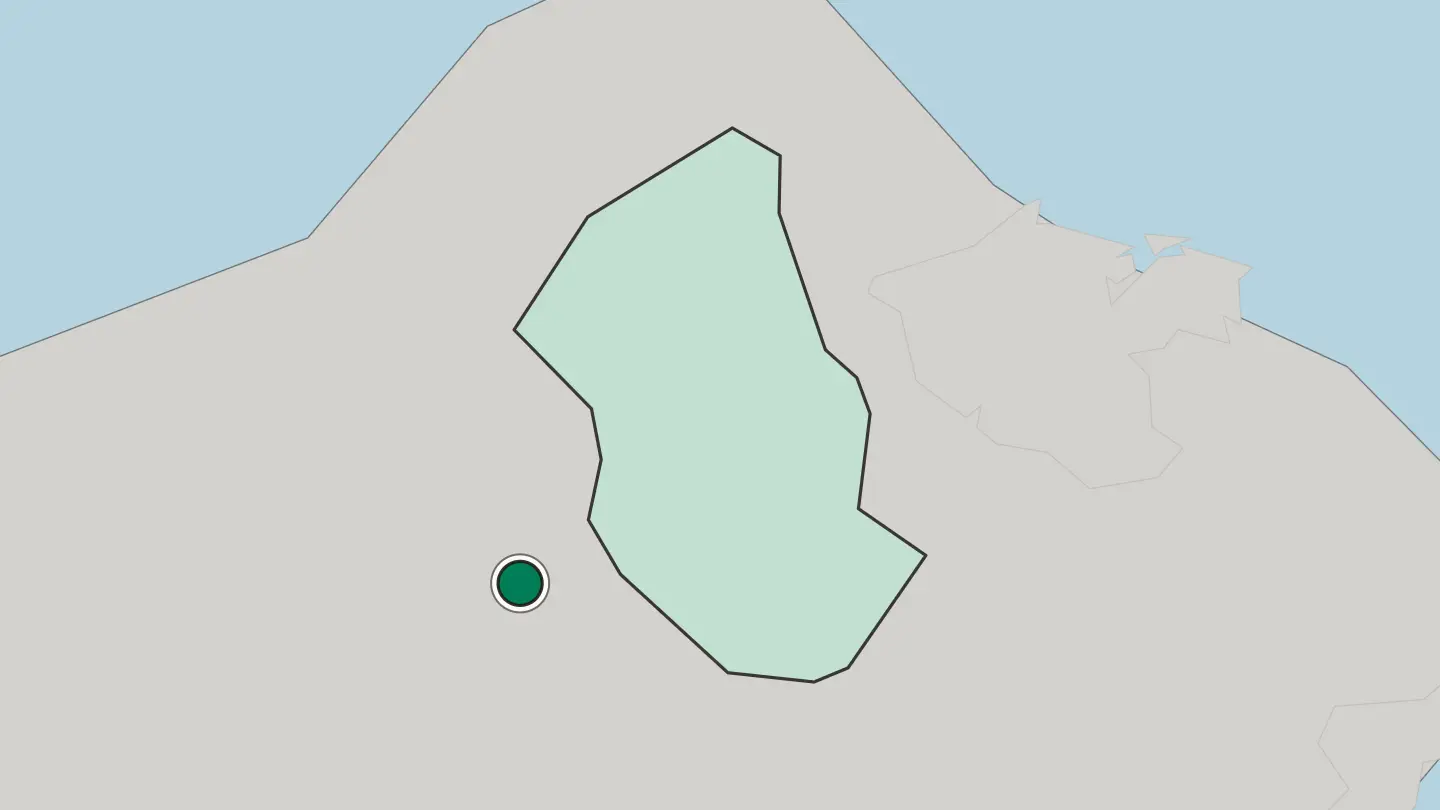
Hotel links are affiliate links: booking through them may earn us a commission, at no extra cost to you. It never affects how places are ranked. How this works
About Taipei
Taipei is the political and cultural heart of Taiwan.
What is Taipei known for?
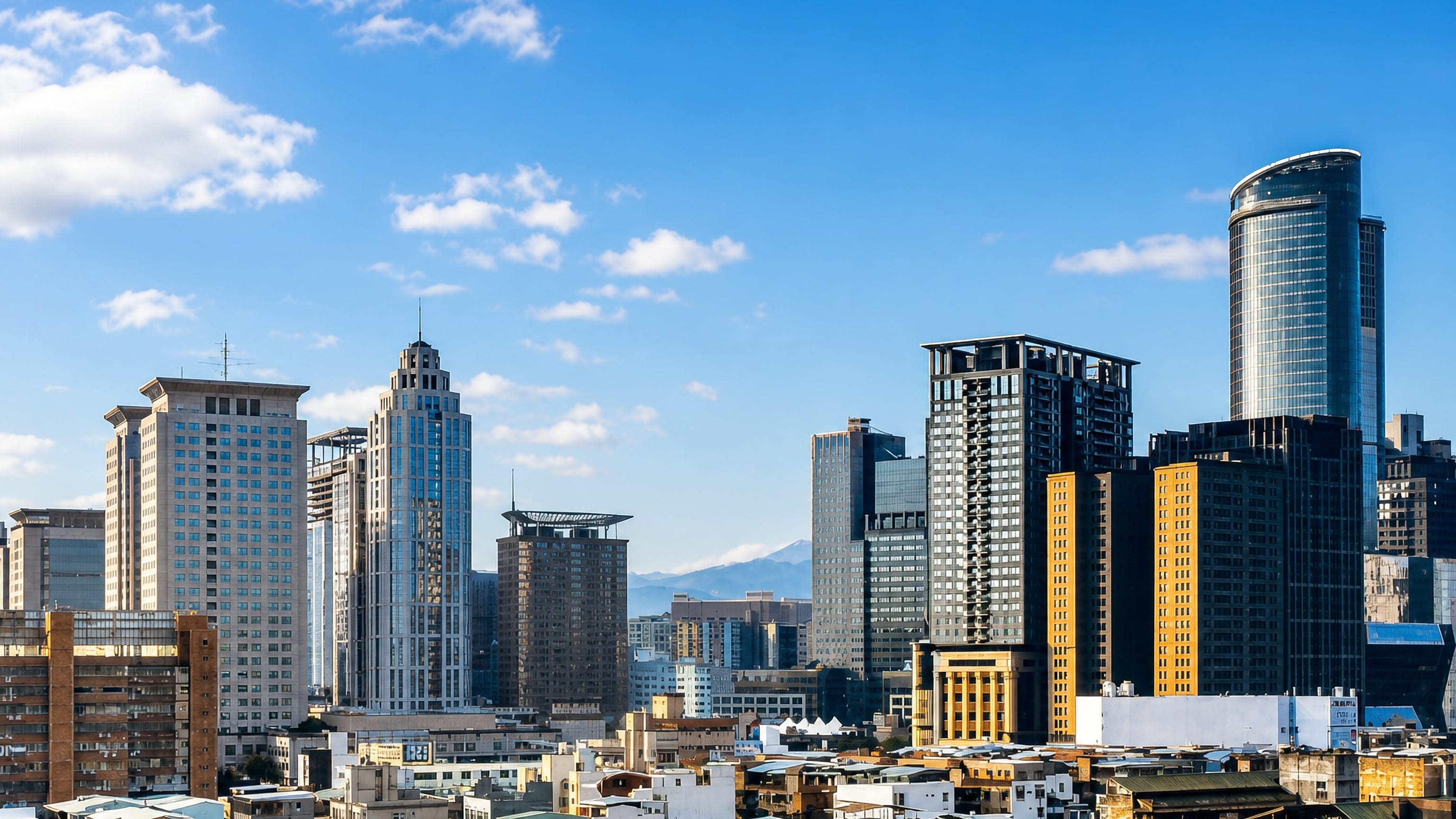
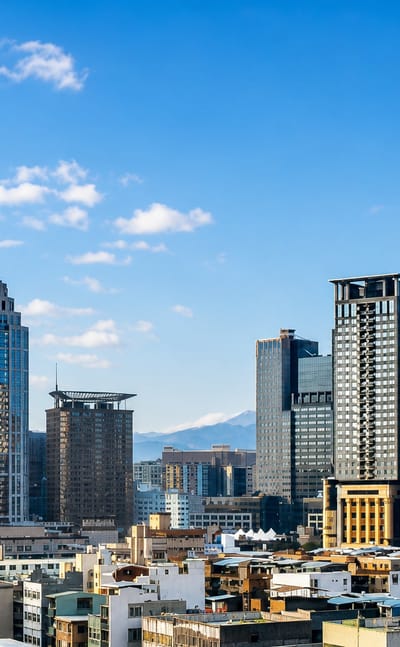
Its skyline is easy to read. Taipei 101 stands over the Xinyi District, a tapered tower shaped like a stalk of bamboo, for years the tallest building on Earth. Around it the city runs on night markets, temples and mountain trails: the food stalls of Shilin, the incense smoke of Longshan Temple in Wanhua, the hot springs and sulphur vents of Yangmingshan just to the north.
Order arrives late here, and the streets stay busy long after dark.
Where is Taipei?
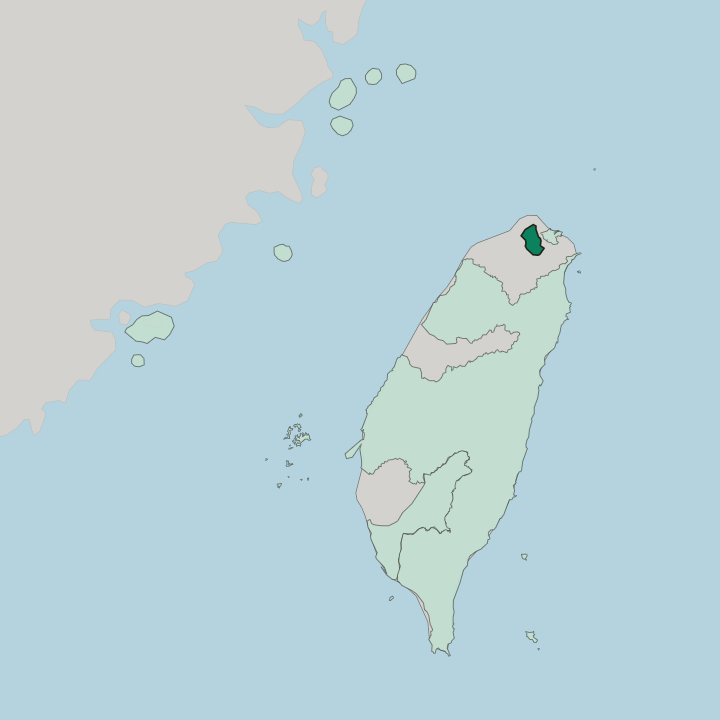
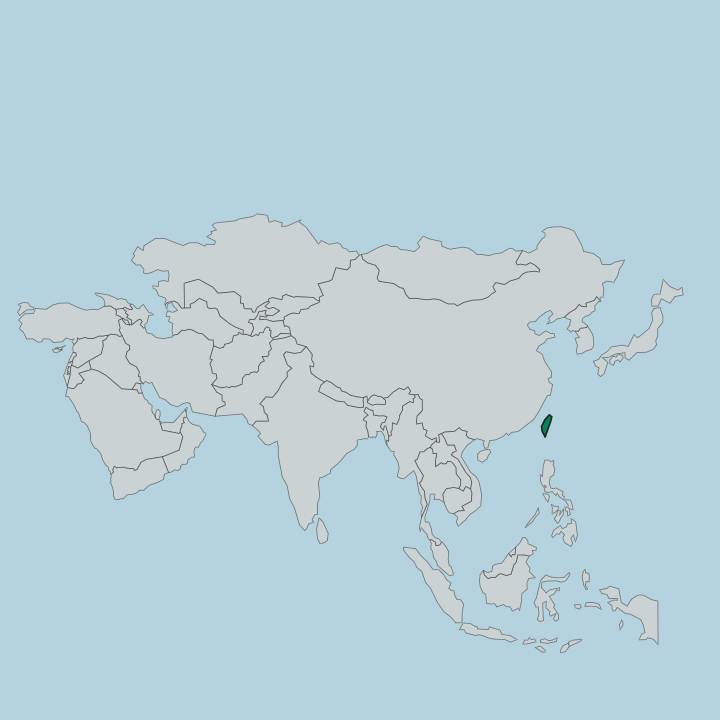
Taipei sits in the far north of Taiwan, about 25 kilometres inland from the port of Keelung on the coast. The city rests on the Taipei Basin, the flat floor of an ancient lake. Hills wall it in on almost every side.
To the north rise the volcanic peaks of Yangmingshan, a chain of dormant cones streaked with sulphur and fed by hot springs, and the basin's western and south-eastern edges climb into narrow river valleys and ridges. Three rivers give the basin its shape. The Keelung River curls in from the east and the Xindian River from the south, and the two meet the Dahan to form the Tamsui River, which drains the whole basin out to the sea along Taipei's western border.
New Taipei City wraps completely around the capital, so the built-up area spills far past the official city limits and out towards the coast. The core is compact and low. From almost anywhere in it the green wall of the hills is in view, and on a clear morning the peaks of Yangmingshan stand sharp above the rooftops.
That basin-and-river geography is why the city grew where it did.
What is Taipei like?
Taipei carries Chinese roots crossed with fifty years of Japanese rule and a long American tilt, and the mix shows on every street. The result is its own thing. Food is the clearest expression of it.
The night markets are the city's living rooms, and stalls at Shilin and Raohe sell stinky tofu, oyster omelettes, bubble tea and pepper buns to crowds that gather after dark. Temples anchor the older districts. Longshan Temple in Wanhua has drawn worshippers since the eighteenth century, its courtyards thick with incense while the traffic roars outside.
Mandarin Chinese is the common tongue, though Taiwanese Hokkien is widely spoken in the older neighbourhoods and on the market lanes. High culture has its place too. The National Palace Museum in Shilin holds one of the world's great collections of Chinese art, carried across from the mainland in the twentieth century.
Yet the everyday texture is unhurried by the standards of East Asian capitals. People queue politely, scooters swarm and stop, and the pace stays gentler than the skyline suggests. It is a city that rewards wandering.
What is the history of Taipei?
Settlement came late. Han Chinese farmers began clearing the Taipei Basin in 1709, and the river port of Bangka, in what is now Wanhua, grew into the first real town on the Tamsui River. The Qing court made Taipei its provincial capital in the 1880s.
Then Japan took the island in 1895 and ran it from here for half a century, laying out the boulevards, railways and public offices that still mark the centre. After the Second World War the island passed to the Republic of China, whose government moved to Taipei in 1949. It has been the seat ever since.
What is the climate of Taipei?
Taipei has a humid subtropical climate, and the basin traps the heat. Summers are long and sweltering. From May to September the air turns heavy and close, with afternoon downpours and the risk of a Pacific typhoon sweeping up from the south.
Winters are short, mild and grey, cooler and cloudier than the sunnier south of the island, with a steady drizzle that the surrounding hills seem to hold in place. Rain is a constant companion.
How do you get to Taipei?
Most visitors reach Taipei by air. Taiwan Taoyuan International Airport, west of the city in New Taipei, is the island's main gateway, linked to Taipei Main Station by a fast airport metro in about thirty-five minutes. Smaller Songshan Airport sits inside the city for regional and cross-strait flights.
Once you land, the high-speed rail runs down the west coast and the dense metro threads the whole basin, so most of Taipei is reachable without a car.
Common questions
What is the best area to stay in Taipei?
Xinyi District: the modern city under Taipei 101. Ximending: walkable nightlife and street fashion. Wanhua: old Taipei and its temples. Shilin: night markets and the northern hills.
Good for
More regions in Taiwan
Updated September 2026