Taiwan: Regions, Cities & Travel Guide
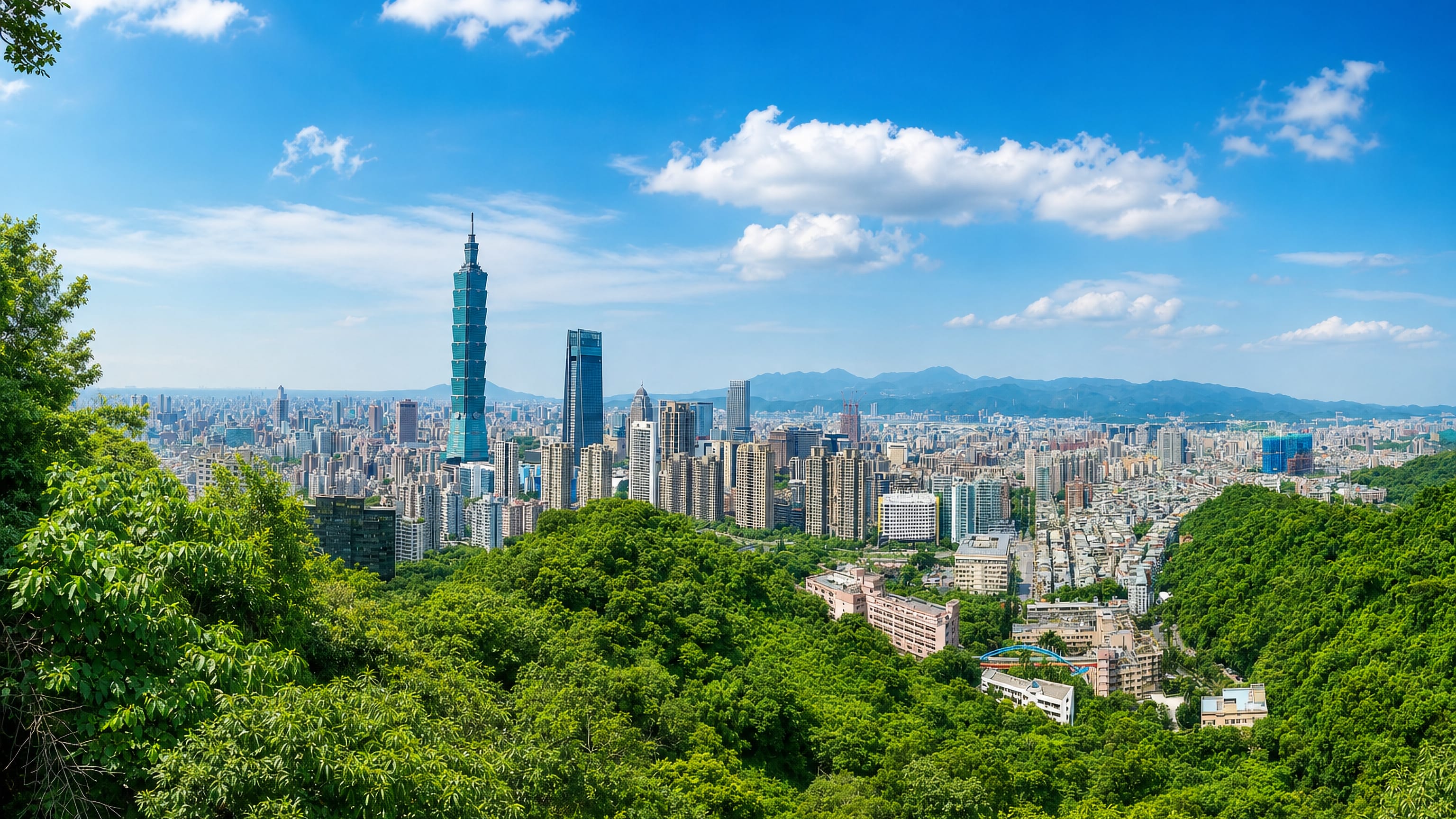
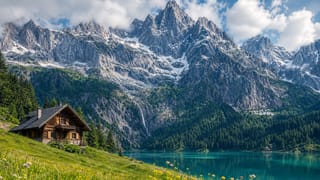
Steep green mountains rise across Taiwan, a self-governing island group in East Asia, known as Formosa and centred on Taipei.
Hotel links are affiliate links: booking through them may earn us a commission, at no extra cost to you. It never affects how places are ranked. How this works


Top destinations in Taiwan
Cities to start from, then drill into areas and hotels.
 Taiwan
Taipei
Rivers meet in the basin at Taipei, the capital of Taiwan at the island's northern end, framed by the Yangming and Central Mountains.Where to stay →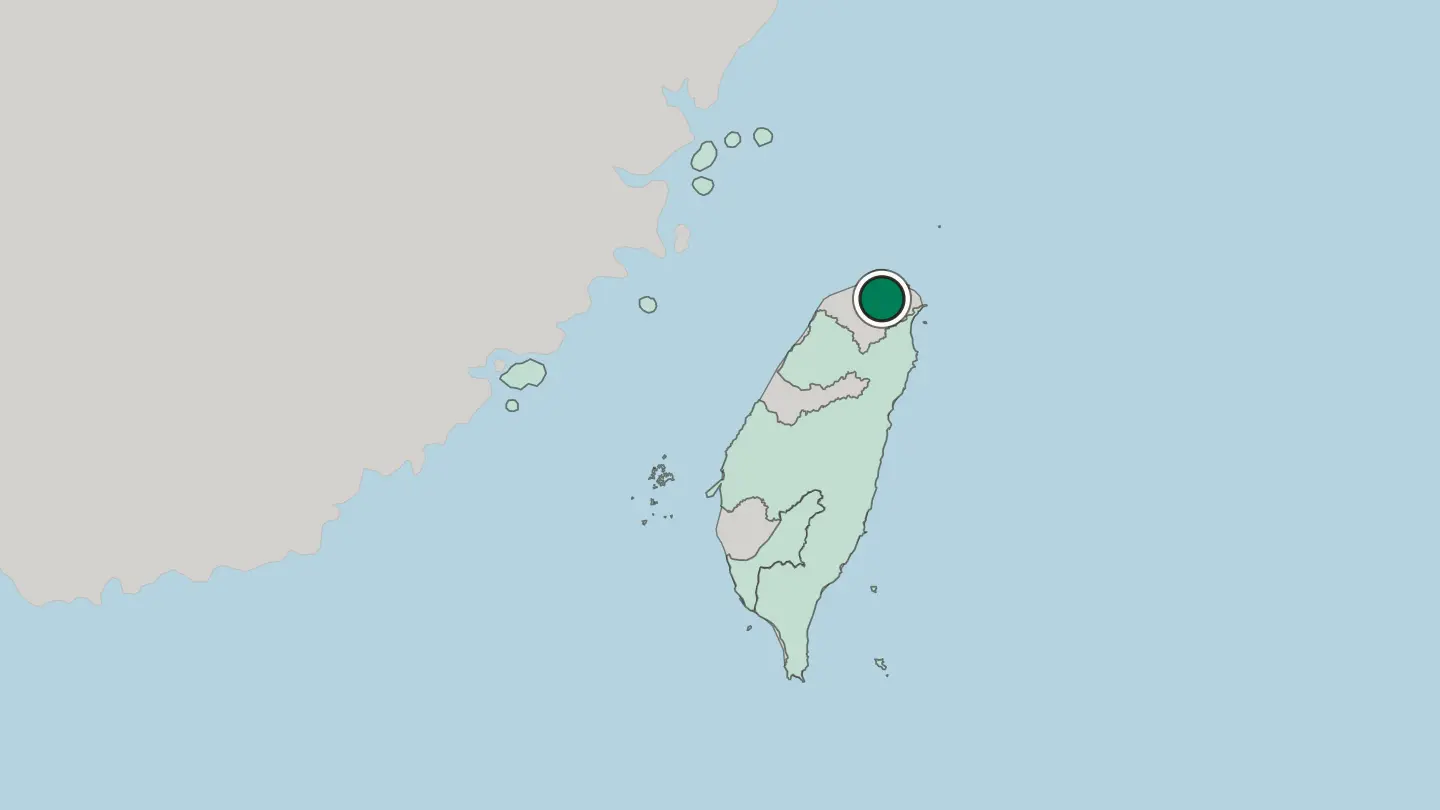
 Taiwan
Kaohsiung
Container cranes line the harbor at Kaohsiung, a port city on the west coast of southern Taiwan, known for its working docks and Holy Rosary Cathedral.Where to stay →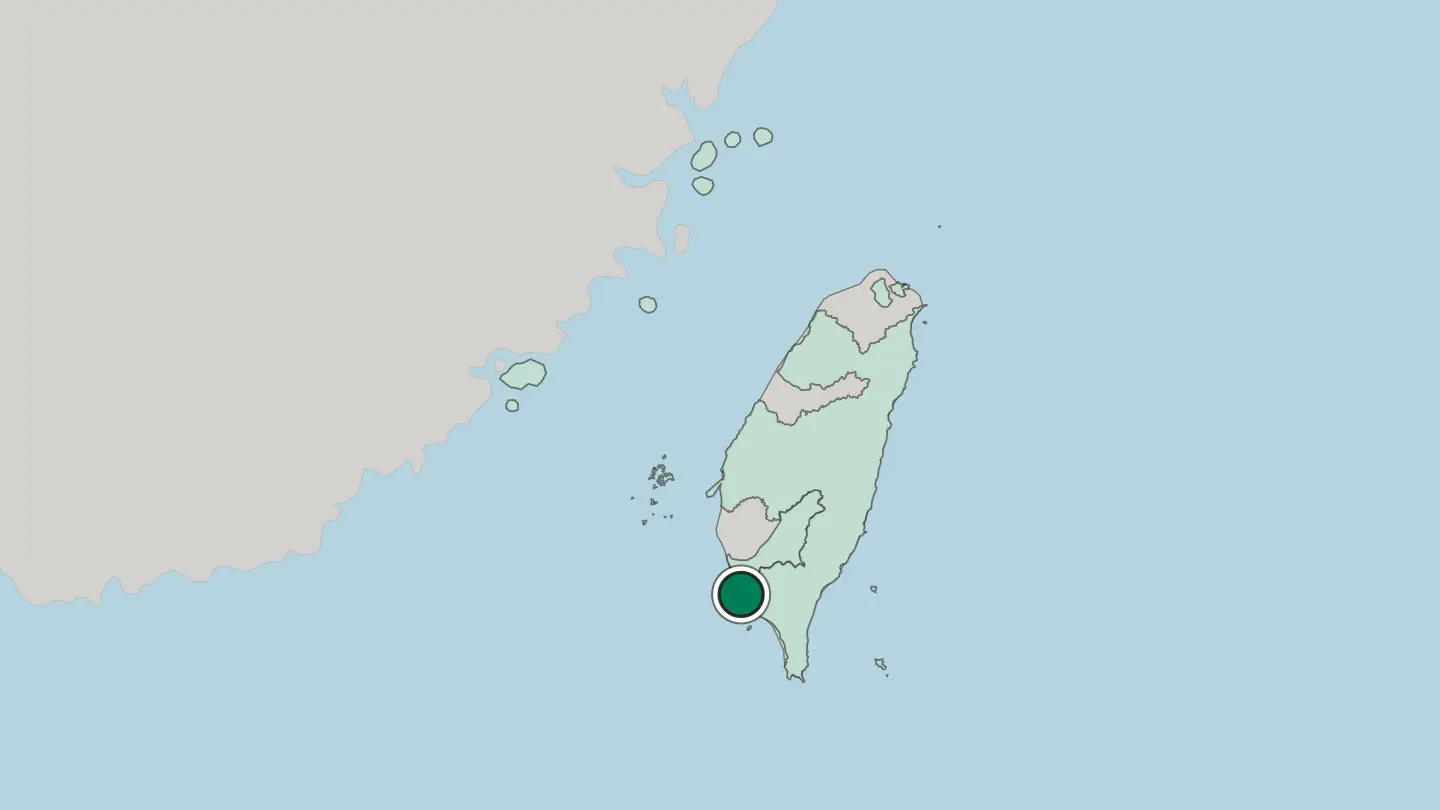
 Taiwan
New Taipei City
New Taipei City wraps around Taipei in northern Taiwan, known for Fort Santo Domingo at Tamsui and its temple towns.Where to stay →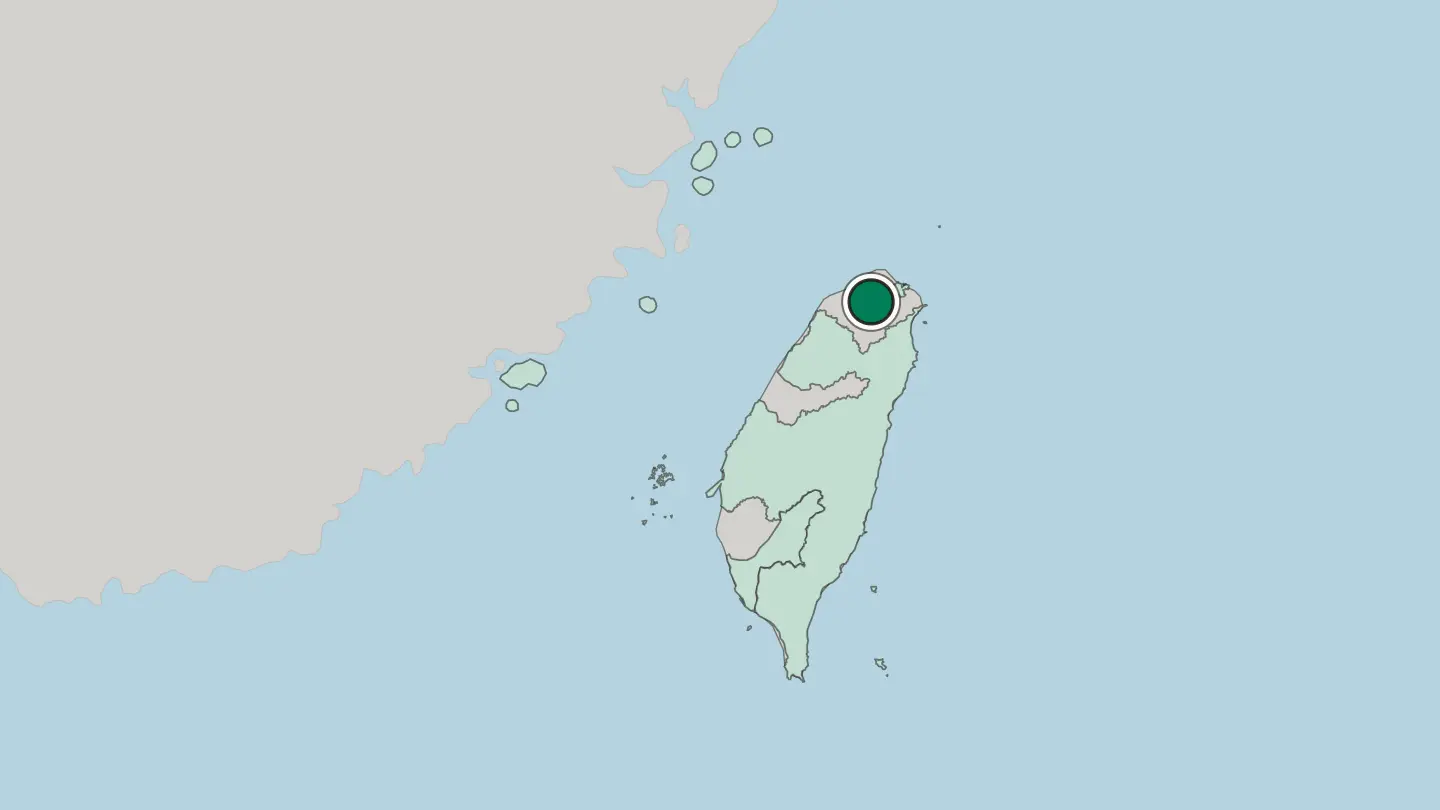
 Taiwan
Taichung
Taichung is a special municipality on the island of Taiwan, core of the Taichung-Changhua metropolitan area and a city of national museums.Where to stay →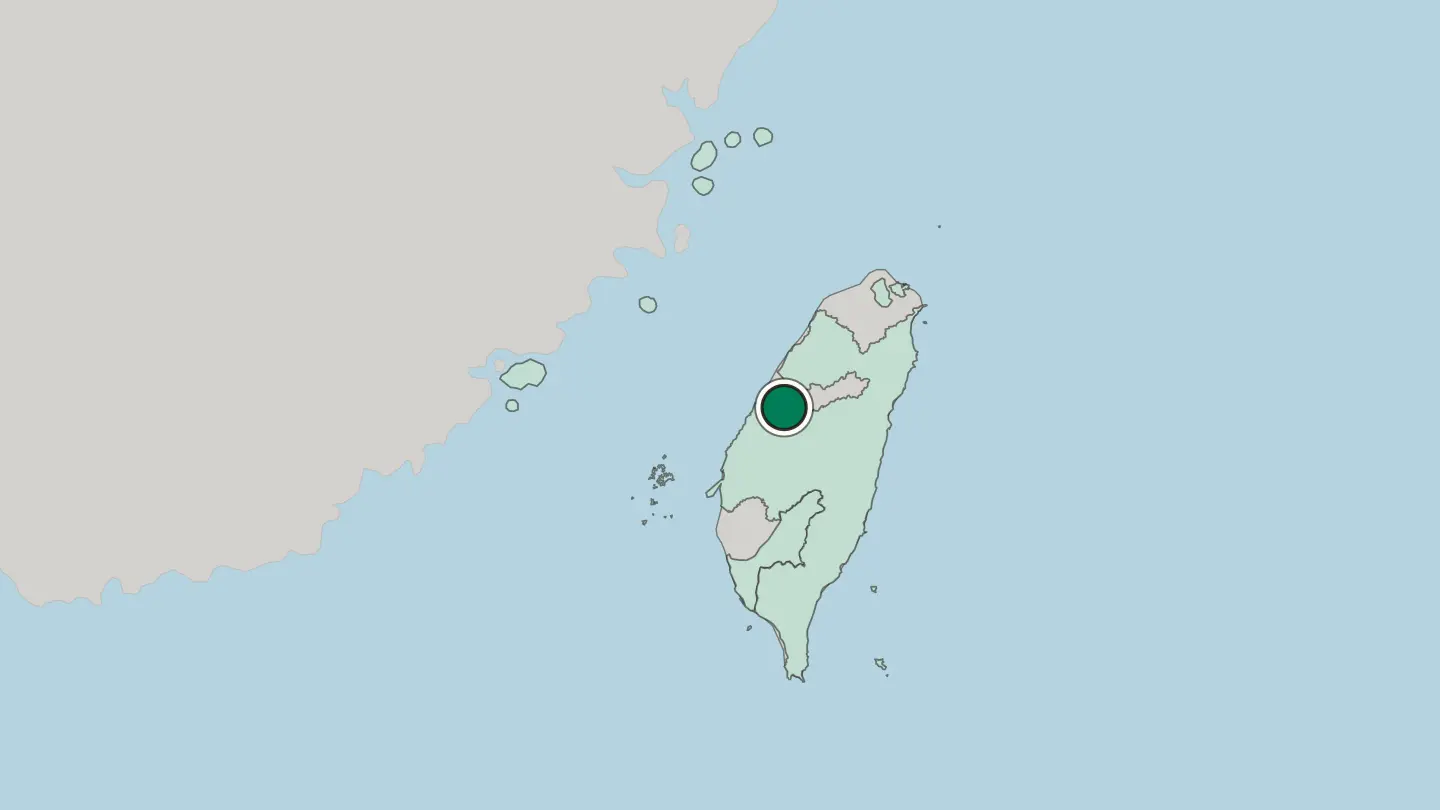
 Taiwan
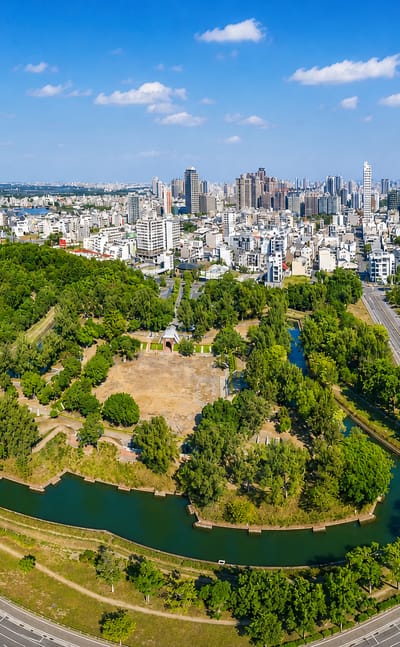
Tainan
The Taiwan Strait laps the old forts of Tainan, the oldest city in Taiwan, known for Fort Zeelandia and its temples.Where to stay →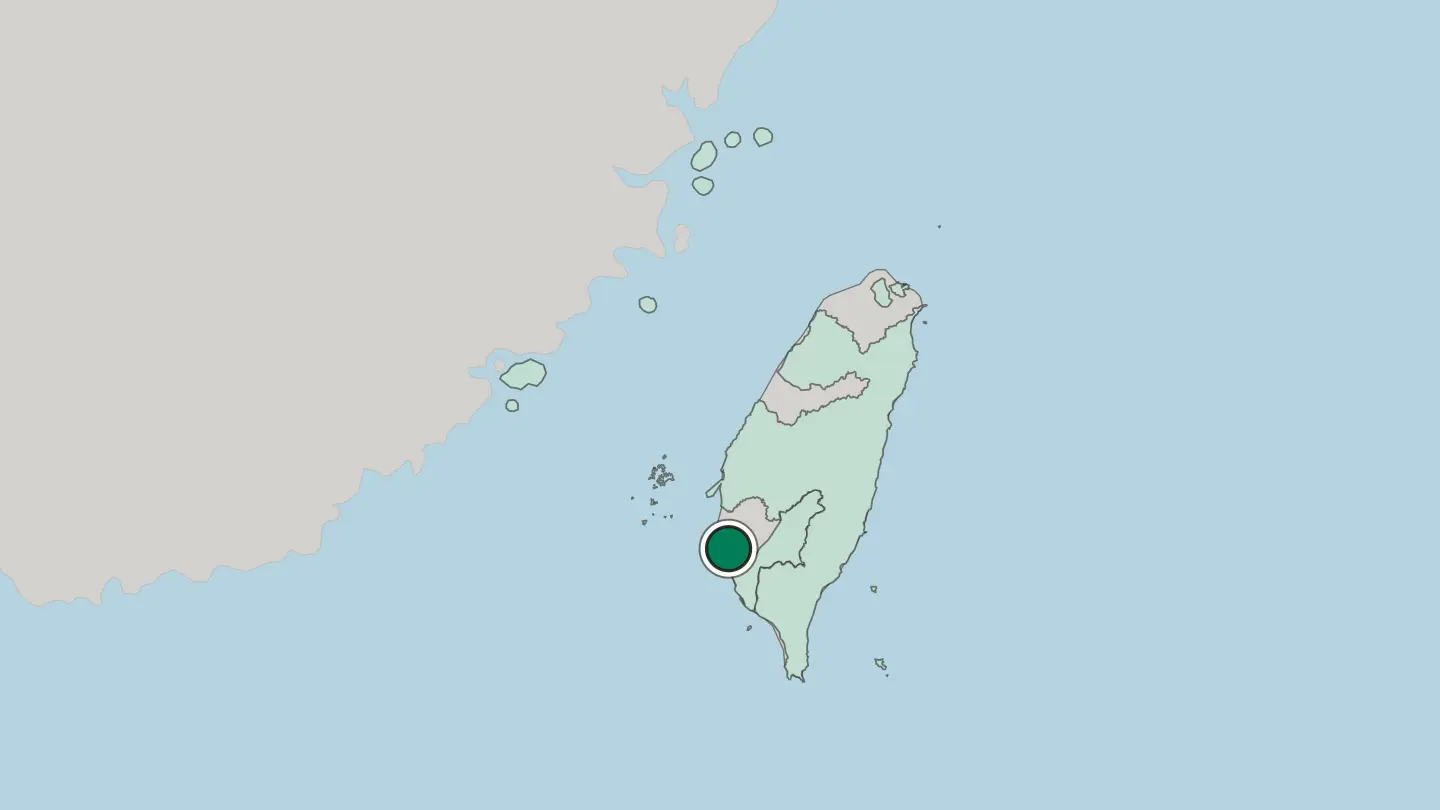
 Taiwan
Taoyuan
Taoyuan spreads over a pond-dotted tableland in northwestern Taiwan, a special municipality known for Taiwan Taoyuan International Airport and Daxi.Where to stay →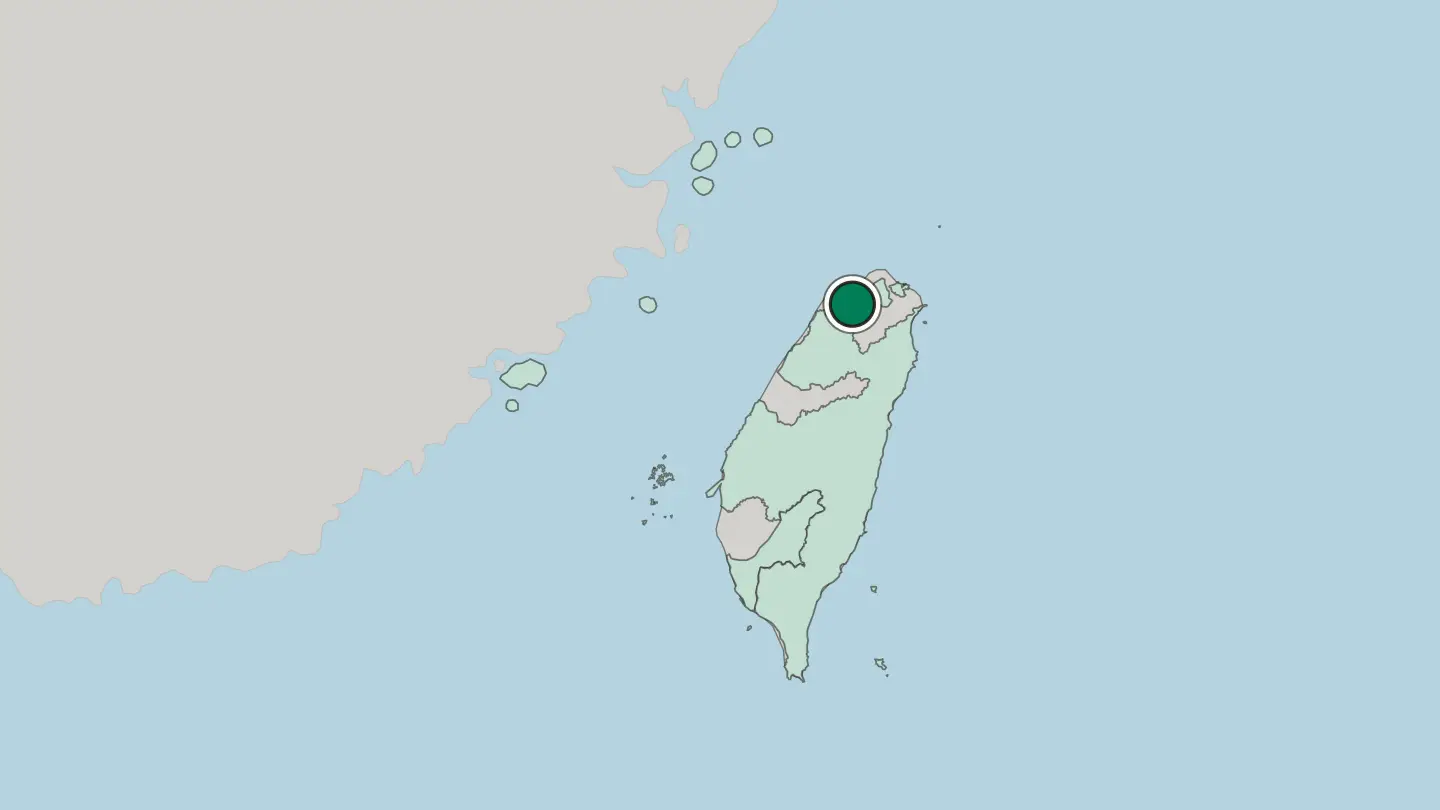
 Taiwan
Hsinchu
Hsinchu is a city on the northwest coast of Taiwan, an old walled town that became the island's great capital of technology.Where to stay →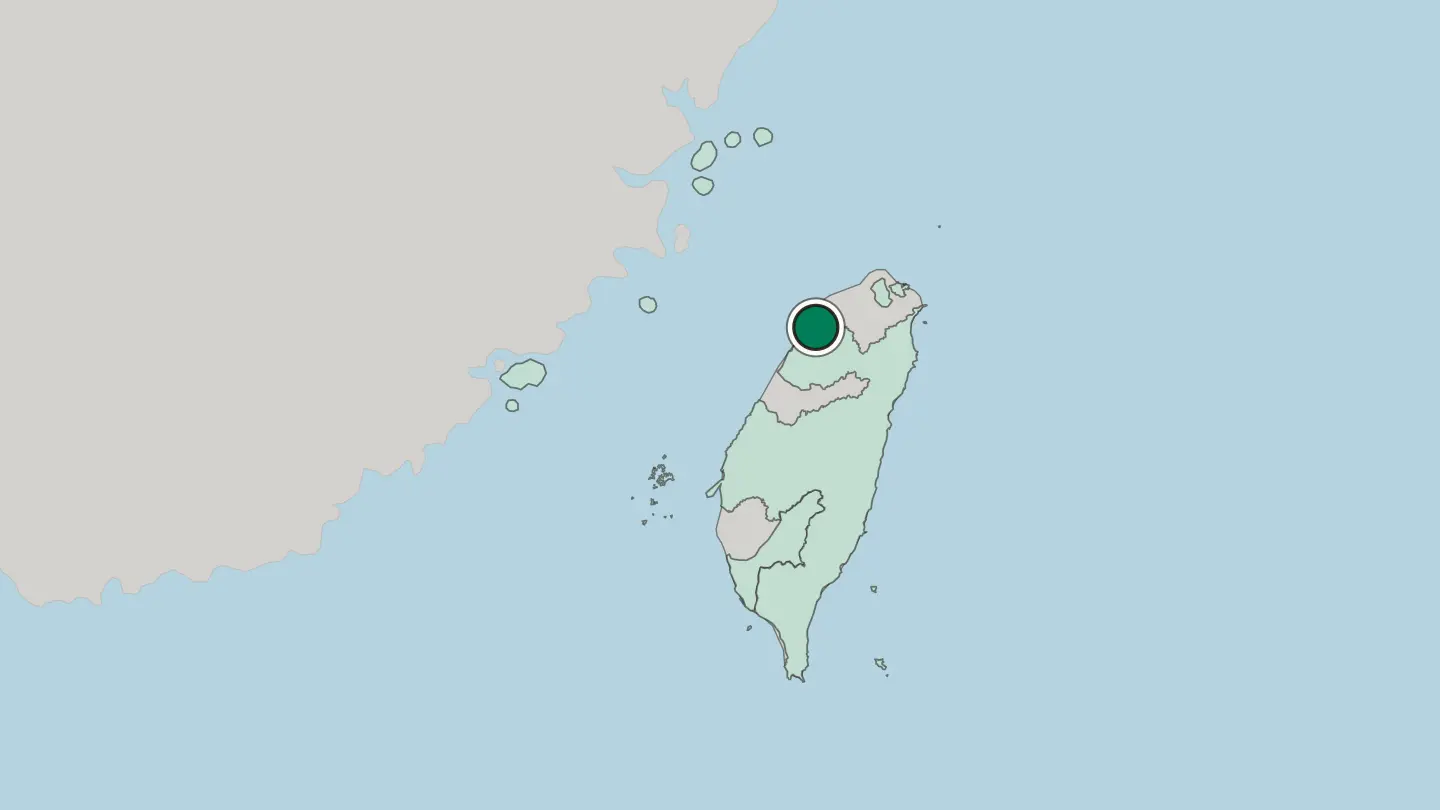
 Taiwan
Keelung
Keelung, the Rainy Port, works the harbour at the sea end of the Taipei-Keelung metropolitan area on Taiwan.Where to stay →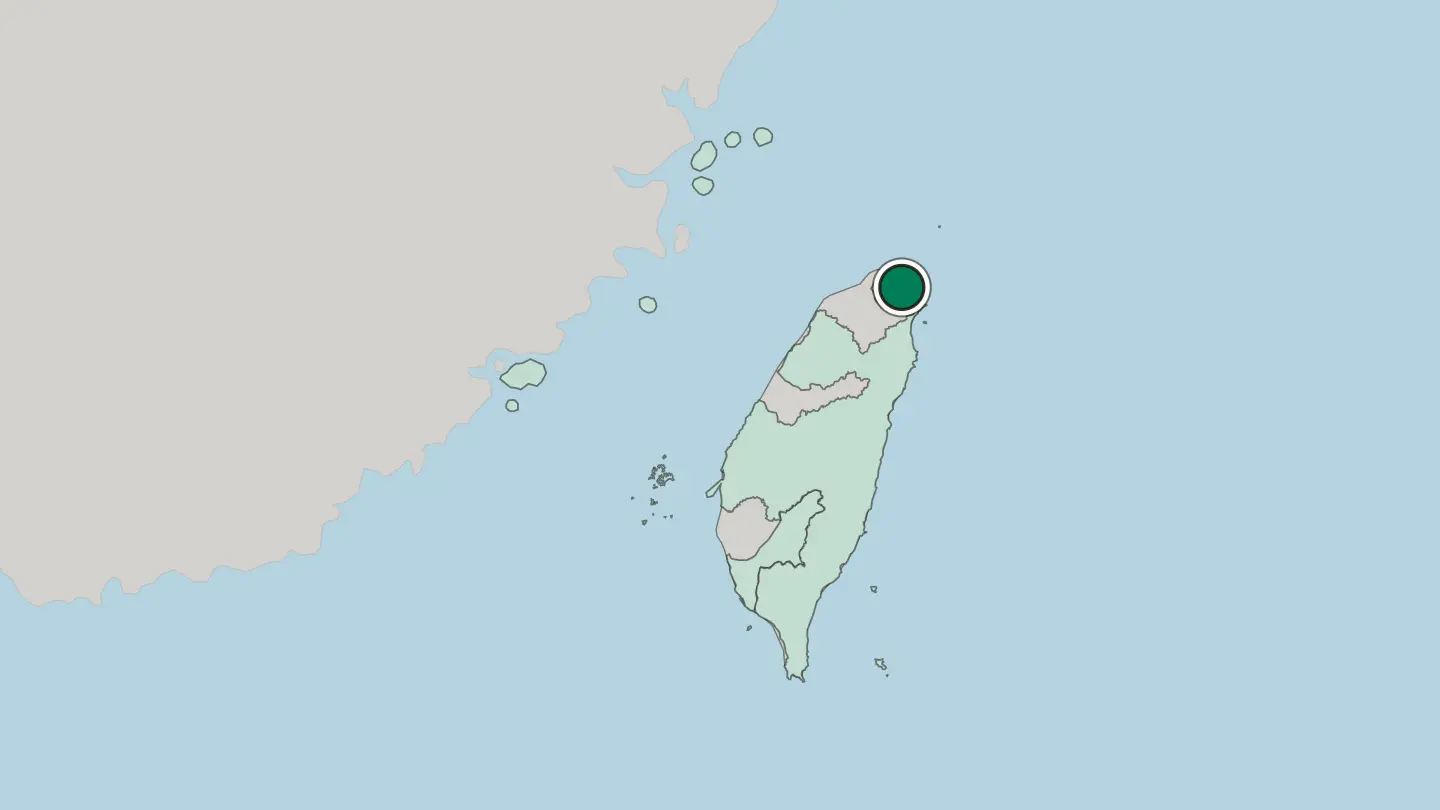
 Taiwan
Chiayi City
Chiayi is a city in southwestern Taiwan, an old timber town at the foot of the Alishan mountains.Where to stay →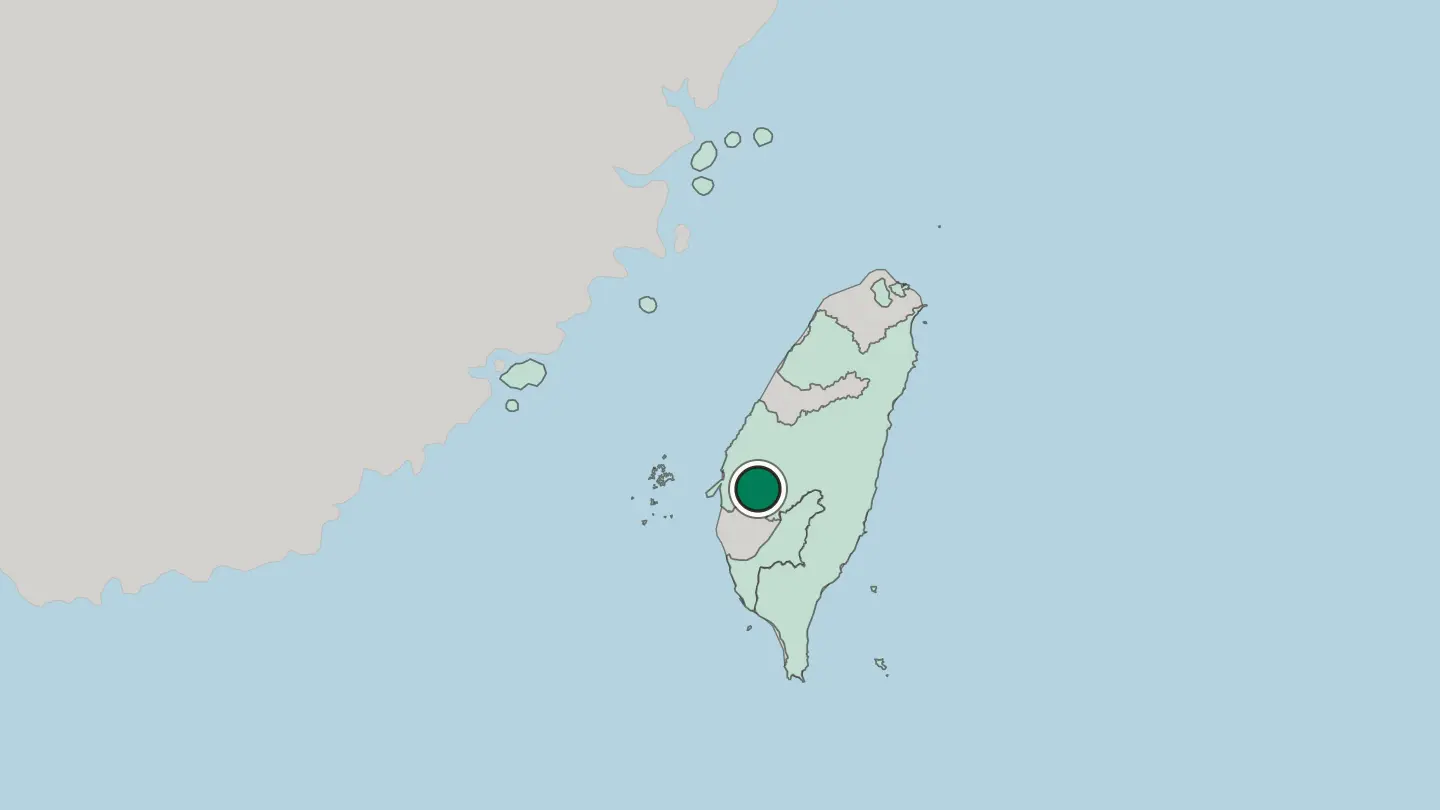
Hotel links are affiliate links: booking through them may earn us a commission, at no extra cost to you. It never affects how places are ranked. How this works
Regions of Taiwan
Taiwan
Fukien
Fukien is Taiwan's tiny offshore province: the granite islands of Kinmen and Matsu, hugging the Chinese coast.Towns & cities →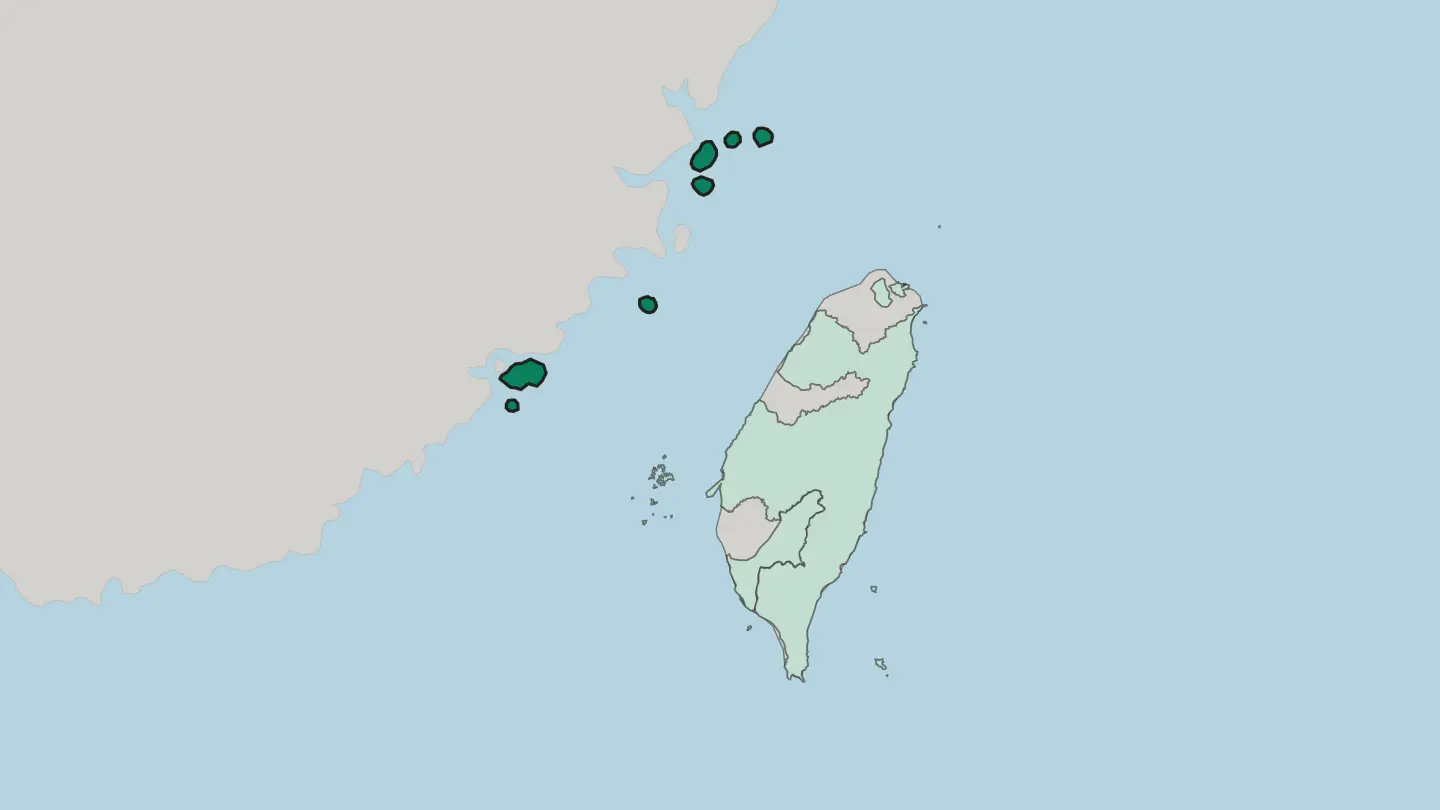 Taiwan
Kaohsiung
Kaohsiung is southern Taiwan's great port municipality, wrapped around a working harbour and backed by the Central Mountain Range.Towns & cities →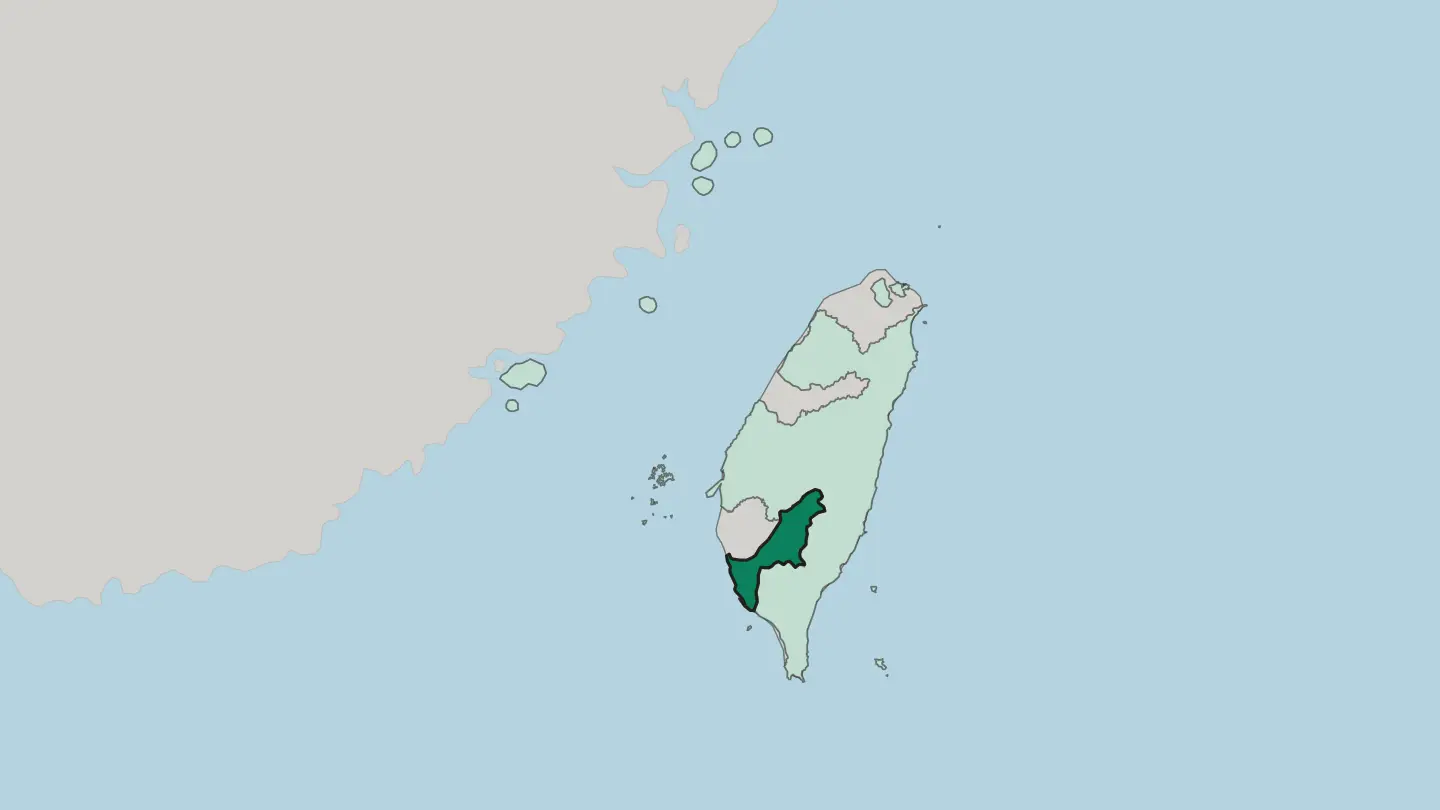 Taiwan
Taipei
Taipei is the capital of Taiwan, a city built across an old lakebed in the island's north, ringed by green volcanic hills.Towns & cities →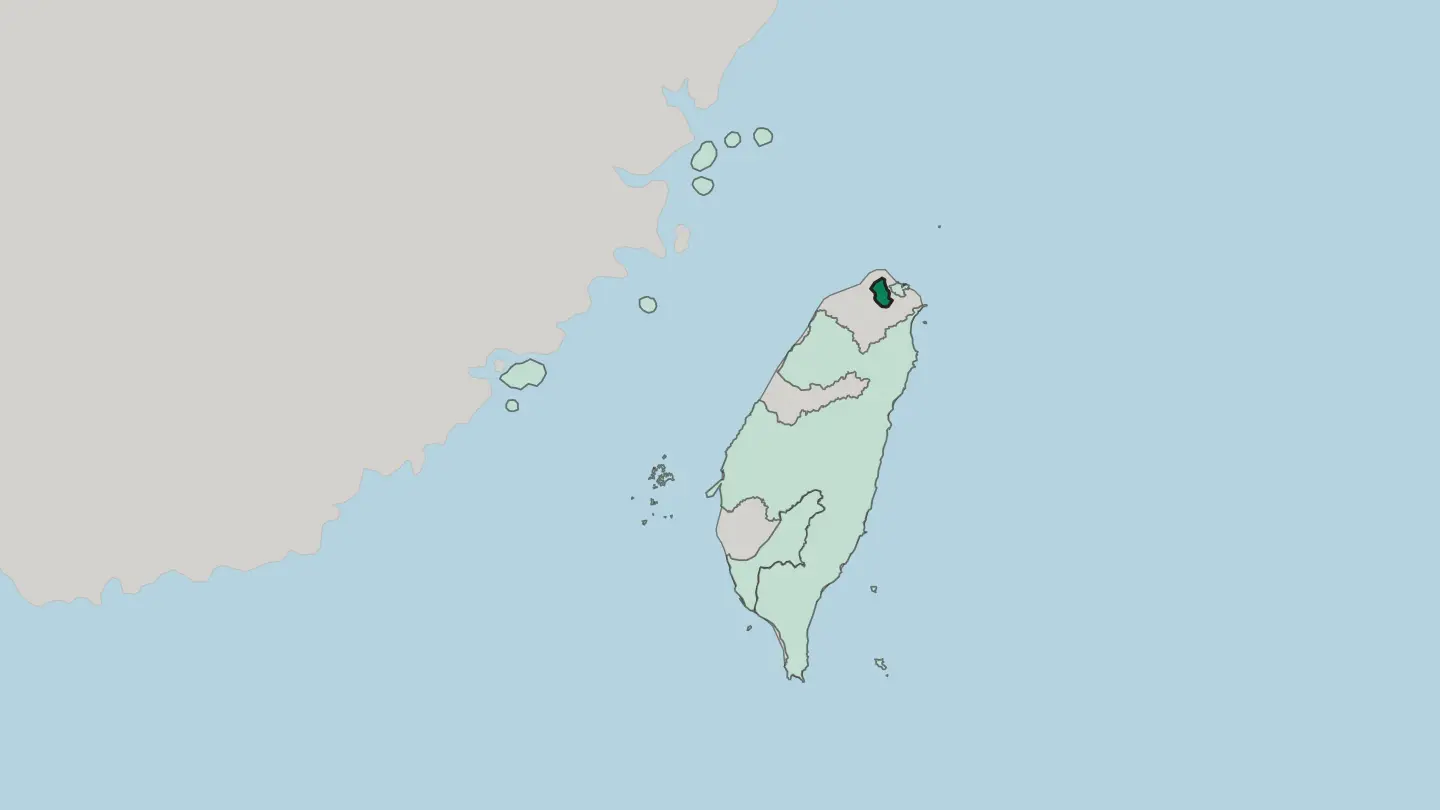 Taiwan
Taiwan
Forested ranges fill the island province of Taiwan, the region that covers Formosa and the isles around it, centred on Taipei.Towns & cities →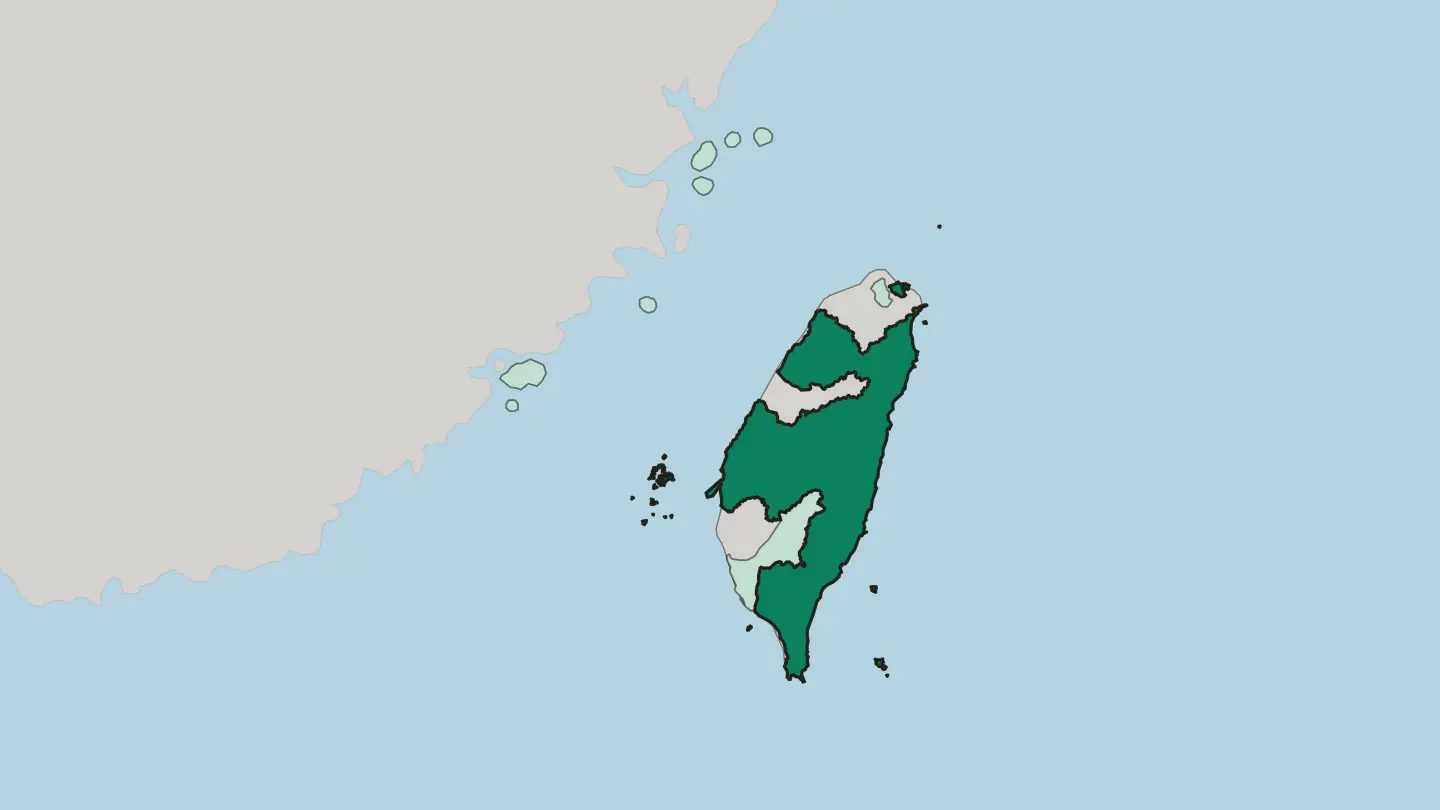
Explore by experience
Not sure which place? Start from how you want to travel.




About Taiwan
What is Taiwan known for?
Taiwan is known for its steep mountains, its dense cities, and the Mandarin pop culture that carries its name across East Asia. The music travels far. Formosa, the old name of the main island, still lingers, and from the forested ridges of the interior to the entertainment studios of Taipei the island holds a reputation shaped as much by its scenery as by the songs and films that leave it.
Where is Taiwan?
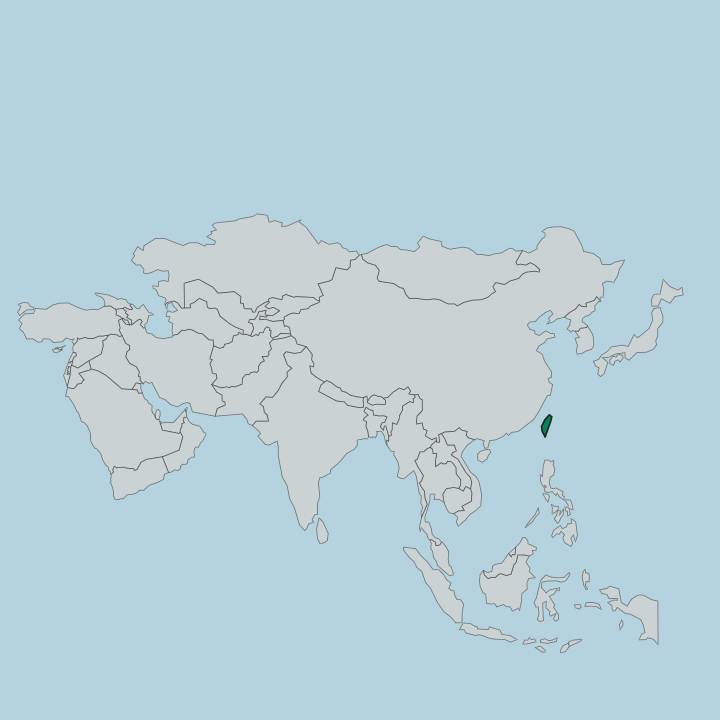
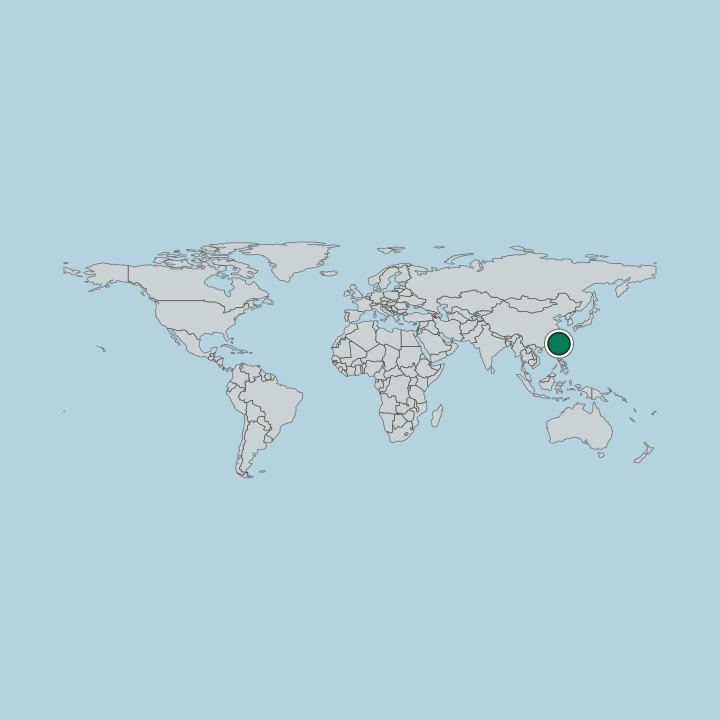
Taiwan sits in the northwestern Pacific Ocean, its main island set between the East China Sea to the north and the South China Sea to the south. The sea frames every side. The mainland of the People's Republic of China lies to the northwest, Japan to the northeast, and the Philippines to the south, so the island looks out across the open waters of East Asia toward each of its neighbours in turn.
This is an island world. Almost the whole of the territory is surrounded by sea, and the coast, rather than any land border, marks its edges. The interior climbs quickly.
Mountain ranges dominate the eastern two-thirds of the main island, a spine of steep forested relief, while the plains of the western third hold most of the towns and cities. That western lowland is where daily life concentrates. Taipei, New Taipei City, and Keelung cluster at the northern end of these plains, close to the sea.
Beyond the main island the territory gathers a scattered fringe of smaller land, with 168 islands in all reaching out across the surrounding seas. The largest by far is the main island itself, long called Formosa, and it gives Taiwan its form from the high ridges of the interior down to the crowded western shore.
What is the history of Taiwan?
Taiwan's main island has long been known as Formosa, a name that has followed it across the centuries. That older name endures. It belongs to the same island that anchors the modern state, and it still appears wherever the island's past is described, from the mountain interior to the western plains where most of its people have always lived.
The state that governs the island, the Republic of China, or Zhonghua Minguo, dates its founding to 1912. Taipei serves as its seat. From that northern city the administration of Taiwan reaches across the main island and the smaller islands around it, and the older identity of Formosa runs on beneath the newer one, binding the island's long settlement to the country it forms in East Asia.
What is Taiwan like?
Taiwan is a centre of Mandarin-language popular culture, and its music, film, and television travel far beyond the island. Taipei sets the pace. The city stands as a hub of culture, entertainment, and leisure, and the studios and stages gathered there send Mandarin pop out across East Asia and to Mandarin speakers everywhere.
Beyond the screens and stages, the culture is shaped by the land. The mountains matter. The steep forested interior and the many scenic sites of the main island draw people to the outdoors, and the rhythm of life on Formosa moves between the dense cities of the western plains and the wild high country behind them, between the entertainment of Taipei and the quiet of the ridges.
What is the climate of Taiwan?
Taiwan has a subtropical climate, warm and humid through much of the year across the island's western plains. The mountains change everything. Height cools the steep interior, so the forested ranges of the eastern two-thirds run cooler than the lowland cities of Taipei and Keelung, and the surrounding Pacific keeps the coasts mild through the seasons.
How do you get to Taiwan?
Most visitors arrive in Taiwan by air, landing near Taipei at the northern end of the main island. Water covers every other approach. As an island group in the northwestern Pacific, Taiwan is reached across water from its neighbours, with Japan lying to the northeast and the Philippines to the south, and the harbour city of Keelung marking the sea approach to the northern coast.
Good for
Updated September 2026