Ukraine · Kherson Oblast
Where to Stay in Kherson, Kherson Oblast
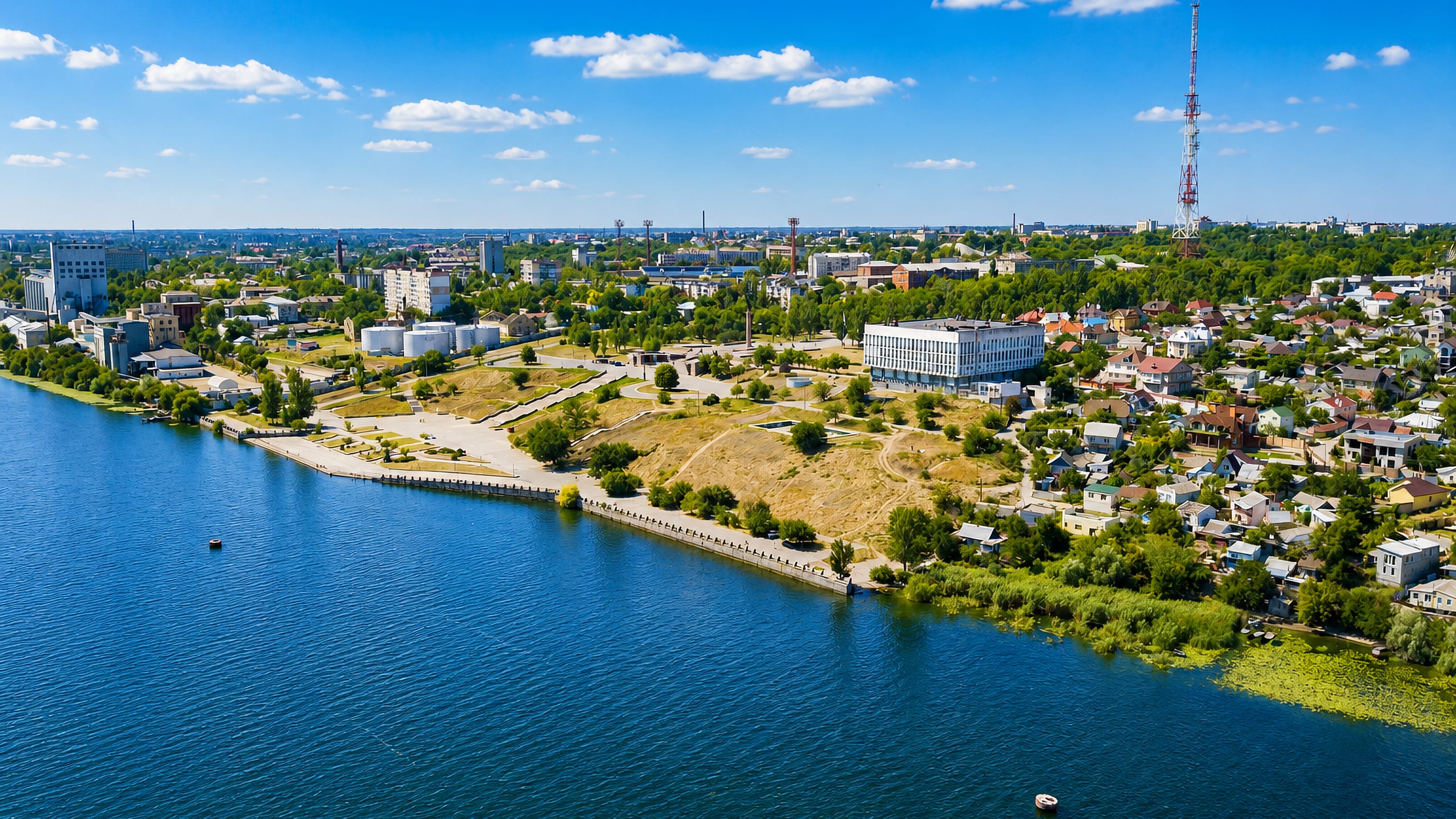
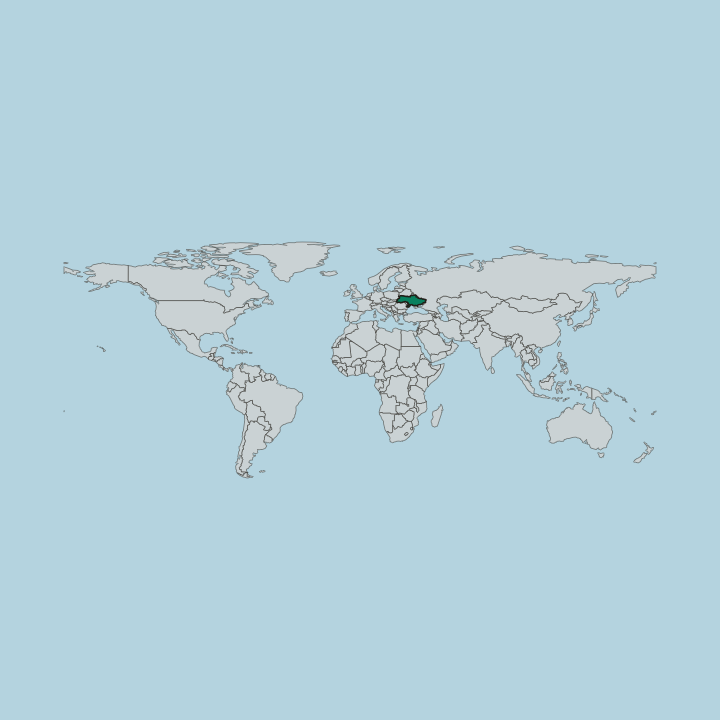
Shipyards founded Kherson, a river port and regional centre in Kherson Oblast, known for its naval heritage and the Kherson Art Museum.
Hotel links are affiliate links: booking through them may earn us a commission, at no extra cost to you. It never affects how places are ranked. How this works


Where to stay in Kherson
Not every neighbourhood fits every trip — here's what each one is good for.
 KhersonUkraine
Tsentralnyi Raion
Prospekt Nezalezhnosti runs down to the Dnipro through Tsentralnyi Raion, the Kherson raion holding the historic centre and the Teatralna Street museums.Where to stay →KhersonUkraineKorabelnyi Raion
Korabelnyi Raion is an administrative raion of Kherson, Ukraine, formed in 1965 and covering the Шуменський, Корабел and Забалка microdistricts.Where to stay →KhersonUkraineDniprovskyi Raion
Dniprovskyi Raion is the largest of Kherson's three raions, running from the textile estates at Prospekt Tekstylnykiv east to Antonivka on the Dnipro.Where to stay →KhersonUkraineShumenskyi
Nine-storey blocks and twelve-storey towers line Vulytsia Ivana Bohuna in Shumenskyi, a microdistrict of western Kherson named for Shumen in Bulgaria.Where to stay →Hotel links are affiliate links: booking through them may earn us a commission, at no extra cost to you. It never affects how places are ranked. How this works
Find hotels in Kherson
Direct booking searches for these neighbourhoods.
Museum centre
The centre by the Kherson Art Museum and the Greek Sophia Church keeps the services and river frontage within an easy walk.Find hotels in Museum centreThe port's shipbuilding heritage by the quayShipyard waterside
The waterside near the Monument to the First Kherson Shipbuilders swaps dense blocks for the open quay and the shipbuilding memory.Find hotels in Shipyard watersideHotel links are affiliate links: booking through them may earn us a commission, at no extra cost to you. It never affects how places are ranked. How this works
Things to do in Kherson
Ranked by global recognition; descriptions from Wikidata (CC0).
Museums & Galleries
1- Kherson Museum of Local Lore
Churches & Religious Sites
7- Greek Sophia Church, Kherson Heritage
- Stretenska church, Kherson Heritage
- Sacred Heart Church Heritage
- All Saints church in Kherson Heritage
- St. Nicholas church, Kherson Heritage
Show 2 more →
- Saint Alexandra of Rome churches in Ukraine Heritage
- Nativity of Theotokos church in Kindiyka Heritage
Castles & Historic Sites
3- Bust of Alexander Suvorov, Kherson Heritage
- 122-mm howitzer M1938 M-30 in Kherson Heritage
- Ushakov monument in Kherson Heritage
Landmarks & Notable Places
3- Kherson Musical school Heritage
- House of Alexander Suvorov, Kherson Heritage
- Херсонський окружний суд Heritage
worth knowingacross 4 categories in Kherson
About Kherson
What is Kherson known for?
Kherson is known as a shipbuilding town, its origins fixed by the Monument to the First Kherson Shipbuilders that stands by the water. The House of Alexander Suvorov recalls the commander tied to the city's founding, and the Ushakov monument honours the admiral of its naval past. Museums line the centre.
The Kherson Art Museum and the Kherson Museum of Local Lore hold the regional collections across Kherson Oblast.
What are the main landmarks in Kherson?
The main landmarks in Kherson run from waterfront memory to the churches of the old centre. Near the water, the Monument to the First Kherson Shipbuilders and the Ushakov monument mark the naval past, while the Greek Sophia Church and St. Nicholas church anchor the historic streets. The Kherson Art Museum, the Kherson Museum of Local Lore, and the Kherson Literature Museum hold the collections.
The House of Alexander Suvorov survives from the founding era. Shipyards and spires share the skyline.
What is the history of Kherson?
Kherson was founded in 1778 as a naval shipyard on the lower reaches of the great river that carries traffic to the sea. The town rose to build ships, and the Monument to the First Kherson Shipbuilders keeps that founding purpose in stone by the water. The House of Alexander Suvorov ties the city to the commander involved in its early years, when the port drew engineers and sailors to the waterfront.
Naval life shaped the growing town. The Ushakov monument honours the admiral bound to its harbour, and the shipyards fixed the working character that ran through the centuries. Churches rose alongside the docks, among them the Greek Sophia Church and St. Nicholas church in the old streets.
The Kherson Museum of Local Lore gathers those threads for the region. Water and shipbuilding still frame its story.
Where is Kherson?
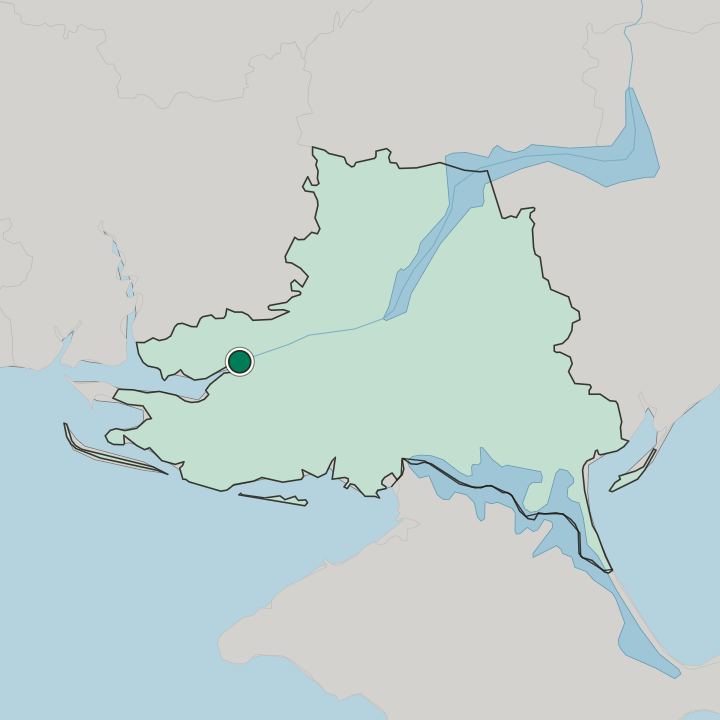
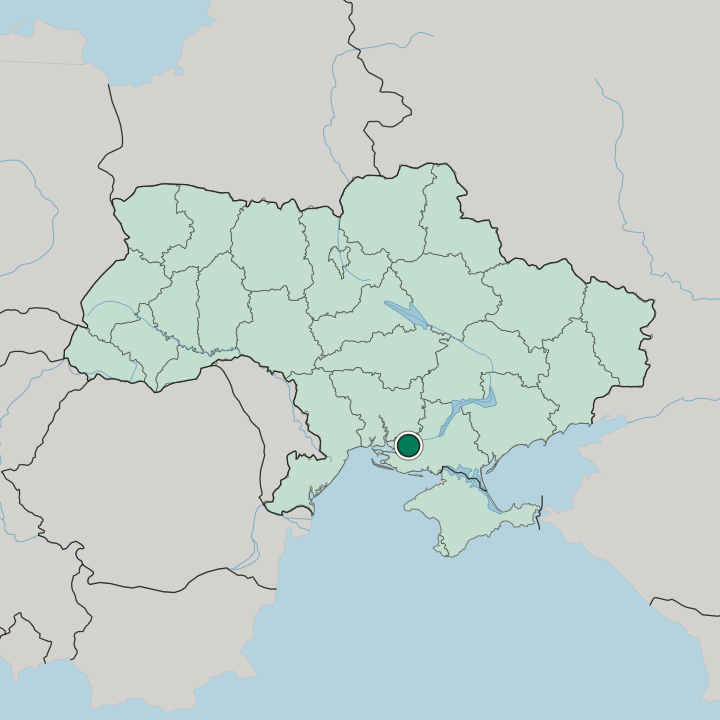
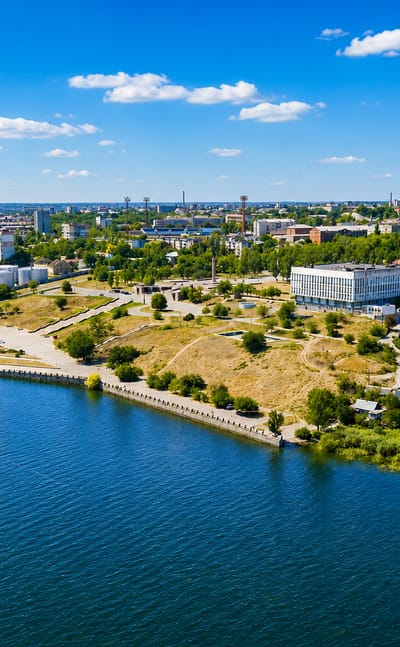
Kherson lies on low ground by the water within Kherson Oblast, near where the great river spreads toward the sea. The city sits on the riverside plain, its quays built along the channel that made it a shipbuilding port. Flat delta country surrounds it.
The water sets the edge. Reed-lined channels and open lowland stretch away from the built centre.
What is the climate of Kherson?
Kherson has a mild, dry climate set by the low southern plains of Kherson Oblast. Summers along the water run hot and largely rainless. Winters stay relatively short and cool, tempered by the nearby sea that holds off the sharpest cold of the interior.
Spring comes early to the delta. The riverside setting keeps the seasons gentler than the open steppe inland.
How do you get to Kherson?
Kherson sits where river, road, and rail routes meet at the water's edge in Kherson Oblast. Its port on the channel long made it a hub for river and sea traffic alike, drawing barges and coastal vessels up from the delta toward the wider regional network inland. Roads and rail run out from the centre.
The quays anchor the routes. Water traffic has drawn trade to this shore since the shipyards opened.
Common questions
What is the best area to stay in Kherson?
Museum centre: The historic core around the Kherson Art Museum and Greek Sophia Church. Shipyard waterside: The port's shipbuilding heritage by the quay.
Updated October 2026