Ukraine
Kherson Oblast, Ukraine — Towns & Travel Guide
Kherson Oblast is the fruit basket of southern Ukraine, a flat steppe province split by the lower Dnieper above Crimea.
Hotel links are affiliate links: booking through them may earn us a commission, at no extra cost to you. It never affects how places are ranked. How this works


Towns & cities in Kherson Oblast
One town here has its own guide — it links to where to stay.
 Ukraine
Kherson
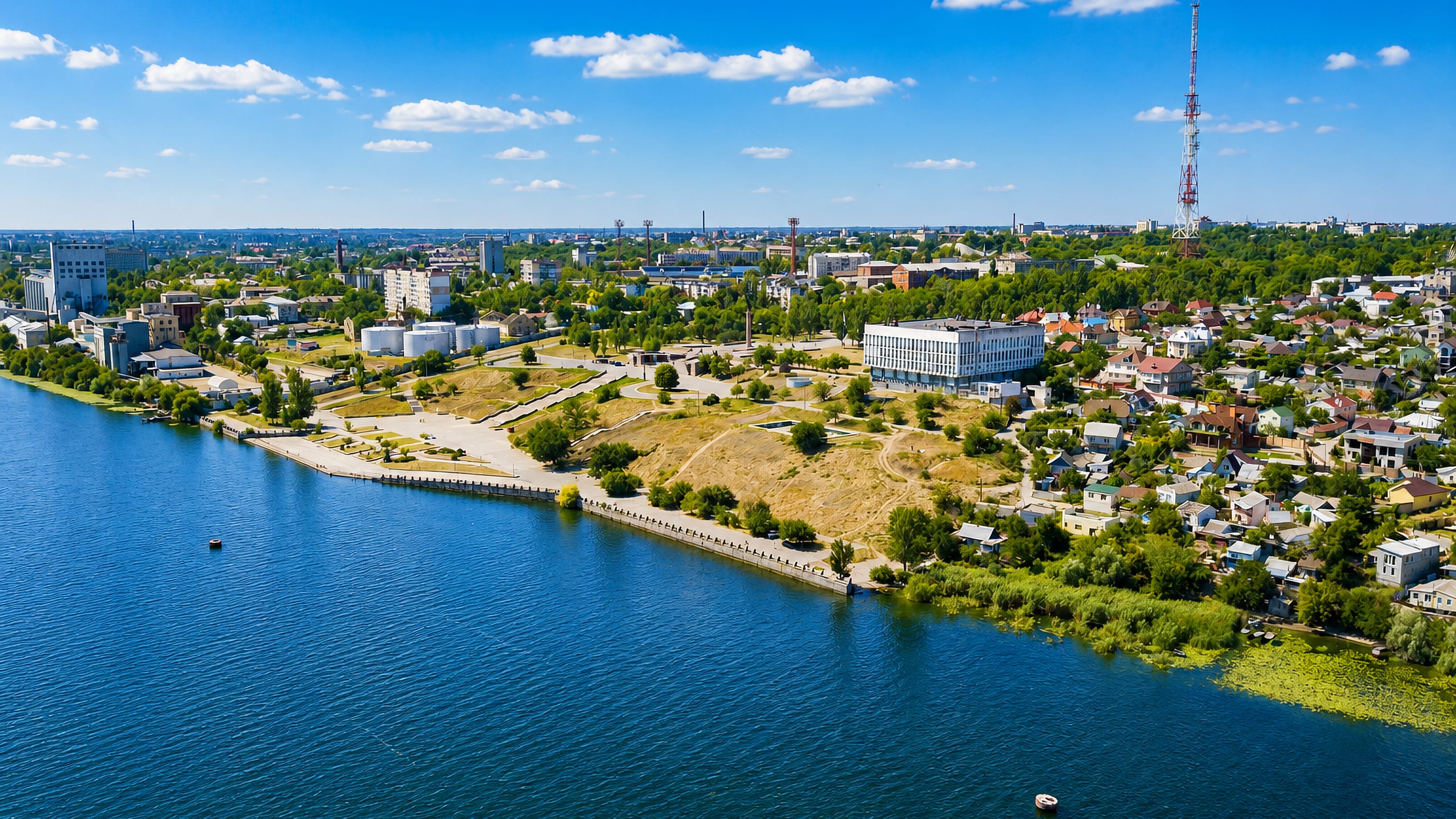
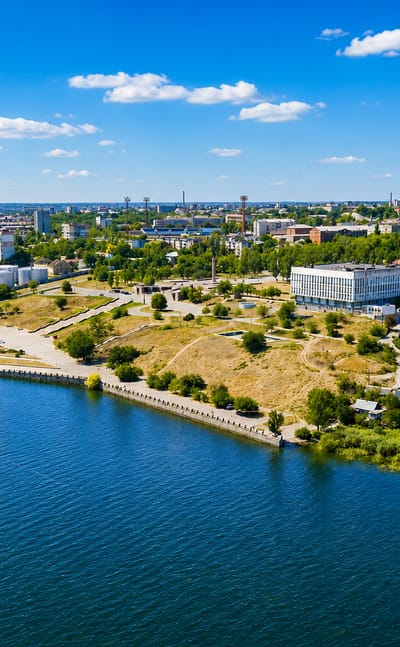
Shipyards founded Kherson, a river port and regional centre in Kherson Oblast, known for its naval heritage and the Kherson Art Museum.Where to stay →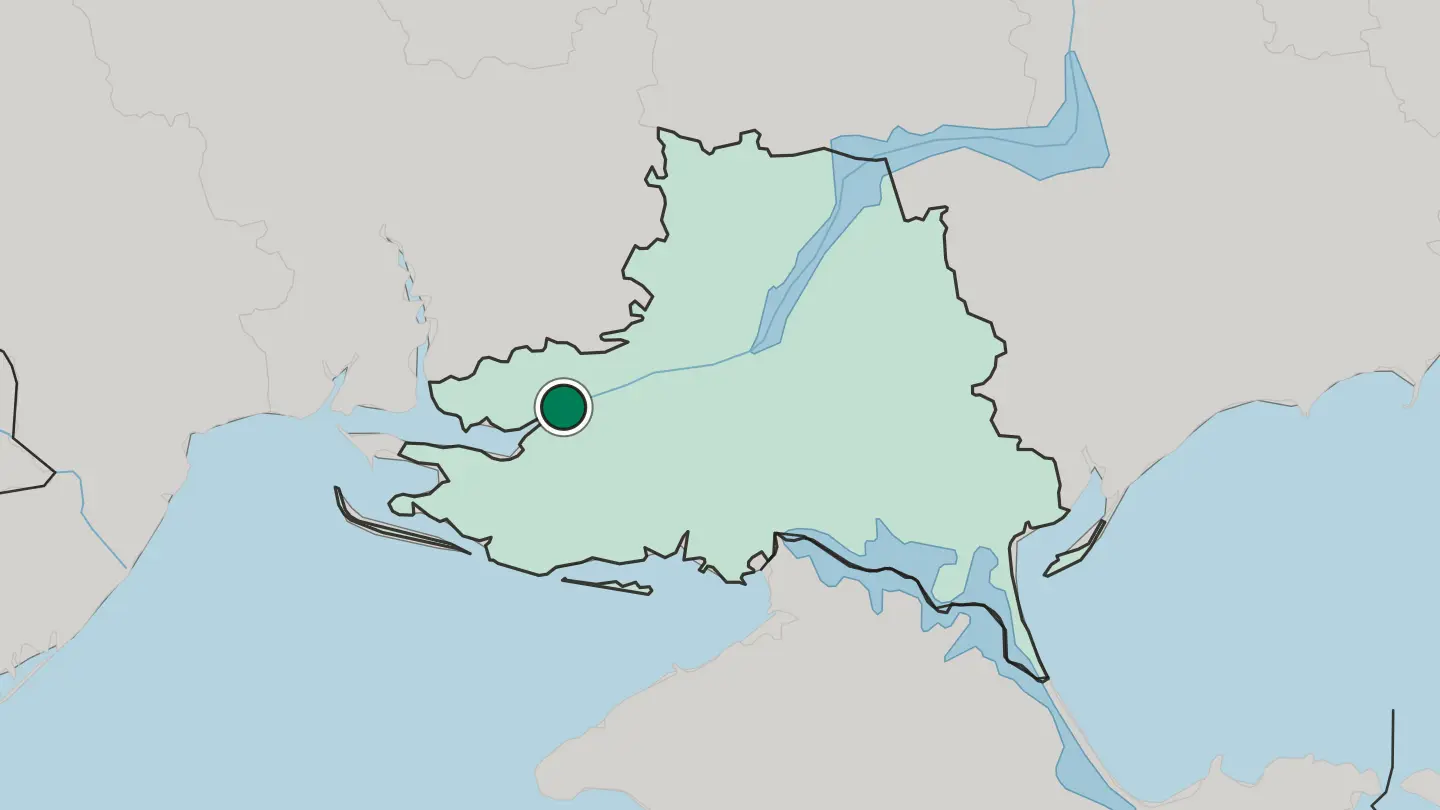
Hotel links are affiliate links: booking through them may earn us a commission, at no extra cost to you. It never affects how places are ranked. How this works
About Kherson Oblast
Ukrainians call it the fruit basket.
What is Kherson Oblast known for?
Irrigated fields on the dry steppe push out watermelons and tomatoes alongside grapes and sunflower that once reached markets across the whole country, with the harvest at its height through the hot summer. The Dnieper cuts the oblast in two on its final run to the sea, and the water it once held behind the Kakhovka Reservoir turned an arid plain into farmland. Kherson, the shipbuilding port on the river's right bank, is the administrative centre and the place most journeys begin.
Where is Kherson Oblast?
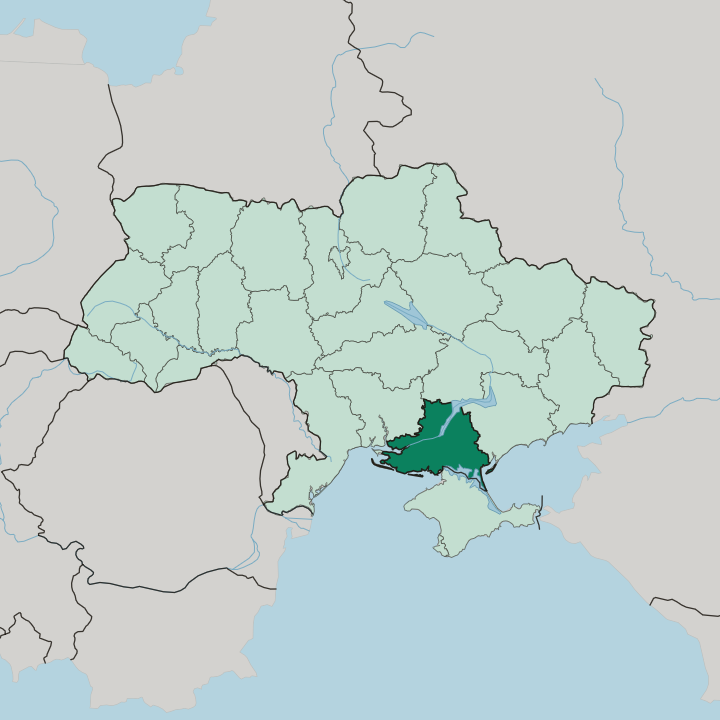
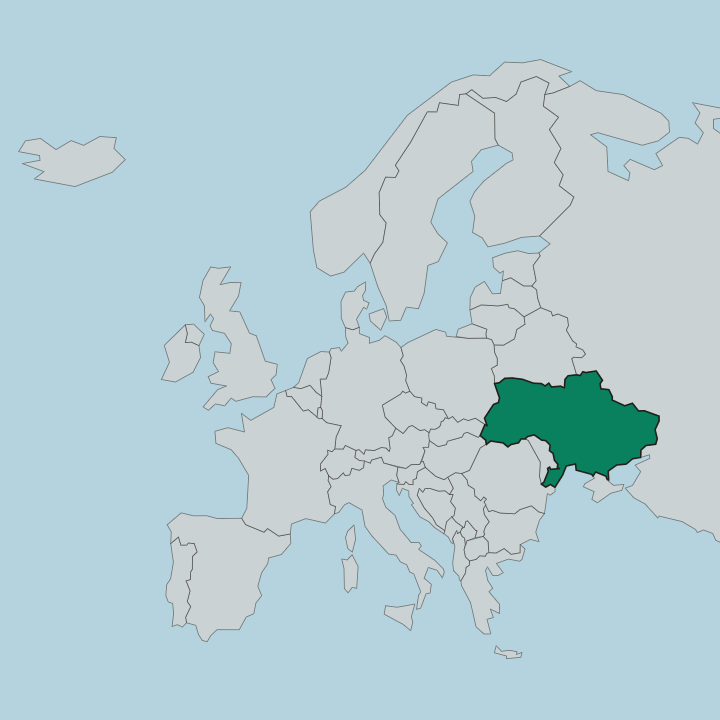
Kherson Oblast lies in southern Ukraine, on the low steppe of the Black Sea Lowland where the land tilts gently toward the coast. The Dnieper is its spine. The river runs down out of Dnipropetrovsk Oblast to the north and splits the province in two on its way to the sea, with Kherson standing on the higher right bank.
Below the city the Dnieper spreads into a wide reed delta before it reaches open water. Two seas edge the province. The Black Sea washes the south-western shore, and the shallow Sea of Azov laps the south-east, so Kherson is the only Ukrainian oblast bordered by both.
Crimea lies directly across the water to the south. The Arabat Spit, a sand bar of about 100 kilometres, runs along the eastern edge and all but closes off the Sivash lagoons between the mainland and the peninsula. Inland the ground is nearly level.
Much of it is worked farmland, but the Oleshky Sands spread across the left bank as one of Europe's largest expanses of open dune, and the dry Taurida steppe survives in patches. Mykolaiv Oblast borders it to the west. Little of the province rises far above the water that surrounds it.
What is Kherson Oblast like?
The character of the province is agricultural and southern, shaped by the steppe and the river more than by any city. Watermelon is the local emblem. Kherson melons and tomatoes carried the region's name to markets far beyond it, and the summer harvest is a point of genuine local pride.
This was the edge of the Wild Fields, the open Pontic steppe below the Dnieper where Zaporozhian Cossacks grazed cattle, fished the river and mined salt long before any town rose on the bank. That frontier past sits under everything here. Askania-Nova keeps a living piece of the old ground: a biosphere reserve of virgin Taurida steppe, botanical gardens and a zoological park set out on the flat plain, where herds of ungulates and Przewalski's horses range across grassland that was never ploughed.
The population is mostly Ukrainian, with a Russian minority, and everyday speech runs bilingual across the towns and farm villages, a mixed tongue rather than one clean language. Music, food and pace all belong to the countryside as much as to Kherson itself.
What is the history of Kherson Oblast?
Kherson the city was founded in 1778, decreed by Catherine II and built under Prince Grigory Potemkin as a fortress and shipyard for a new Black Sea Fleet on the lower Dnieper. Its first warship launched in 1783. The land itself is far older, the frontier steppe of the Wild Fields settled by Zaporozhian Cossacks before the empire arrived.
Kherson Oblast in its present form dates to 1944, and the arid plain was only turned to dense farmland in the mid-twentieth century, when the Kakhovka Reservoir and its canals brought Dnieper water to the fields.
What is the climate of Kherson Oblast?
Kherson Oblast has a warm and dry temperate-continental climate, the hottest and one of the driest in Ukraine. Summers are long and baking on the open steppe, with a stretch of the year averaging well above the mark that ripens the melons and grapes, while winters stay mild and short near the two seas. Rain is sparse and unreliable.
That is why the whole farming economy leaned on irrigation from the Dnieper rather than the sky. The Oleshky Sands, a semi-arid dune field on the left bank, are the clearest sign of how little water the bare ground here holds.
How do you get to Kherson Oblast?
Kherson is the hub. Most travellers reach the oblast overland from the rest of Ukraine, coming in by road and rail across the flat southern steppe with the river valley as the guiding line down toward the coast. The Dnieper is a working waterway too, and the port at Kherson handles river and sea traffic down to the Black Sea.
Main routes drop in from Mykolaiv to the west and from Dnipropetrovsk Oblast to the north. Inside the province, roads fan out from Kherson to the melon country, to Skadovsk on the Black Sea and east toward the Sea of Azov shore.
Common questions
What is the best area to stay in Kherson Oblast?
Kherson: an entry point into Kherson Oblast at its Dnieper port capital. Skadovsk: warm shallow water on the Dzharylhach Bay. The steppe interior: the fruit-and-melon farmland.
More regions in Ukraine
Updated September 2026