United States · Arkansas
Where to Stay in Fayetteville, Arkansas
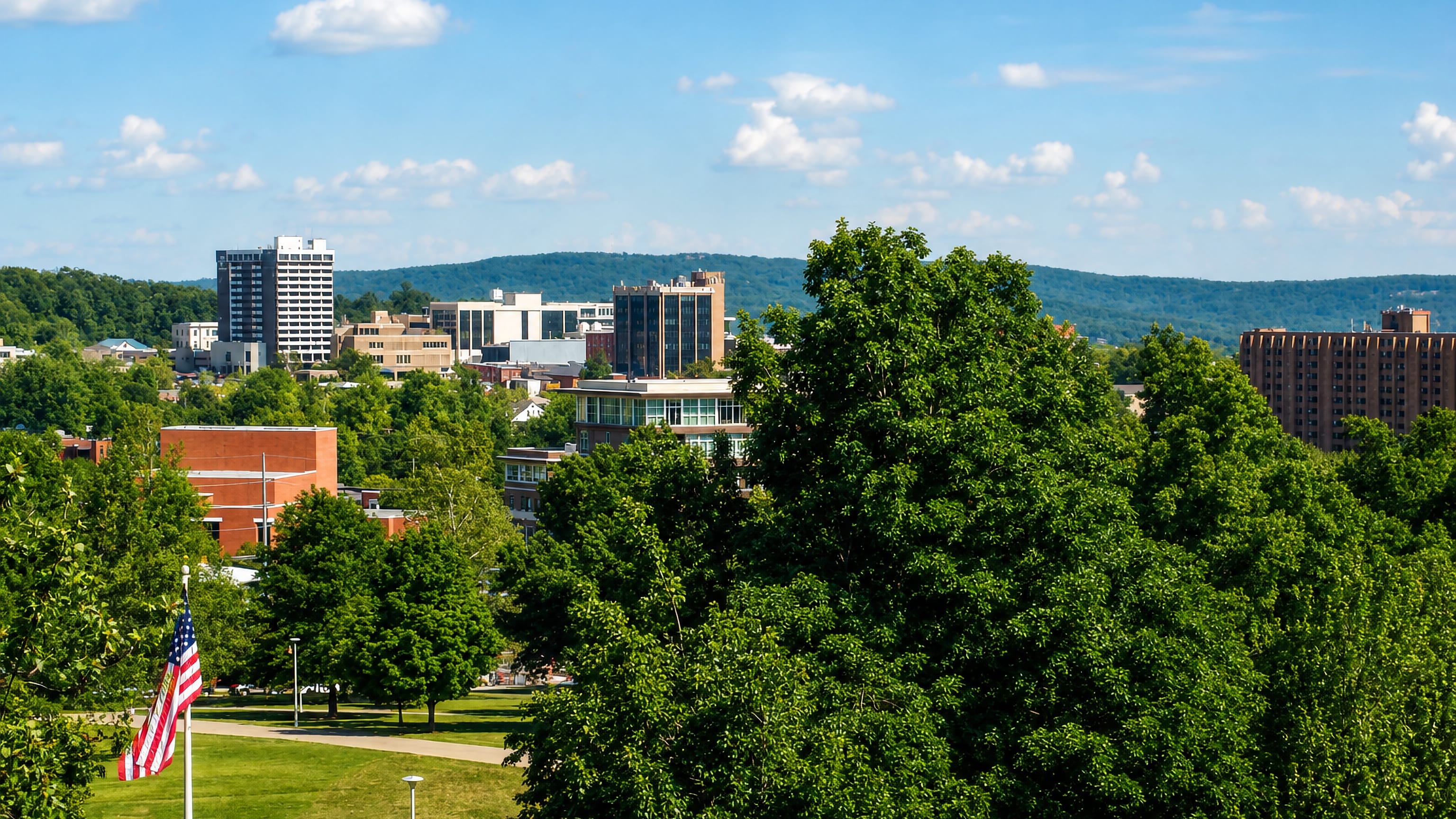
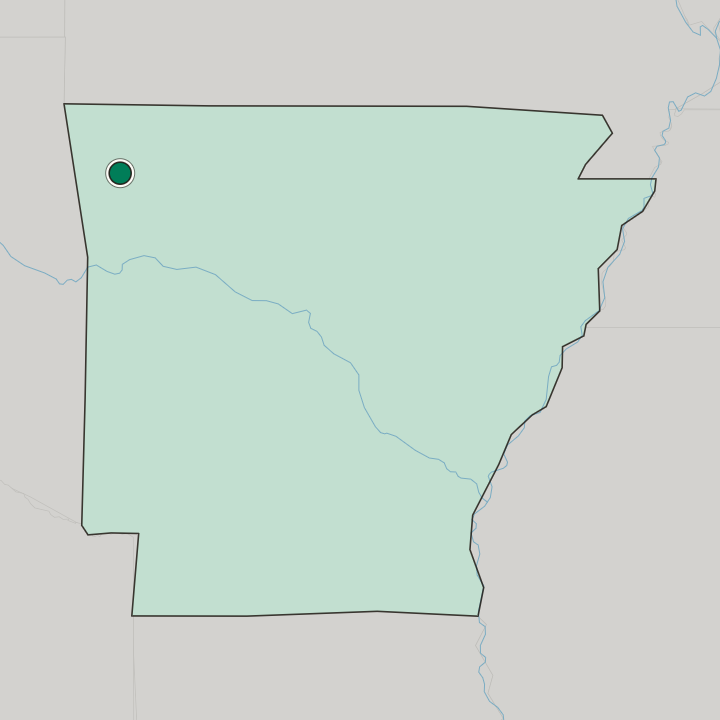
Fayetteville is the seat of Washington County, an Arkansas city of 1828 standing on the outskirts of the Boston Mountains within the Ozarks.
Hotel links are affiliate links: booking through them may earn us a commission, at no extra cost to you. It never affects how places are ranked. How this works


Where to stay in Fayetteville
Where the beds are, and what that means for the visit.
The upland edge sorts the choices. Rooms toward the Boston Mountains put a traveller within reach of the Ozark walking country, while those closer to the courthouse square keep Headquarters House and the Ridge House on foot instead. Both work well enough.
The city covers a very large area for the number of streets it has, so the practical difference between one side and the other is a drive of several minutes rather than a change of scene. Sport crowds the calendar. The Randal Tyson Track Center and the HPER Complex bring meets and events into Washington County that fill rooms in blocks, and the weekends they occupy are settled a long way in advance.
Historic streets are the third option. Beds near the Clinton House and the Gregg House put a visitor among the oldest fabric Fayetteville has kept, with the Waterman-Archer House and the Wilson-Pittman-Campbell-Gregory House on the same walking circuit. Happy Hollow Farm lies further out.
Anyone wanting the Ozark side of the city rather than its centre can base out that way and drive in, which suits a trip built around the Boston Mountains.
Find hotels in Fayetteville
Direct booking searches for these neighbourhoods.
The courthouse square
Headquarters House and the Ridge House stand around the old square of Fayetteville, which puts the earliest fabric the city holds inside one short circuit.Find hotels in The courthouse squareWalkers using Fayetteville as a base for the Ozark uplandsThe Boston Mountains edge
Beds on the Boston Mountains edge give up the walk to the square in return for a quicker start into the Ozark country above the city. Rooms are few around here — worth securing early.Find hotels in The Boston Mountains edgeTrips timed to a meet at the Randal Tyson Track Center or the HPER ComplexBy the Randal Tyson Track Center
Rooms beside the Randal Tyson Track Center and the HPER Complex sit idle between events and then go in blocks the moment a meet is scheduled. Beds are limited here, so book early.Find hotels in By the Randal Tyson Track CenterHotel links are affiliate links: booking through them may earn us a commission, at no extra cost to you. It never affects how places are ranked. How this works
Things to do in Fayetteville
Ranked by global recognition; descriptions from Wikidata (CC0).
Stadiums & Sports
2- Randal Tyson Track Center
- HPER Complex
Landmarks & Notable Places
8- Clinton House Heritage
- Headquarters House (Fayetteville, Arkansas) Heritage
- David and Mary Margaret Durst House Heritage
- Gregg House Heritage
- Jackson House Heritage
Show 3 more →
- Ridge House Heritage
- Villa Rosa Heritage
- Happy Hollow Farm Heritage
worth knowingacross 2 categories in Fayetteville
About Fayetteville
The Ozarks come right up to the streets.
What is Fayetteville known for?
Fayetteville stands on the outskirts of the Boston Mountains, and that upland edge shapes everything from the road approaches to the walking country available within a short drive of the courthouse. Old houses are the other draw. The Clinton House, the Ridge House and Headquarters House survive from separate chapters of the city's past, and Villa Rosa and Happy Hollow Farm extend the same roll outward.
What are the main landmarks in Fayetteville?
Houses dominate the register here. The Clinton House, the Gregg House, the Jackson House and the Ridge House each carry a household name forward, and the Waterman-Archer House and the Wilson-Pittman-Campbell-Gregory House record two more. Some sit apart.
Villa Rosa, Happy Hollow Farm and the David and Mary Margaret Durst House stand away from the ordinary street pattern, while the HPER Complex and the Randal Tyson Track Center are the modern additions to the list.
What is the history of Fayetteville?
Fayetteville dates from 1828. The town was laid out in that year and became the seat of Washington County, which gave it courts, records and the administrative business of a large upland county from early on. The Ozarks shaped the pattern of settlement from the start, since a county seat on upland ground grows along the routes the terrain allows rather than in a neat grid.
Houses record the rest of it. The Ridge House, the Jackson House and the Gregg House each preserve a household name from the city's building years on the edge of the Boston Mountains. Building carried on right through the century.
The Waterman-Archer House, the Wilson-Pittman-Campbell-Gregory House, the Warren Segraves House and Villa Rosa went up as the city expanded, each recorded under the family that commissioned it. Farmland stayed close in. Happy Hollow Farm survives from that agricultural side of the growth, and the David and Mary Margaret Durst House records another household from the same long roll.
The campus era came last. The HPER Complex and the Randal Tyson Track Center belong to the institutional city that followed, while the Clinton House is a later addition again to the roll of preserved Fayetteville addresses.
Where is Fayetteville?
Fayetteville covers about one hundred and forty square kilometres. The city sits on the outskirts of the Boston Mountains, so its ground rises and falls a great deal more than that flat figure would suggest, and the Ozarks carry on from its edges into open upland. Washington County surrounds it.
The seat serves a wide rural county, and the drive from one part of the city to another can take longer than the run out to open country.
What is the climate of Fayetteville?
The Ozark uplands moderate very little. Summer runs hot and humid across Washington County, and the shade of the wooded slopes above Fayetteville is the practical relief on the worst afternoons of July and August. Autumn is the reward.
Leaf colour comes to the Boston Mountains and the walking country fills up, which makes October one of the harder months in which to find a room at short notice.
How do you get to Fayetteville?
Highway approaches into Fayetteville account for almost every arrival. Fayetteville lies within the Ozarks, and the approaches to it climb and wind rather more than the flat distance implies, which is worth allowing for at the end of a long drive. The city rewards a car.
Its spread puts Happy Hollow Farm, the Randal Tyson Track Center and the courthouse square at genuine distances from one another.
Common questions
What is the best area to stay in Fayetteville?
The courthouse square: Visitors who want Headquarters House and the Ridge House on foot. The Boston Mountains edge: Walkers using Fayetteville as a base for the Ozark uplands. By the Randal Tyson Track Center: Trips timed to a meet at the Randal Tyson Track Center or the HPER Complex.
Good for
More cities in Arkansas
Updated September 2026