United States · Connecticut
Where to Stay in Stratford, Connecticut
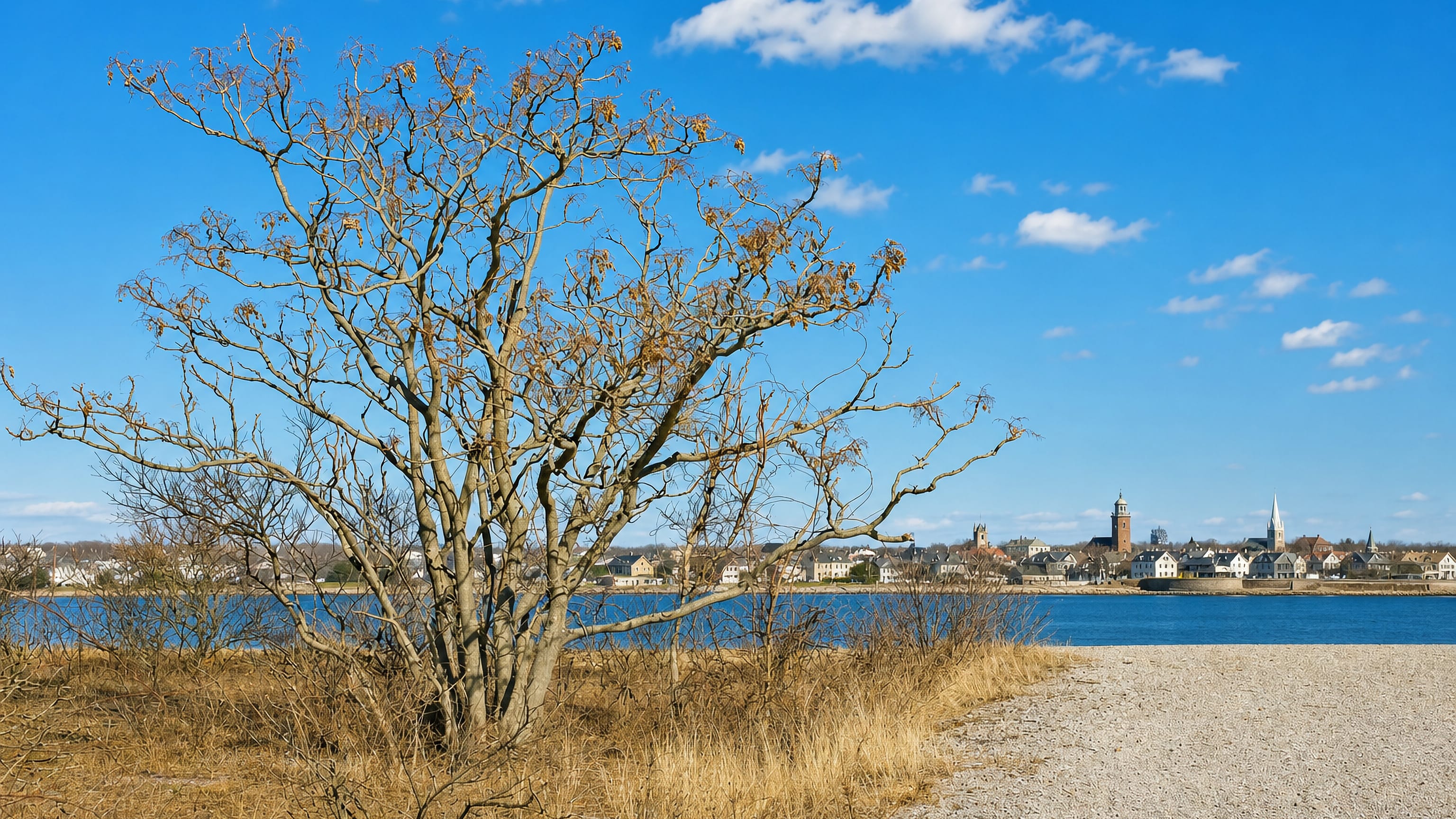
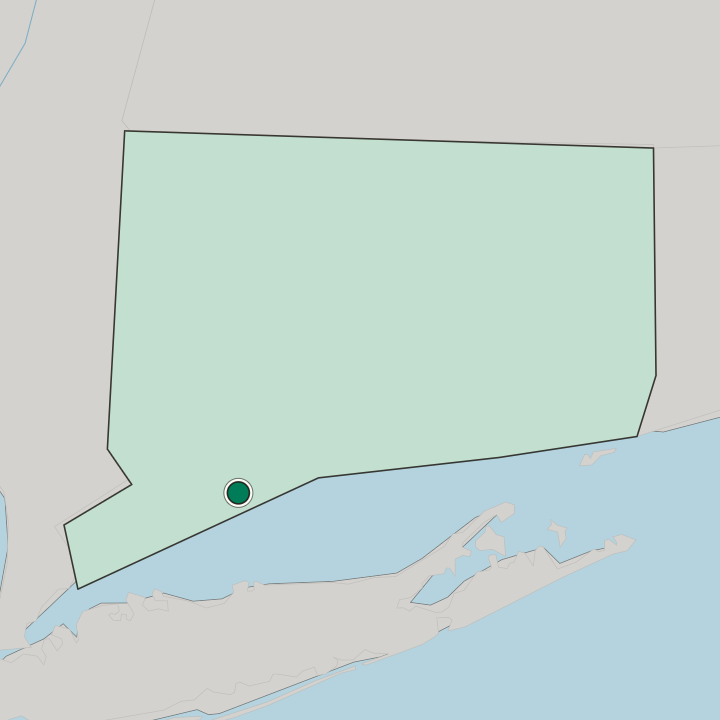
Stratford sits at the mouth of the Housatonic River on Long Island Sound, a Fairfield County town in Connecticut settled by Puritans in 1639.
Hotel links are affiliate links: booking through them may earn us a commission, at no extra cost to you. It never affects how places are ranked. How this works


Where to stay in Stratford
Where the beds are, and what that means for the visit.
Stratford divides between water and town. The Long Island Sound edge carries the beaches, the fishing piers, the five marinas and both public boat launching facilities, and a room out there means the day starts on the water instead of driving to it. Inland the streets are older.
Captain David Judson House, the Isaac Lewis House, the Nathaniel Curtis House and the Sterling Homestead sit within the settled core, along with Blessed Sacrament Church and the Holy Name of Jesus Church. Rooms are not plentiful in either part. Stratford is a small town on the Sound rather than a resort, so the wider Bridgeport-Stamford-Norwalk corridor absorbs most of the demand, and the Greater Bridgeport Planning Region is where the choice widens.
New York is about an hour's drive from parts of the town. That proximity changes what a stay here is for: this is a base for the Housatonic River, the National Helicopter Museum and Newfield Park rather than a place to sit still for a week. Frank DeLuca Hall of Fame Field fills rooms when it is in use.
If you are sailing, take the marina end; if the trip is about the town the Puritans laid out and its churches, including Sts. Cyril and Methodius Church, stay inland.
Find hotels in Stratford
Direct booking searches for these neighbourhoods.
The marina end
The Housatonic River mouth and the Sound frontage, where the boat launching facilities put a hull in the water before breakfast.Find hotels in The marina endwalkers doing the Isaac Lewis House and the Nathaniel Curtis House on footThe old core around the Captain David Judson House
The streets the Puritans laid out, with the Sterling Homestead and Blessed Sacrament Church inside the same few blocks. Lodging is scarce in this area; reserve in advance.Find hotels in The old core around the Captain David Judson Housetravellers working the Bridgeport–Stamford–Norwalk corridorGreater Bridgeport
The planning region Stratford belongs to holds far more beds than the town itself, at the cost of a drive back to the Housatonic.Find hotels in Greater BridgeportHotel links are affiliate links: booking through them may earn us a commission, at no extra cost to you. It never affects how places are ranked. How this works
Things to do in Stratford
Ranked by global recognition; descriptions from Wikidata (CC0).
Museums & Galleries
1- National Helicopter Museum
Churches & Religious Sites
2- Sts. Cyril and Methodius Church
- Holy Name of Jesus Church (Stratford, Connecticut)
Stadiums & Sports
2- Newfield Park
- Frank DeLuca Hall of Fame Field
Landmarks & Notable Places
4- Captain David Judson House Heritage
- Sterling Homestead Heritage
- Nathaniel Curtis House Heritage
- Isaac Lewis House Heritage
worth knowingacross 4 categories in Stratford
About Stratford
The water does the work here.
What is Stratford known for?
Public bathing beaches, five marinas, fishing piers and two public boat launching facilities line the town's edge on Long Island Sound, which is what most visits are actually built around. Then there is the helicopter museum. The National Helicopter Museum is Stratford's own oddity, and the Captain David Judson House carries the record back towards the Puritans who settled here in 1639.
What are the main landmarks in Stratford?
Old houses and churches make up most of the list. The Captain David Judson House, the Isaac Lewis House, the Nathaniel Curtis House and the Sterling Homestead are the domestic survivals, while Blessed Sacrament Church, the Holy Name of Jesus Church and Sts. Cyril and Methodius Church cover the rest of the built record.
One entry stands apart. The National Helicopter Museum owes nothing to the settlement's age, and Newfield Park and Frank DeLuca Hall of Fame Field handle the outdoor end.
What is the history of Stratford?
Puritans settled Stratford in 1639. That date puts the town among the early English foundations of New England, on ground at the mouth of the Housatonic River where the Sound gave a settlement both a harbour and a boundary. The oldest fabric survives in houses.
Captain David Judson House, the Isaac Lewis House, the Nathaniel Curtis House and the Sterling Homestead are what the town keeps from the centuries after the founding, and they sit close enough together to be walked in an afternoon. Bridgeport reshaped the neighbourhood. Stratford belongs to the Greater Bridgeport Planning Region and to the Bridgeport-Stamford-Norwalk Metropolitan Statistical Area, administrative frames far younger than the town they contain.
Three churches carry names from different traditions. Blessed Sacrament Church, the Holy Name of Jesus Church and Sts. Cyril and Methodius Church stand within the same town the Puritans laid out, which is the plainest measure of how much changed after 1639.
The National Helicopter Museum belongs to the modern layer. Newfield Park and Frank DeLuca Hall of Fame Field sit in that same recent stratum, while the water, Long Island Sound, the Housatonic River, the marinas along it, is the constant across every period.
Where is Stratford?
Long Island Sound forms the town's seaward edge, and the Housatonic River reaches the sea alongside it, which gives Stratford water on more than one side and a shoreline busy with piers and marinas. Between river and Sound, Stratford stays small. Fairfield County continues inland from it, and the built ground of Bridgeport runs up against Stratford on the way to the rest of the Metropolitan Statistical Area.
Beaches, piers and five marinas take up much of the frontage.
What is the climate of Stratford?
Long Island Sound moderates everything. Stratford lies in the temperate band of the northern hemisphere with open water along its seaward side, so the swing between the warm and cold halves of the year runs softer here than it does further inland in Fairfield County. Sailing seasons follow that.
The five marinas and the boat launching facilities matter most in the warm months, while the Captain David Judson House and the National Helicopter Museum carry the colder ones.
How do you get to Stratford?
Most arrivals drive. Stratford is about an hour from parts of New York by road, and it sits on the Bridgeport-Stamford-Norwalk axis, so the town is reached along the corridor rather than as a destination at the end of one. Boats arrive too.
Two public boat launching facilities and five marinas on Long Island Sound and the Housatonic River make water access as practical as the highway for anyone bringing a hull.
Common questions
What is the best area to stay in Stratford?
The marina end: sailing days out of Stratford's five marinas. The old core around the Captain David Judson House: walkers doing the Isaac Lewis House and the Nathaniel Curtis House on foot. Greater Bridgeport: travellers working the Bridgeport–Stamford–Norwalk corridor.
Good for
More cities in Connecticut
Updated October 2026