United States · Louisiana
Where to Stay in Baton Rouge, Louisiana
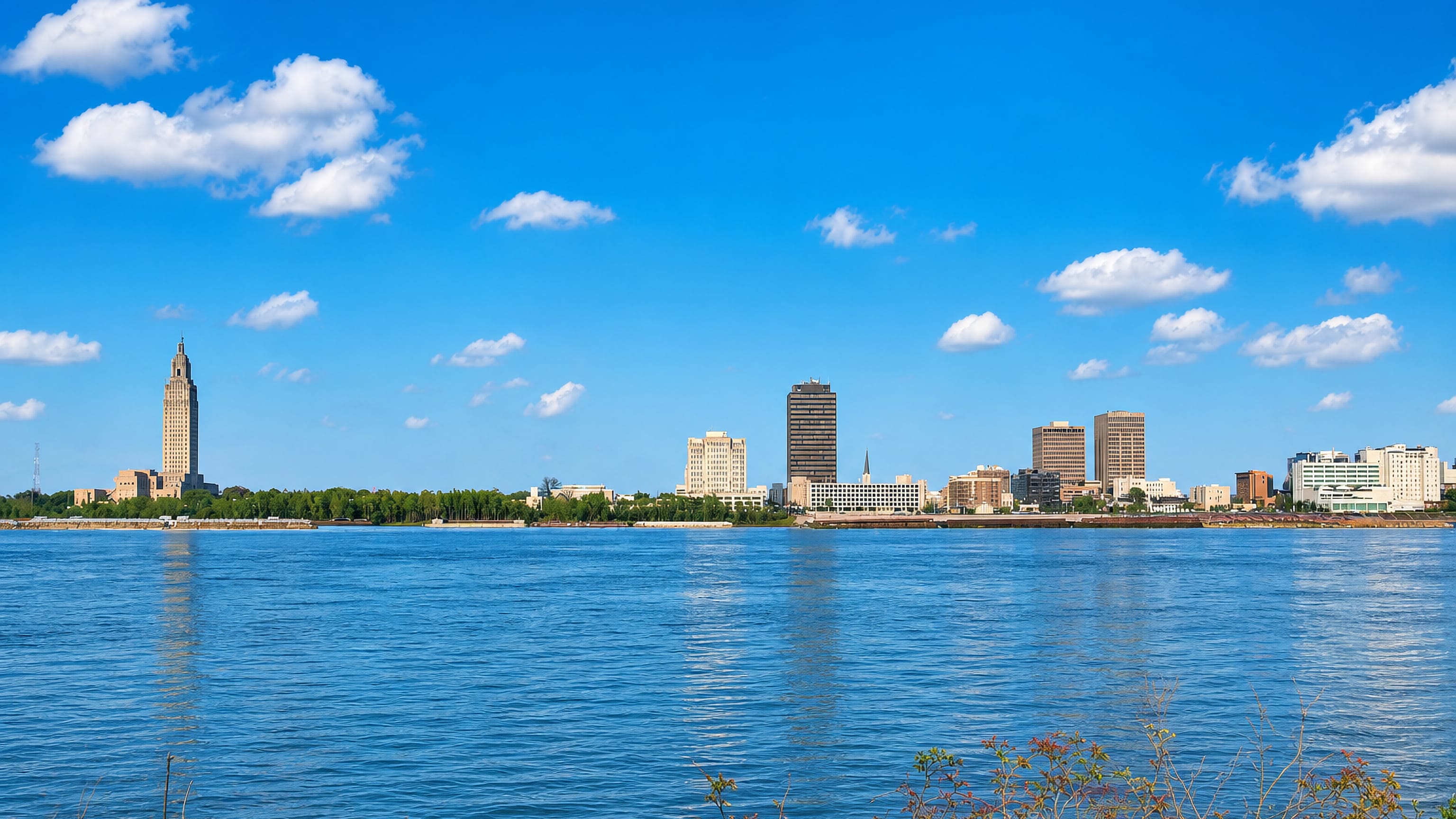
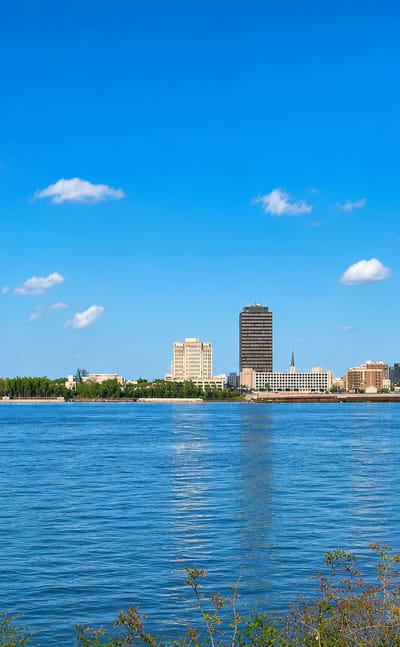
The Mississippi River runs past Baton Rouge, the capital of Louisiana, known for the USS Kidd and the Shaw Center for the Arts.
Hotel links are affiliate links: booking through them may earn us a commission, at no extra cost to you. It never affects how places are ranked. How this works


Where to stay in Baton Rouge
One neighbourhood here has its own guide — here's what it is best for.
 Baton RougeUnited States
Monticello
Monticello is a census place of roughly six square kilometres in East Baton Rouge Parish, Louisiana, counted inside the Baton Rouge metropolitan area.Where to stay →Hotel links are affiliate links: booking through them may earn us a commission, at no extra cost to you. It never affects how places are ranked. How this works
Find hotels in Baton Rouge
Direct booking searches for these neighbourhoods.
The levee downtown
The Shaw Center for the Arts and the Louisiana State Museum stand near the USS Kidd at its mooring along the Mississippi River levee.Find hotels in The levee downtownPlantation homes and ancient earthworksThe old-house and mound streets
The Magnolia Mound Plantation House Dependency and the LSU Campus Mounds sit among the older ground back from the downtown river crowds.Find hotels in The old-house and mound streetsHotel links are affiliate links: booking through them may earn us a commission, at no extra cost to you. It never affects how places are ranked. How this works
Things to do in Baton Rouge
Ranked by global recognition; descriptions from Wikidata (CC0).
Museums & Galleries
3- Yazoo and Mississippi Valley Railroad Company Depot Heritage
- Shaw Center for the Arts
- Louisiana State Museum – Baton Rouge
Churches & Religious Sites
3- St. Joseph Cathedral Heritage
- St. James Episcopal Church Heritage
- First Presbyterian Church (Baton Rouge, Louisiana)
Castles & Historic Sites
1- LSU Campus Mounds Heritage
Stadiums & Sports
3- Tiger Park
- Pete Goldsby Field
- Carl Maddox Field House
Landmarks & Notable Places
8- Reiley-Reeves House Heritage
- Hart House Heritage
- Kenneth C. and Carolyn B. Landry House Heritage
- Magnolia Mound Plantation House Dependency Heritage
- Manship House Heritage
Show 3 more →
- Pecue House Heritage
- Potts House Heritage
- Rabalais House Heritage
worth knowingacross 5 categories in Baton Rouge
About Baton Rouge
What is Baton Rouge known for?
Baton Rouge is known as the capital of Louisiana and for its museums along the Mississippi River. The USS Kidd rests as a museum ship at the levee, and the Shaw Center for the Arts and the LSU Museum of Art hold its galleries downtown. Water shapes the city.
The Louisiana State Museum and the St. Joseph Cathedral stand near the bank, and the LSU Campus Mounds keep some of the oldest earthworks in the country. The Magnolia Mound Plantation House Dependency records the older land of Louisiana.
What are the main landmarks in Baton Rouge?
Baton Rouge's landmarks run from a warship to ancient mounds. The USS Kidd rests at the levee, and the Shaw Center for the Arts and the LSU Museum of Art hold the city's galleries. History has its halls too.
The Louisiana State Museum records the state, and the St. Joseph Cathedral crowns the old streets. The LSU Campus Mounds and the Magnolia Mound Plantation House Dependency keep the oldest ground of Baton Rouge.
What is the history of Baton Rouge?
Baton Rouge was founded in 1699 on a bluff above the Mississippi River, in Louisiana, one of the first European sites on the lower river. French settlers took the high ground where a red post marked a boundary, and the name of the town still carries that old marker. The bluff kept it dry.
While the flat delta flooded below, the settlement held its place above the water, and it grew as a river landing where boats tied up along the bank. The LSU Campus Mounds stand from far older peoples who raised earthworks here long before the French. Over the generations that followed, the river town became the capital of the state.
Grand houses rose on the older ground, among them the Manship House and the plantation buildings the Magnolia Mound Plantation House Dependency preserves. Museums gathered the region's story. The Louisiana State Museum and the LSU Museum of Art keep its record, and the St. Joseph Cathedral marks the old faith of the town.
The USS Kidd came to rest at the levee as a warship museum. Baton Rouge grew from a red post on the river bluff. The Mississippi still runs below it.
Where is Baton Rouge?
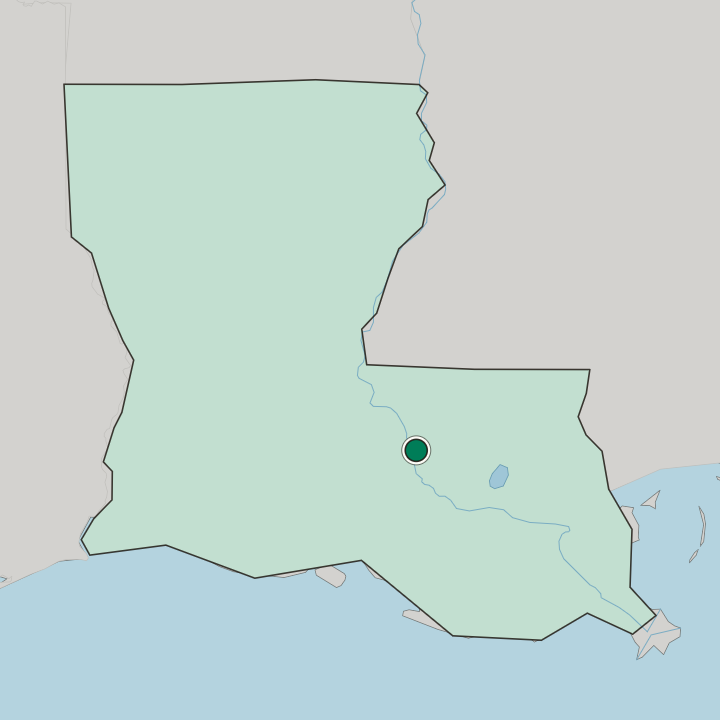
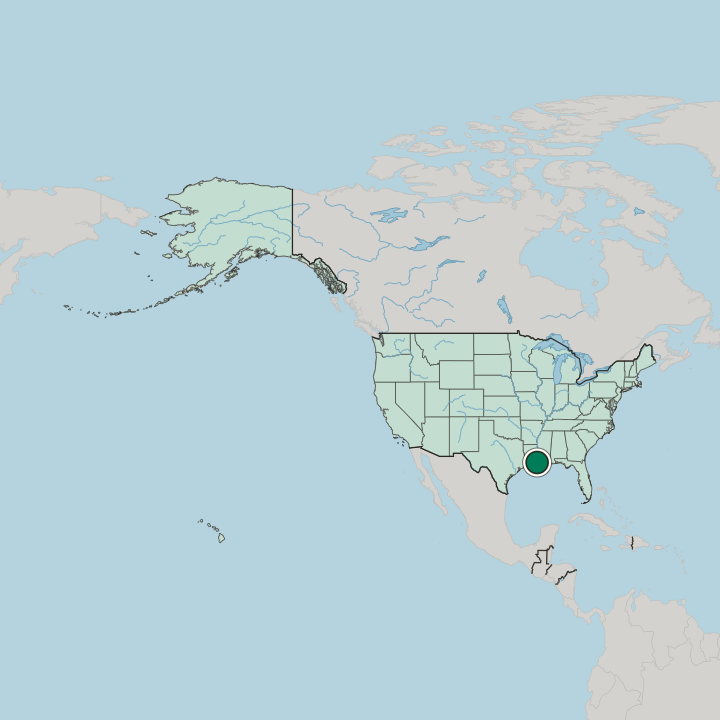
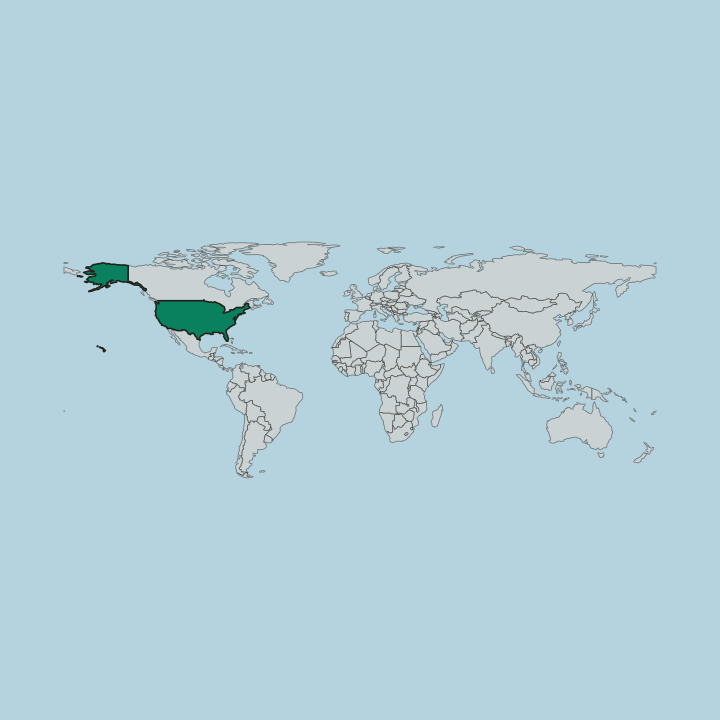
Baton Rouge stands on a bluff above the Mississippi River, in Louisiana, one of the states of the United States. The river runs south from the city toward its delta and the Gulf of Mexico, and the flat wetlands of the lower valley spread across the ground below the bluff. The high bank sets the town apart.
It rises just above the flood plain, the first firm ground the river reaches on its way down to the sea.
What is the climate of Baton Rouge?
Baton Rouge has a humid, subtropical climate, set in the low delta country of Louisiana. Summers are long, hot, and heavy with damp air off the Mississippi River, and afternoon storms build over the wetlands through the warm months. Rain falls hard here.
Winters stay mild along the lower river, and hard frost is rare so near the warm Gulf of Mexico.
How do you get to Baton Rouge?
Baton Rouge is reached by road, by air, and by river. Interstate highways cross Louisiana and meet at the city, carrying traffic from across the United States, and barges and ships still work the Mississippi River up from the sea. An airport lies north of downtown.
The river port ties the city to the Gulf of Mexico beyond the delta. For all that, the interstates deliver most visitors.
Common questions
What is the best area to stay in Baton Rouge?
The levee downtown: Riverfront museums and the warship. The old-house and mound streets: Plantation homes and ancient earthworks.
Good for
More cities in Louisiana
Updated September 2026