United States · Louisiana
Where to Stay in Lafayette, Louisiana
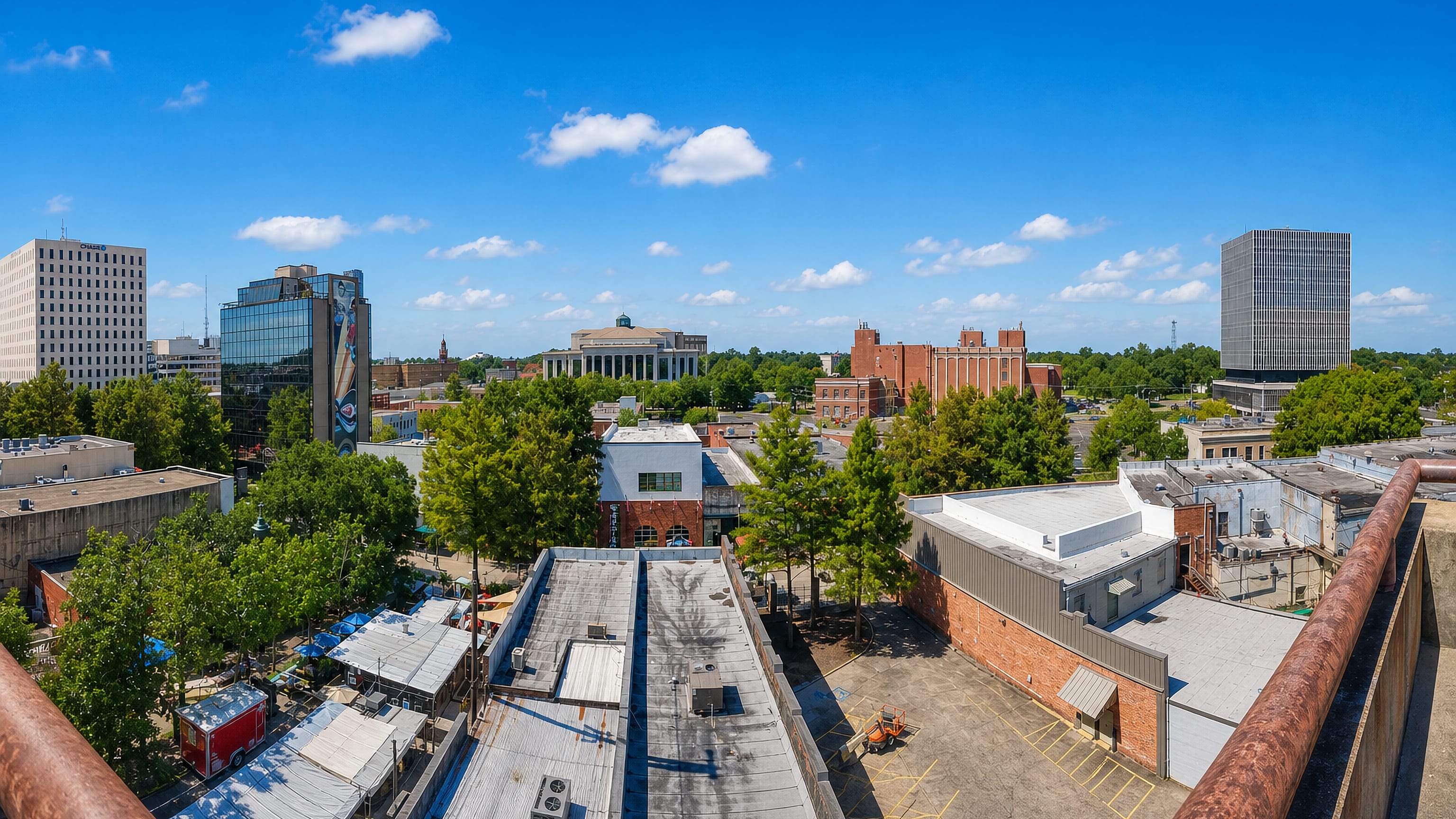
Lafayette is a city of south Louisiana in the United States, heart of Cajun country, a town of Acadians, zydeco, and crawfish on the Vermilion River.
Hotel links are affiliate links: booking through them may earn us a commission, at no extra cost to you. It never affects how places are ranked. How this works


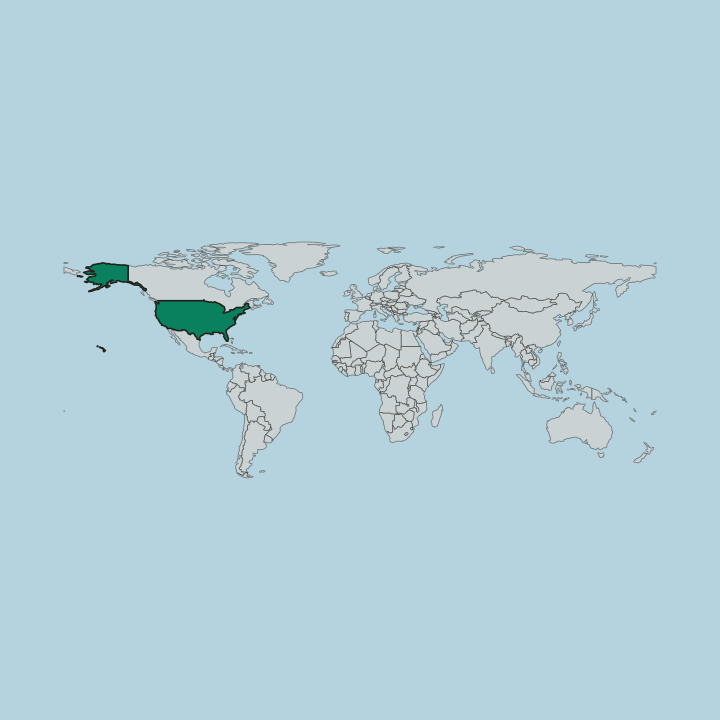
Where to stay in Lafayette
Where visitors usually base themselves, and why.
Where you stay in Lafayette turns on the town or the bayou country. The streets around downtown keep the cathedral, the museums, and the music halls within a walk, and staying downtown suits anyone here for the Cajun scene. The old oaks shade the streets.
Fiddles play in the dance halls. Out toward the swamps and the prairies, the town gives way to the cypress bayous, the Atchafalaya Basin, and the Cajun villages of the country. A room out of town trades the streets for the slow bayous, the rice prairies, and the great swamp beyond.
The marshes run down to the Gulf. Stay downtown for the music, or out for the swamps. Downtown Lafayette sits only a few minutes back from the swamp roads.
Find hotels in Lafayette
Direct booking searches for these neighbourhoods.
Downtown
In the centre above the VermilionFind hotels in DowntownStays wanting the swamps and Cajun villagesThe bayou country
Out toward the AtchafalayaFind hotels in The bayou countryHotel links are affiliate links: booking through them may earn us a commission, at no extra cost to you. It never affects how places are ranked. How this works
Things to do in Lafayette
Ranked by global recognition; descriptions from Wikidata (CC0).
Museums & Galleries
1- Paul and Lulu Hilliard University Art Museum
Churches & Religious Sites
1- St. John's Cathedral Heritage
Castles & Historic Sites
1- Mouton Monument
Landmarks & Notable Places
6- Charles H. Mouton House Heritage
- Alexandre Mouton House Heritage
- Brandt House Heritage
- J. Arthur Roy House Heritage
- Elrose Heritage
Show 1 more →
- Sidney Martin House Heritage
worth knowingacross 4 categories in Lafayette
About Lafayette
Lafayette is the capital of Cajun Louisiana.
What is Lafayette known for?
On the Vermilion River in the bayou country of the south, it grew as the heart of Acadiana, the land of the Cajuns, and it keeps the French-speaking culture of the old Acadian settlers, the zydeco and fiddle music of the dance halls, the crawfish and gumbo of its kitchens, and the great swamp of the Atchafalaya nearby. The slow bayou winds through town. Music spills from the halls.
What are the main landmarks in Lafayette?
The old cathedral is the pride of Lafayette. The Saint John cathedral in the heart of town, shaded by a live oak older than the city itself, stands by the old Acadian houses, the emblem of the town, downtown. A great swamp lies east.
The vast Atchafalaya Basin of cypress and water spreads beyond the city, while the Cajun music halls, the crawfish restaurants, and the Vermilion bayou mark the country around Lafayette.
What is the history of Lafayette?
Lafayette was settled by the Acadians. In the seventeen-hundreds French families driven from Acadia in the far north were scattered across the world, and many made a new life in the bayous of south Louisiana, where they became the people called Cajuns. They kept their old French ways.
Far in the swamps and prairies the Acadians held to their French tongue, their Catholic faith, and their music and cooking, building a culture all their own on the Vermilion. The little town grew on the prairie. A town rose on the Vermilion in the eighteen-hundreds and took the name of the French general Lafayette, and it grew as the market of the Cajun prairies and bayous.
Oil made the city boom. When oil was struck off the Gulf coast, Lafayette became the hub of the Louisiana oil fields, and it grew into the busy capital of Acadiana, keeping its French music, its crawfish feasts, and its swamps. The zydeco still plays on Saturday nights.
Lafayette keeps its Cajun heart on the Vermilion.
Where is Lafayette?
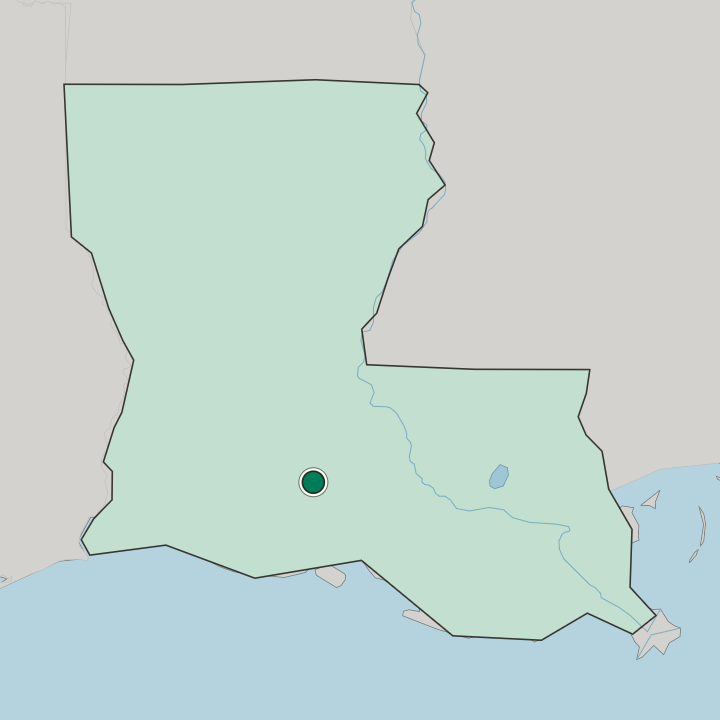
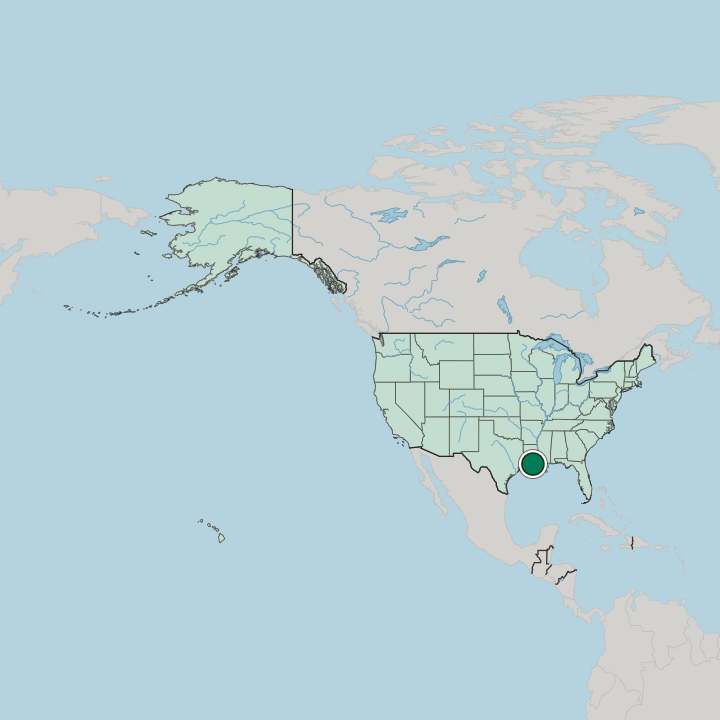
Lafayette lies in the south of Louisiana, on the Vermilion River in the flat bayou country near the Gulf. The city sits on the low delta plain of rice fields and cane, laced with slow bayous and cypress swamps, with the great Atchafalaya Basin spreading to the east and the marshes running down to the Gulf coast. The bayou runs slow and brown.
Cane and rice fill the flats.
What is the climate of Lafayette?
Lafayette has a hot, humid subtropical climate. Long steamy summers and mild wet winters cross the delta, with heavy rain and thunderstorms and the risk of a hurricane off the Gulf. Heat and damp hang heavy.
Warm rain falls the year round.
How do you get to Lafayette?
Lafayette lies in south Louisiana, on the interstate between Baton Rouge and the Texas line. The highway runs to it across the bayous from New Orleans and Baton Rouge, and roads lead south to the coast and the marshes. Boats work the bayous.
New Orleans lies east down the road.
Common questions
What is the best area to stay in Lafayette?
Downtown: Visitors here for the cathedral and music. The bayou country: Stays wanting the swamps and Cajun villages.
Good for
More cities in Louisiana
Updated September 2026