United States
Louisiana, United States — Towns & Travel Guide
Louisiana is the Deep South state where the Mississippi River spills into bayous and delta, cradle of Cajun and Creole culture.
Hotel links are affiliate links: booking through them may earn us a commission, at no extra cost to you. It never affects how places are ranked. How this works


Towns & cities in Louisiana
Pick a town or city — each links to where to stay.
 United States
New Orleans
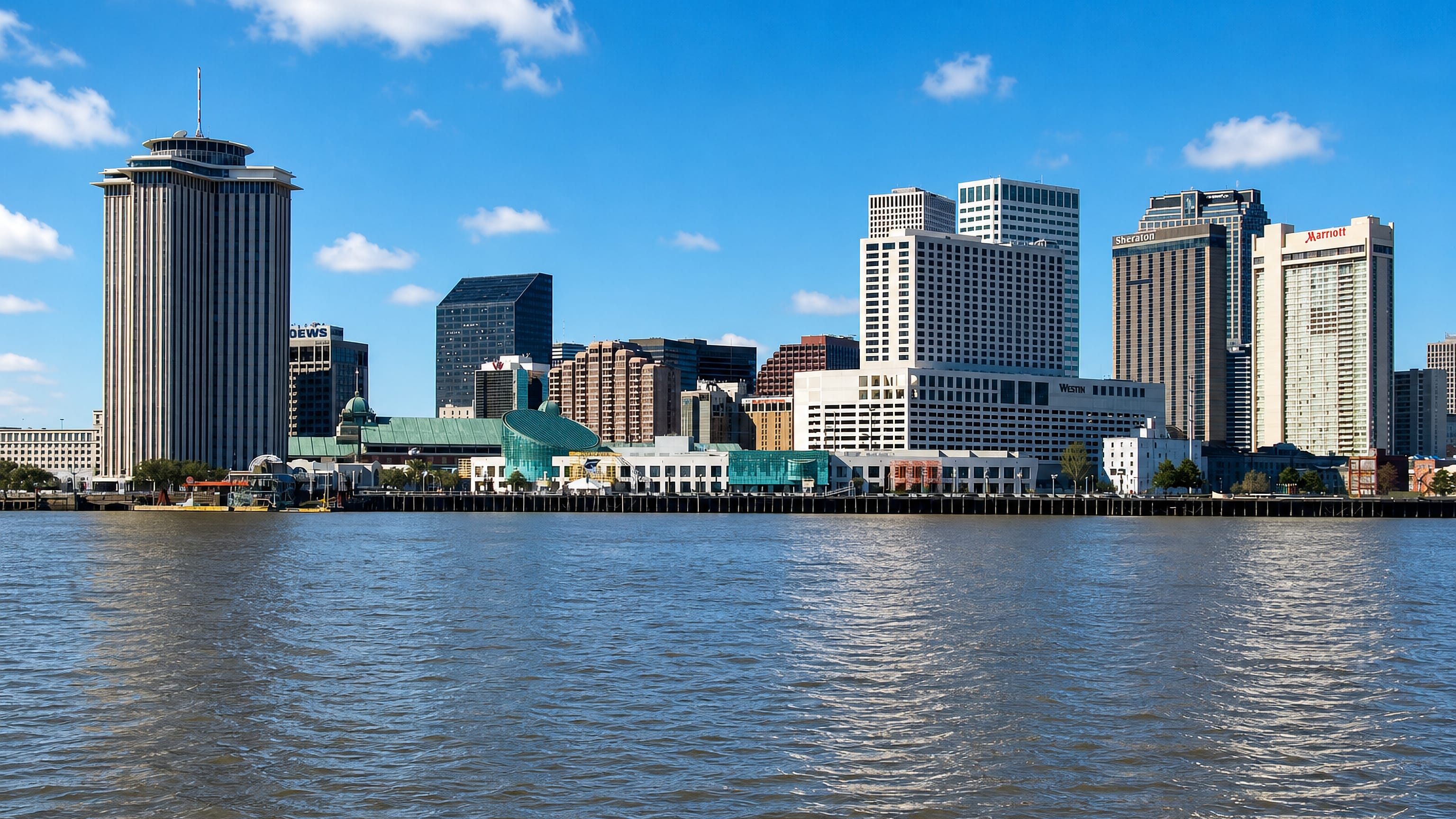
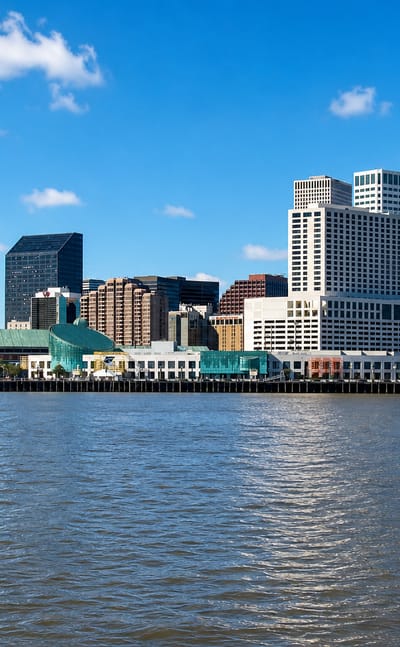
The spires of St. Louis Cathedral rise over New Orleans, a river city in Louisiana founded in 1718 and known for The Cabildo and its old French streets.Where to stay →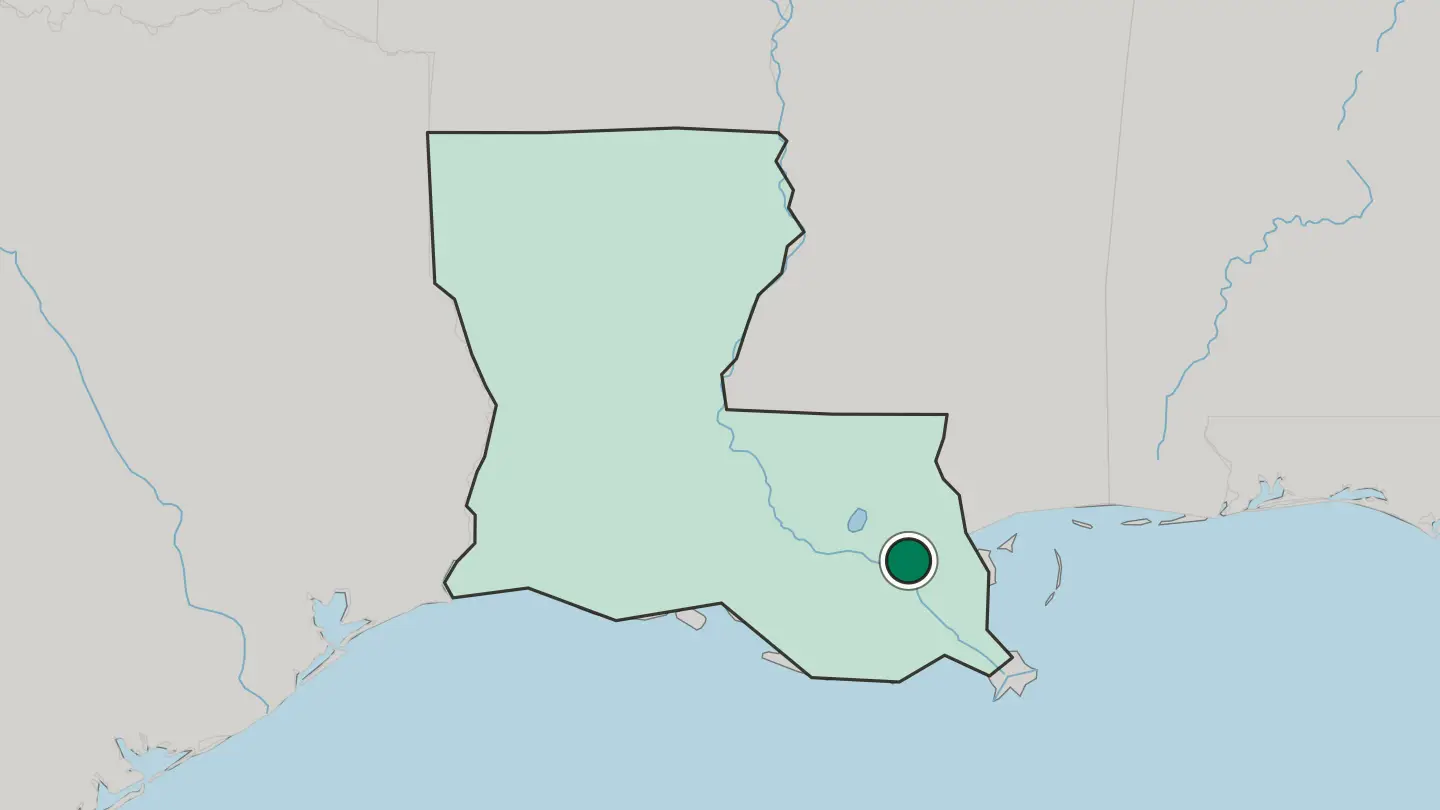
 United States
Baton Rouge
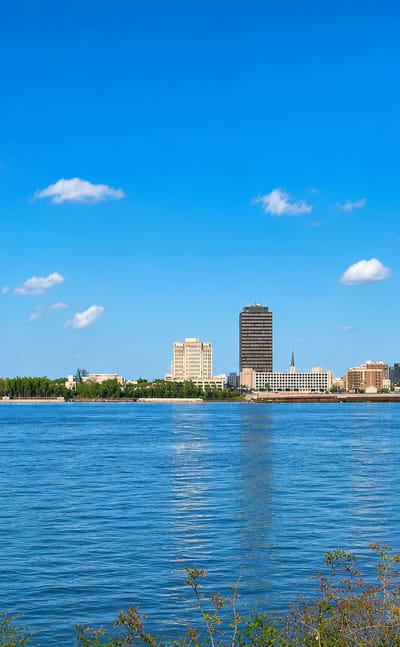
The Mississippi River runs past Baton Rouge, the capital of Louisiana, known for the USS Kidd and the Shaw Center for the Arts.Where to stay →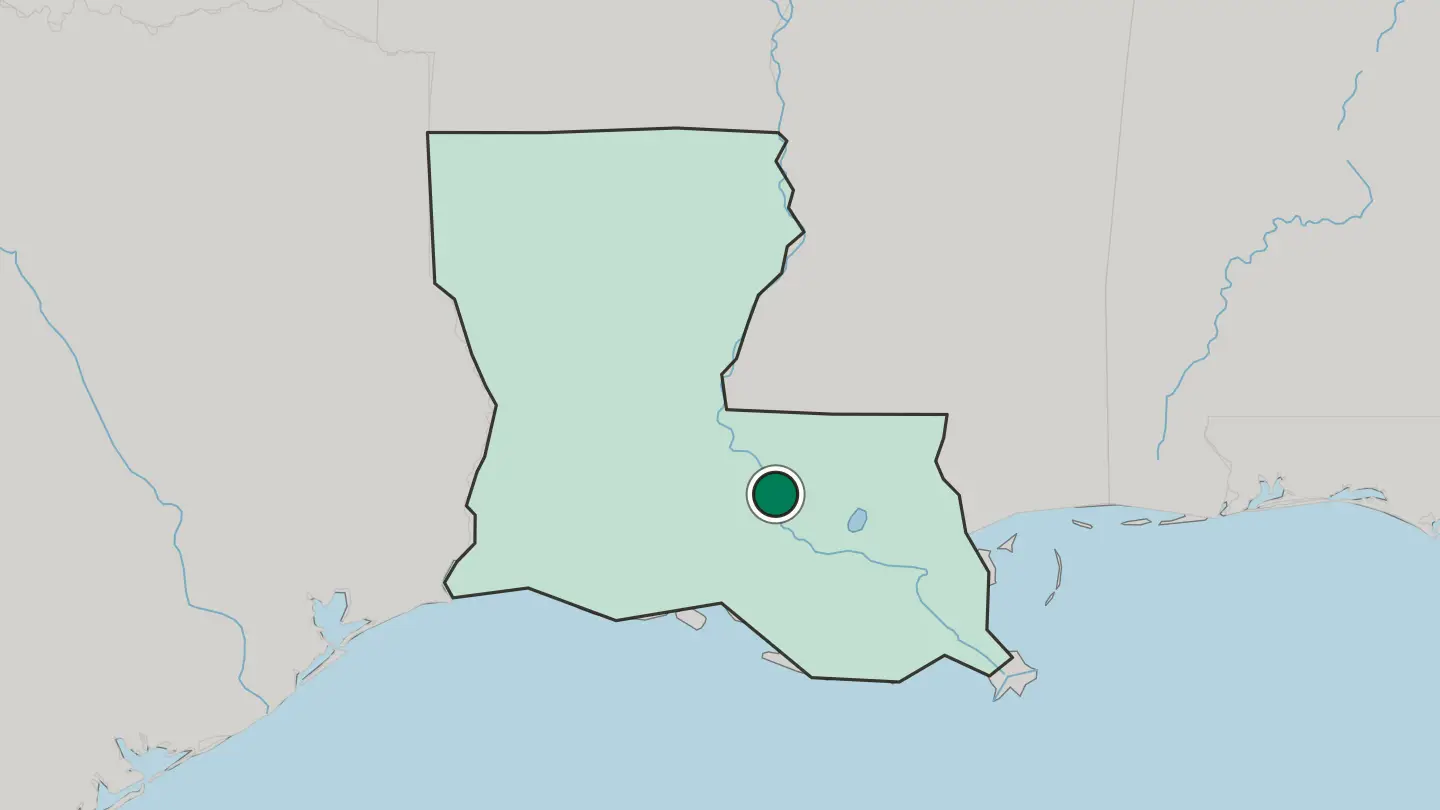
 United States
Shreveport
Shreveport spreads along the west bank of the Red River in Caddo Parish, the principal city of the Ark-La-Tex and twin to Bossier City.Where to stay →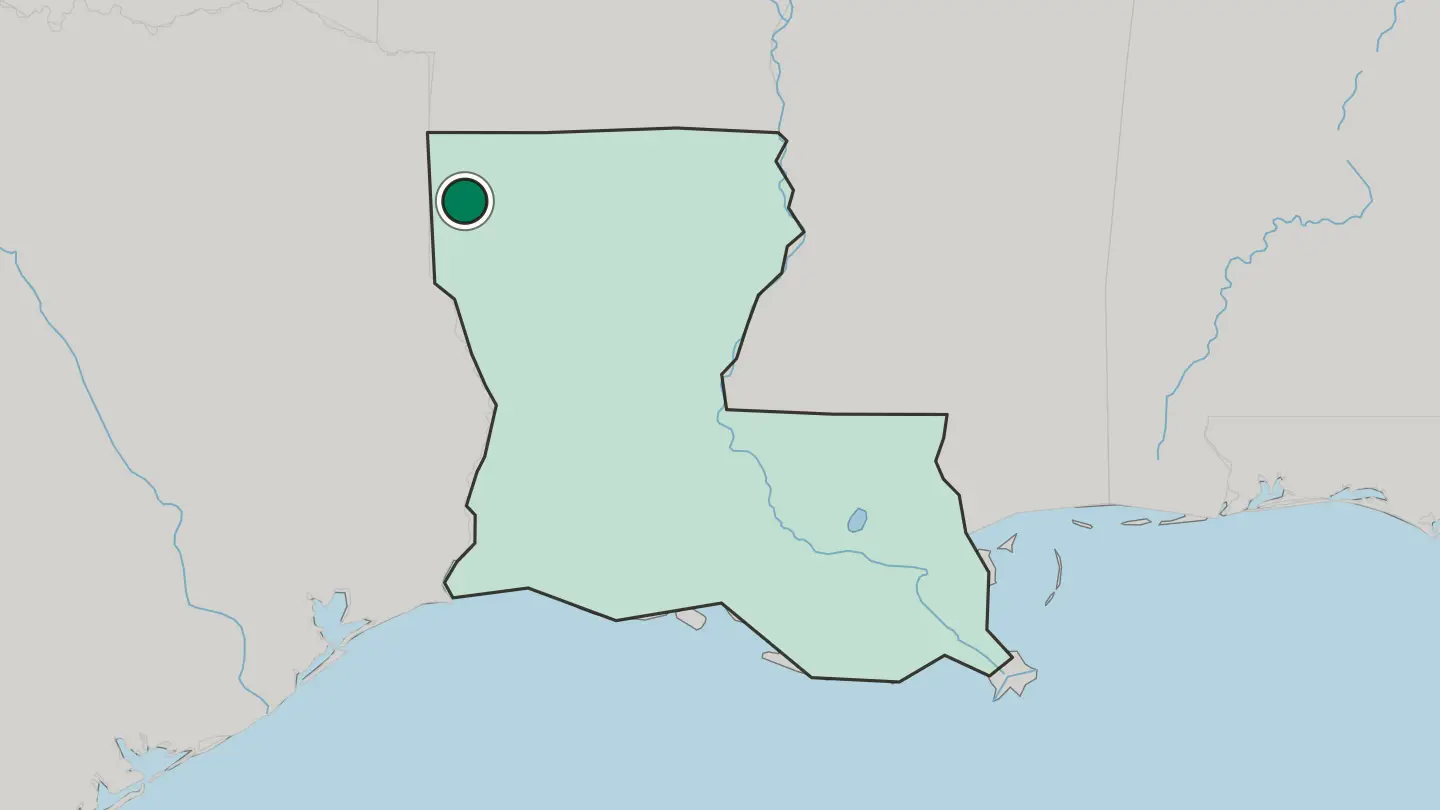
 United States
Metairie
Metairie is the largest community in Jefferson Parish, Louisiana, an unincorporated suburb that runs into New Orleans without a break.Where to stay →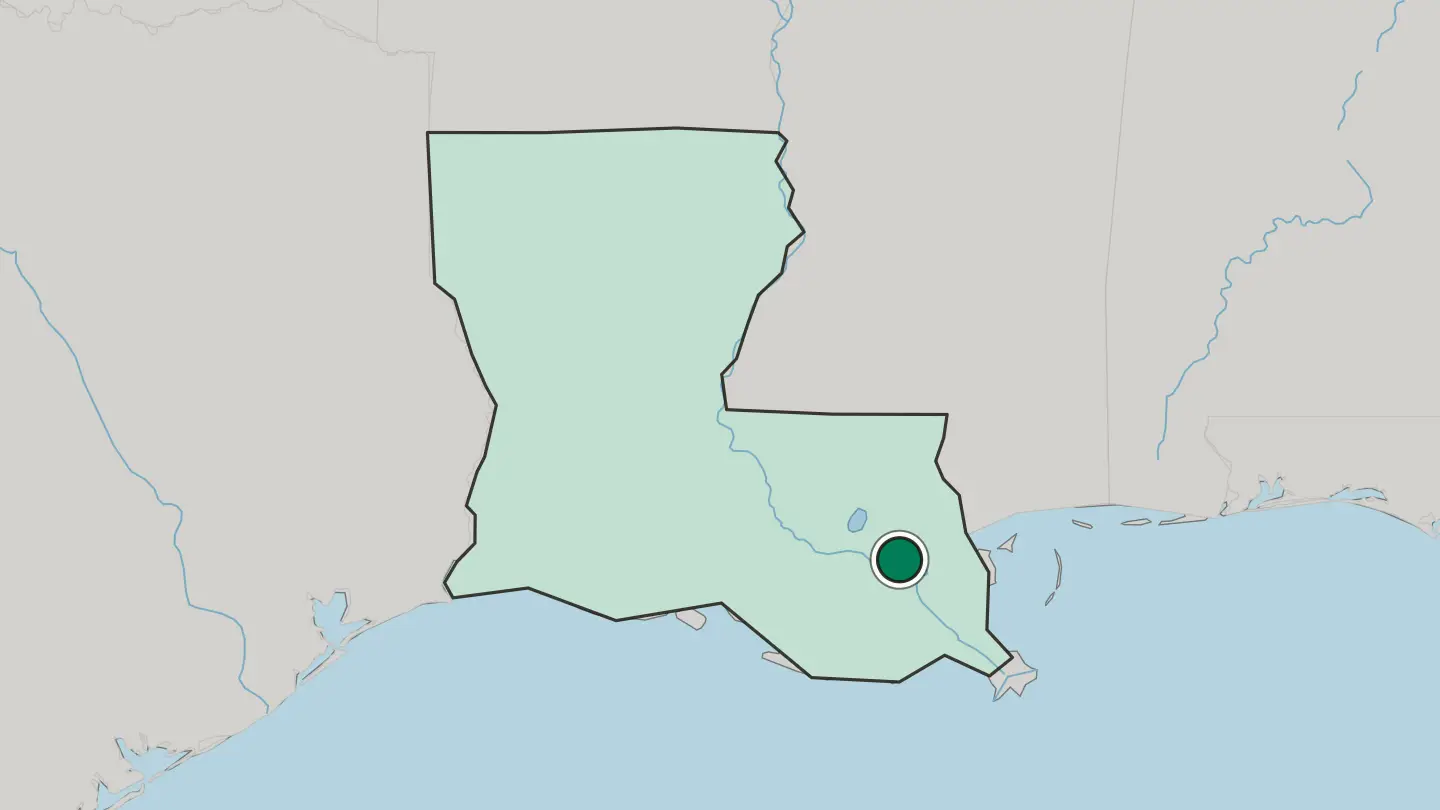
 United States
Lafayette
Lafayette is a city of south Louisiana in the United States, heart of Cajun country, a town of Acadians, zydeco, and crawfish on the Vermilion River.Where to stay →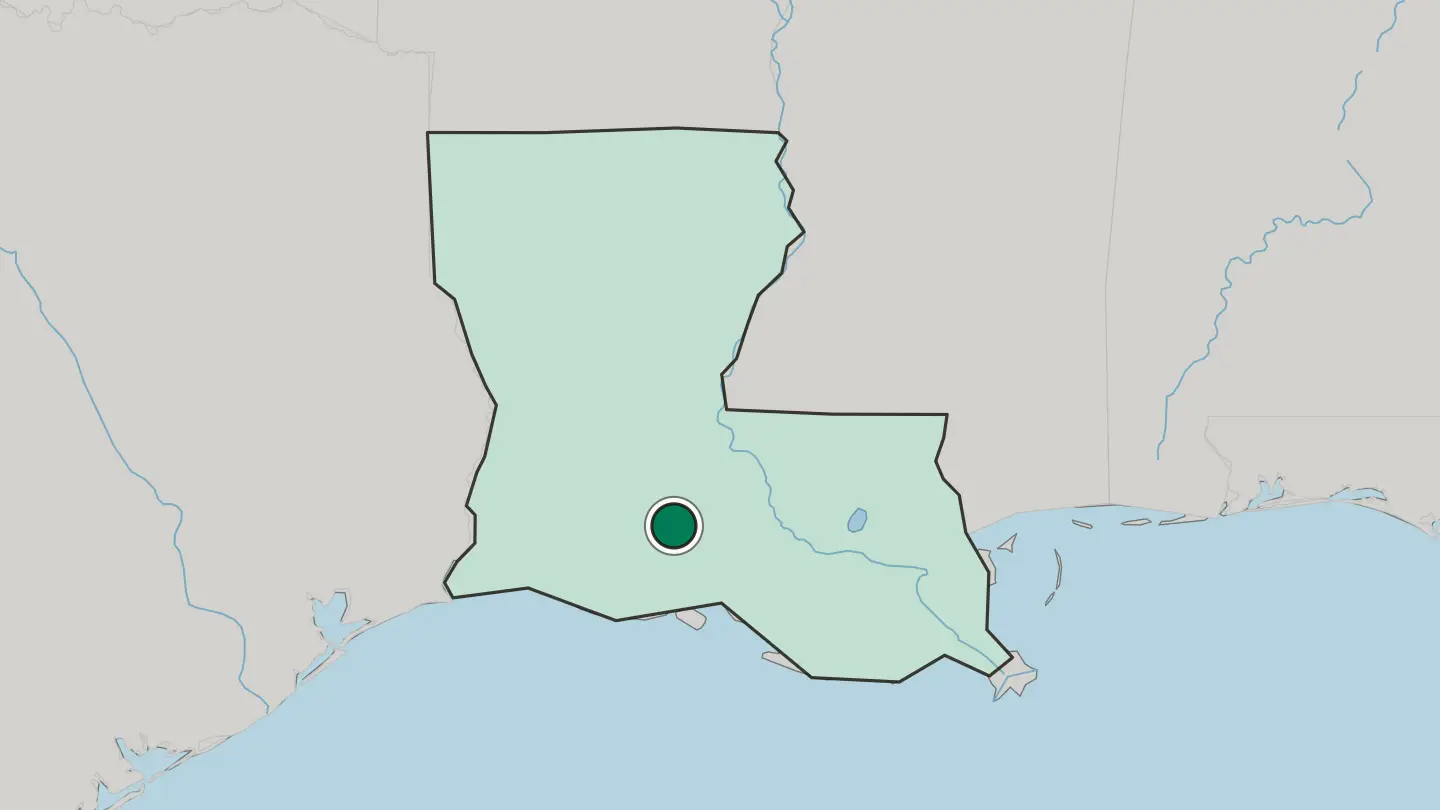
 United States
Lake Charles
Lake Charles sits on its namesake lake in Calcasieu Parish, a Louisiana city of the Acadiana region known for gaming, festivals and the outdoors.Where to stay →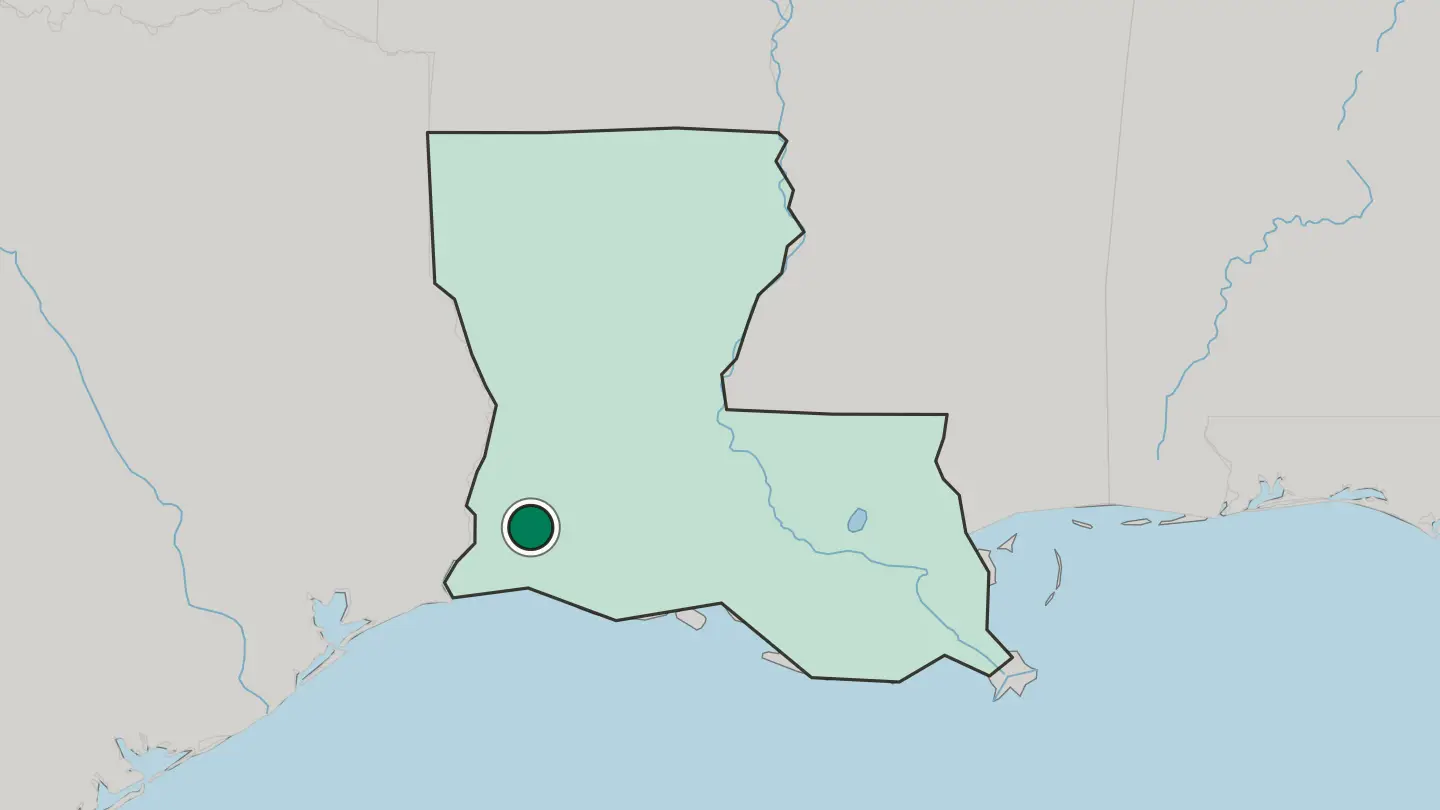
 United States
Bossier City
Bossier City sits on the eastern bank of the Red River in Bossier Parish, Louisiana, facing Shreveport across the water.Where to stay →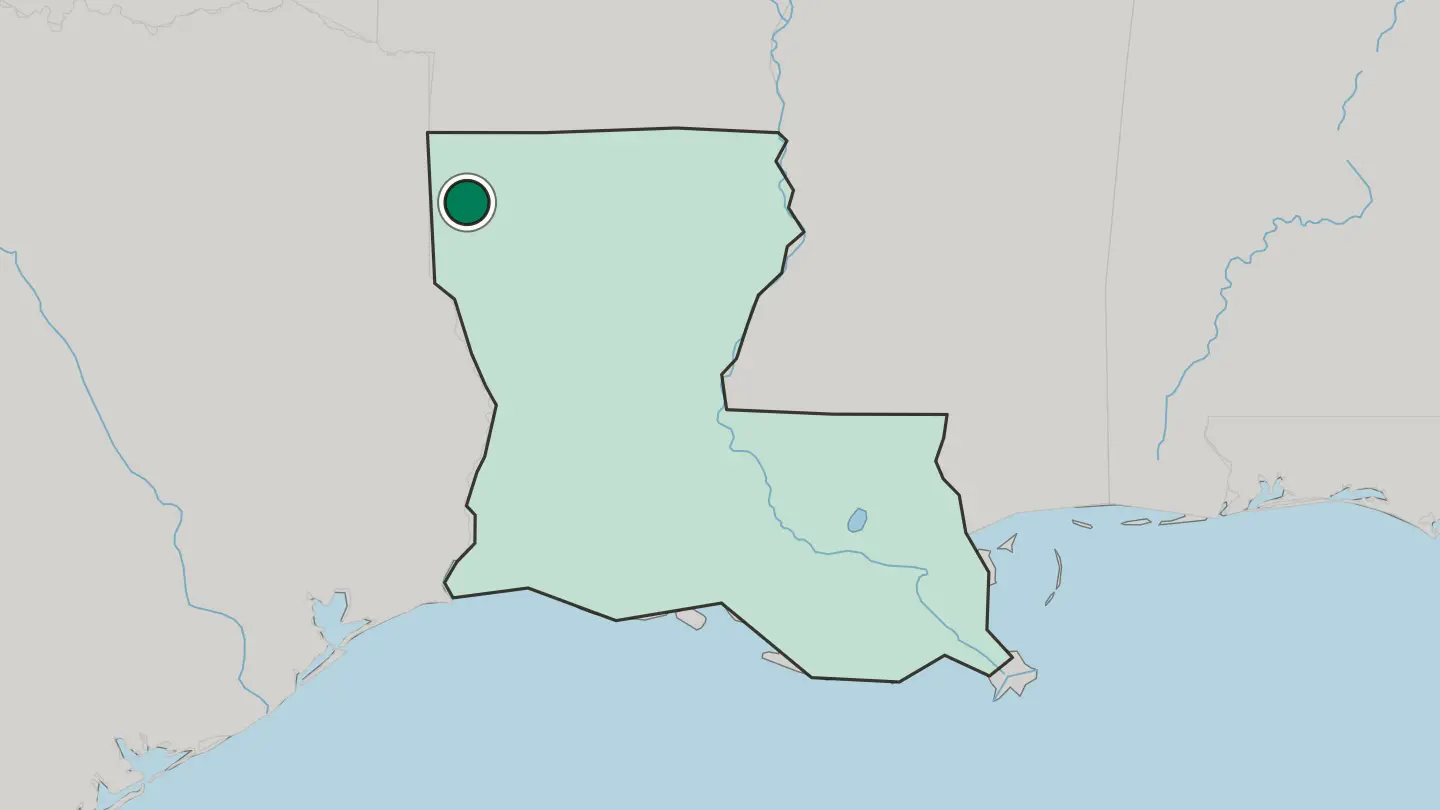
 United States
Kenner
Kenner is the largest suburb of New Orleans, a Jefferson Parish city of 1855 holding New Orleans International Airport on the Mississippi River.Where to stay →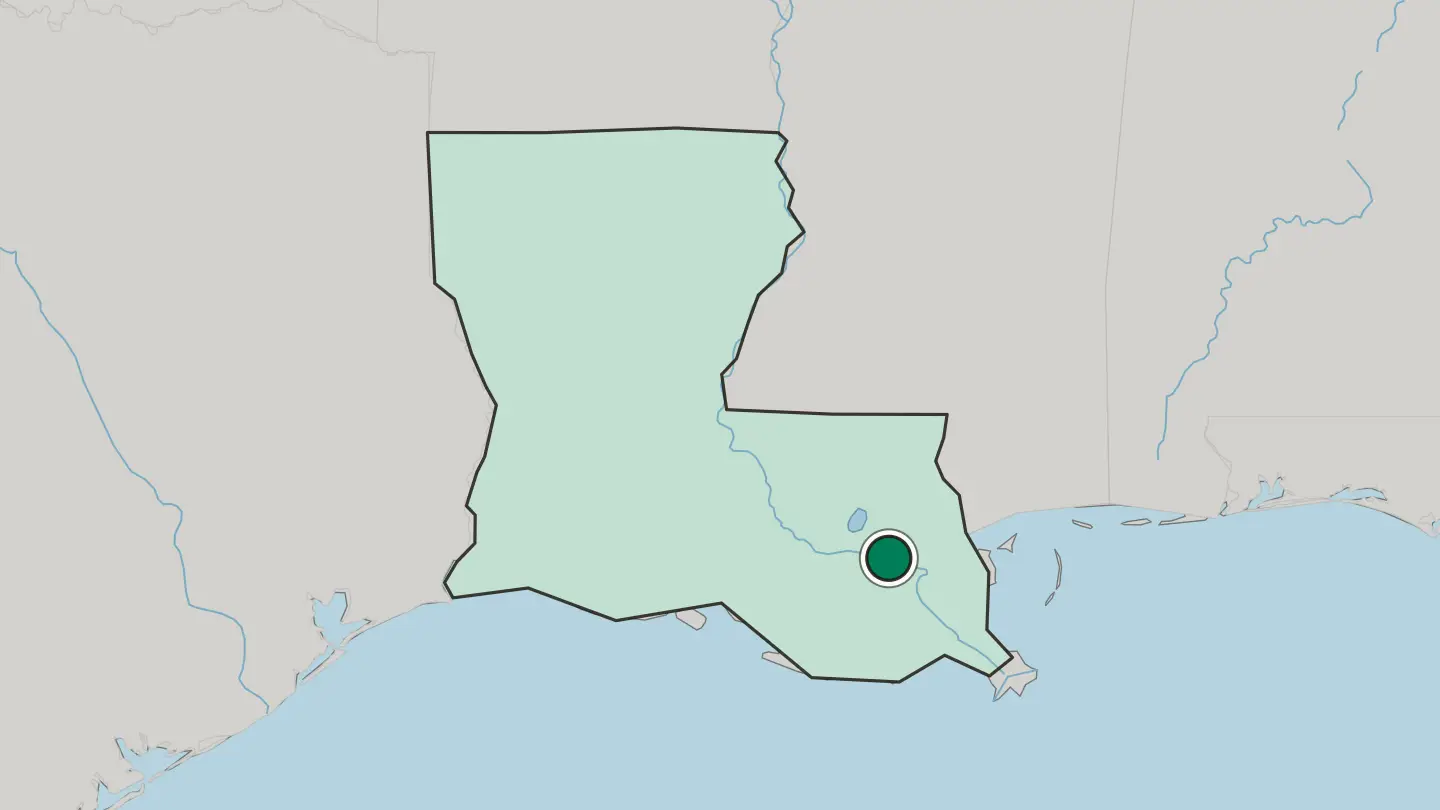
Hotel links are affiliate links: booking through them may earn us a commission, at no extra cost to you. It never affects how places are ranked. How this works
About Louisiana
What is Louisiana known for?
Louisiana's reputation rests on New Orleans. The city gave the world jazz, and each winter its streets fill for Mardi Gras. Food carries the name as far as the music does, from gumbo and jambalaya to crawfish pulled fresh from the Atchafalaya Basin.
West toward Lafayette lies Acadiana, the Cajun heartland, where French is still sung in dancehalls and the accordion drives the beat. Baton Rouge holds the capitol on the Mississippi River. This is the one American state that divides itself into parishes rather than counties.
Where is Louisiana?
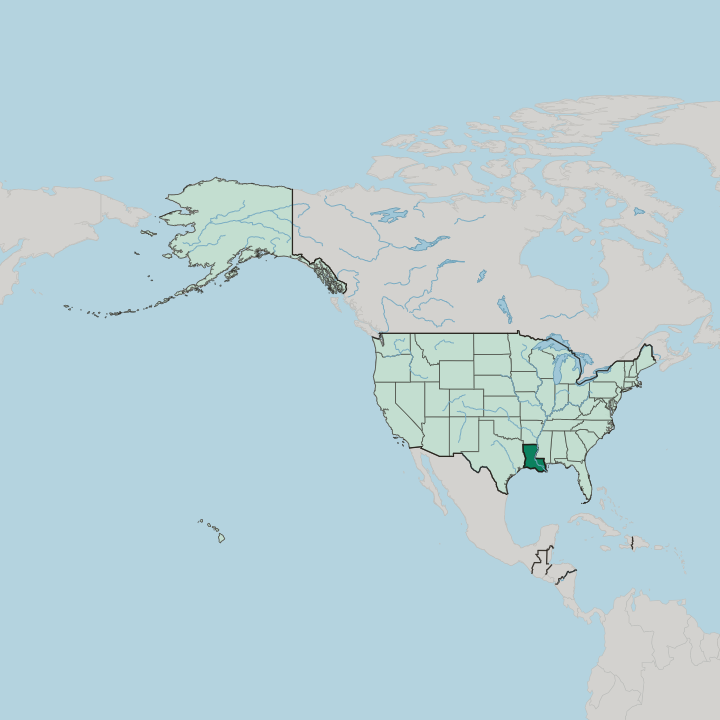
Louisiana sits in the Deep South, at the bottom of the United States on the Gulf of Mexico. Texas lies to the west and Arkansas to the north, with the state of Mississippi across the river to the east. The Mississippi River draws that eastern line before swinging down through Baton Rouge and New Orleans. At its mouth the river breaks apart into a bird-foot delta that pushes far out into the Gulf.
Water rules here. Almost nowhere in the south of the state stands far above the tide. The interior stays low and flat.
Bayous thread the coastal plain in a slow, branching web, and the Atchafalaya Basin spreads the largest river swamp in the United States across the centre of the state. Lake Pontchartrain, an estuary rather than a true lake, opens north of New Orleans and carries one of the longest water crossings anywhere. The Red River comes down from the north-west past Shreveport to join the lowland network.
Only in the piney hills of Bienville Parish does the ground rise to Driskill Mountain, the state's high point, and even there it stays modest. The coast itself frays into marsh, barrier island, and open water, always shifting as the river gives up its silt to the Gulf.
What is Louisiana like?
Two cultures set the tone, and both trace back to France. Creole society grew up around the port at New Orleans, blending French, Spanish, African, and Caribbean lines into its own language, cooking, and Catholic calendar. The Cajuns are the descendants of Acadians driven out of eastern Canada, who settled the prairies and bayous of Acadiana in the south.
French still survives in both, spoken in kitchens and sung from dancehall stages as Louisiana French. Faith runs through it. The old French and Spanish colonial order left the state Catholic where much of the Deep South is not, and even the county-like divisions are called parishes.
Music is the state's loudest export. Jazz was born in New Orleans, and out in the country the accordion-driven sound of Cajun bands and Black Creole zydeco fills weekend halls. Mardi Gras crowns the calendar, from the masked parades of the French Quarter to the horseback runs of the rural prairie.
Food matters as much as any of it. Gumbo, jambalaya, boudin, and crawfish come out of the same French roots, thickened with the local trinity of onion, bell pepper, and celery. Festivals fill the year.
The table, the parade, and the dancehall are where the culture actually lives, not in any museum.
What is the history of Louisiana?
The name goes back to 1682, when the explorer La Salle reached the mouth of the Mississippi River and claimed its whole basin for King Louis XIV of France. New Orleans followed in 1718. France, then Spain, then France again held the colony before Napoleon sold it to the United States in the Louisiana Purchase of 1803, doubling the young country overnight.
Statehood came in 1812. The French and Spanish centuries left their mark on the law, the faith, and the parish map, which is why Louisiana still runs on a civil code closer to Europe than to the rest of America.
What is the climate of Louisiana?
Louisiana runs hot and humid, a subtropical climate straight off the Gulf of Mexico. Summers are long. From June into September the air hangs heavy, and afternoon thunderstorms build almost daily over the coastal plain before breaking in short, hard downpours.
Winters stay mild, milder along the coast than up in the northern hills around Shreveport. Rain falls all year, and the state counts among the wettest in the country. Then comes the danger that shapes every coastal town: the hurricane season runs from summer into late autumn, and storms off the Gulf have redrawn the marsh more than once.
How do you get to Louisiana?
Most visitors fly into New Orleans. Louis Armstrong New Orleans International Airport handles the bulk of the state's air traffic and sits a short drive west of the city on Interstate 10. Baton Rouge, Lafayette, and Shreveport keep smaller airports for regional flights.
Overland, Interstate 10 runs the length of the south, tying New Orleans to Lafayette, Lake Charles, and Texas beyond. Trains still cross the state on the old routes. Once there, a car is the only real way to reach the bayou country and the small towns of Acadiana.
Common questions
What is the best area to stay in Louisiana?
New Orleans: a first taste of Louisiana in the walkable New Orleans crescent. Lafayette: Cajun and zydeco dancehalls. Baton Rouge: the state capital and river bluffs. The bayou country: swamp tours and cypress water.
Good for
More regions in United States
Updated September 2026