United States · Louisiana
Where to Stay in New Orleans, Louisiana
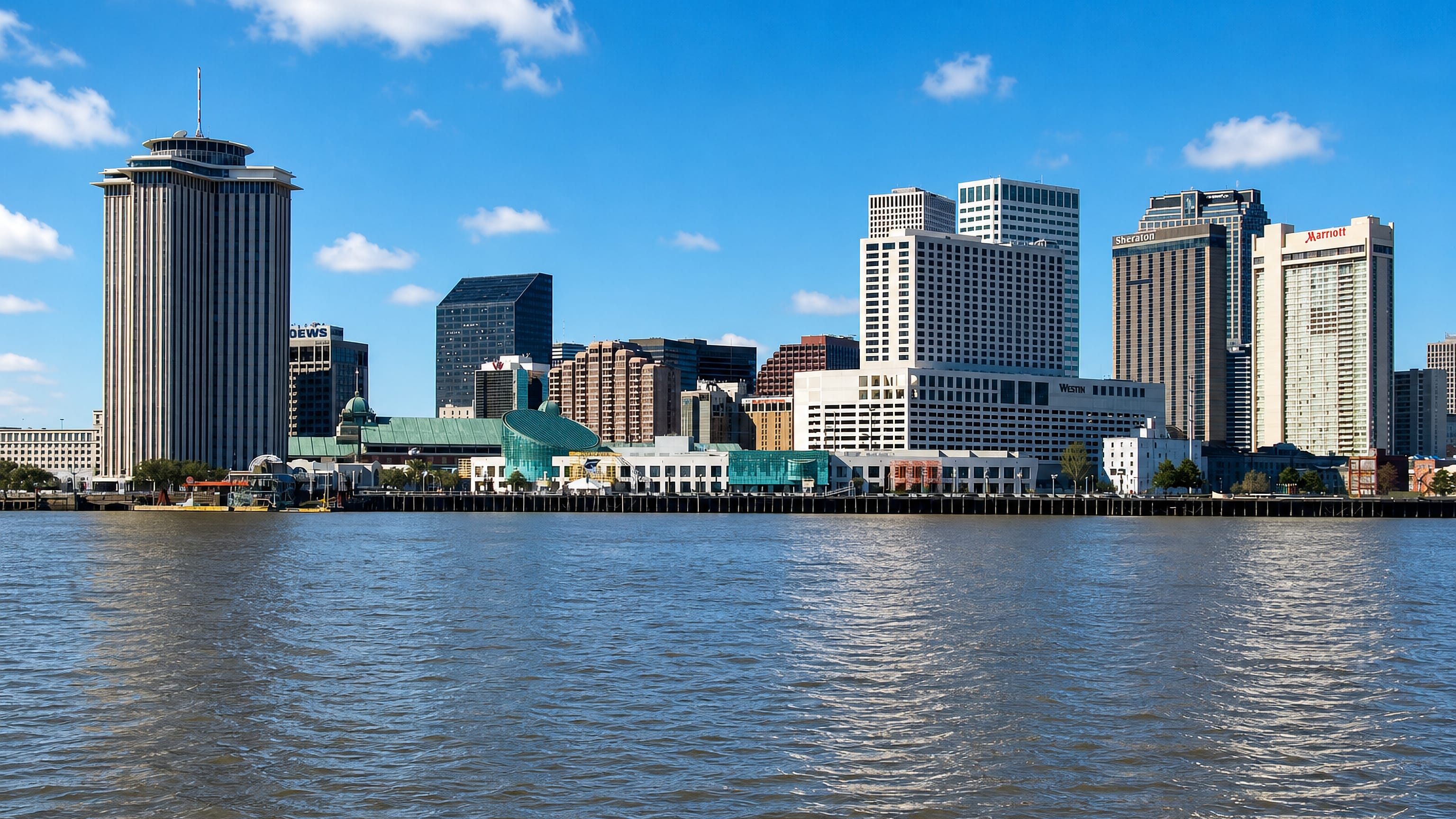
The spires of St. Louis Cathedral rise over New Orleans, a river city in Louisiana founded in 1718 and known for The Cabildo and its old French streets.
Hotel links are affiliate links: booking through them may earn us a commission, at no extra cost to you. It never affects how places are ranked. How this works


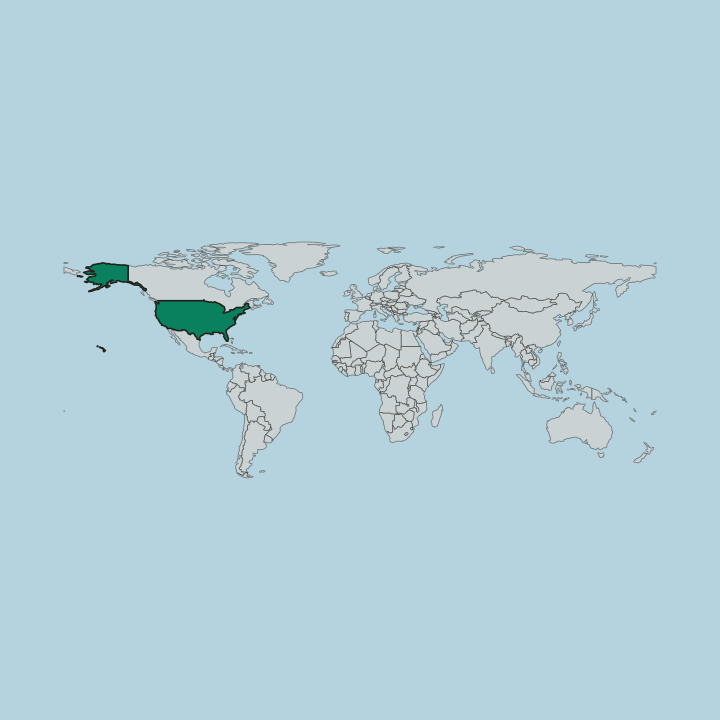
Where to stay in New Orleans
Not every neighbourhood fits every trip — here's what each one is good for.

 New OrleansUnited StatesColonial houses around the cathedral
French Quarter
Madame John's Legacy, the Hermann-Grima House, and the 1850 House stand within blocks of St. Louis Cathedral and The Cabildo.French Quarter → New OrleansUnited States
Tremé
Tremé is a New Orleans quarter across North Rampart Street from the French Quarter, anchored by Saint Augustine Church and the Backstreet Cultural Museum.Where to stay →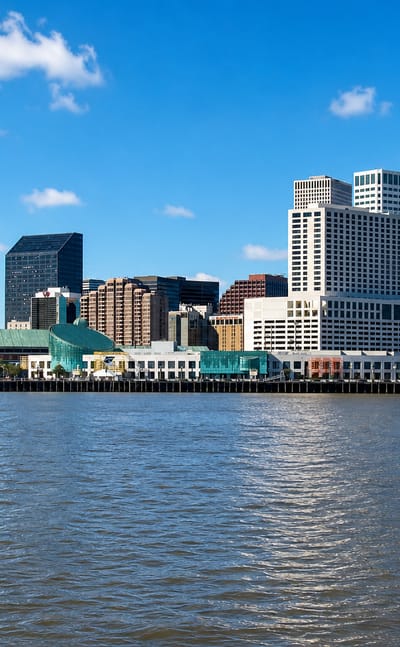 New OrleansUnited States
Storyville
Storyville was the legal red-light district of New Orleans, laid out in 1897 by the French Quarter on Basin Street. Alderman Sidney Story named it.Where to stay → New OrleansUnited States
Faubourg Marigny
Faubourg Marigny is a Creole neighborhood of New Orleans on the Mississippi River just downriver of the French Quarter. Locals call it the Marigny.Where to stay → New OrleansUnited States
Hollygrove
Hollygrove is a neighborhood at the upriver edge of Uptown New Orleans, against the Jefferson Parish line, the 17th Ward where Lil Wayne grew up.Where to stay → New OrleansUnited States
Garden District
The Garden District runs St. Charles Avenue to Magazine Street in New Orleans, with the George Washington Cable House and Simon Hernsheim House.Where to stay → New OrleansUnited States
Uptown New Orleans
Uptown New Orleans follows the Mississippi River above the Central Business District, St. Charles Avenue its spine. Audubon Park and Audubon Zoo line it.Where to stay → New OrleansUnited States
Algiers
Algiers is the only part of New Orleans on the west bank of the Mississippi River, facing the French Quarter. Algiers Point is its oldest core.Where to stay → New OrleansUnited States
Lower Ninth Ward
The Lower Ninth Ward lies downriver in New Orleans, cut off by the Industrial Canal, half of the Ninth Ward of New Orleans at St Bernard Parish, Louisiana.Where to stay → New OrleansUnited States
Ninth Ward of New Orleans
The Ninth Ward is New Orleans' largest ward, the Industrial Canal splitting Upper Ninth Ward from Lower Ninth Ward at Saint Bernard Parish, Louisiana.Where to stay →Hotel links are affiliate links: booking through them may earn us a commission, at no extra cost to you. It never affects how places are ranked. How this works
Find hotels in New Orleans
Direct booking searches for these neighbourhoods.
Arts District
The National World War II Museum, the Ogden Museum of Southern Art, and St. Patrick's Church cluster along the upriver warehouse streets.Find hotels in Arts DistrictGreen space and ridesCity Park
The New Orleans Museum of Art stands at the gate of the park beside the City Park Carousel and the Carousel Gardens Amusement Park.Find hotels in City ParkHotel links are affiliate links: booking through them may earn us a commission, at no extra cost to you. It never affects how places are ranked. How this works
Things to do in New Orleans
Ranked by global recognition; descriptions from Wikidata (CC0).
Museums & Galleries
3- The Cabildo Heritage
- Old Ursuline Convent, New Orleans Heritage
- Confederate Memorial Hall Heritage
Churches & Religious Sites
4- St. Mary's Assumption Church Heritage
- St. Patrick's Church Heritage
- Saint Alphonsus Church Heritage
- St. Peter A.M.E. Church Heritage
Stadiums & Sports
3- Fair Grounds Race Course
- Greer Field at Turchin Stadium
- Crescent City Base Ball Park
Parks & Gardens
2- Carousel Gardens Amusement Park
- White City
Landmarks & Notable Places
8- Napoleon House Heritage
- Beauregard-Keyes House Heritage
- Madame John's Legacy Heritage
- Hermann–Grima House Heritage
- George Washington Cable House Heritage
Show 3 more →
- Aldrich–Genella House Heritage
- Bullitt-Longenecker House Heritage
- Lafcadio Hearn House Heritage
worth knowingacross 5 categories in New Orleans
About New Orleans
What is New Orleans known for?
New Orleans is known for its old French core and its dense run of museums. The heritage is deep. From the colonial square around St. Louis Cathedral and The Cabildo to the modern galleries of the National World War II Museum, the city holds centuries of building within a compact grid.
The New Orleans Museum of Art and the Ogden Museum of Southern Art carry the visual arts. Music, food, and the river do the rest.
What are the main landmarks in New Orleans?
The main landmarks of New Orleans center on the old square. St. Louis Cathedral and The Cabildo face it, backed by the Old Ursuline Convent and the Napoleon House a few streets away, so that the whole colonial core reads as a single standing museum of the eighteenth century. The National World War II Museum and the New Orleans Museum of Art hold the modern collections.
St. Patrick's Church rounds out the set.
What is the history of New Orleans?
New Orleans was founded in 1718 by the French on a crescent of the river. The town grew around the square that St. Louis Cathedral and The Cabildo would come to define. Spanish rule left its mark next, and buildings from both eras survive: the Old Ursuline Convent is the oldest of them, with Madame John's Legacy and the Hermann-Grima House close behind.
The colony changed flags more than once. When the territory passed to the young United States, The Cabildo hosted the transfer, and the Louisiana State Museum keeps that record. Wealth from the river built the townhouses that still stand.
Among them are the Beauregard-Keyes House and the 1850 House on the old square. Faith raised its own landmarks across the growing city, from St. Patrick's Church in the American quarter to St. Augustine Church among the older streets. The writer Lafcadio Hearn lived here and left the Lafcadio Hearn House behind.
Through fire, flood, and changing rule, the crescent city held to its river.
Where is New Orleans?
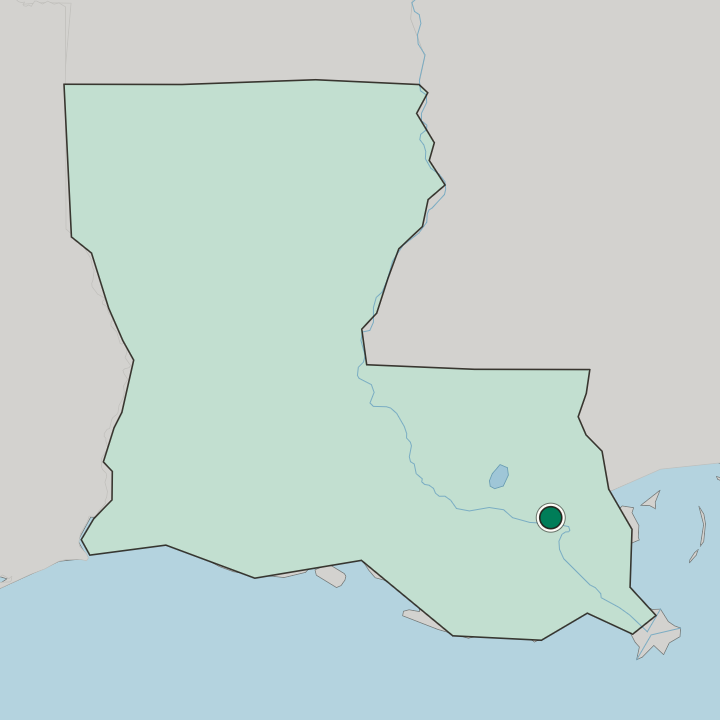
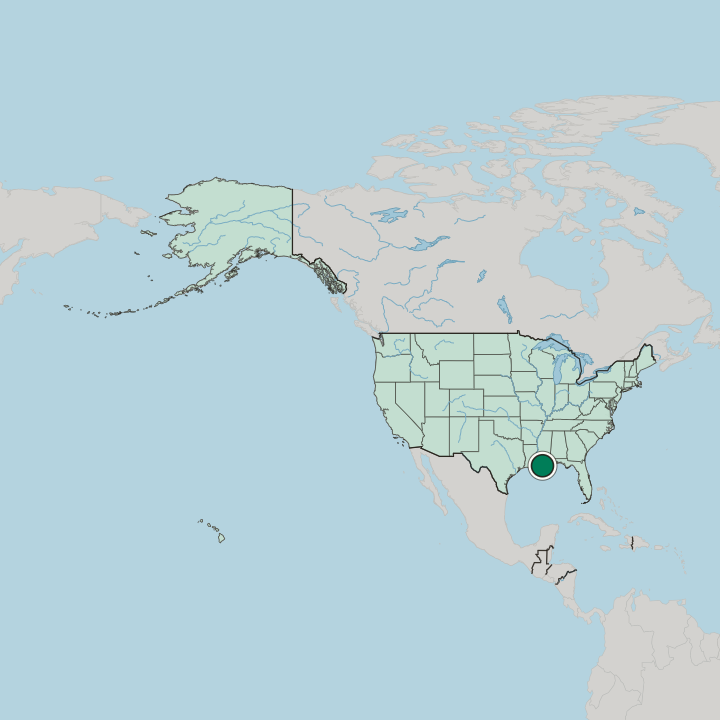
New Orleans sits on a bend of the Mississippi in southern Louisiana. The land is flat and low. Much of the city lies at or below the level of the river, so levees ring the old core around St. Louis Cathedral and hold back the water on every side.
City Park spreads across the lower ground toward the lake, and the crescent of the stream gives the town its shape.
What is the climate of New Orleans?
The climate of New Orleans is subtropical and heavy with damp. Summers are long, hot, and wet, with heavy air drifting off the Gulf and thunderstorms breaking most afternoons over the low delta ground. Mild winters follow the heat.
Hard frost is rare on this stretch of the Louisiana coast, and the growing season runs nearly year round.
How do you get to New Orleans?
New Orleans is reached by air, road, river, and rail. An international airport serves the city, and interstate highways bridge the Mississippi to tie it into the wider network of Louisiana. Rail lines still run to the old station.
River traffic has always landed here, and the crescent bend below St. Louis Cathedral marks the historic port.
Common questions
What is the best area to stay in New Orleans?
French Quarter: Colonial houses around the cathedral. Arts District: Museums among the warehouses. City Park: Green space and rides.
Good for
More cities in Louisiana
Updated October 2026