United States · New Jersey
Where to Stay in Jersey City, New Jersey
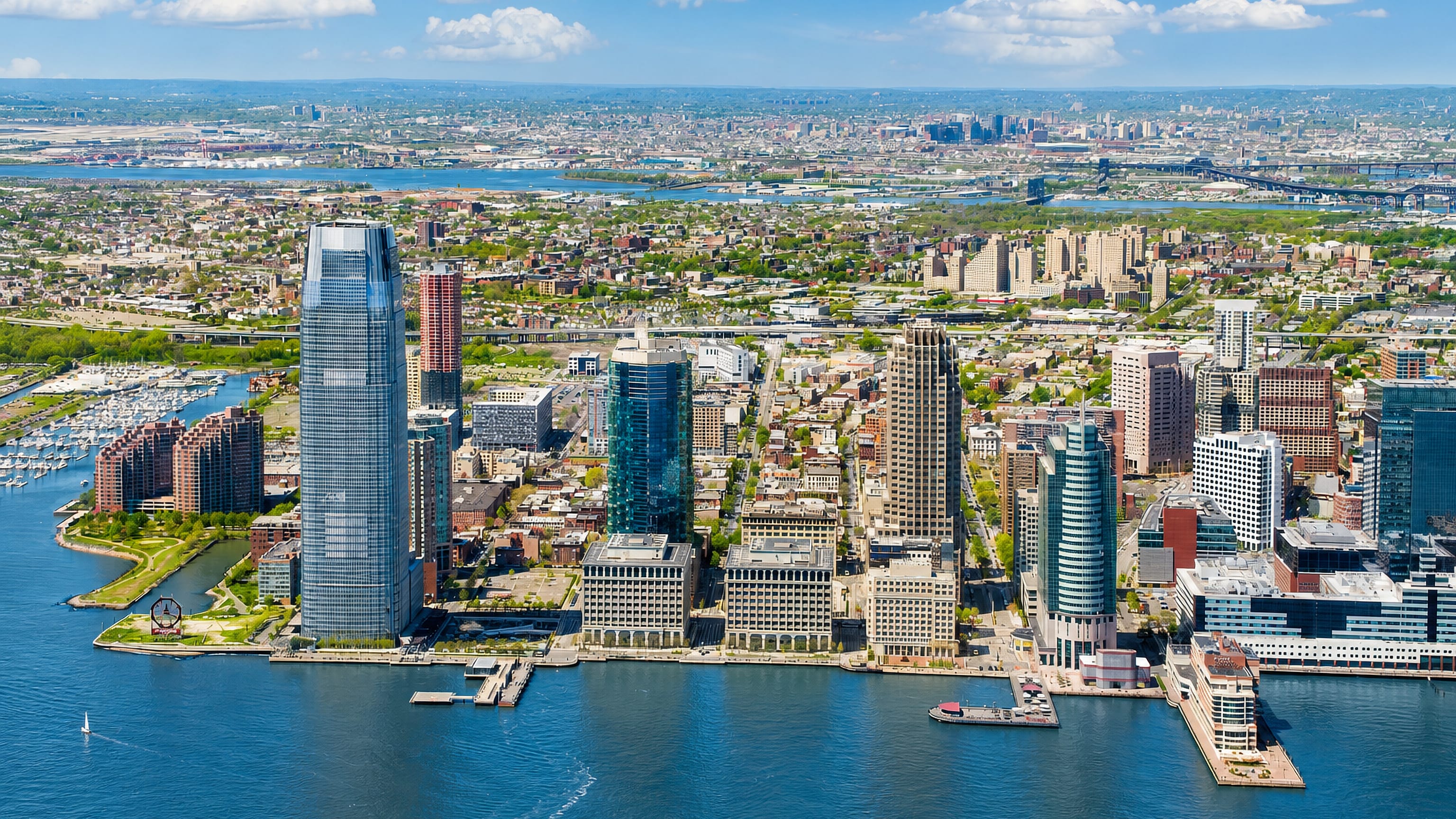
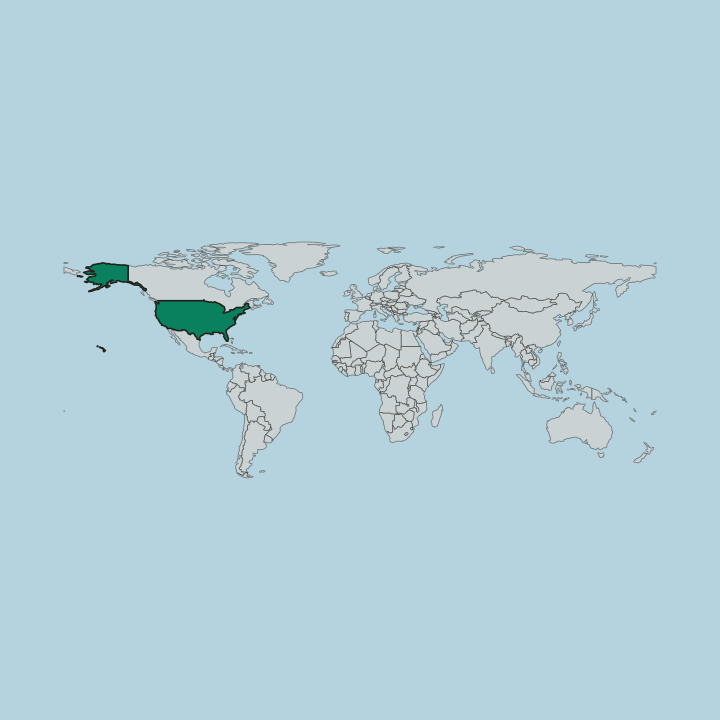
Jersey City rises on the Hudson River in New Jersey, a waterfront city facing Manhattan, known for Liberty State Park and the Statue of Liberty offshore.
Hotel links are affiliate links: booking through them may earn us a commission, at no extra cost to you. It never affects how places are ranked. How this works


Where to stay in Jersey City
One neighbourhood here has its own guide — here's what it is best for.
 Jersey CityUnited States
Bergen
Kennedy Boulevard runs the length of Bergen, a Jersey City neighborhood between McGinley Square and Communipaw Avenue in the Bergen-Lafayette section.Where to stay →Hotel links are affiliate links: booking through them may earn us a commission, at no extra cost to you. It never affects how places are ranked. How this works
Find hotels in Jersey City
Direct booking searches for these neighbourhoods.
The Hudson waterfront towers
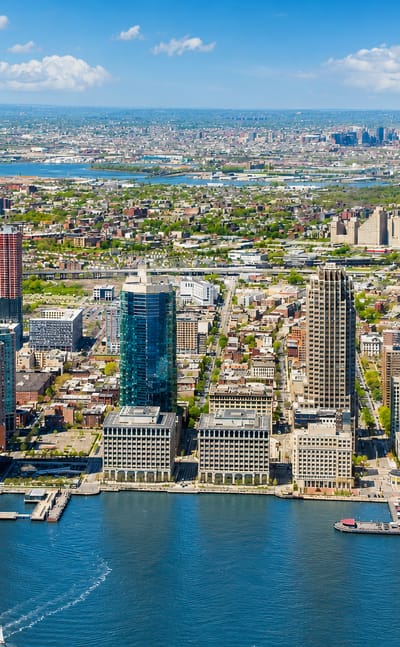
The high-rise district around the old rail terminals on the Hudson River, with ferries and trains to Manhattan and the New York skyline across the water.Find hotels in The Hudson waterfront towersa quieter historic base off the riverfrontThe brownstone neighbourhoods inland
The low brownstone streets west of the Hudson around Grace Church Van Vorst and the Van Wagenen House, recalling the Dutch-era town.Find hotels in The brownstone neighbourhoods inlanda green base near the park and the harbourThe harbour edge by Liberty State Park
The southern shore around Liberty State Park and the Liberty Science Center, open and green with the Statue of Liberty and Ellis Island offshore.Find hotels in The harbour edge by Liberty State ParkHotel links are affiliate links: booking through them may earn us a commission, at no extra cost to you. It never affects how places are ranked. How this works
Things to do in Jersey City
Ranked by global recognition; descriptions from Wikidata (CC0).
Museums & Galleries
3- Mana Contemporary
- Museum of Russian Art
- Dixon Mills
Churches & Religious Sites
3- Old Bergen Church Heritage
- Grace Church Van Vorst Heritage
- Saint Demetrios Greek Orthodox Church
Stadiums & Sports
1- Oakland Park, New Jersey
Landmarks & Notable Places
1- Van Wagenen House Heritage
worth knowingacross 4 categories in Jersey City
About Jersey City
What is Jersey City known for?
Jersey City lines the west bank of the Hudson River, its towers rising directly across the water from Manhattan. The waterfront defines it. Glass high-rises crowd the riverfront around the old rail terminals, while Liberty State Park opens green along the harbour with the Statue of Liberty and Ellis Island offshore.
The Liberty Science Center draws crowds to the park's edge, and older churches and mills survive in the inland neighbourhoods. Ferries and trains cross the Hudson to Manhattan from the piers of the New Jersey shore.
What are the main landmarks in Jersey City?
Jersey City's landmarks range from the harbour to the old inland streets. Liberty State Park opens along the shore with the Liberty Science Center at its edge, and the Statue of Liberty and Ellis Island stand offshore in the harbour. Dutch-era heritage survives inland.
The Van Wagenen House and Old Bergen Church recall the earliest settlement, while Grace Church Van Vorst and Our Lady of the Holy Rosary Church rise among the brownstones. The Dixon Mills, a converted pencil works, and the Jersey City 9/11 Memorial mark the industrial waterfront.
What is the history of Jersey City?
Jersey City traces its roots to 1609, when Dutch settlers reached the west bank of the Hudson River and founded one of the earliest European settlements on the harbour. The Dutch town of Bergen took hold on the higher ground inland, and its memory survives in the Old Bergen Church and the Van Wagenen House among the later streets. Rail lines and ferries later fixed the city as the great western approach to the harbour.
Terminals crowded the Hudson shore. The waterfront made the modern city. Immigrants poured through the harbour past Ellis Island, and the rail yards, docks, and mills of Jersey City handled the freight and travellers bound for New York.
Industry filled the riverfront with works like the Dixon Mills through the long nineteenth century. In later decades the old terminals gave way to glass towers, and Liberty State Park opened green over the reclaimed rail land by the water. The river, the rails, and the harbour shaped every stage of the city.
Where is Jersey City?
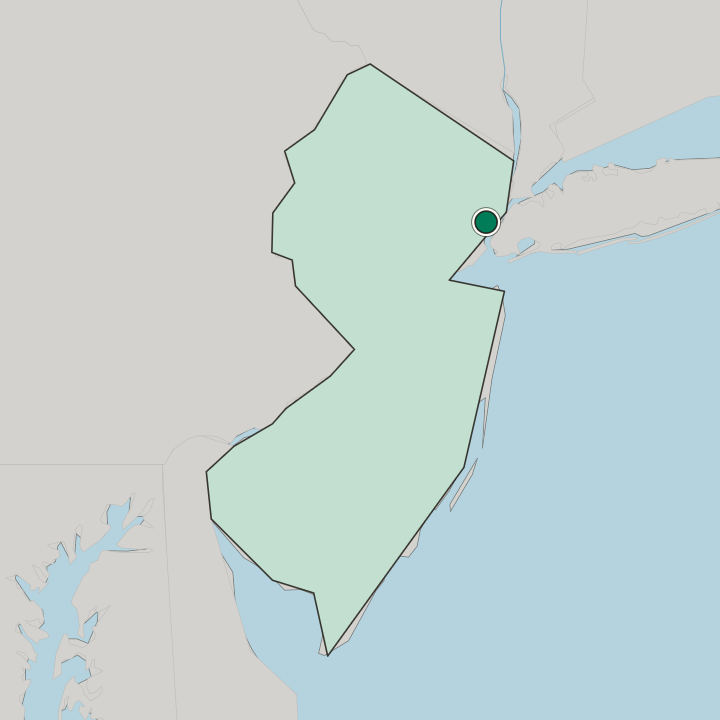
Jersey City occupies a peninsula on the west bank of the Hudson River in New Jersey, between the river and the Hackensack marshes inland. The land is low. A ridge of higher ground runs down the middle of the city, dividing the waterfront flats along the Hudson from the tidal lowlands to the west.
Liberty State Park spreads over reclaimed land along the harbour shore. The Statue of Liberty and Ellis Island stand out in the water off the southern edge.
What is the climate of Jersey City?
Jersey City has a humid temperate climate, with warm summers and cold winters on the harbour. The Hudson River moderates it. The tidal water and the open harbour temper both the summer heat and the winter cold along the waterfront, though snow and hard freezes still reach the city in the coldest months.
Summers turn warm and humid, cooled at times by sea breezes off the harbour. Storms driven up the coast can bring heavy rain and flooding to the low waterfront ground.
How do you get to Jersey City?
Jersey City sits at the harbour crossings into New York, one of the busiest transport gateways on the Hudson River. Trains run under the water. Rail tunnels and ferries carry commuters across the Hudson to Manhattan in minutes, while the turnpikes and interstates of New Jersey meet just west of the city near the marshes.
Light rail runs along the waterfront linking the riverfront districts and Liberty State Park. The nearby international airport lies a short run to the south across the New Jersey lowlands.
Common questions
What is the best area to stay in Jersey City?
The Hudson waterfront towers: Manhattan crossings and skyline views. The brownstone neighbourhoods inland: a quieter historic base off the riverfront. The harbour edge by Liberty State Park: a green base near the park and the harbour.
Good for
More cities in New Jersey
Updated October 2026