United States · New Jersey
Where to Stay in Trenton, New Jersey
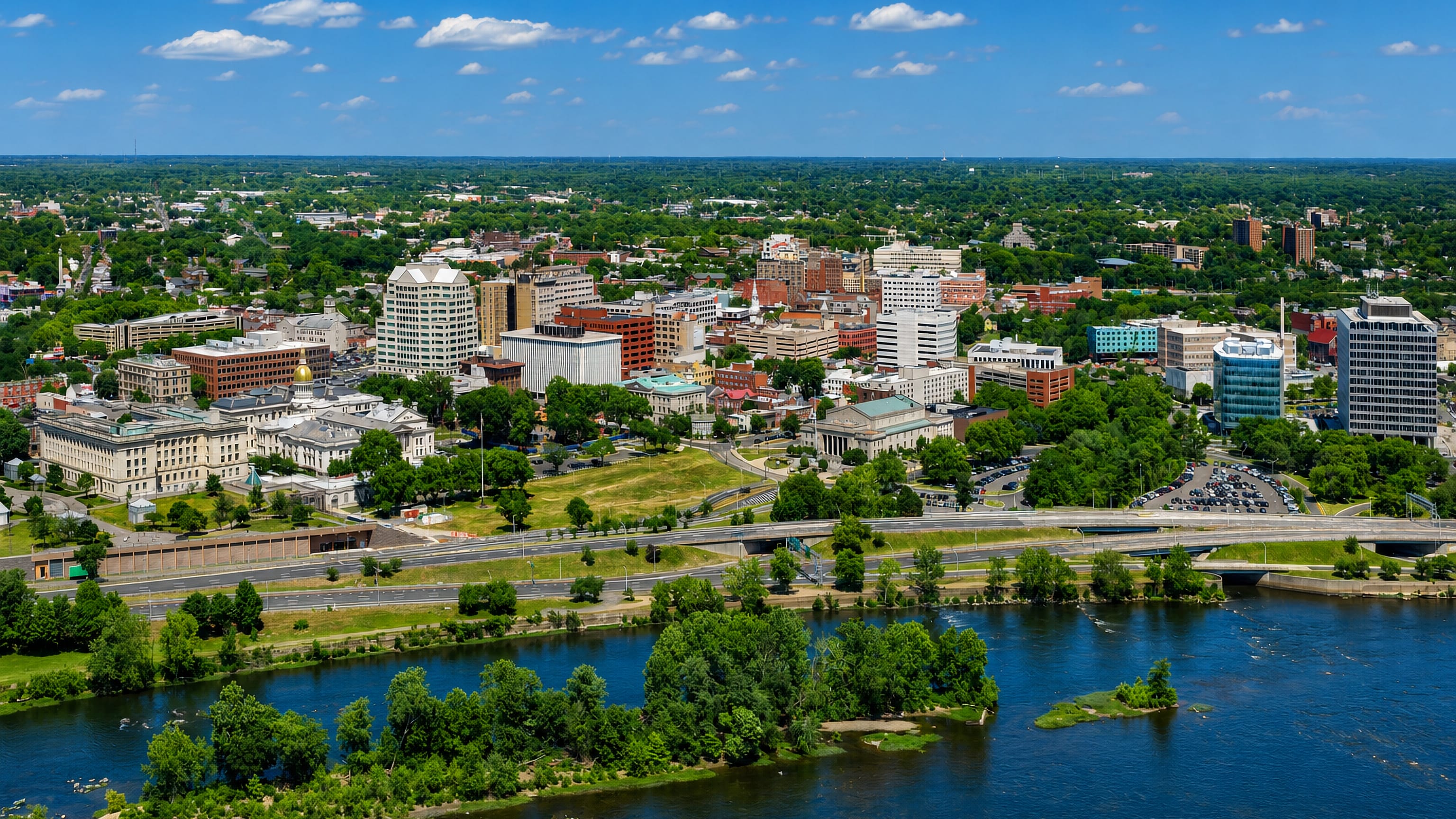
The gold dome of the New Jersey State House marks Trenton, the capital city of New Jersey, United States, known for its Revolutionary War past.
Hotel links are affiliate links: booking through them may earn us a commission, at no extra cost to you. It never affects how places are ranked. How this works


Where to stay in Trenton
Where the beds are, and what that means for the visit.
Trenton keeps its draws close together, so the district you choose sets the tone of a visit. The government quarter around the New Jersey State House and the New Jersey State Museum gathers the state offices and the main collections. Stay here for the capital.
It suits you if you want the State House, the museum galleries, and the walk to the Old Barracks Museum rather than a quieter residential base in New Jersey. Toward the historic core, the ground near the Trenton Battle Monument and the William Trent House leans toward the city's founding streets. This stretch runs older and calmer.
The colonial-era Old Barracks Museum and the Cathedral of St. Mary of the Assumption sit within reach on foot. Pick the historic core if you want the Battle Monument, the William Trent House, and the early parishes over the working government blocks.
Find hotels in Trenton
Direct booking searches for these neighbourhoods.
Government quarter
State offices and the main public collections gather around the New Jersey State House within a walk of the Old Barracks Museum.Find hotels in Government quarterThe Trenton Battle Monument and the William Trent HouseHistoric core
The founding streets near the Trenton Battle Monument and the colonial William Trent House run older and calmer than the government blocks.Find hotels in Historic coreHotel links are affiliate links: booking through them may earn us a commission, at no extra cost to you. It never affects how places are ranked. How this works
Things to do in Trenton
Ranked by global recognition; descriptions from Wikidata (CC0).
Museums & Galleries
3- New Jersey State House Heritage
- Old Barracks Museum Heritage
- New Jersey State Museum
Churches & Religious Sites
3- First Presbyterian Church Heritage
- Sacred Heart Church Heritage
- St. Michael's Church, Trenton, New Jersey Heritage
Castles & Historic Sites
1- Trenton Battle Monument Heritage
Landmarks & Notable Places
5- Gen. Philemon Dickinson House Heritage
- Rudolph V. Kuser Estate Heritage
- Gershom Craft House Heritage
- Charles Brearley House Heritage
- Anderson–Capner House Heritage
worth knowingacross 4 categories in Trenton
About Trenton
What is Trenton known for?
Trenton is known as the capital of New Jersey and the site of a decisive Revolutionary War battle. The New Jersey State House anchors its government district. This city has carried three centuries of history since its founding in 1719.
The Trenton Battle Monument and the Old Barracks Museum mark the fighting that turned the American war, and the New Jersey State Museum holds the state's public collections. Old churches and merchant houses fill the surrounding streets.
What are the main landmarks in Trenton?
Trenton clusters its landmarks around government and the Revolutionary War. The New Jersey State House and the New Jersey State Museum hold the capital's civic weight, while the Trenton Battle Monument and the Old Barracks Museum recall the winter fight of 1776. Churches ring the core.
Trenton's Catholic seat, the Cathedral of St. Mary of the Assumption, Sacred Heart Church, and the early William Trent House mark the parishes and merchants who built the city across New Jersey.
What is the history of Trenton?
Trenton was founded in 1719 as a colonial settlement in what became New Jersey. The William Trent House stands from those early merchant years, and the town took the trader's own name as it grew into a crossing point on the road between the colonies. War made it famous.
American forces crossed to strike the garrison here in the winter of 1776, and the fight is remembered at the Trenton Battle Monument and the Old Barracks Museum. Government followed. Trenton became the capital of New Jersey, and the New Jersey State House rose to house the legislature.
Faith shaped the streets too. Congregations raised the Cathedral of St. Mary of the Assumption, the First Presbyterian Church, and St. Michael's Church as the city filled with new arrivals, and preserved homes such as Summerseat still record the founders who tied Trenton to the birth of the United States.
Where is Trenton?
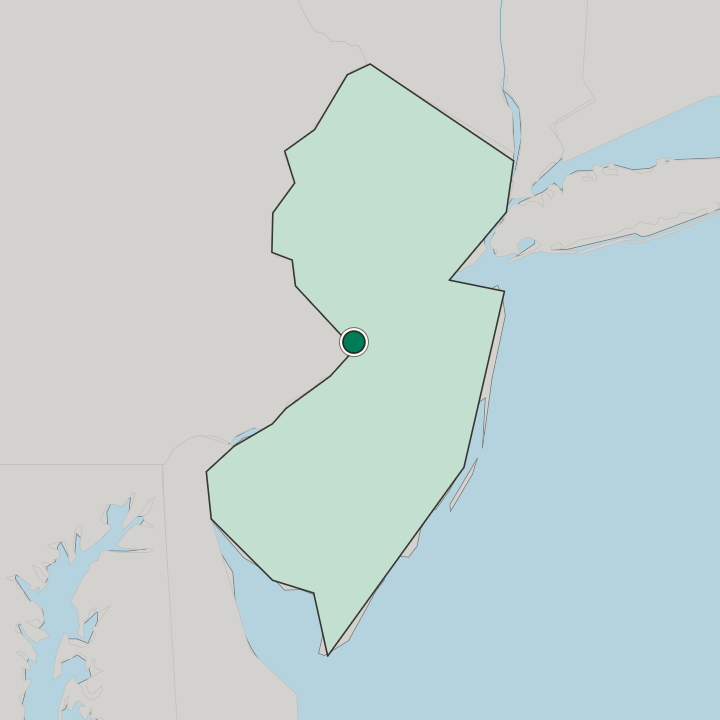
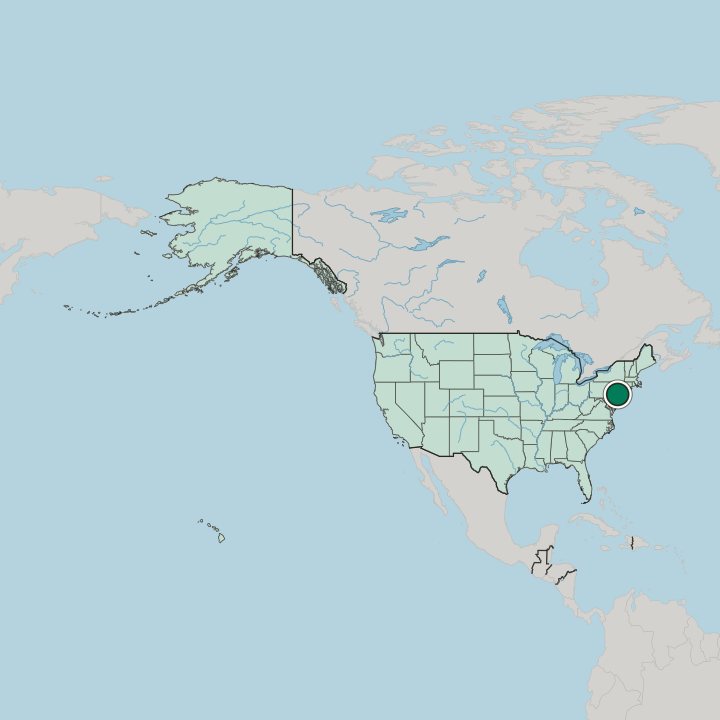
Trenton sits in New Jersey, at an old river-crossing point between the American colonies. The city holds a compact spread of land in the United States. Its ground rises gently from the water.
That modest relief let early builders lay out streets around the government core and the William Trent House on higher, dry ground. The Rudolph V. Kuser Estate and other green properties edge the built city.
What is the climate of Trenton?
Trenton has a four-season climate typical of the mid-Atlantic in New Jersey. Winters run cold. Frost, grey skies, and occasional snow settle over the city through the colder months, and the cold that framed the 1776 crossing still shapes its hardest weeks.
Summers turn warm and humid across the state. Spring and autumn stay mild and short in this part of the United States.
How do you get to Trenton?
Trenton connects by road and rail across New Jersey. Major highways and busy rail lines run through the city, linking it to the wider United States. Trains stop often.
The capital sits on the main corridor between the region's largest cities, so frequent service ties it to them by rail, and regional roads reach the surrounding towns. The compact centre keeps the New Jersey State House and the Old Barracks Museum within easy walking distance.
Common questions
What is the best area to stay in Trenton?
Government quarter: The State House and New Jersey State Museum galleries. Historic core: The Trenton Battle Monument and the William Trent House.
Good for
More cities in New Jersey
Updated October 2026