United States
New Jersey, United States — Towns & Travel Guide
New Jersey is a small, densely settled state on the Atlantic edge of the Northeastern United States, between New York City and Philadelphia.
Hotel links are affiliate links: booking through them may earn us a commission, at no extra cost to you. It never affects how places are ranked. How this works


Towns & cities in New Jersey
Pick a town or city — each links to where to stay.
 United States
Newark
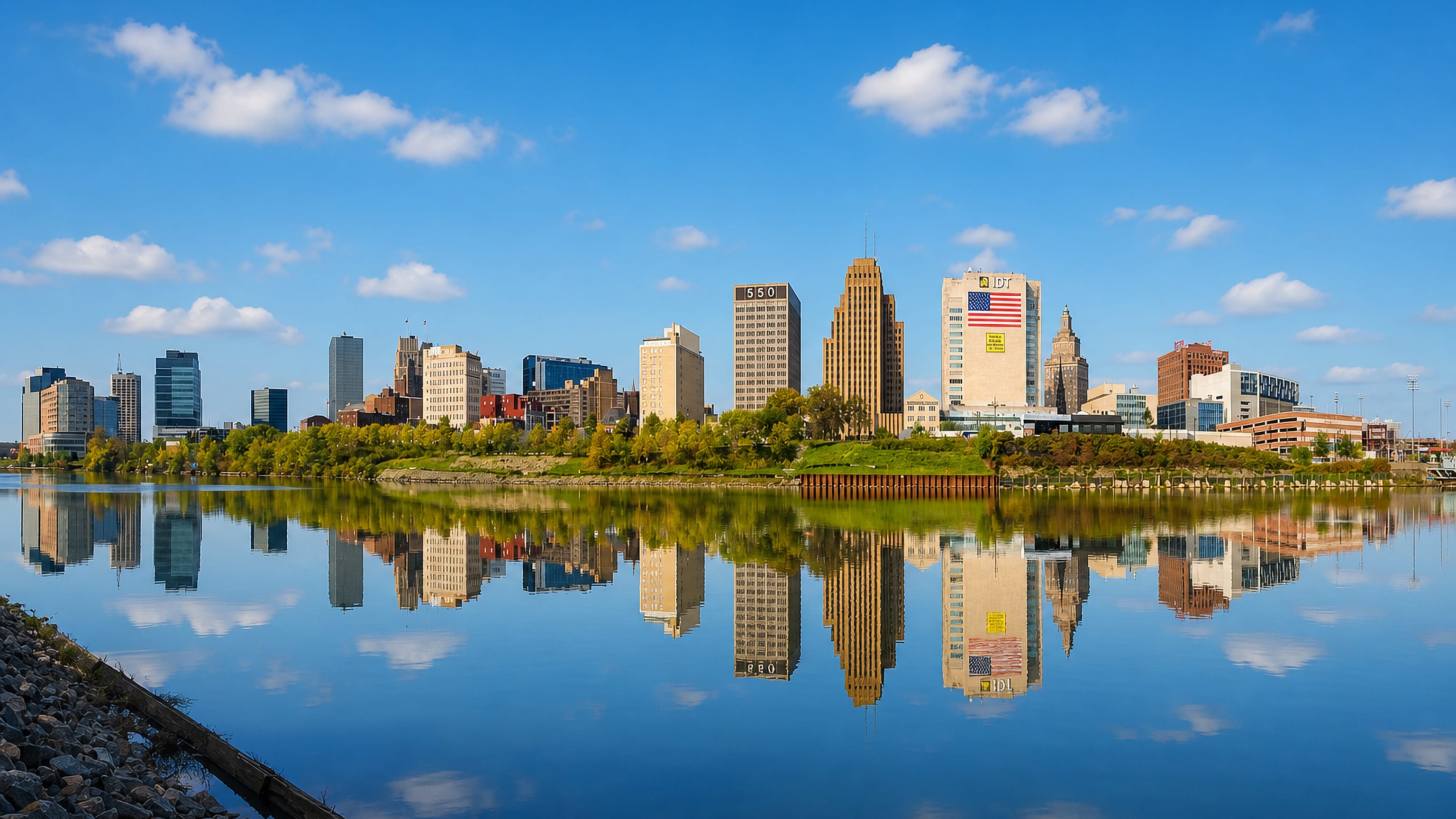
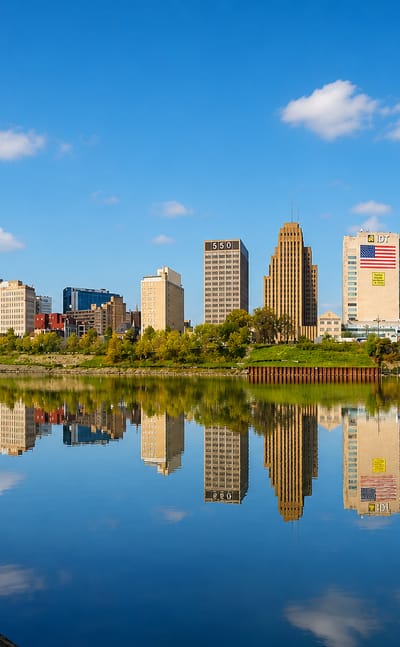
The twin spires of the Cathedral Basilica of the Sacred Heart mark Newark, the largest city in New Jersey and a major rail, air, and shipping hub.Where to stay →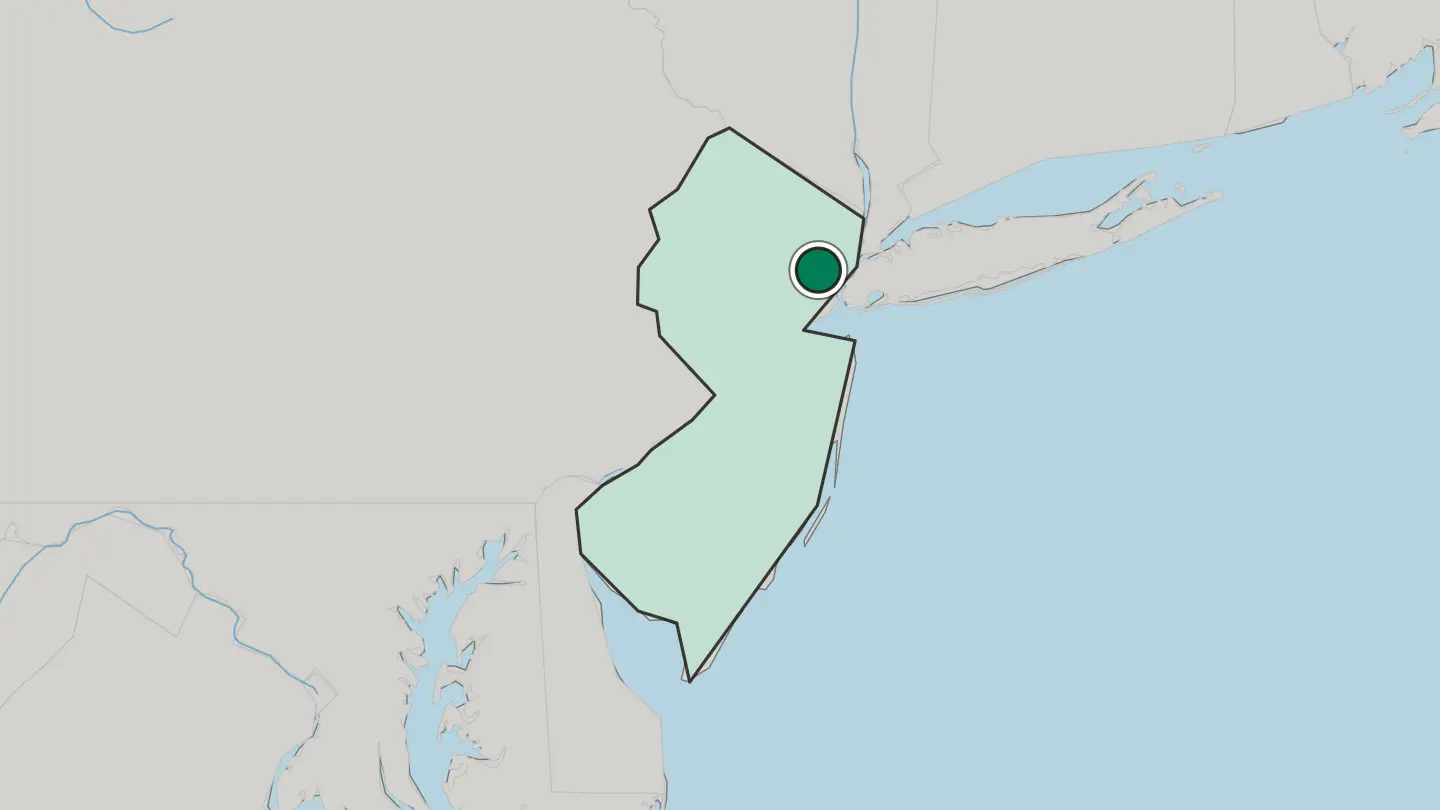
 United States
Jersey City
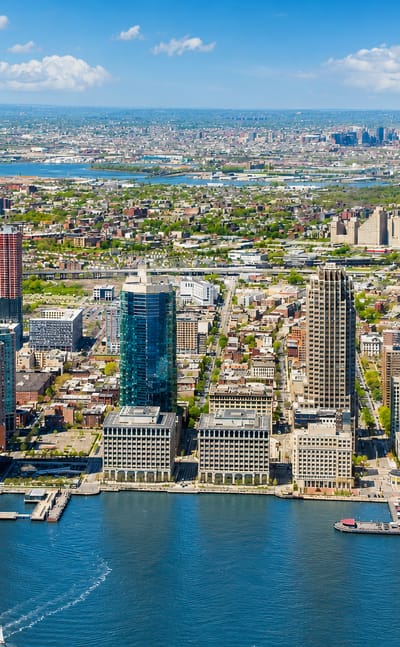
Jersey City rises on the Hudson River in New Jersey, a waterfront city facing Manhattan, known for Liberty State Park and the Statue of Liberty offshore.Where to stay →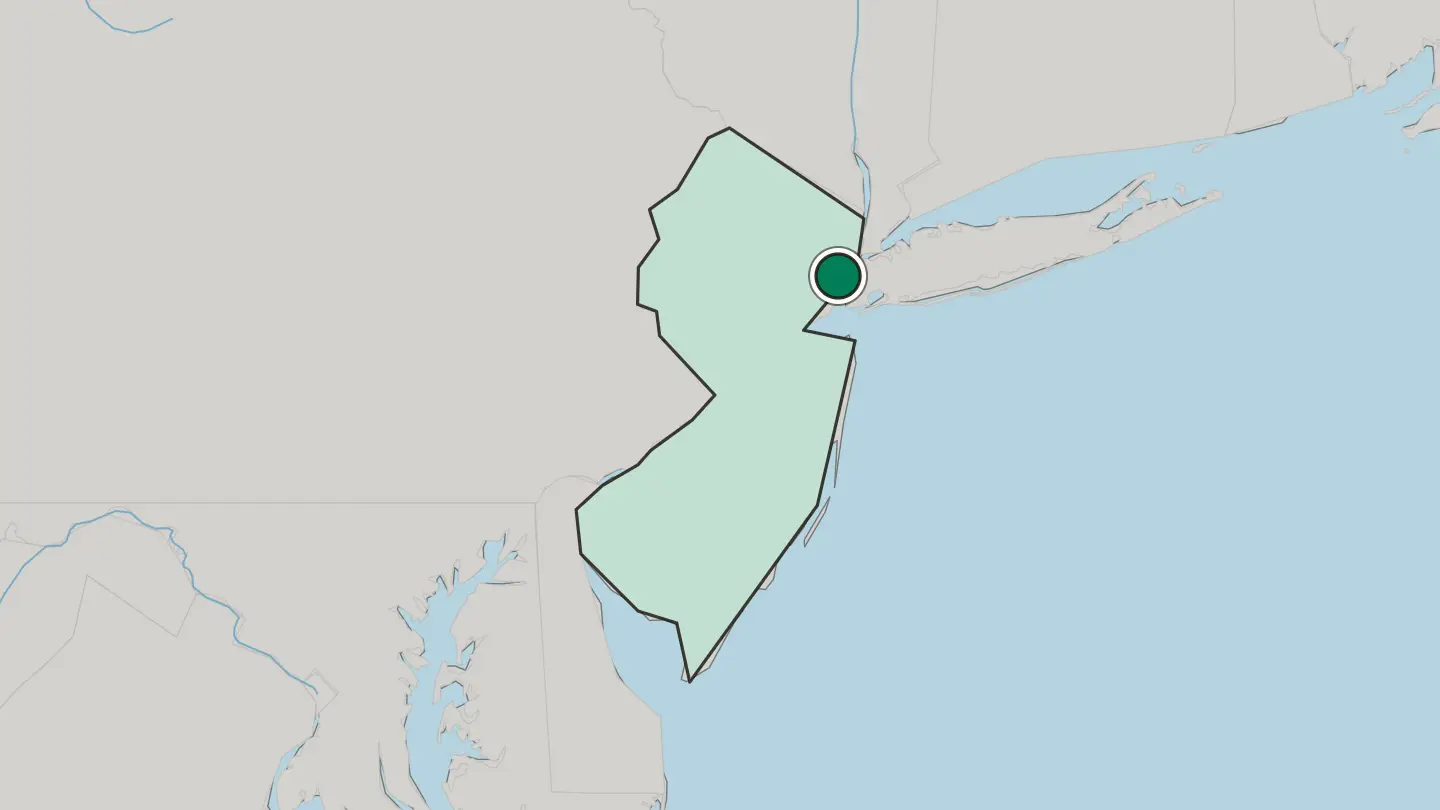
 United States
Paterson
Paterson is the seat of Passaic County in New Jersey, a city built around the Great Falls, twelve miles from Manhattan.Where to stay →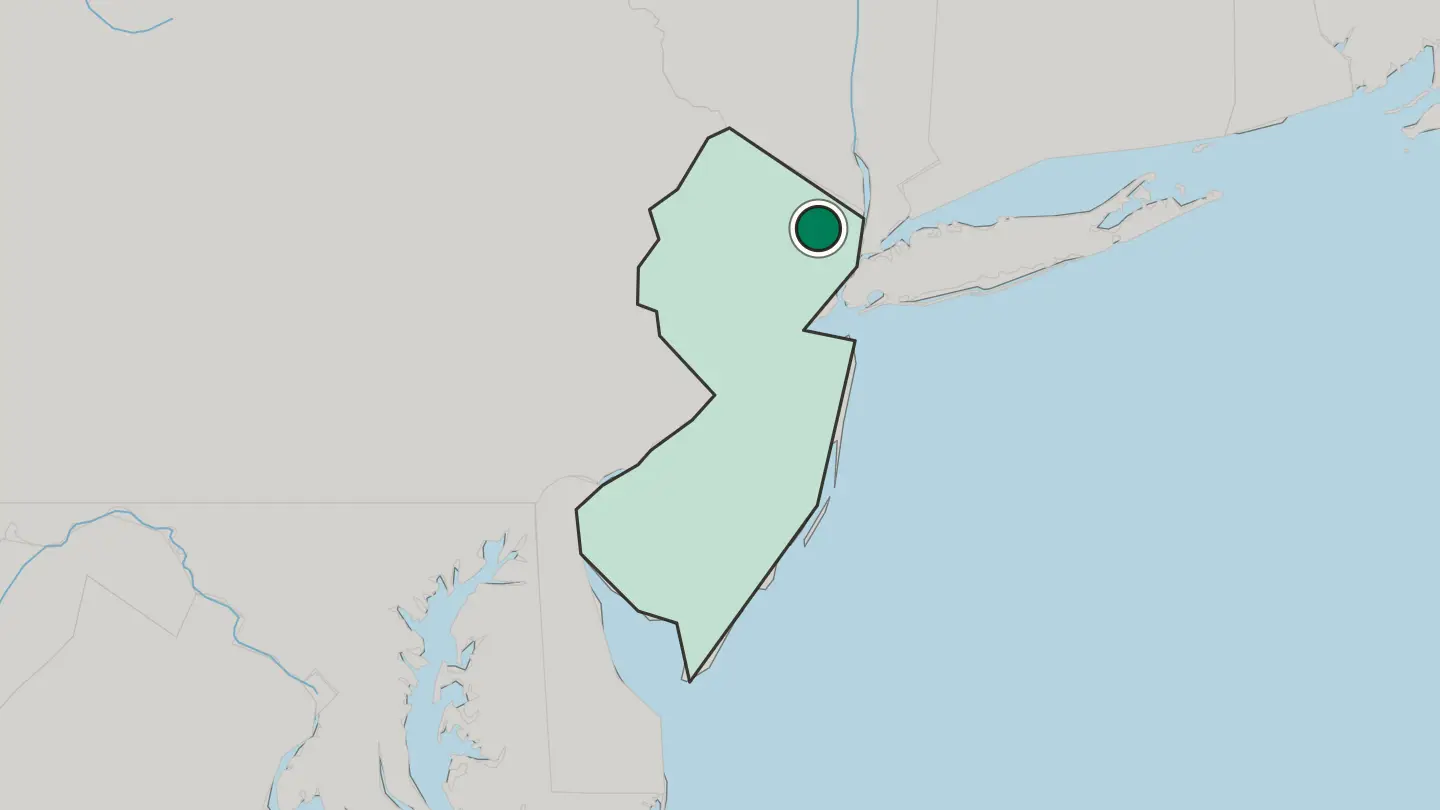
 United States
Elizabeth
Elizabeth, the seat of Union County in New Jersey, was founded in 1665 and ranks fourth in size among the state's cities.Where to stay →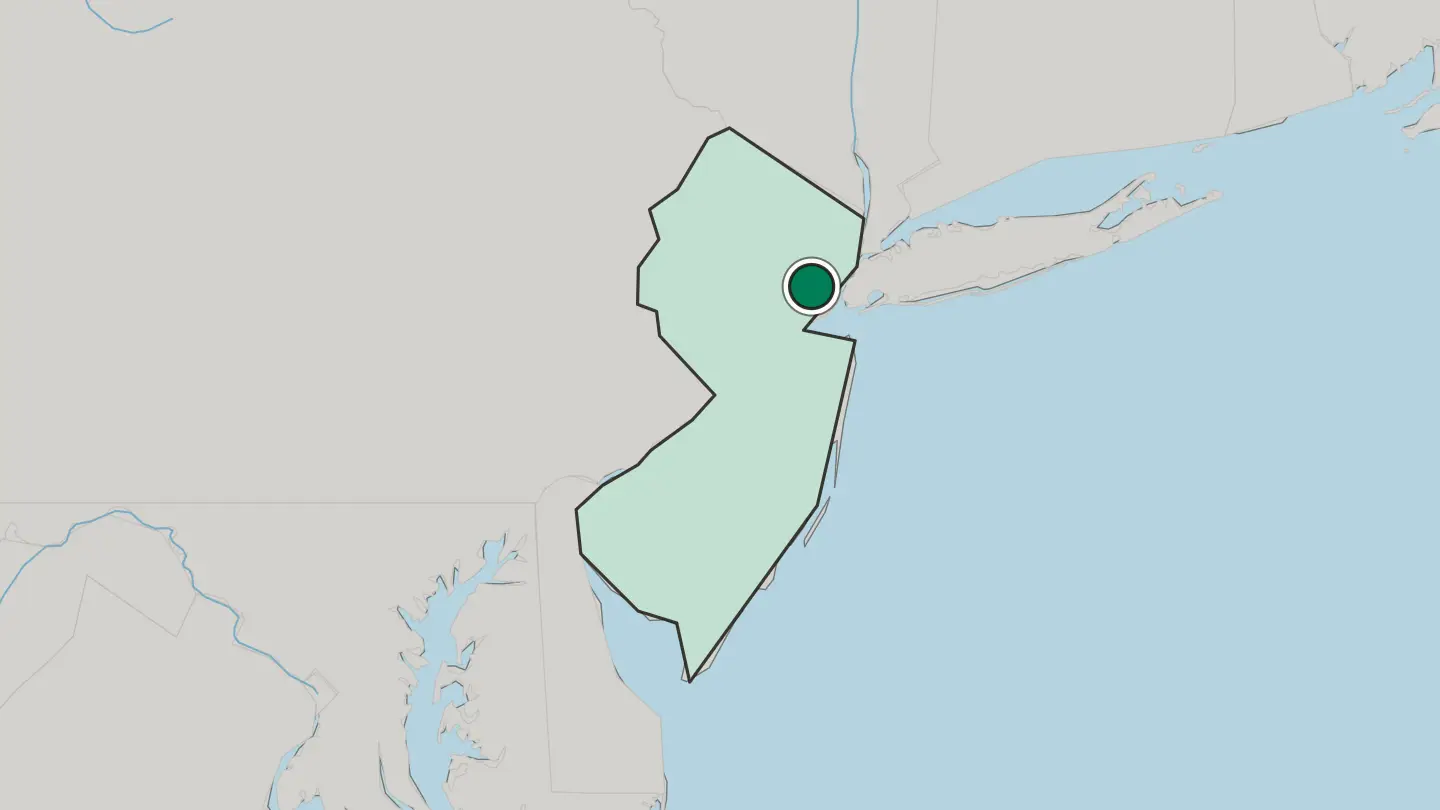
 United States
Edison
Edison is a Middlesex County township in the Raritan Valley, named for Thomas Alva Edison, whose Menlo Park laboratories stood on this ground.Where to stay →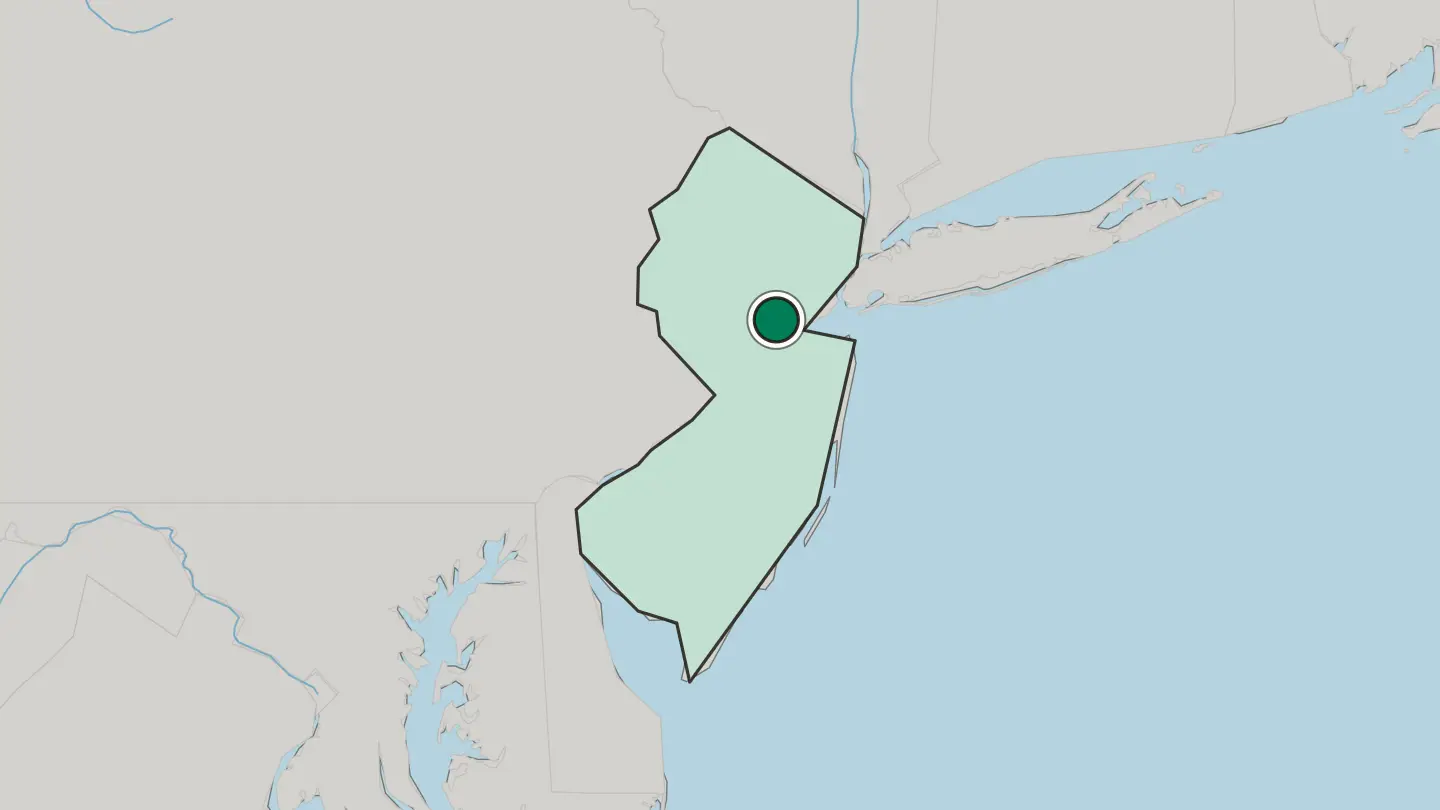
 United States
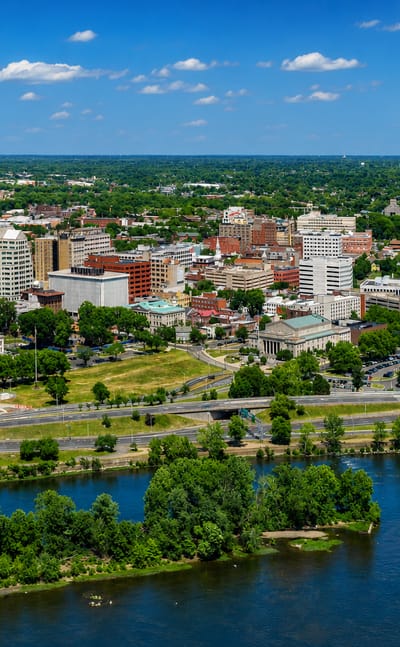
Trenton
The gold dome of the New Jersey State House marks Trenton, the capital city of New Jersey, United States, known for its Revolutionary War past.Where to stay →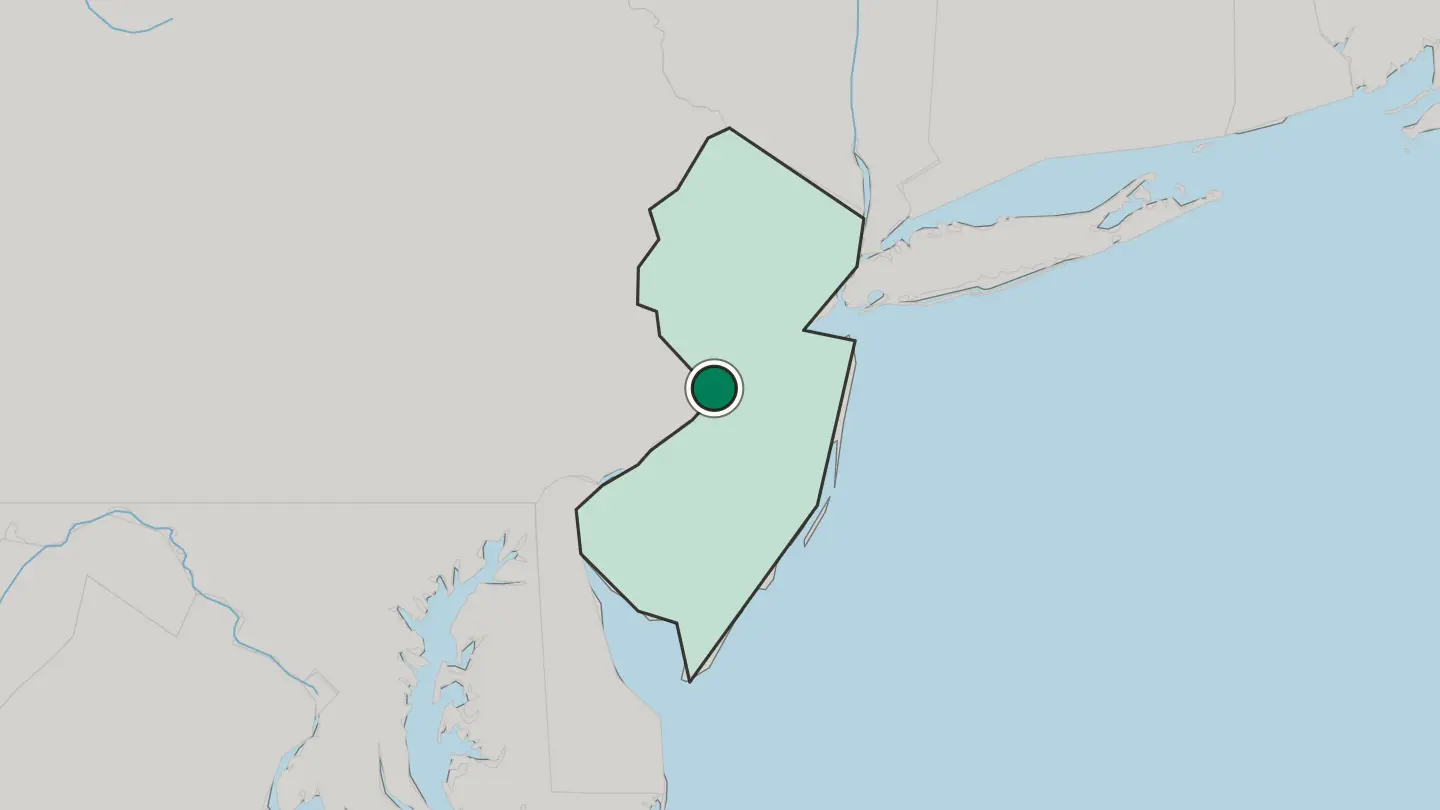 United States
Toms River
Toms River is the seat of Ocean County in New Jersey, named for the river whose estuary runs through it and out into Barnegat Bay.Where to stay →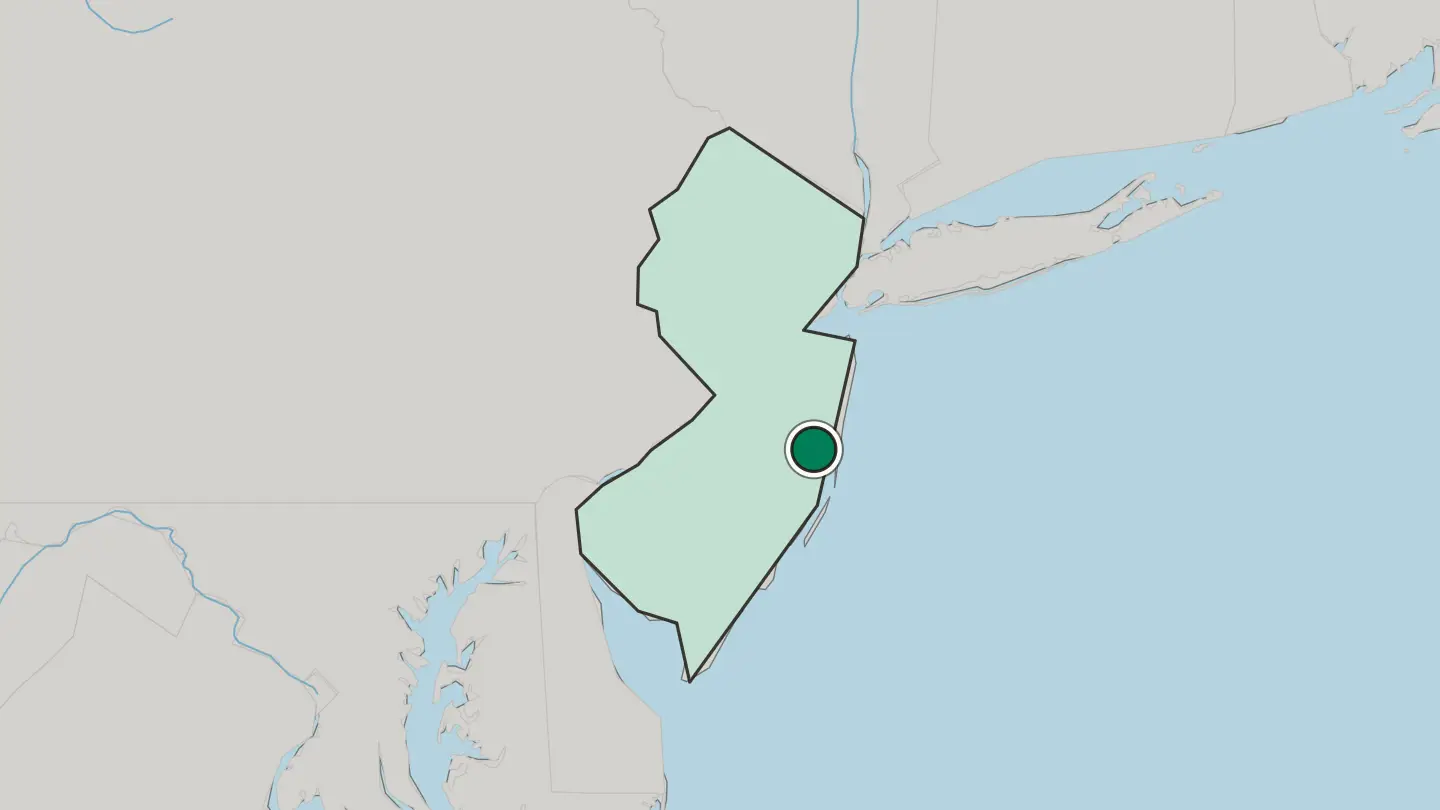 United States
Clifton
Clifton is a Passaic County city in North Jersey, crossed by highways, a commercial hub and a bedroom suburb within the New York Metropolitan Area.Where to stay →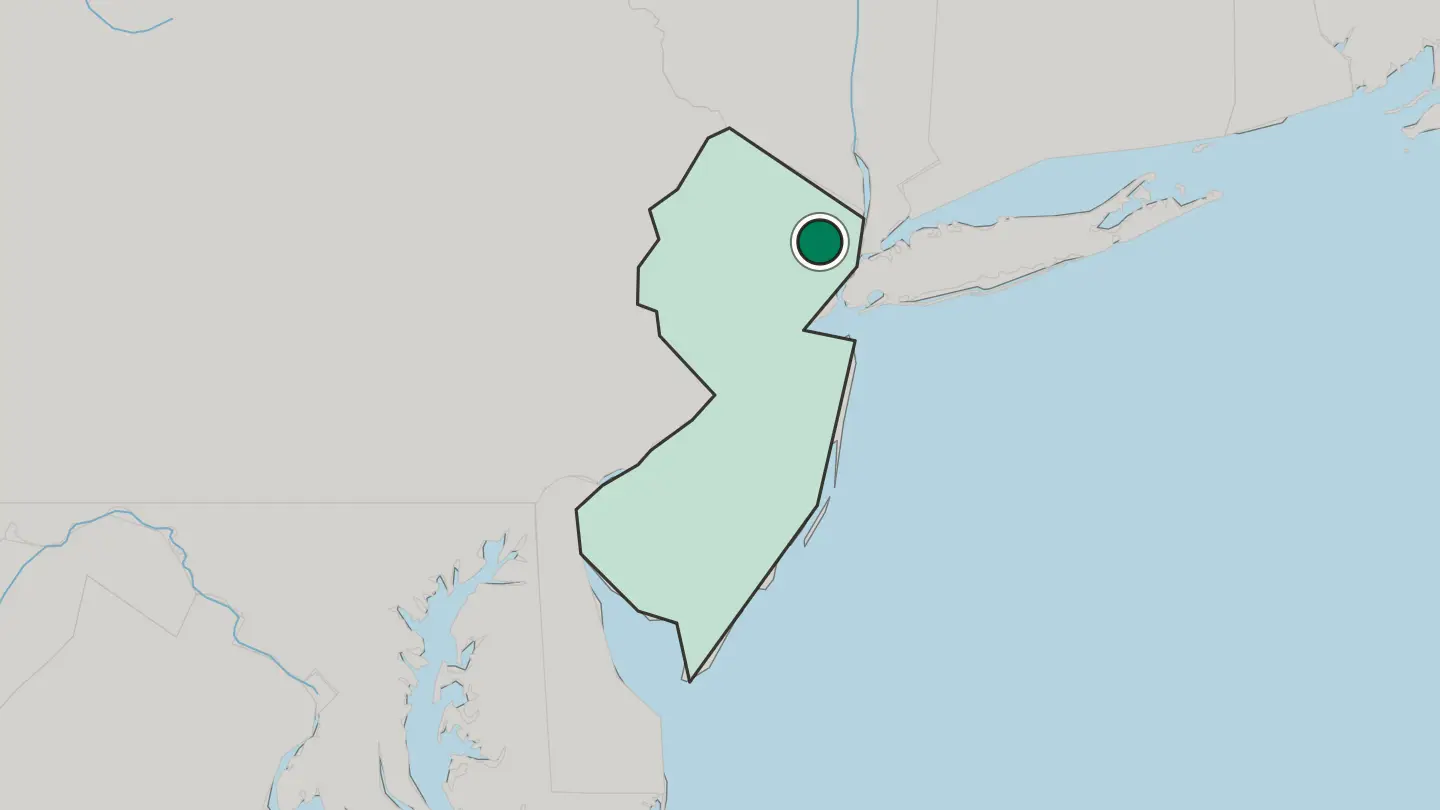
All towns & cities (25)
 United States
Camden
Camden faces Philadelphia across the Delaware River, county seat of Camden County in New Jersey, with the USS New Jersey moored at its waterfront.Where to stay →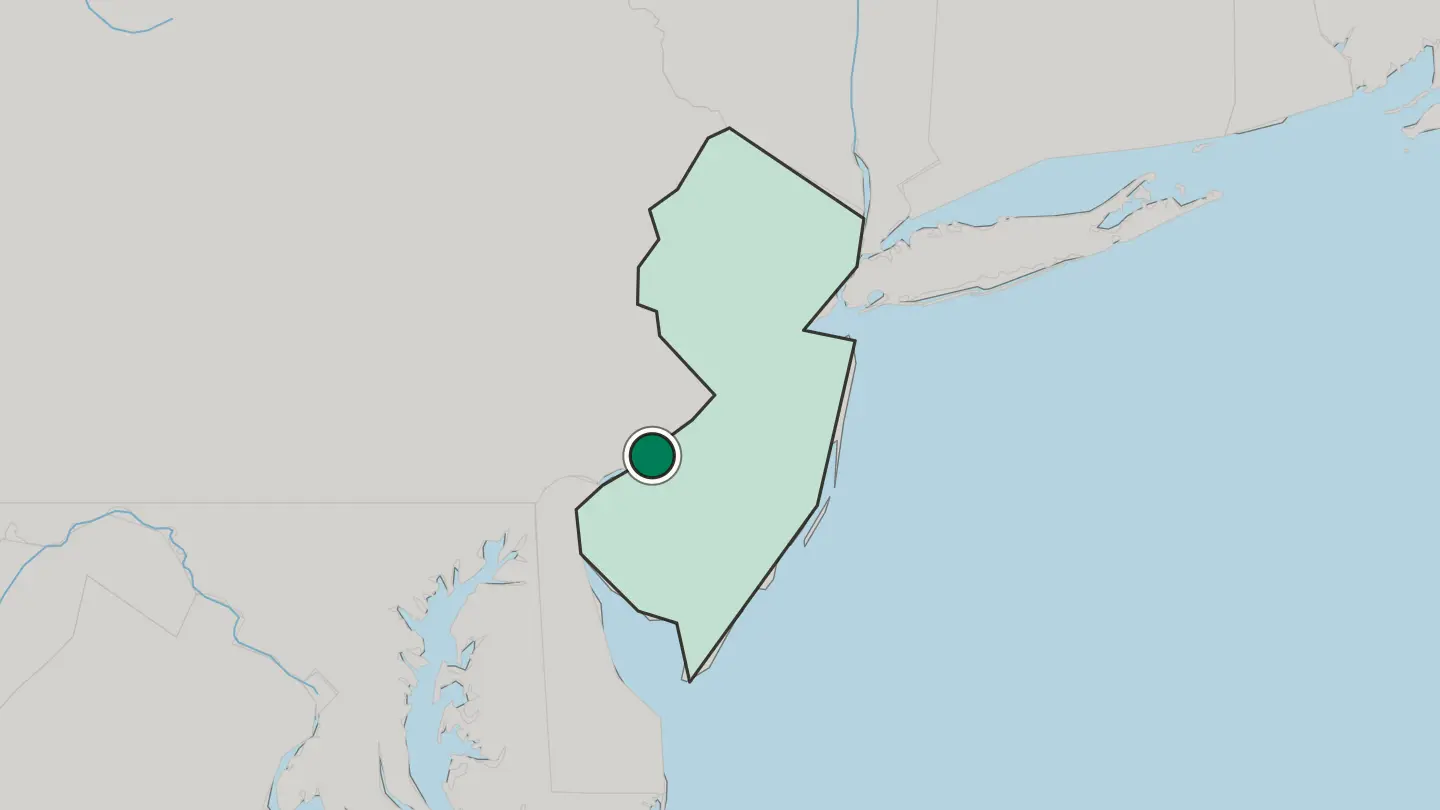 United States
Passaic
Passaic, founded in 1679, is a densely built city in Passaic County, New Jersey, holding two cathedrals and a run of colonial-era houses.Where to stay →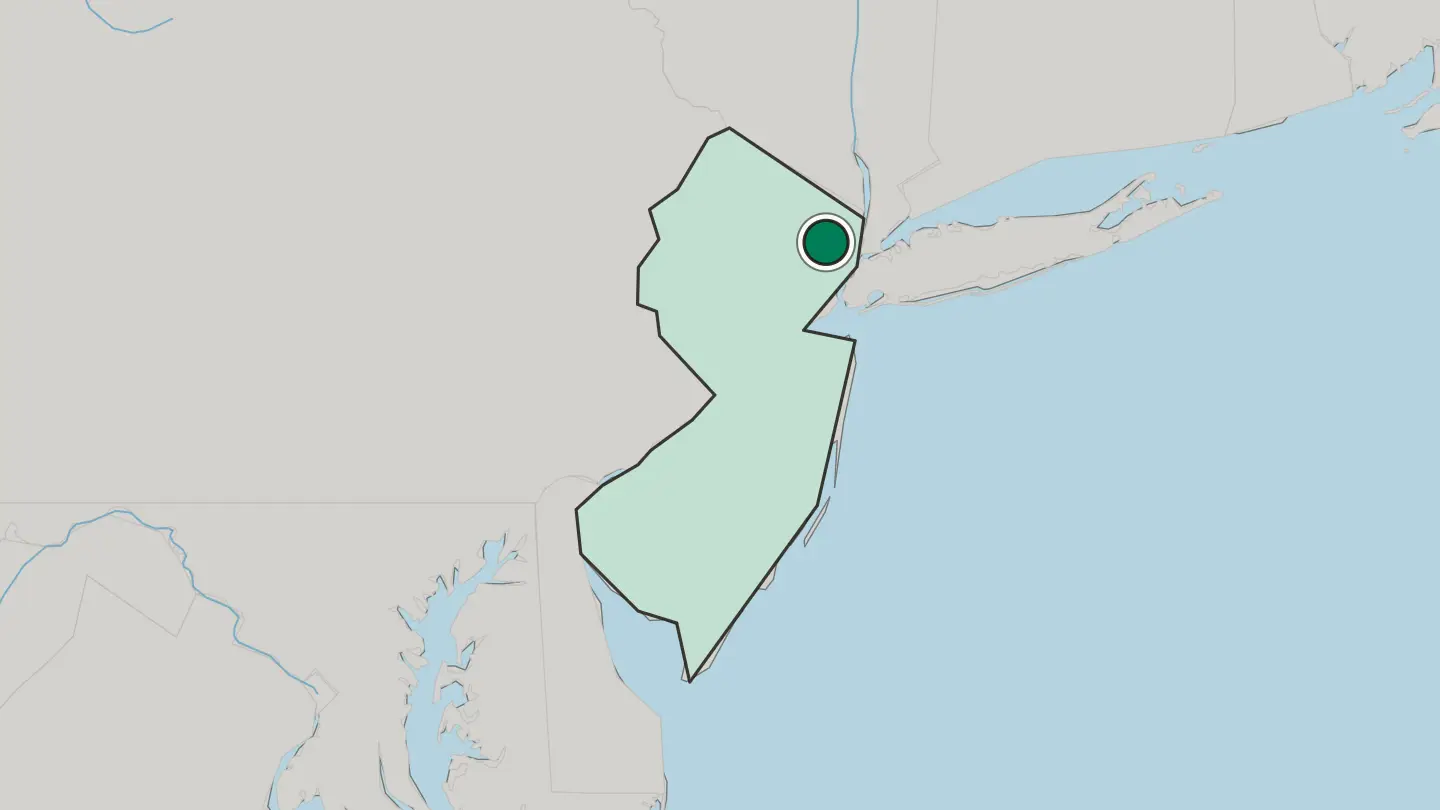 United States
Cherry Hill
Cherry Hill is a Camden County township in South Jersey, a Philadelphia suburb built around the Cherry Hill Mall and the Delaware Valley road network.Where to stay →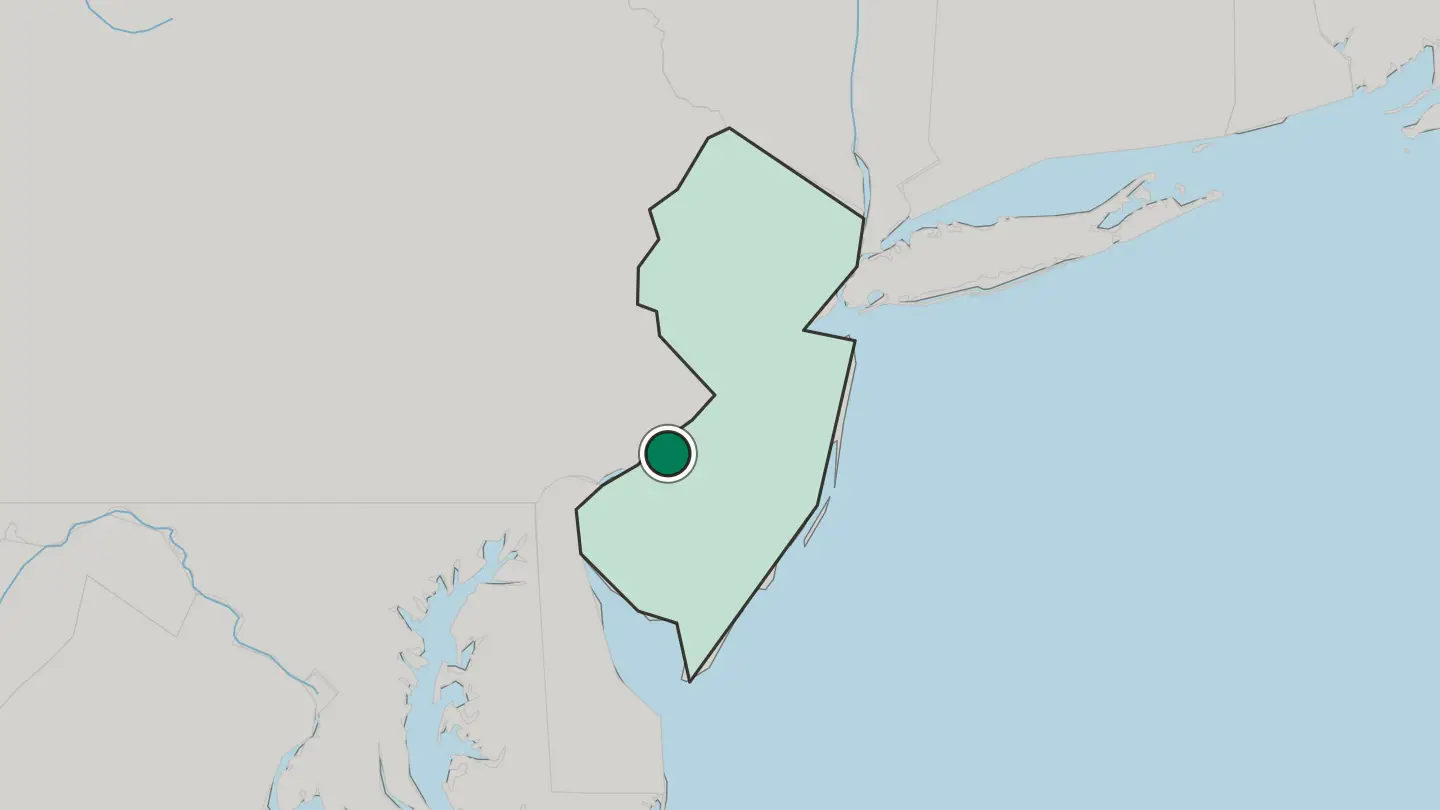
 United States
Union City
Union City is a densely built city of Hudson County, New Jersey, ringed by a landmark roster reaching far past its own short streets.Where to stay →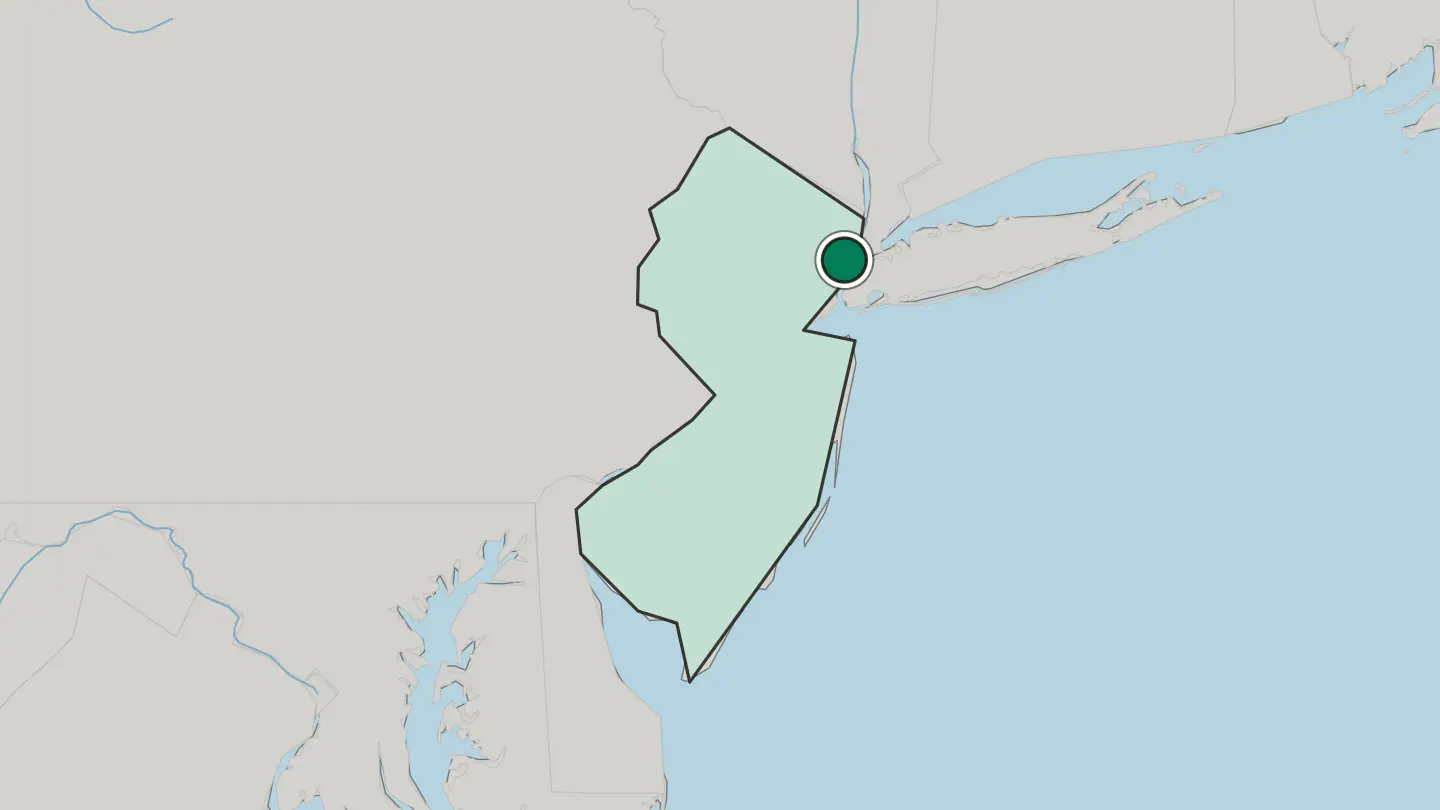
 United States
Bayonne
Bayonne occupies the Bergen Neck peninsula in Hudson County, New Jersey, hemmed in by Newark Bay, the Kill Van Kull, and New York Bay.Where to stay →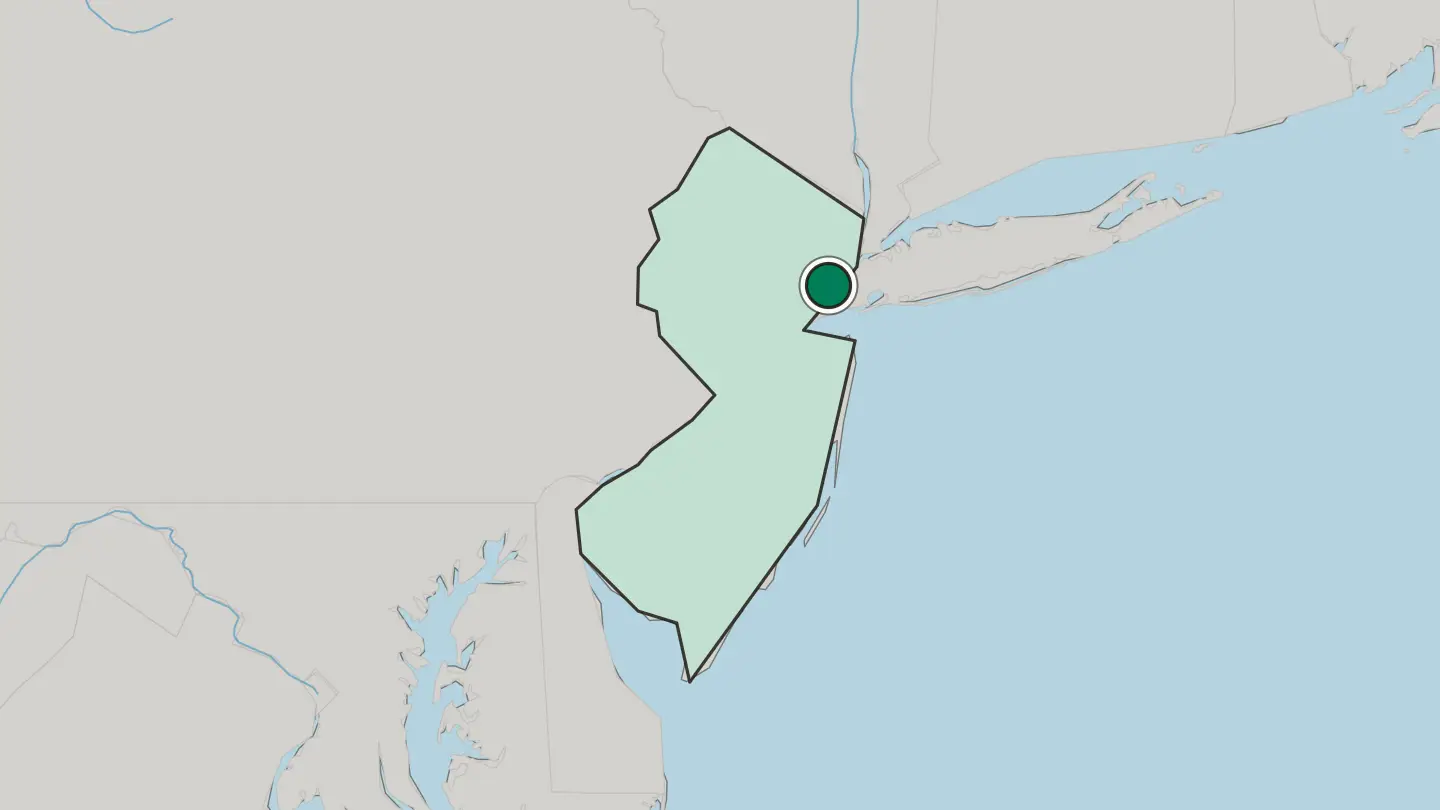 United States
East Orange
East Orange belongs to the Oranges, four adjoining communities of Essex County, New Jersey, on the built-up ground beside Newark.Where to stay →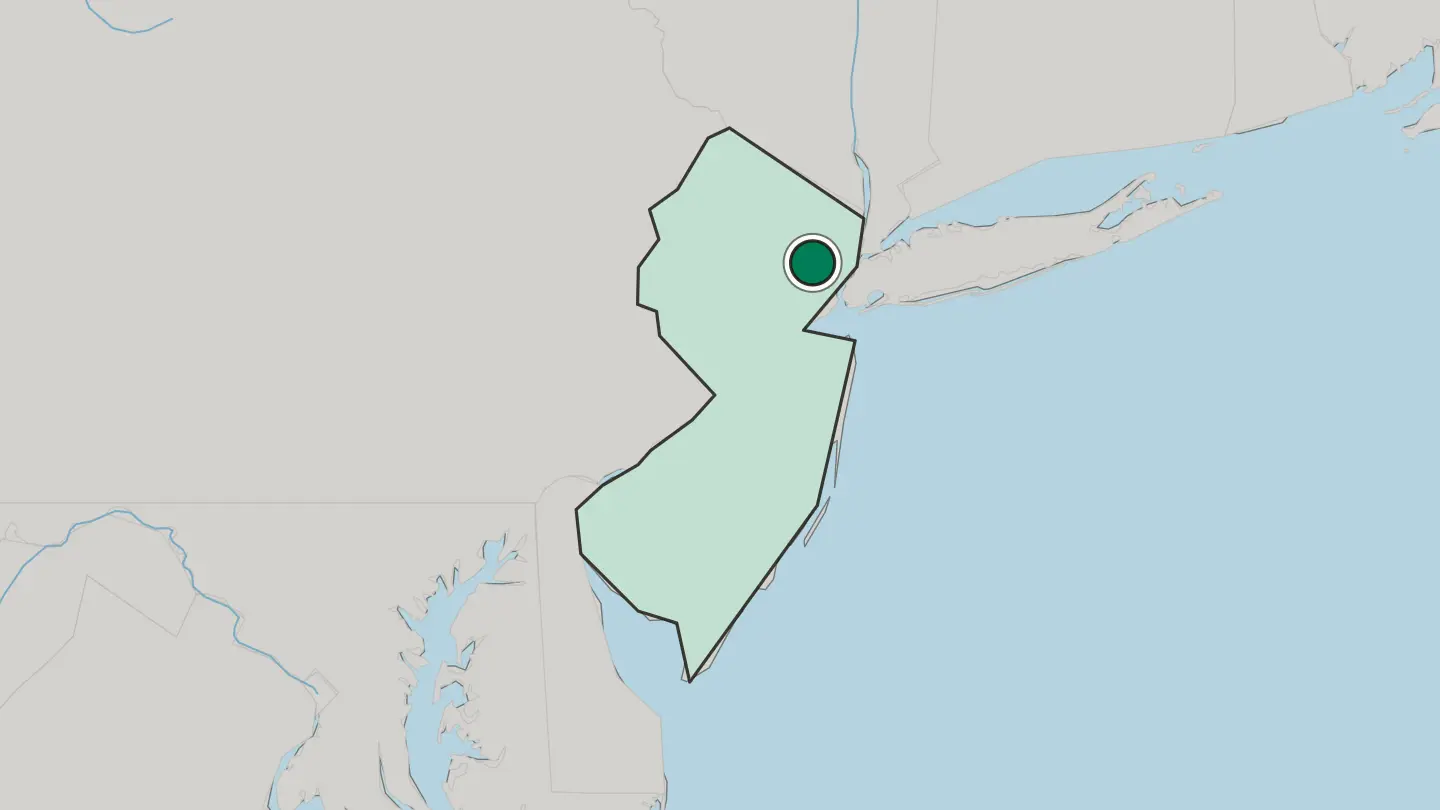
 United States
North Bergen
North Bergen is a township on the Hudson Palisades in Hudson County, counted among the hilliest municipalities in the United States.Where to stay →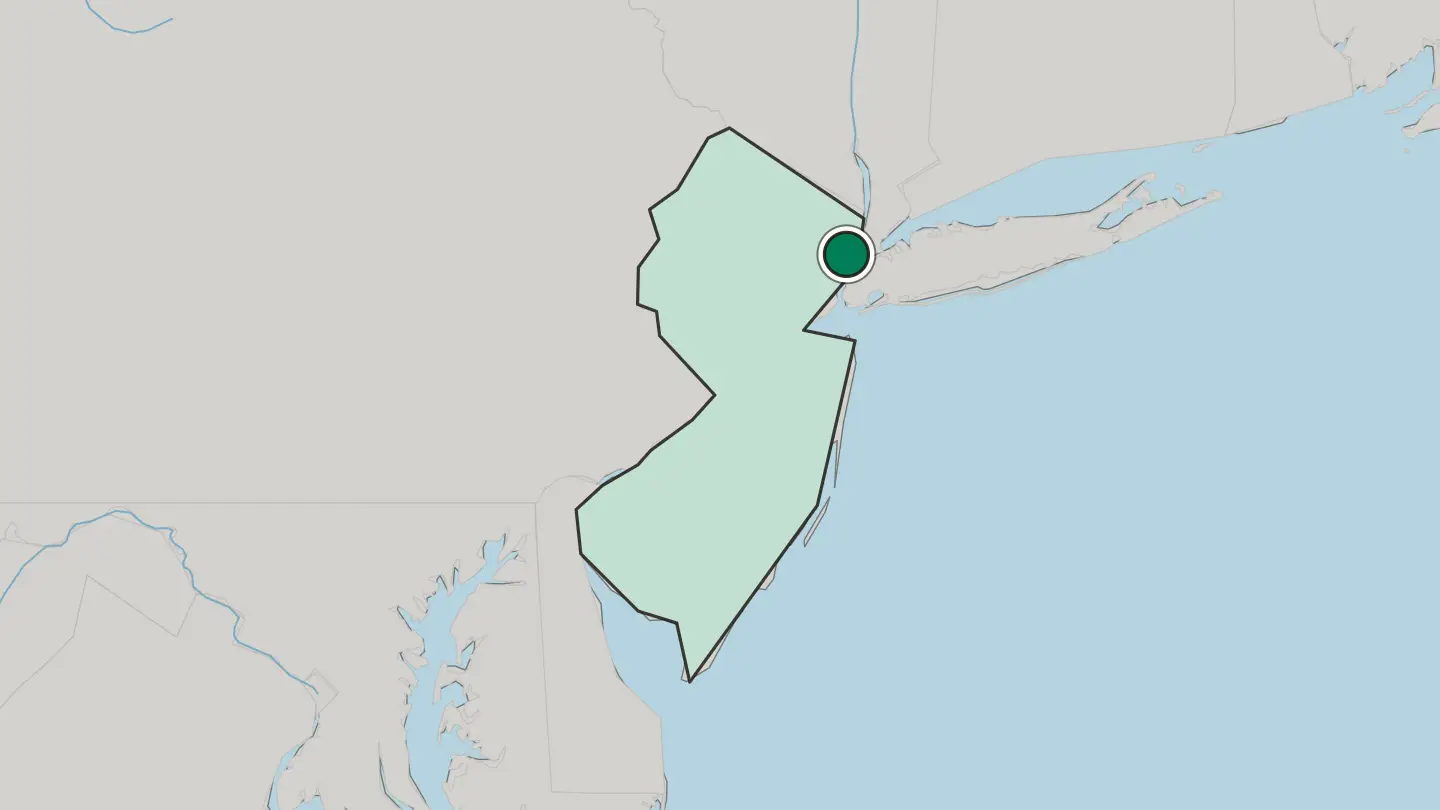 United States
Vineland
Vineland covers a wide slice of Cumberland County, New Jersey, a spread-out municipality of the Delaware Valley rather than a compact town.Where to stay →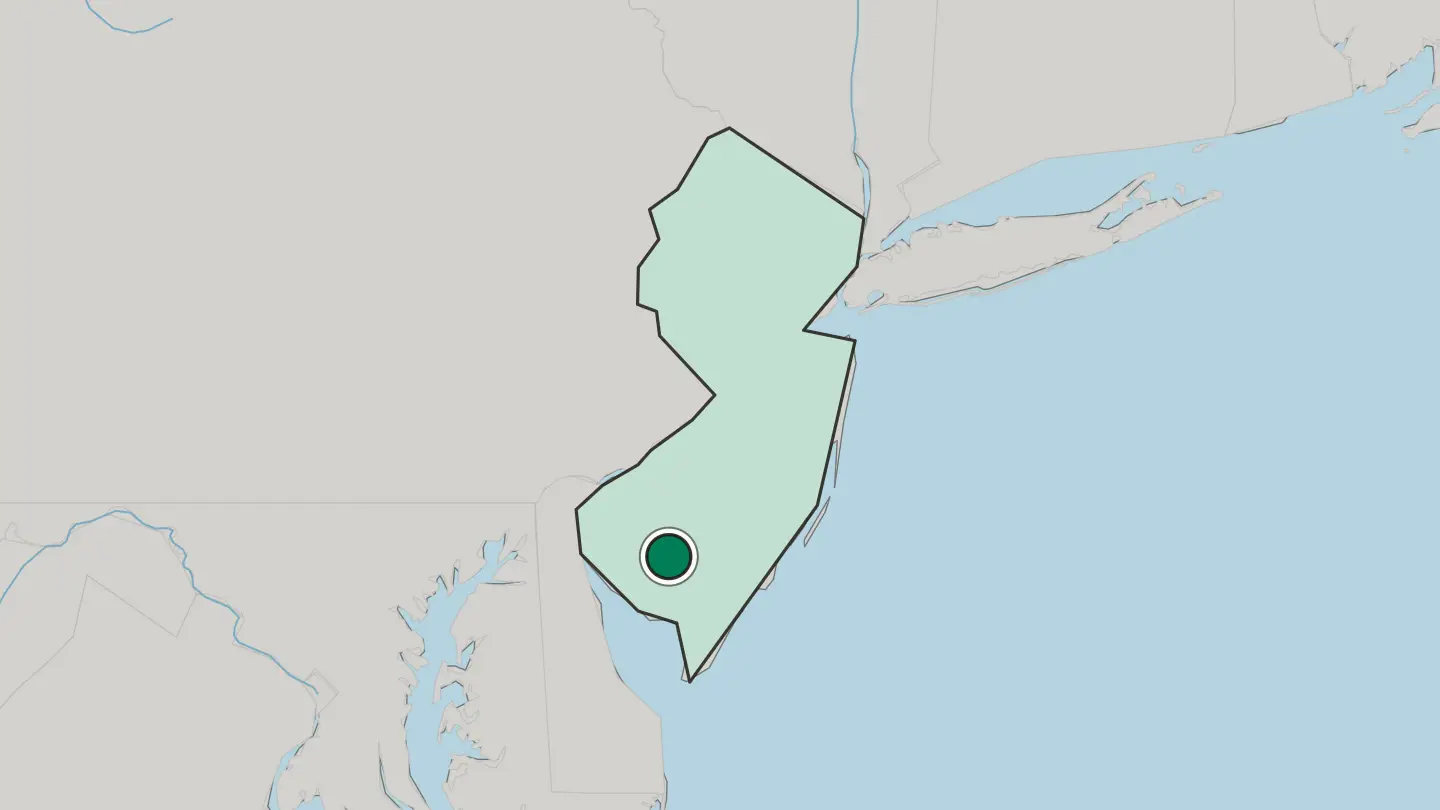
 United States
New Brunswick
New Brunswick is the seat of Middlesex County on the Raritan River, a New Jersey college city built around Rutgers University.Where to stay →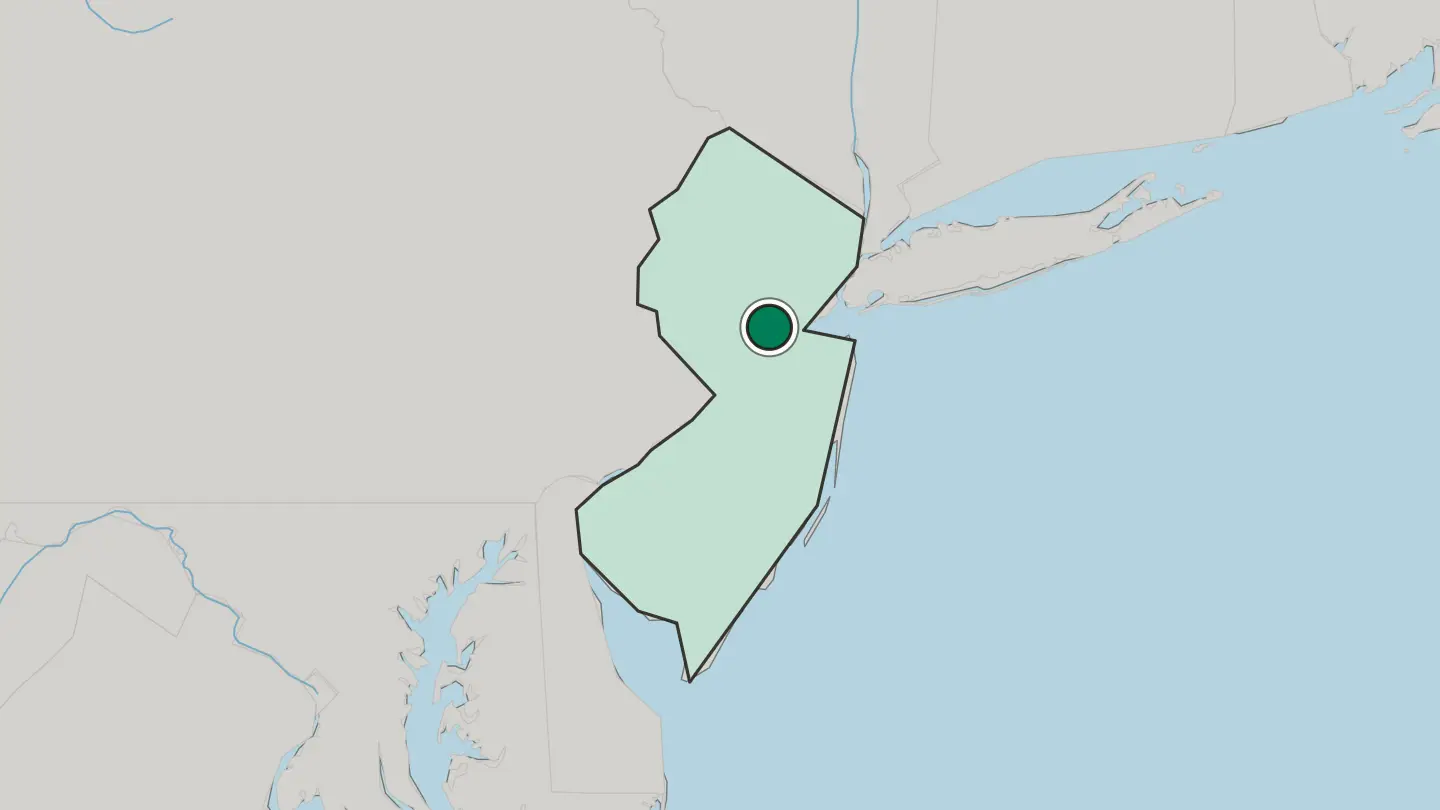 United States
Union
Union is a township in Union County, New Jersey, on the Raritan Valley Line beside the Kean University campus.Where to stay →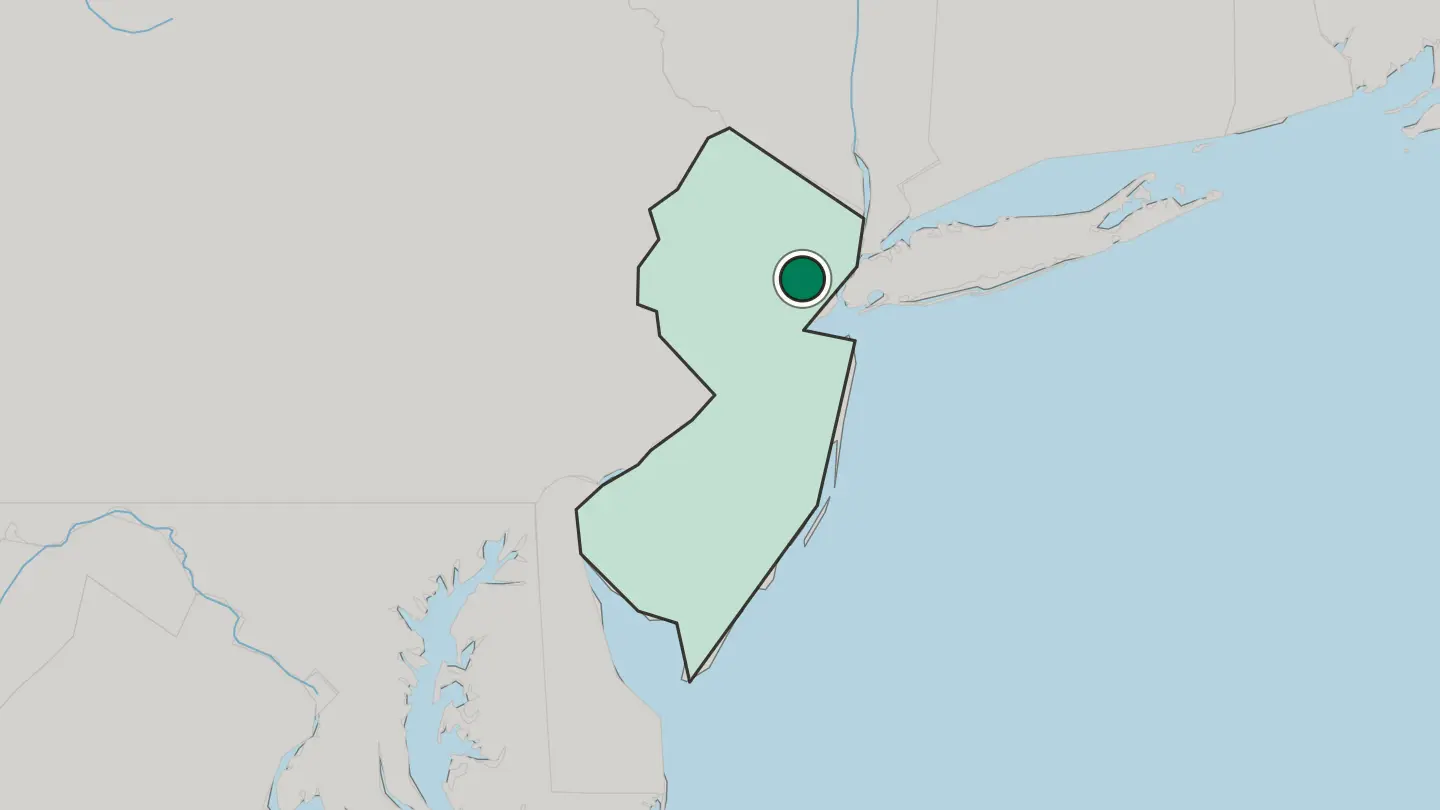 United States
Piscataway
Piscataway is a Middlesex County township in the Raritan Valley, a New York suburb built around the Rutgers University campus it carries.Where to stay →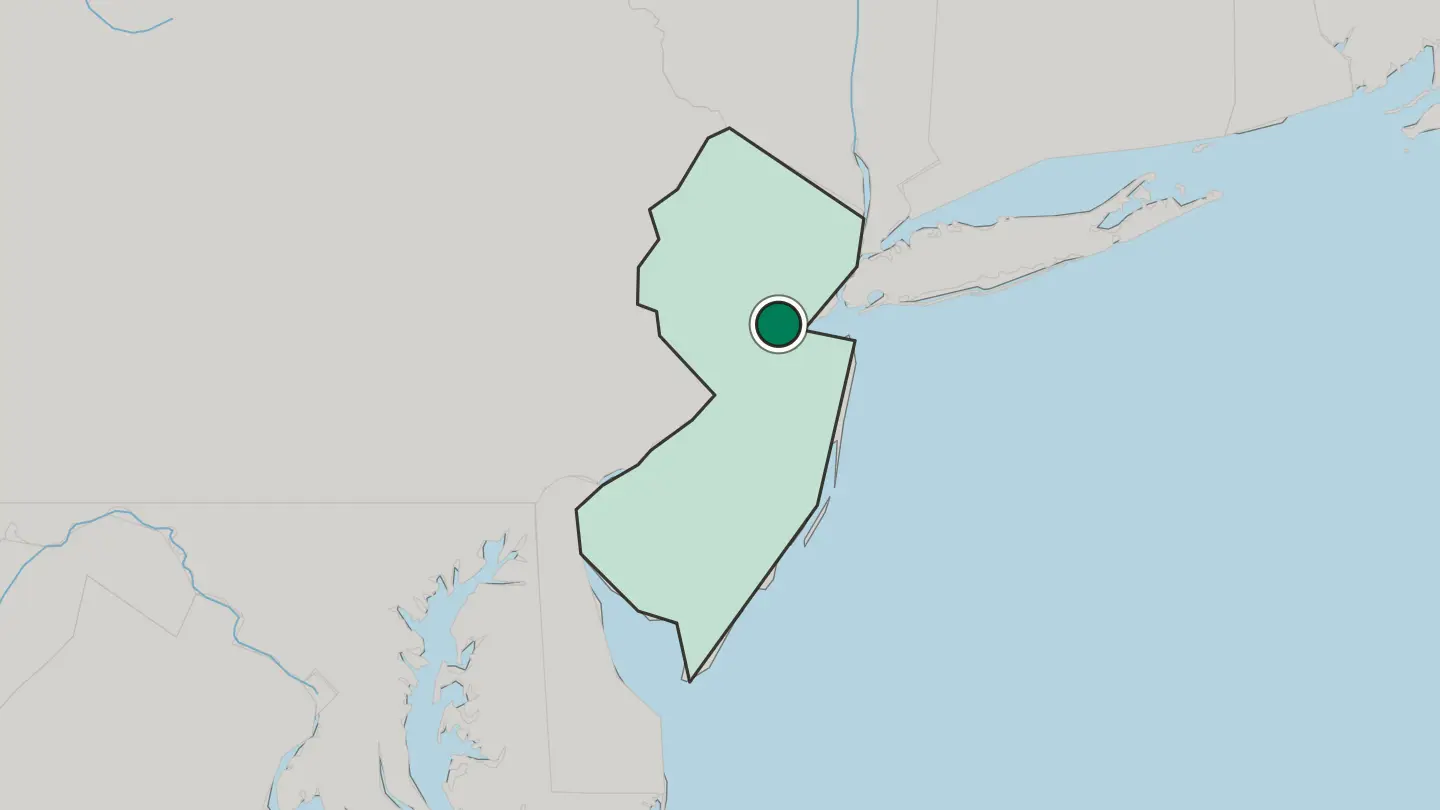 United States
Lakewood
Lakewood is a census-designated place in Lakewood Township, Ocean County, New Jersey, with ShoreTown Ballpark and Insectropolis on its doorstep.Where to stay →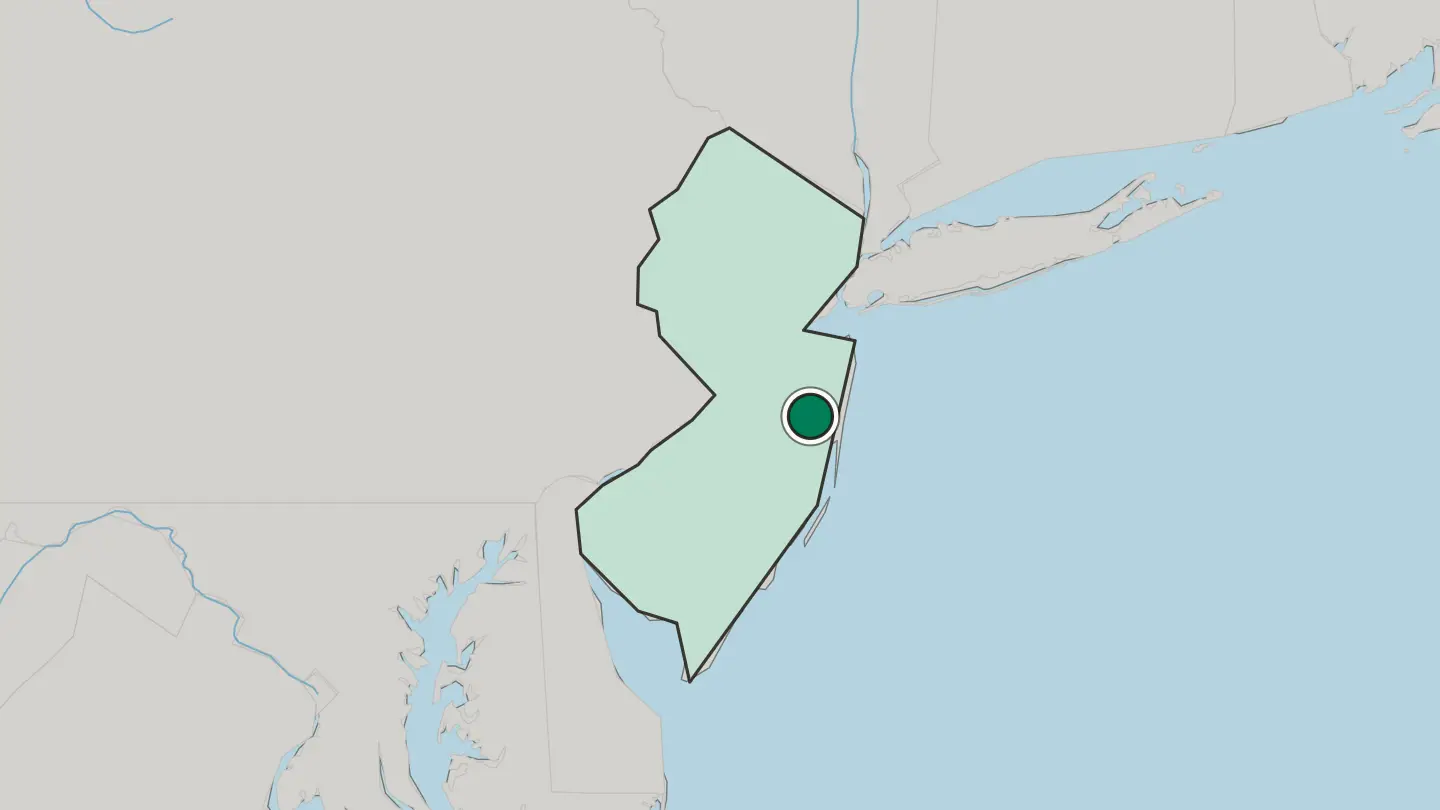
 United States
Hoboken
Hoboken is a compact city on the Hudson River in Hudson County, facing New York City across the water and centred on Hoboken Terminal.Where to stay →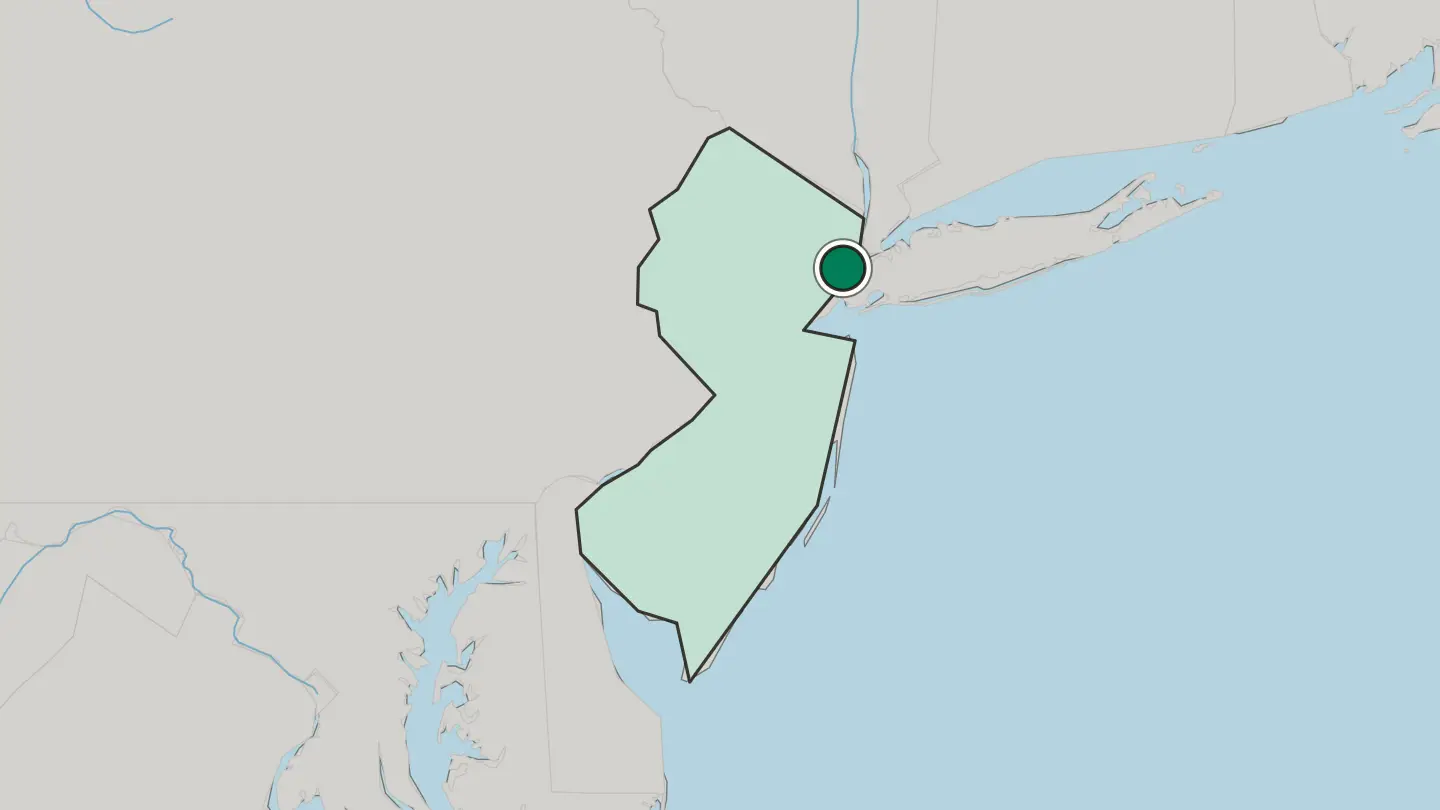
 United States
West New York
West New York is a town on the New Jersey Palisades in Hudson County, New Jersey, facing Manhattan across the Hudson River.Where to stay →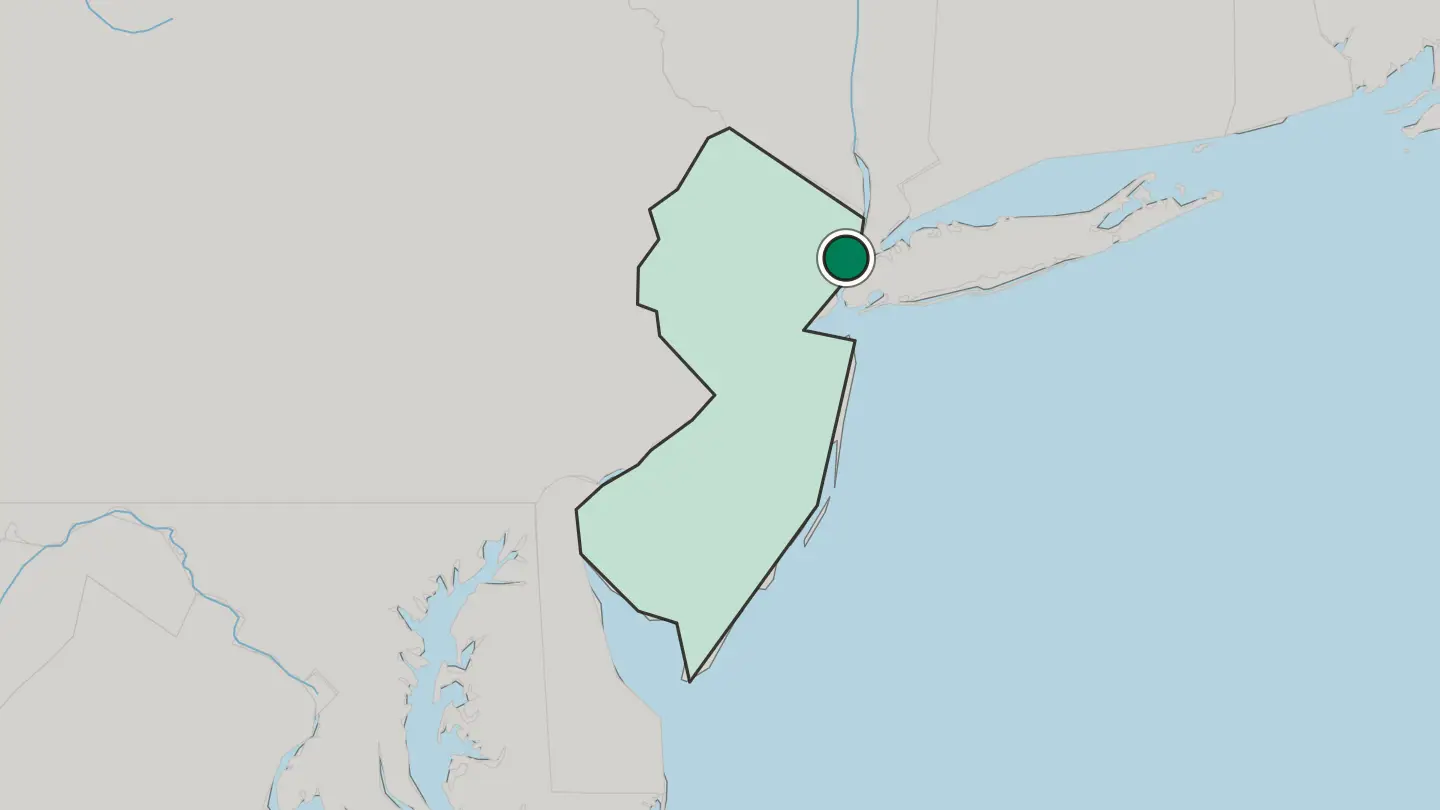 United States
Perth Amboy
Perth Amboy is the City by the Bay, a Middlesex County city on Raritan Bay dating from 1683, inside the New York metropolitan area.Where to stay →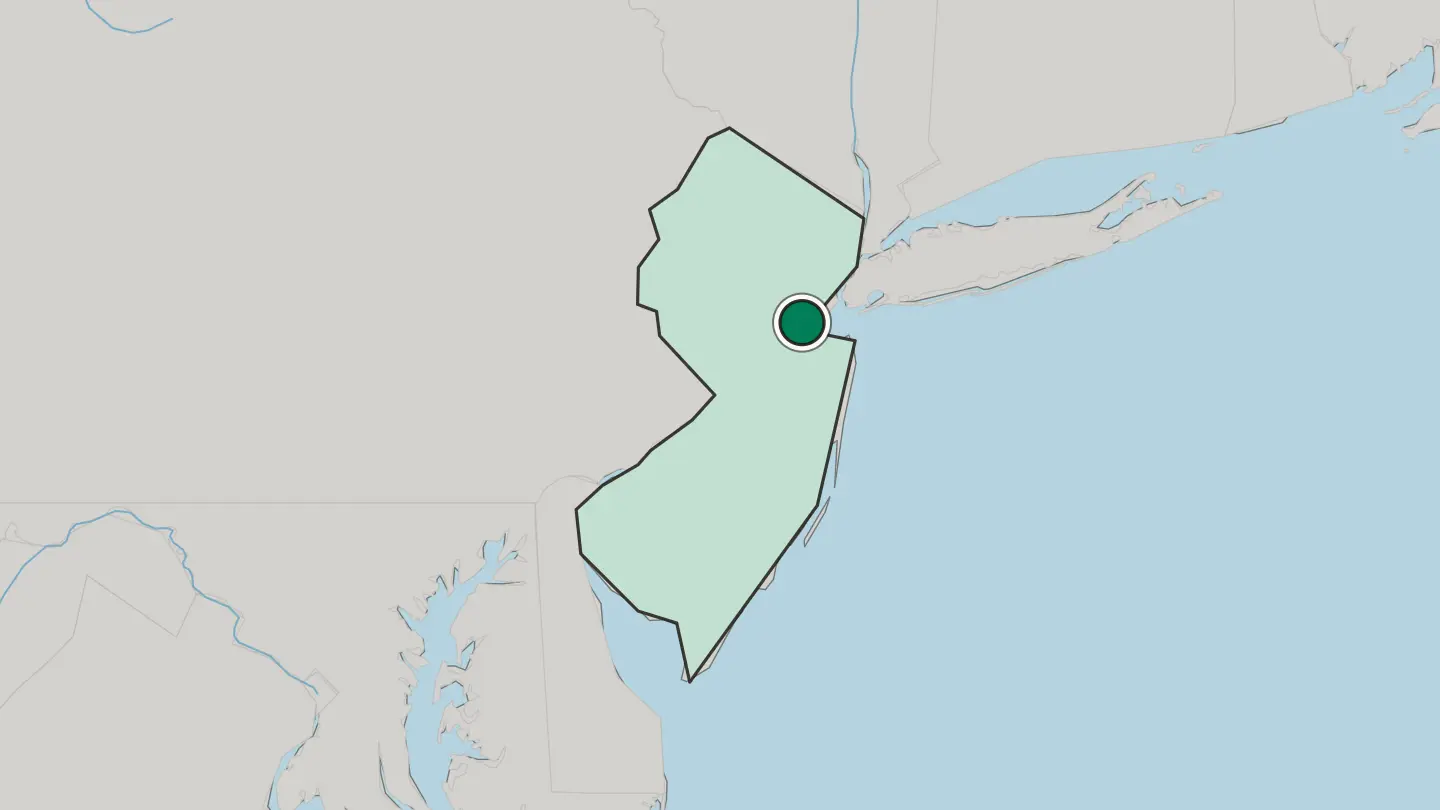
 United States
Plainfield
Plainfield, the Queen City, is a Union County hub in the Raritan Valley and a bedroom suburb of the New York Metropolitan area.Where to stay →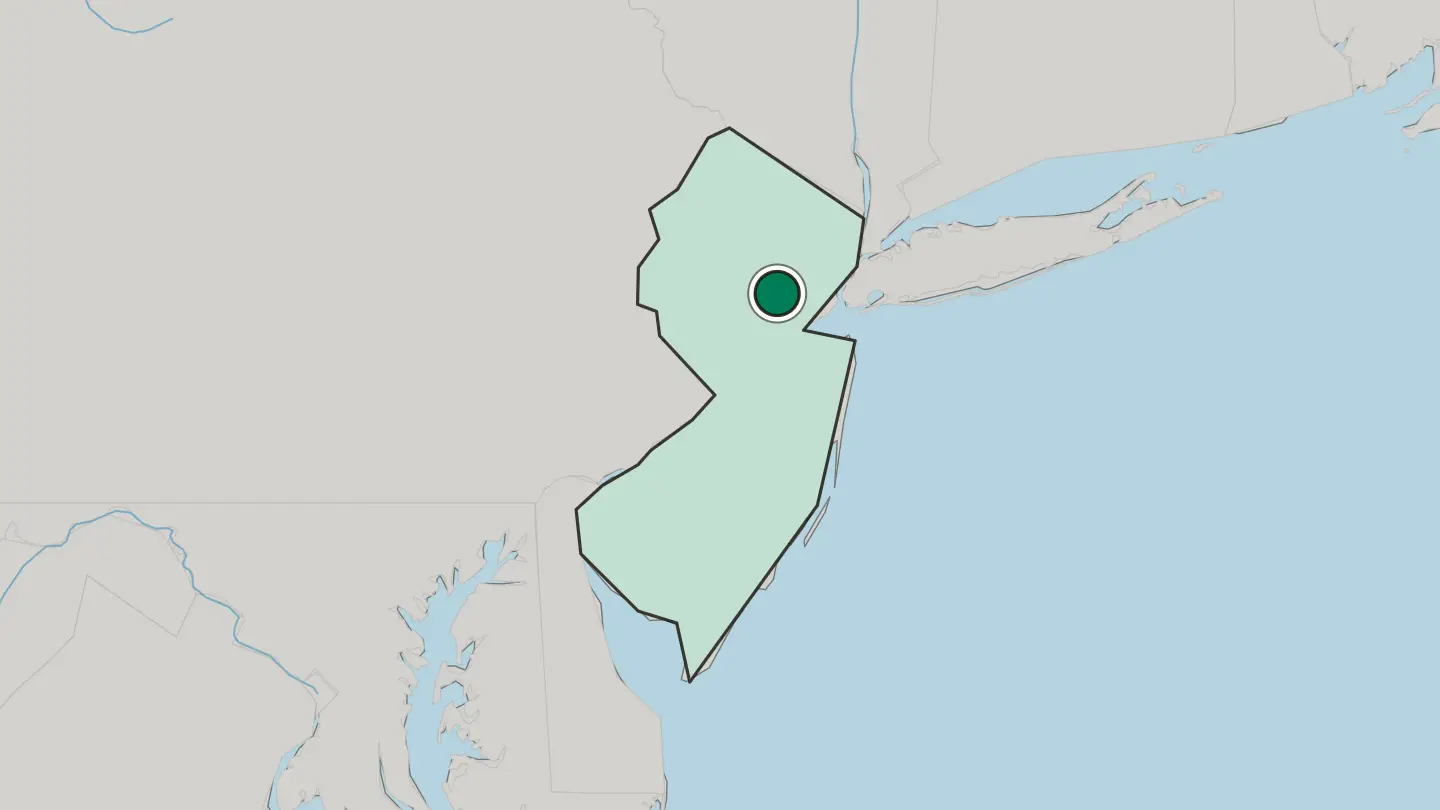 United States
Parsippany
Parsippany-Troy Hills is a township in Morris County, New Jersey, with preserved houses dating from the eighteenth century.Where to stay →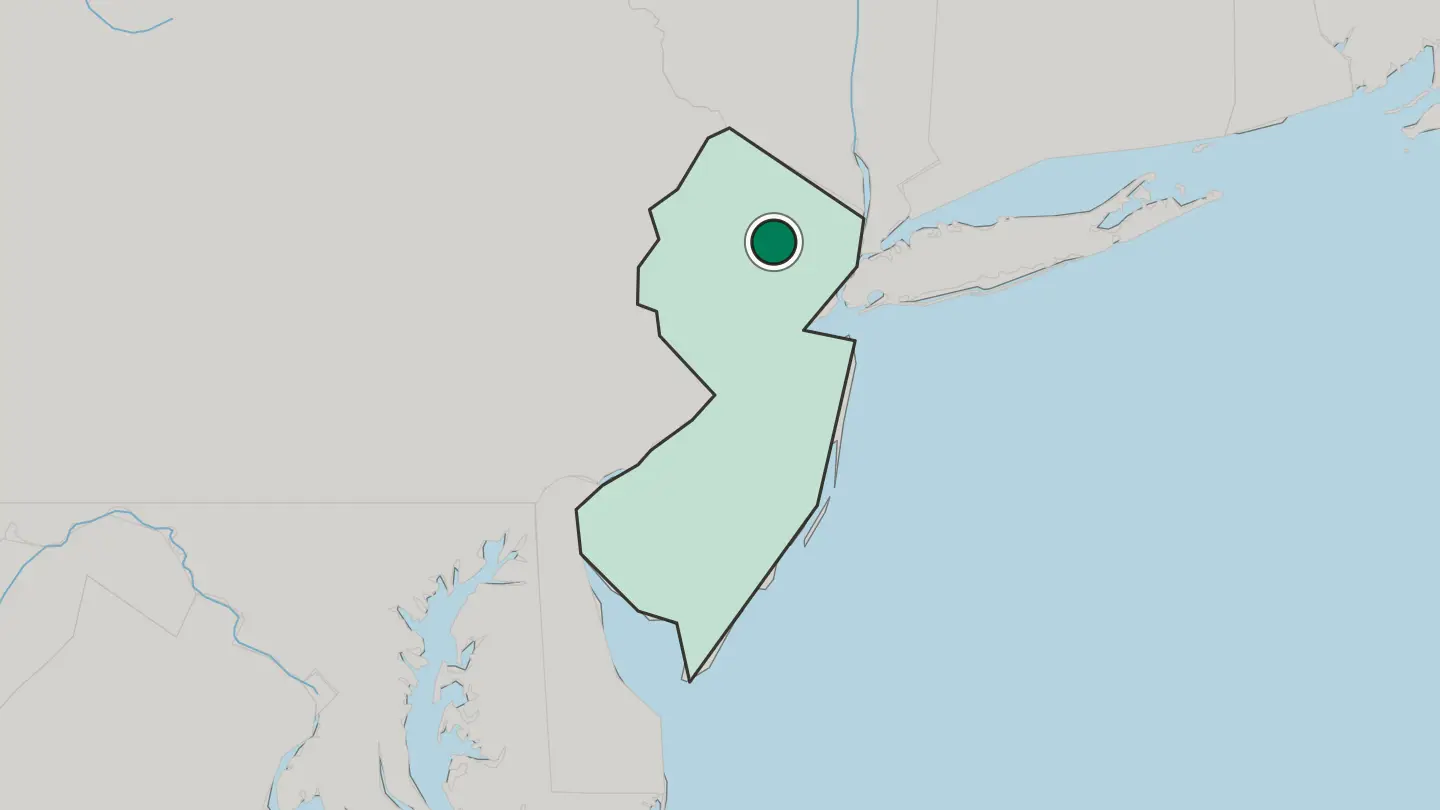
Hotel links are affiliate links: booking through them may earn us a commission, at no extra cost to you. It never affects how places are ranked. How this works
About New Jersey
What is New Jersey known for?
New Jersey answers to the Garden State, a nickname older than the turnpikes that cross it. Its coast carries the name that sticks. The Jersey Shore runs the length of the Atlantic edge, a chain of boardwalk resorts from Asbury Park down to the Victorian streets of Cape May, and Atlantic City laid the first boardwalk in the country.
Diners line its highways in greater number than anywhere else in the United States. Much of the state lives as a commuter belt, its towns feeding workers into New York City and Philadelphia across the two rivers that frame it.
Where is New Jersey?
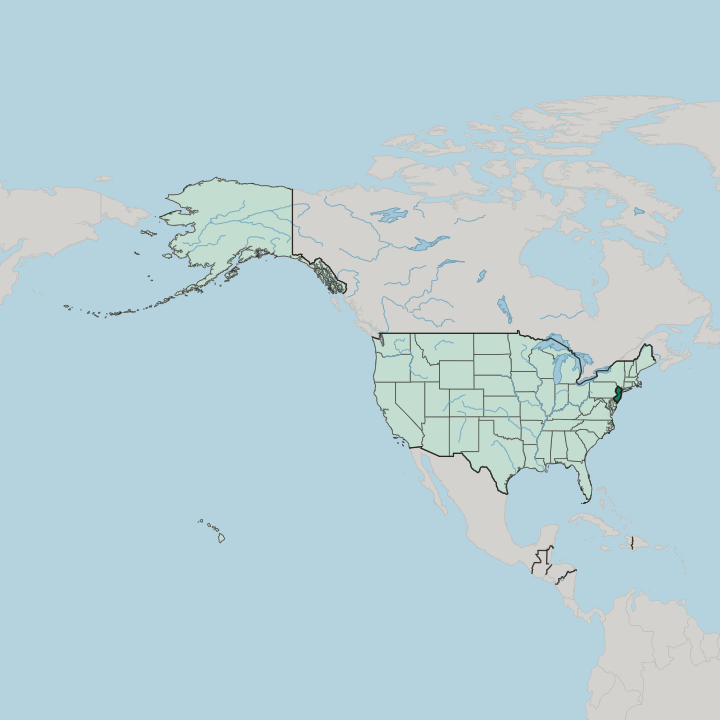
New Jersey sits at the crowded hub of the Northeast, a small state hemmed by water on almost every side. Three of its four edges are wet. New York wraps around the northwest, north, and northeast, while the Atlantic Ocean forms the long eastern and southern coast. Along the west the Delaware River divides the state from Pennsylvania, and in the far southwest Delaware Bay widens toward Delaware.
Only a short stretch of the northern border runs overland. Inland the ground climbs from the sea in bands. The northwest corner is ridge country, where the Kittatinny Mountain carries the grain of the Appalachian Mountains and the Delaware River has cut the Delaware Water Gap clean through the rock.
High Point, the state's tallest ground, stands up here. A rolling Piedmont of red sandstone fills the middle, sloping south into the Pine Barrens, a wide flat sweep of pine woods and cedar streams behind the dunes of the Jersey Shore. Every county here is counted as urban, and no other state packs its people so densely.
The Hudson River closes the northeastern corner, its western bank rising in the dark cliffs of the Palisades across from New York City. Small as it is, New Jersey ranks among the least spacious states by land area, and it still touches ocean, bay, and two working rivers.
What is New Jersey like?
New Jersey's culture runs loud and unpretentious, shaped by the two big cities it sits between. Suburbs fill the gaps. Its towns feed commuters into New York City and Philadelphia, yet the state keeps a strong voice of its own, built by waves of Italian, Irish, and later Latino and South Asian arrivals.
Food carries much of that identity, from the diner counter to the pork roll griddled at the corner deli. The diner is close to a state institution. Music and invention run deep here.
Thomas Edison built his laboratories at Menlo Park and West Orange, drafting the phonograph and the light bulb on New Jersey ground. Frank Sinatra grew up in Hoboken, in sight of the Manhattan skyline he would sing about. Bruce Springsteen made his name on the bars of Asbury Park, and the shore sound went out from that boardwalk to the world.
The game of Monopoly took its street names straight from Atlantic City.
What is the history of New Jersey?
New Jersey was one of the Thirteen Colonies, and in 1787 it became the third state to ratify the United States Constitution. Its vote was unanimous. So many marches and battles crossed its soil during the Revolution that the state took the name Crossroads of the Revolution, and Washington's crossing of the Delaware River led straight to his victories at Trenton and Princeton.
Paterson came later. Founded around the Great Falls of the Passaic as the young republic's first planned industrial city, it set New Jersey on the path to mills and factories.
What is the climate of New Jersey?
New Jersey runs through four full seasons, with hot, humid summers and cold winters. The weather splits north from south. The southern half and the Jersey Shore hold a milder, humid-subtropical air that the Atlantic Ocean keeps from swinging too far, while the northwest ridges around the Kittatinny Mountain turn colder and hold deeper snow.
Coastal storms called nor'easters sweep in off the water through the colder months, driving wind and heavy snow across the state. Spring and autumn stay short and changeable.
How do you get to New Jersey?
Most travellers reach New Jersey through Newark Liberty International Airport, one of the busiest airports on the East Coast. Rail does the rest. The Northeast Corridor line threads the state, linking New York City and Philadelphia with fast trains and dense commuter service.
Bridges and tunnels carry road traffic under the Hudson River into Manhattan, while the New Jersey Turnpike and the Garden State Parkway run the length of the state. From the south, many arrive by way of Philadelphia across the Delaware River.
Common questions
What is the best area to stay in New Jersey?
Hoboken and Jersey City: a base facing Manhattan across the Hudson. The Jersey Shore: boardwalk towns along the Atlantic. Newark: airport and rail connections. The northwest Skylands: ridge walking and lake country. Princeton: a quiet central-Jersey college town.
Good for
More regions in United States
Updated September 2026