Uzbekistan · Samarqand Region
Where to Stay in Samarkand, Samarqand Region
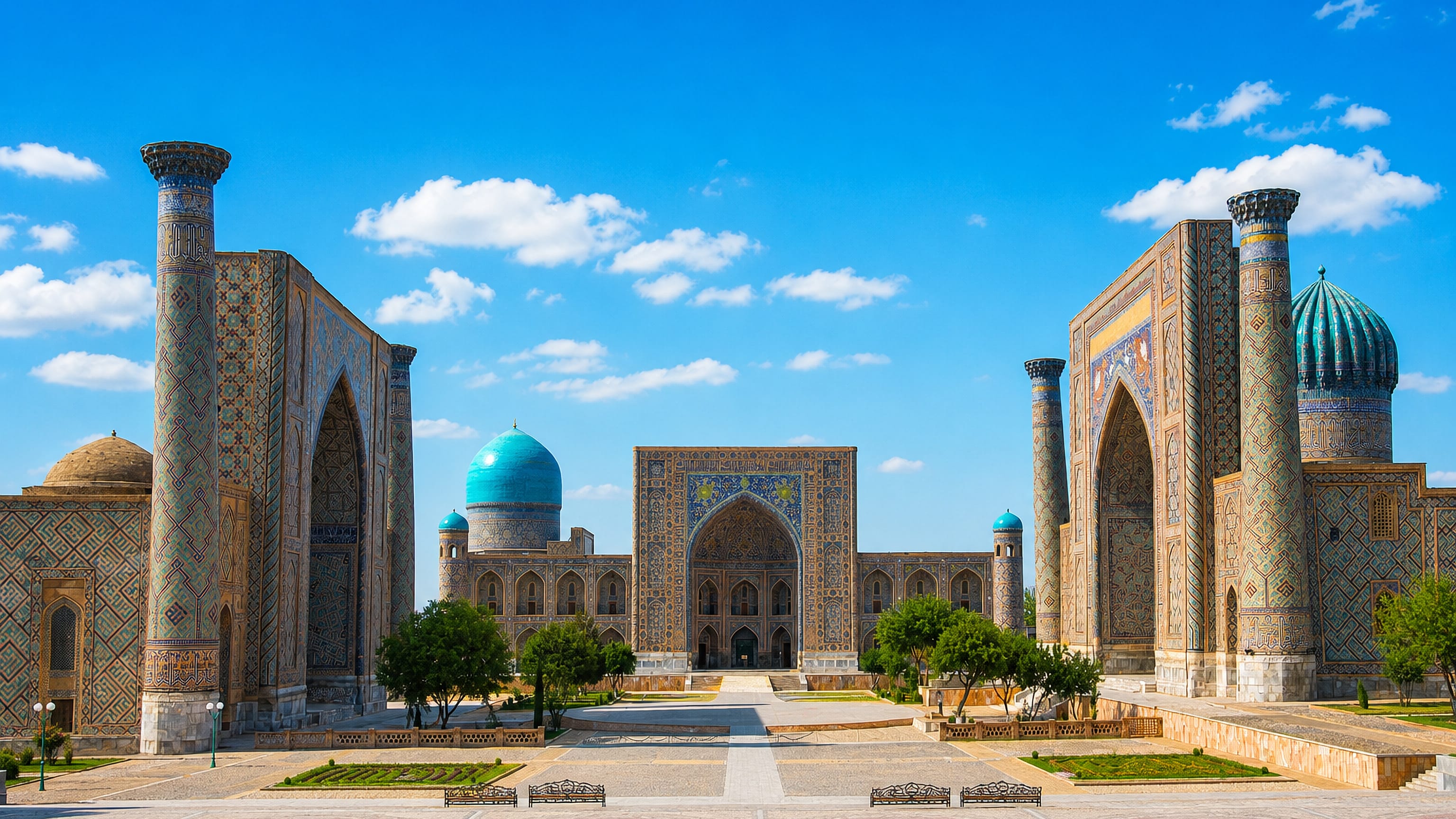
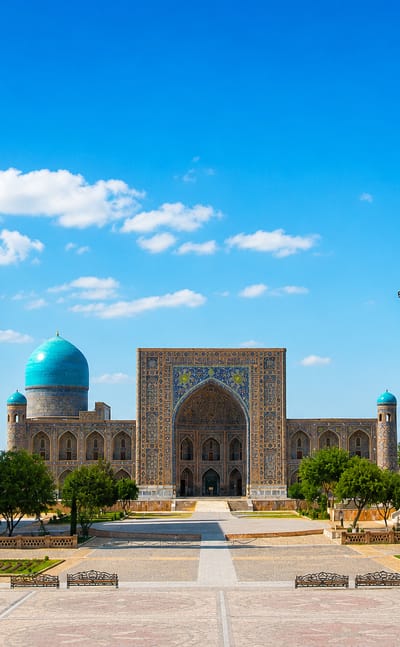
Turquoise domes and tiled minarets crown Samarkand, a Silk Road city in the Samarkand Region of Uzbekistan, known for its Old Town and ancient Afrasiyab.
Hotel links are affiliate links: booking through them may earn us a commission, at no extra cost to you. It never affects how places are ranked. How this works


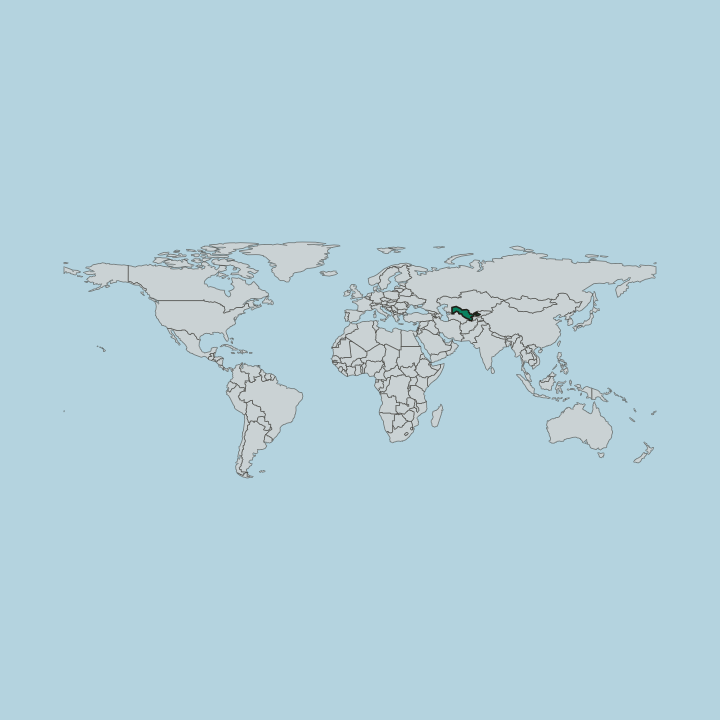
Where to stay in Samarkand
Each area has its own feel; here's who each one suits.
 SamarkandUzbekistan
Old City of Samarkand
Mud-brick lanes run off Islam Karimov Street in the Old City of Samarkand, the historic core of Samarkand, from the Registan north to Afrasiyab.Where to stay →SamarkandUzbekistanHishrau
Canal water turns the turbines at Hishrau (Xishrov), an urban-type settlement under Samarkand, Uzbekistan, on the right bank of the Dargʻom canal.Where to stay →SamarkandUzbekistanFarhod
Farhod sits on the Zarafshon's right bank where the river divides into the Oqdaryo and Qoradaryo, an urban-type settlement under the city of Samarkand.Where to stay →SamarkandUzbekistanKimyogarlar
Water off the Dargom canal drives the Irtyshar hydroelectric station in Kimyogarlar, a chemical-works settlement of Samarkand, 12 km west of the old city.Where to stay →Hotel links are affiliate links: booking through them may earn us a commission, at no extra cost to you. It never affects how places are ranked. How this works
Find hotels in Samarkand
Direct booking searches for these neighbourhoods.
Old Town
The restored historic core packs the Silk Road ensembles and bazaar quarters into a compact walkable quarter of courtyard guesthouses.Find hotels in Old TownTravellers who prefer quiet evenings and space along the avenues to Kimyogarlar and FarhodModern districts
The residential streets beyond the monuments trade instant access to Afrasiyab for calmer nights a short ride from the centre.Find hotels in Modern districtsHotel links are affiliate links: booking through them may earn us a commission, at no extra cost to you. It never affects how places are ranked. How this works
Things to do in Samarkand
Ranked by global recognition; descriptions from Wikidata (CC0).
Museums & Galleries
4- Samarkand Museum of Local Lore Heritage
- Turar joy (ilgarigi Xushkomilboy, keyinchalik ilgarigi Ayniy uyi, hozirda muzey) Heritage
- Russian-China Bank building Heritage
- Turar joy, hovli va hovliga kirish darvoza ustunlari (ilgarigi vino ishlab-chiqarish Filatovning uyi) Heritage
Churches & Religious Sites
5- St. John the Baptist Church, Samarkand Heritage
- St. Mary Church in Samarkand Heritage
- Church of St. George Heritage
- Mubarak mosque Heritage
- Yangi Hairabad mosque and minaret remains Heritage
Castles & Historic Sites
2- Afrasiyab Heritage
- Statue of Ulugh Beg (Samarkand) Heritage
Landmarks & Notable Places
8- Afrosiyob Museum building Heritage
- Karavan-sarai Heritage
- Female gymnasium building Heritage
- Priest's house Heritage
- Kazi Kalon complex Heritage
Show 3 more →
- Merchant Vogau's house Heritage
- Sheykh ul-Islam complex Heritage
- Urgut-1 complex Heritage
worth knowingacross 4 categories in Samarkand
About Samarkand
What is Samarkand known for?
Samarkand is known for its Silk Road architecture and its status as one of the oldest continuously inhabited cities in Central Asia. Tiled minarets and turquoise domes rise across its Old Town, which stands inscribed as a UNESCO World Heritage Site. The observatory of the astronomer Ulugh Beg once measured the stars here.
Reputations travel far. Together with Bukhara, the city anchors a long chapter of trade and learning that drew merchants and scholars across the region.
What are the main landmarks in Samarkand?
Samarkand gathers its landmarks around the ancient site of Afrasiyab, the settlement mound that predates the modern city, where the Afrasiab Museum of Samarkand displays finds from that early city beside the mound. To the north, the Ulugbek observatory museum marks where the astronomer Ulugh Beg charted the heavens. A statue of Ulugh Beg stands in his honour.
Nineteenth-century arrivals left their mark too, among them St. John the Baptist Church and the Church of St. George.
What is the history of Samarkand?
Samarkand ranks among the oldest continuously inhabited cities in Central Asia, its origins reaching back to the fortified settlement of Afrasiyab. The mound of Afrasiyab holds the remains of that first city, occupied for centuries before invasion levelled it and the settlement shifted to the ground the modern city now covers. The caravan trade made Samarkand what it became.
Standing on the Silk Road between the markets of the wider world, the city grew wealthy on the caravans that crossed the plain, and its craftsmen and scholars built a name that outlasted many empires. Under the astronomer and ruler Ulugh Beg, the city became a centre of learning, and the observatory he raised measured the positions of the stars with a precision remarkable for its age. Later centuries brought new arrivals whose churches, among them St. John the Baptist Church, still stand among the older monuments.
The city eventually became the capital of the Samarkand Region and grew into the third-largest city in Uzbekistan, its Old Town preserved and inscribed as a UNESCO World Heritage Site. Layers accumulated. Museums such as the Afrasiab Museum of Samarkand now hold what the ground gave up, tracing a story that runs from the earliest mound to the present quarters of Kimyogarlar and Khishrav.
Where is Samarkand?
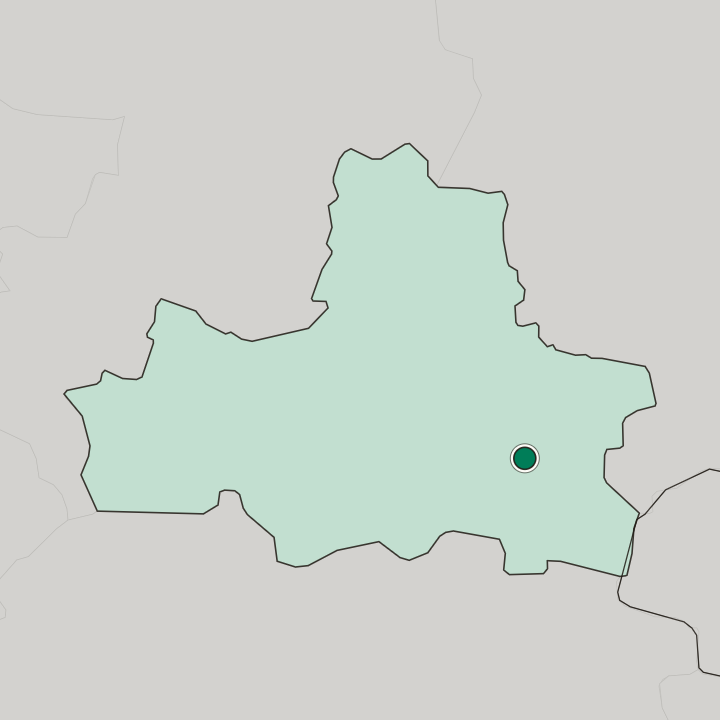
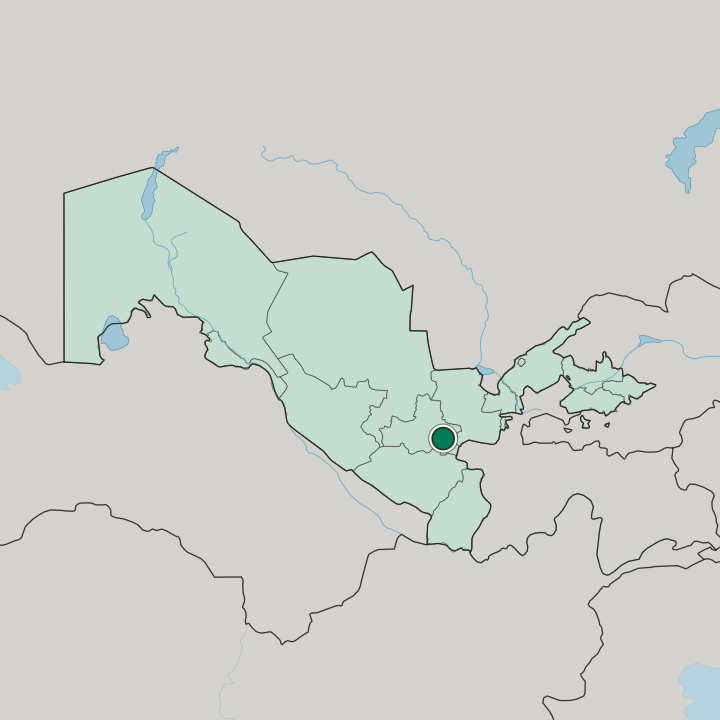
Samarkand sits on a plain in the Samarkand Region of Uzbekistan, ringed by the settlement mounds of Afrasiyab and the open country beyond. The city spreads across a broad valley floor, with the ancient site of Afrasiyab marking its northern edge and the modern districts of Kimyogarlar, Farhod and Khishrav filling the ground around the historic core. Level land runs to the horizon.
Roads and rail cross the plain to link the city with Bukhara and the wider region.
What is the climate of Samarkand?
Samarkand has a dry continental climate shaped by its inland position on the plain. Summers are long, hot and rainless, while winters turn cold and short over the valley floor. Spring passes quickly over the Samarkand plain.
Most of the year's moisture falls in the cooler months, leaving the surrounding country parched through the height of summer, when the heat settles over the Samarkand Region and the mounds of Afrasiyab.
How do you get to Samarkand?
Samarkand is reached by rail, road and air across the plain of the Samarkand Region. Fast trains link the city with the rest of Uzbekistan, and long-distance roads carry traffic on toward Bukhara and beyond. An airport serves the city.
From the stations and the main avenues, the historic core and the Afrasiyab site lie a short ride away, with the modern districts of Kimyogarlar and Farhod spread along the approach roads.
Common questions
What is the best area to stay in Samarkand?
Old Town: First visitors who want the tiled minarets and turquoise domes within walking distance. Modern districts: Travellers who prefer quiet evenings and space along the avenues to Kimyogarlar and Farhod.
Good for
Updated October 2026