Venezuela
Estado Apure, Venezuela — Towns & Travel Guide
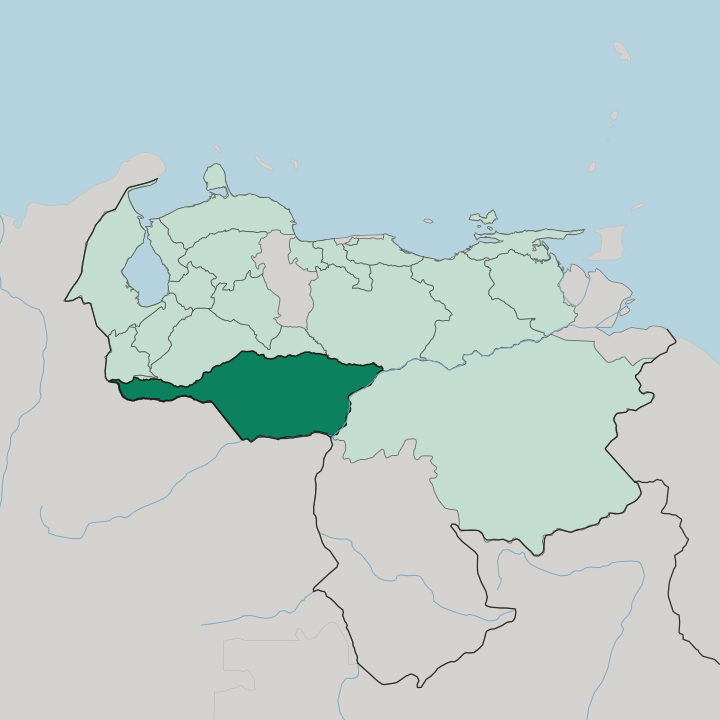
Apure, a state of Venezuela in the Los Llanos region, holds the borders the Constitution of 1909 finally gave it.
Hotel links are affiliate links: booking through them may earn us a commission, at no extra cost to you. It never affects how places are ranked. How this works


Towns & cities in Estado Apure
One town here has its own guide — it links to where to stay.
 Venezuela
San Fernando de Apure
San Fernando de Apure is a city of Apure State in Venezuela, standing on the Los Llanos plains and founded in 1788.Where to stay →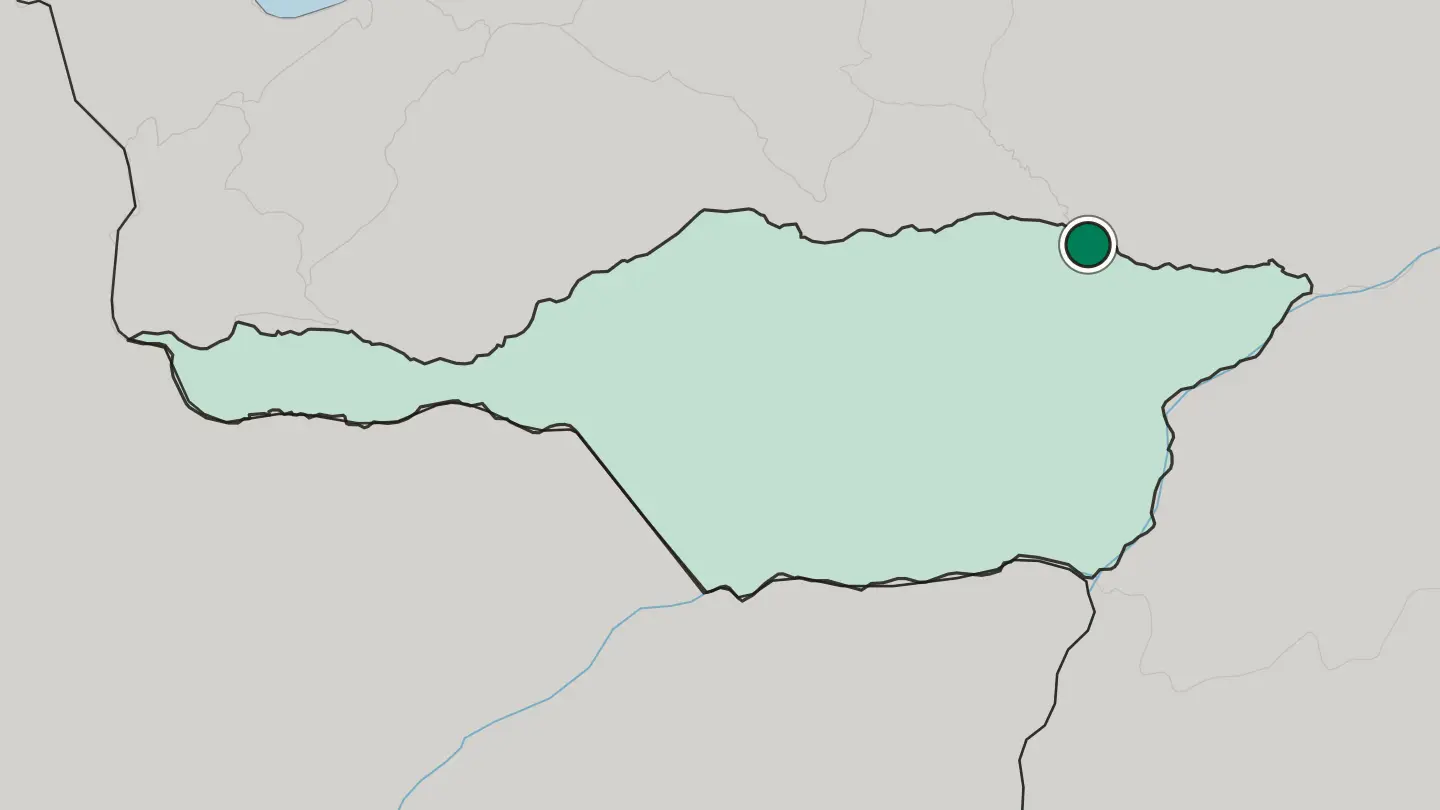
Hotel links are affiliate links: booking through them may earn us a commission, at no extra cost to you. It never affects how places are ranked. How this works
About Estado Apure
The borders took generations to settle.
What is Estado Apure known for?
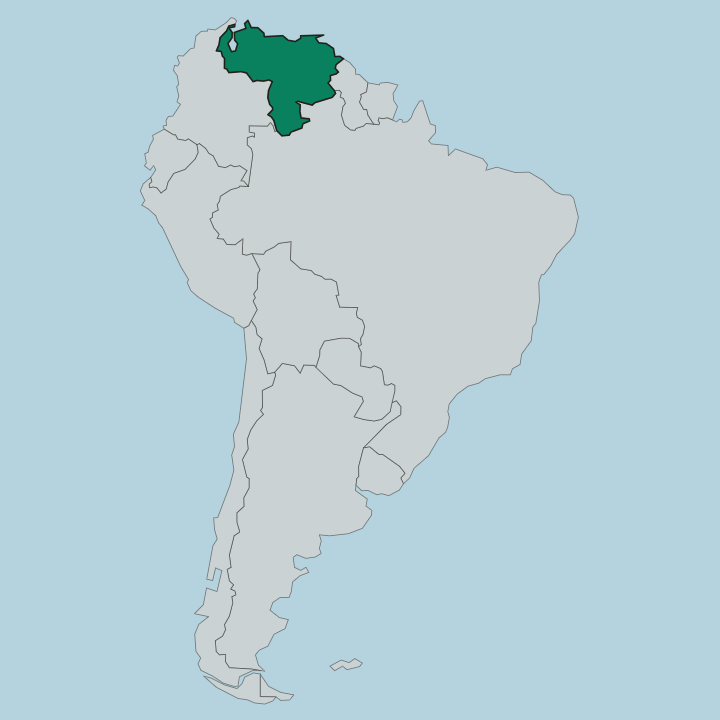
Apure's territory was once split between the provinces of Mérida, Maracaibo and Barinas, and only the Constitution of 1909 gave the state the outline it holds among the 23 states of Venezuela. Los Llanos is the setting. That region is how the state is placed on any map of the country, and it is the frame within which everything about Apure is usually described.
Where is Estado Apure?
Los Llanos accounts for all of it. Apure lies inside that region of Venezuela, and the state's own description names no mountain, no coast and no river, which leaves the regional term doing the whole work of placing it. The band is tropical.
A northern hemisphere position inside the tropical band gives Apure a year measured by wet and dry rather than by the swing between hot and cold, and the Los Llanos description is the only landscape word its record supplies. The boundary is a legal artefact. Apure's ground was distributed among the provinces of Mérida, Maracaibo and Barinas before any state of that name existed, and each successive ordinance moved the line until the Constitution of 1909 fixed it.
Barinas held it longest. The Department of Apure was created in 1824 under Barinas jurisdiction, separated from it as a province in 1856, and took the status of state in 1864. Guayana came next.
A territorial division of 1881 merged Apure and Guayana into a single state called Bolívar, an arrangement undone in 1899 when Apure recovered its autonomy, ten years before the borders were finally settled.
What is Estado Apure like?
Apure's identity is younger than its ground. The territory belonged in turn to Mérida, Maracaibo and Barinas before it carried a name of its own, so what the state shares is not one inheritance but three, layered by colonial ordinances that kept moving the line. The name arrived in stages.
It attached first to a department in 1824, then to a province in 1856, then to a state in 1864, and each step gave the place a little more of a separate character. Los Llanos does the naming. Apure is described through that region rather than through a city, and no town inside the state is named anywhere in the account that places it among the 23 states of Venezuela.
Bolívar was the alternative. For eighteen years from 1881, Apure and Guayana were administered together under that single name, and the reversal of 1899 restored a distinction the two had held before. The Constitution of 1909 closed the argument.
Whatever cultural weight the state carries has accumulated inside borders that are only as old as that document, on ground much older than the line drawn around it.
What is the history of Estado Apure?
Three provinces divided the ground. Mérida, Maracaibo and Barinas each held part of what is now Apure, under successive territorial ordinations issued by the colonial authorities. The Department of Apure followed in 1824.
Independence as a province came in 1856, statehood in 1864, absorption into Bolívar alongside Guayana in 1881, and the return of autonomy in 1899, before the Constitution of 1909 settled the borders that still stand.
What is the climate of Estado Apure?
Los Llanos governs the year here. Apure sits in the tropical band of the northern hemisphere inside that region, where the calendar divides into a wet half and a dry one rather than into four seasons of different temperature. The swing is in the water, not the heat.
Nothing in the state's description names a mountain or a coast to complicate the pattern, so what Los Llanos does to Apure is what the whole of the state gets.
How do you get to Estado Apure?
Barinas came first. The Department of Apure was administered from there for more than thirty years before the separation of 1856, and that older link still describes the way the state connects outward. Guayana marks the other side.
The two were held together as Bolívar between 1881 and 1899, so the crossing between them is one the administrative record has already had to define twice.
Common questions
What is the best area to stay in Estado Apure?
The Los Llanos interior: Stays inside the Los Llanos region Apure is described through. The Barinas border: Arrivals from Barinas, the province Apure separated from in 1856. The Guayana side: Trips that cross between Apure and the Guayana territory once joined to it.
More regions in Venezuela
Updated September 2026