Venezuela
Estado Carabobo, Venezuela — Towns & Travel Guide
Carabobo is a compact state in Venezuela's Central Region, with Valencia, the country's main industrial centre, as its capital.
Hotel links are affiliate links: booking through them may earn us a commission, at no extra cost to you. It never affects how places are ranked. How this works


Towns & cities in Estado Carabobo
Pick a town or city — each links to where to stay.
 Venezuela
Valencia
Valencia is a city of northern Venezuela, the capital of Carabobo and a great industrial town, set on a plain near the shores of Lake Valencia.Where to stay →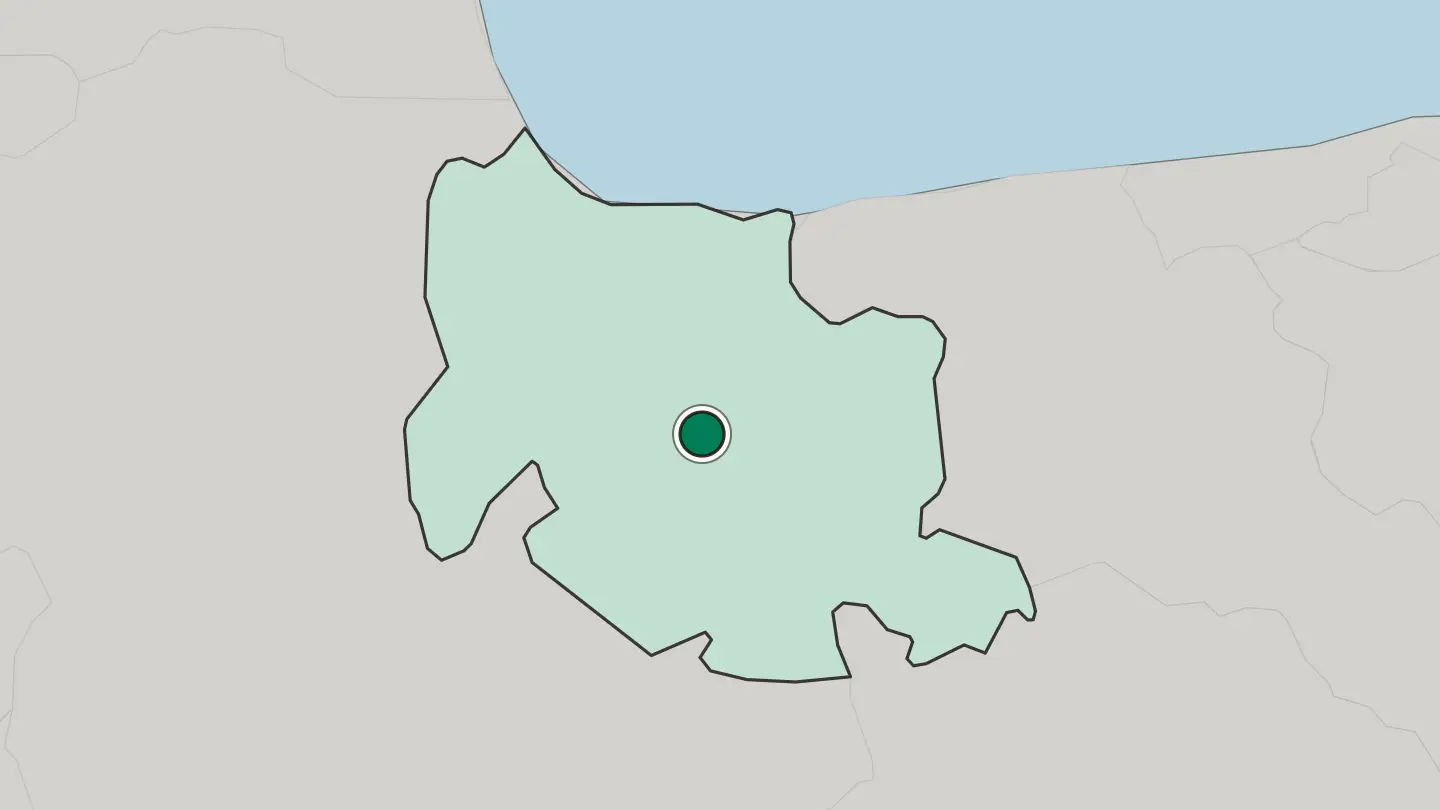
 Venezuela
Puerto Cabello
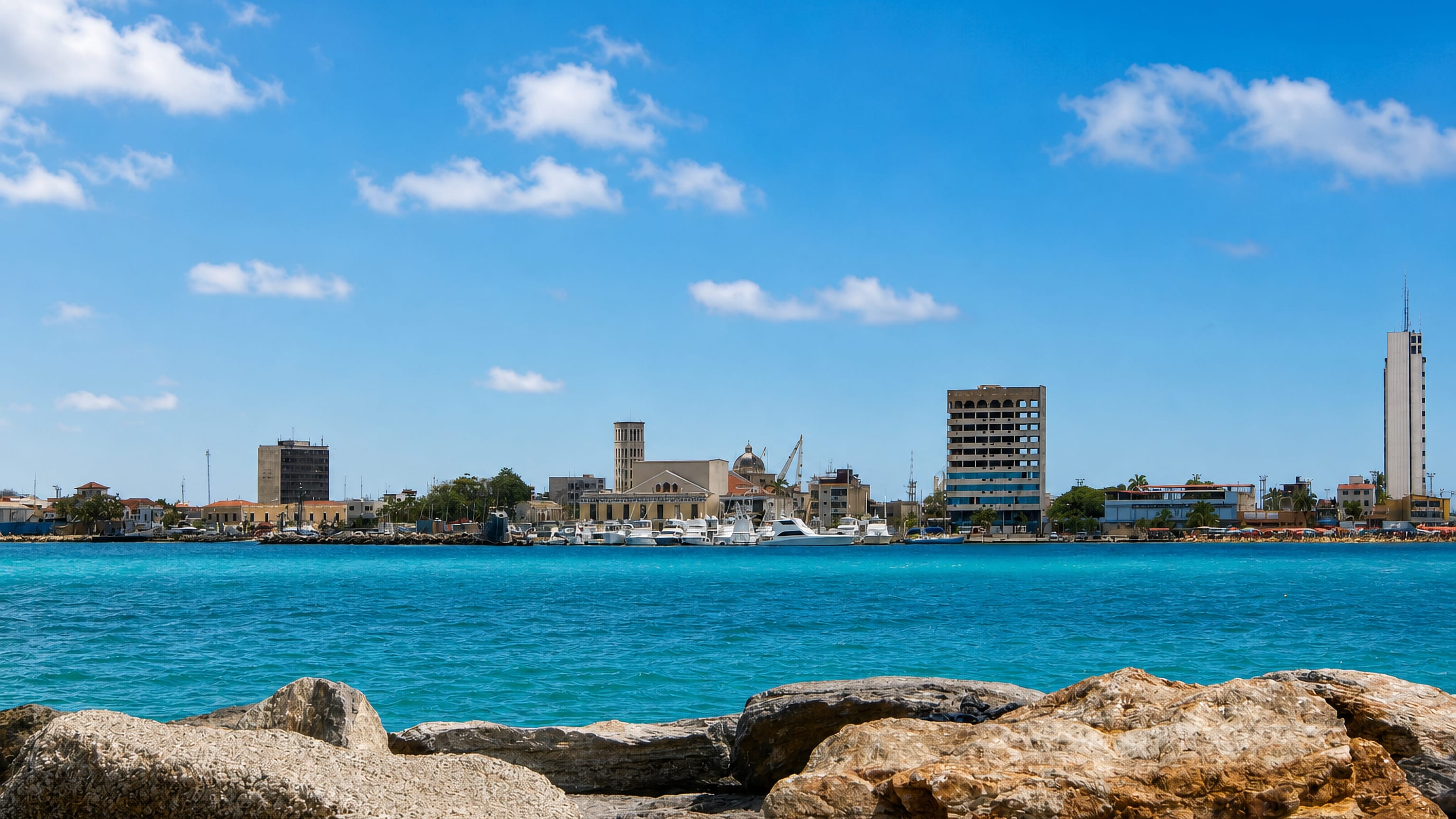
Puerto Cabello is the port city of Carabobo, whose calm sea gave Venezuela the tale of a ship moored to the dock by a single hair.Where to stay →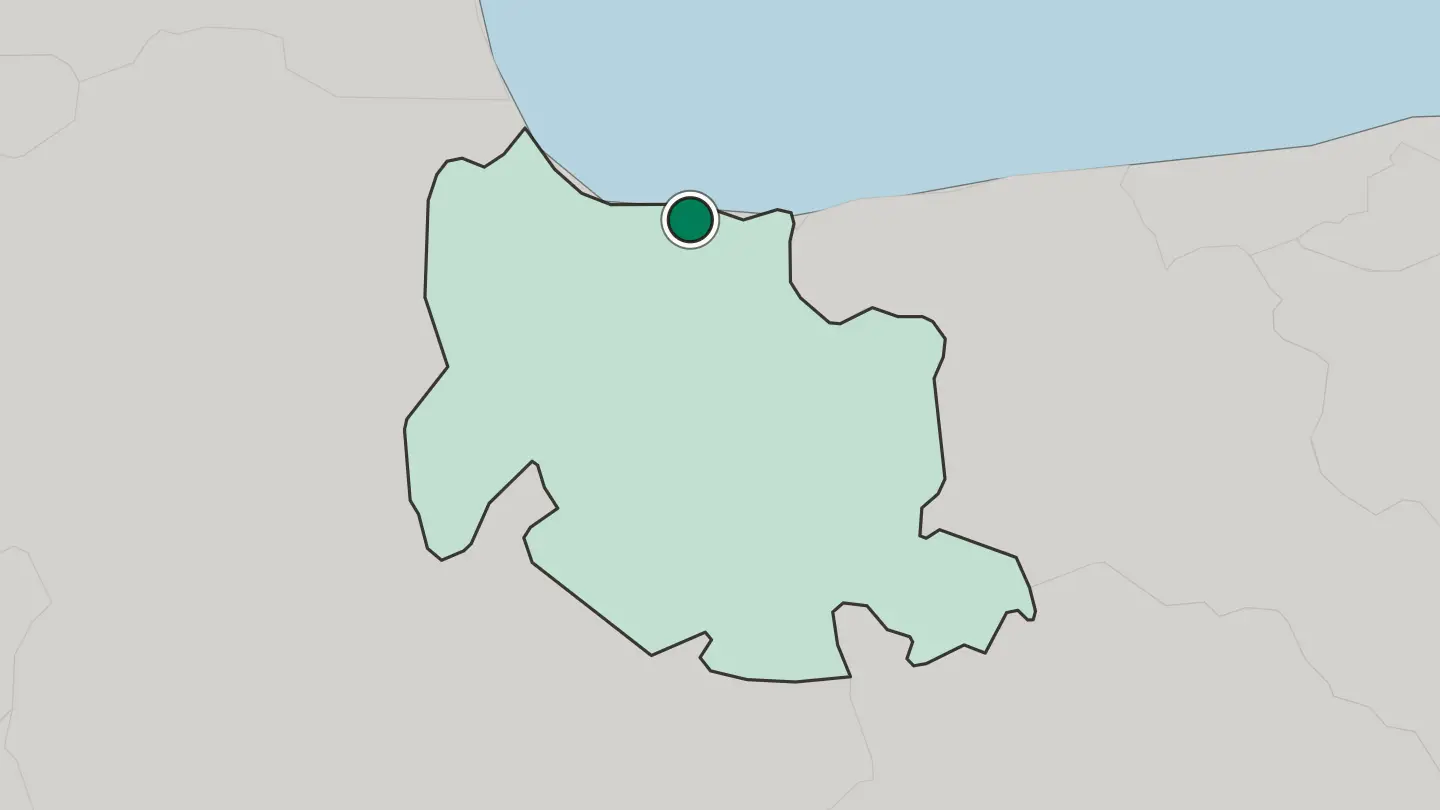
Hotel links are affiliate links: booking through them may earn us a commission, at no extra cost to you. It never affects how places are ranked. How this works
About Estado Carabobo
What is Estado Carabobo known for?
Valencia does the heavy lifting here, standing as the capital of Carabobo and as the principal industrial centre of Venezuela, which gives the state a working character rather than a purely administrative one. Caracas is about two hours away by car. That proximity ties Carabobo into the Central Region alongside Distrito Capital, Aragua, Miranda, and Vargas, and it makes the state an easy addition to any trip already based in the capital region.
The state is small.
Where is Estado Carabobo?
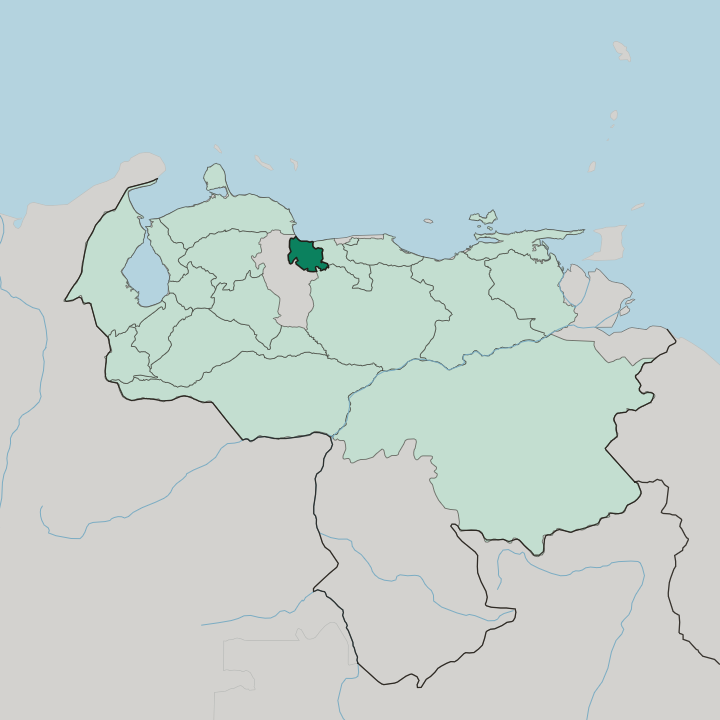
Carabobo is one of the small ones. Its area places it well down the list among Venezuela's 23 states, and the whole of it can be crossed inside the time a traveller in a larger state would spend getting clear of a single district. The Central Region gathers it in with Distrito Capital, Aragua, Miranda, and Vargas.
Those five units make up the Central Region of Venezuela, and Carabobo's position inside that grouping is what puts Caracas roughly two hours away by car. Proximity, not size, is what Carabobo trades on. Valencia occupies the centre of the state's working life.
The capital is also the main industrial centre of the country, which means the built-up ground around it accounts for a large share of what a small state contains, and the change from city to open country happens quickly on any road leading out. Carabobo sits in the tropics, north of the equator, so warmth is a constant rather than a season. Nothing in Carabobo lies far off.
A day out of Valencia can reach the far side of Carabobo and still leave time to cross into Aragua or push on toward Caracas before the light goes.
What is Estado Carabobo like?
Spanish is spoken across the state. Industry gives Carabobo a different texture from states built on farming or on tourism, because Valencia's standing as the principal industrial centre of Venezuela shapes what the state does on an ordinary weekday. Work, rather than sightseeing, brings most people through the state.
The record for Carabobo lists no monuments, no museums, and no named heritage sites, which is a real gap rather than a matter of emphasis, and it leaves Valencia's own scale as the main thing a visitor encounters. Valencia frames what visitors see. Carabobo has held its present form since 1864.
That long continuity has bound it tightly to its neighbours in the Central Region, Distrito Capital, Aragua, Miranda, and Vargas, and the short run to Caracas keeps the state well inside that grouping rather than apart from it. Valencia sets the tone. Whatever a traveller comes to Carabobo for, it is the capital's industry, its streets, and its position on the road toward Caracas that define the experience, and the smaller places of the state take their character from that.
Small state, one dominant city.
What is the history of Estado Carabobo?
Carabobo has stood as a state since 1864. The record gathered for it says little about what came before, beyond the fact that Valencia has served as capital and has become the country's principal industrial centre. Distrito Capital, Aragua, Miranda, and Vargas share the Central Region with it.
Carabobo's file holds little more. A traveller looking for the older layers of Carabobo will have to find them on the ground in Valencia, because the written record assembled here does not supply them.
What is the climate of Estado Carabobo?
Carabobo shares the Central Region's climate with Distrito Capital, Aragua, Miranda, and Vargas, all of them lying within the tropics north of the equator, which sets a warm year without a cold season to break it. Valencia feels it most. Built-up ground holds heat that open country sheds, so the industrial capital runs warmer through the afternoon than the smaller places around it.
The state's small extent keeps conditions consistent from one edge to the other, with none of the internal variation that a larger Venezuelan state has to account for.
How do you get to Estado Carabobo?
Caracas is about two hours from Carabobo by car, which makes the road the obvious way in and Valencia the obvious place to aim for. The drive is short. Travellers already moving through the Central Region can add Carabobo without rearranging a route, since Aragua, Miranda, Vargas, and Distrito Capital all sit within the same grouping and the distances between them are modest.
No rail line or terminal is named on the record for the state.
Common questions
What is the best area to stay in Estado Carabobo?
Valencia: the Carabobo capital and Venezuela's main industrial centre, where the state's choice of rooms sits. Carabobo beyond Valencia: quiet nights within a short drive of the Carabobo capital and the Central Region towns.
More regions in Venezuela
Updated September 2026