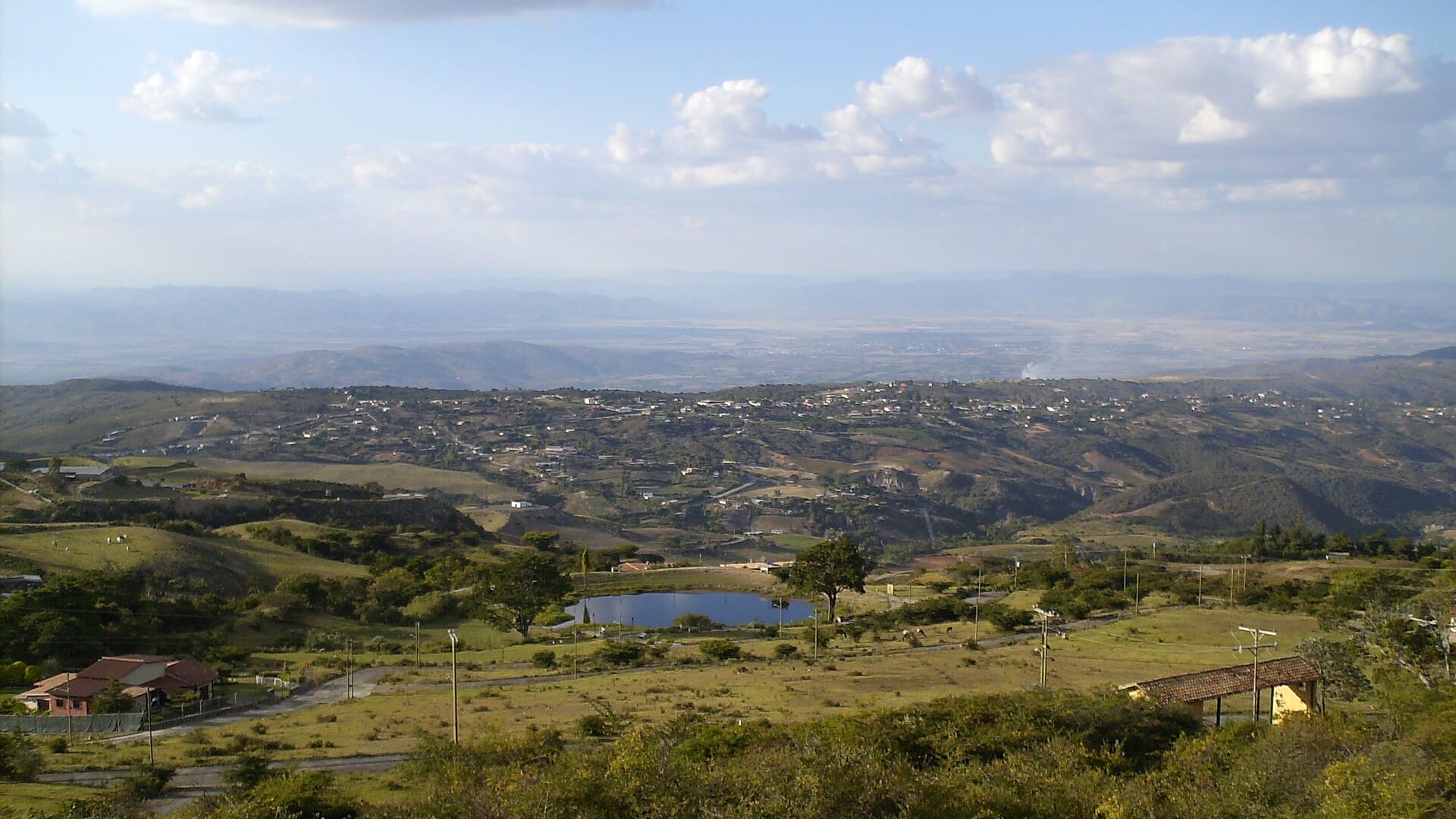
Venezuela
Estado Portuguesa, Venezuela — Towns & Travel Guide
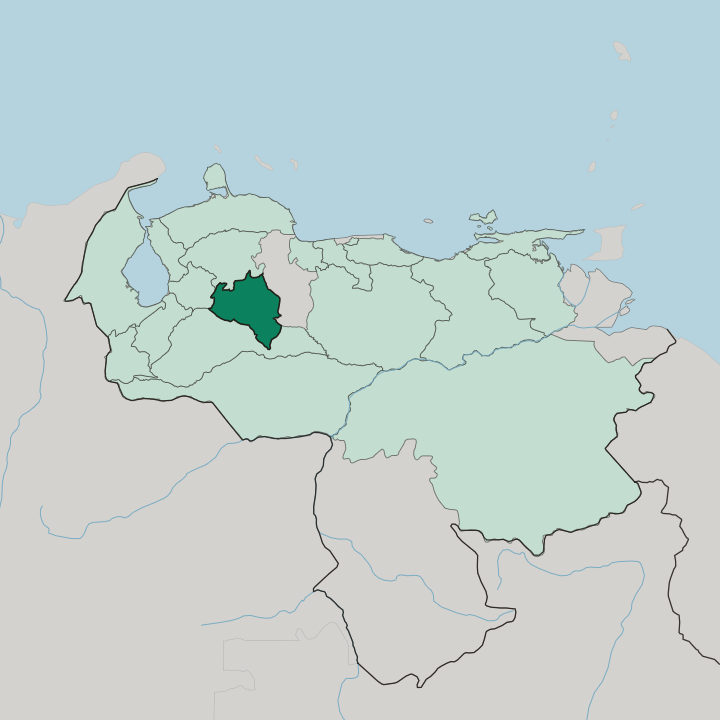
Estado Portuguesa is the farming state often called the breadbasket of Venezuela, bordered by Lara, Cojedes, Trujillo and Barinas.
Hotel links are affiliate links: booking through them may earn us a commission, at no extra cost to you. It never affects how places are ranked. How this works


Towns & cities in Estado Portuguesa
Pick a town or city — each links to where to stay.
 Venezuela
Acarigua
Acarigua stands on the Portuguesa plains of northwestern Venezuela, founded in 1620 under the name San Miguel de Acarigua.Where to stay →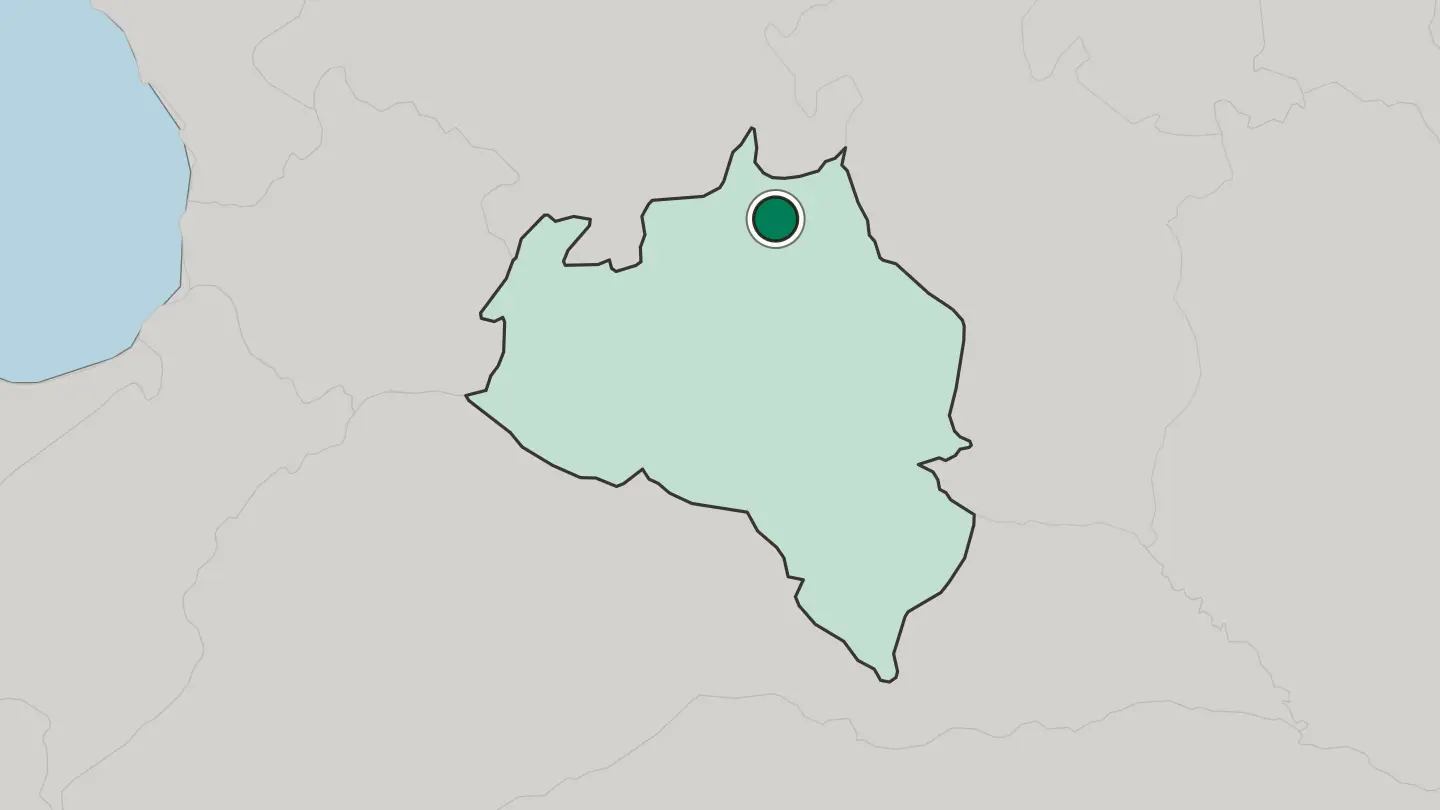
 Venezuela
Guanare
Guanare, capital of Portuguesa State in Venezuela, was founded in 1591 and is tied to the Virgen de Coromoto.Where to stay →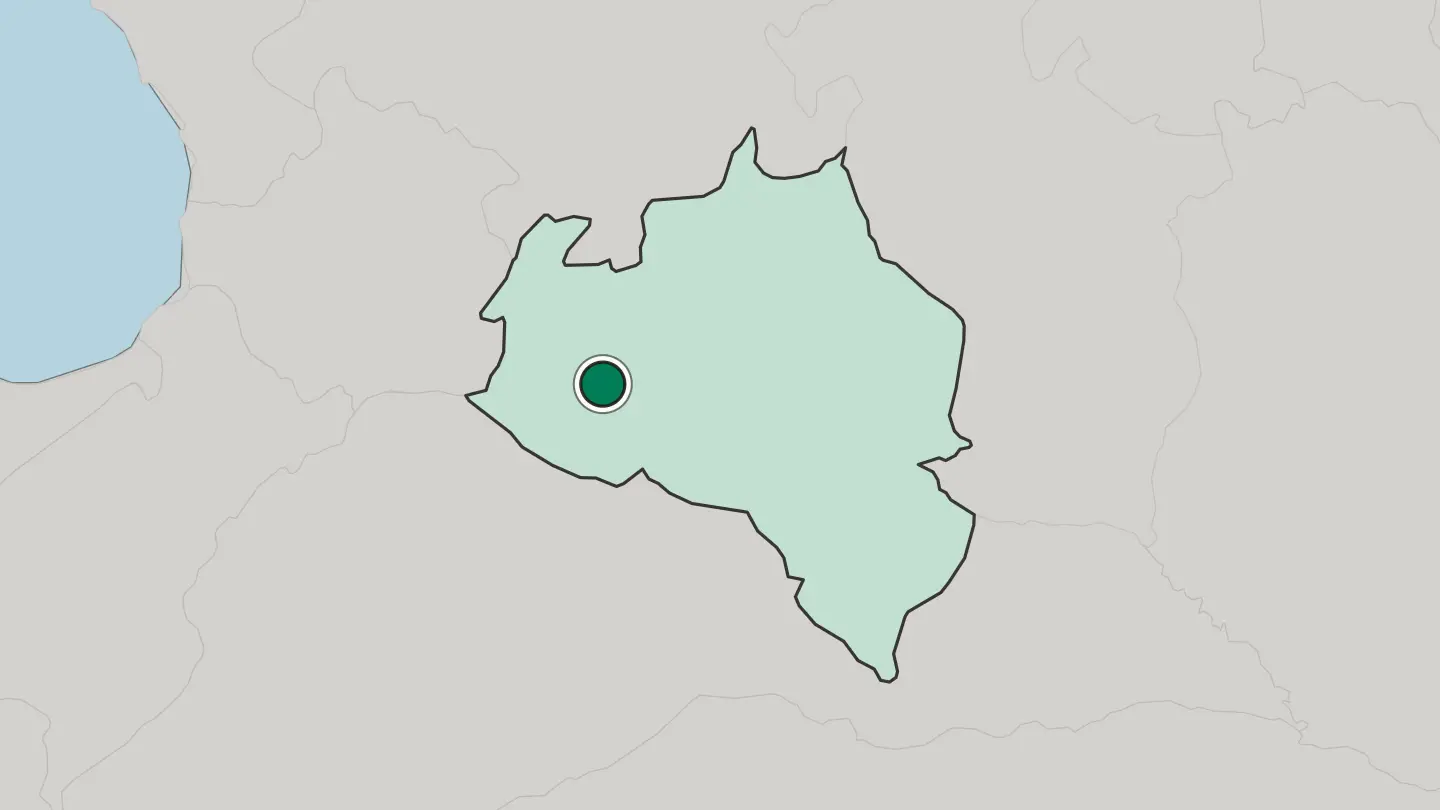
Hotel links are affiliate links: booking through them may earn us a commission, at no extra cost to you. It never affects how places are ranked. How this works
About Estado Portuguesa
Farmland is the reason.
What is Estado Portuguesa known for?
Estado Portuguesa turns out a large share of the country's agricultural produce, and that output is why it is often called the breadbasket of Venezuela rather than described by any single town or landmark. Four states enclose it. Lara lies to the north, Cojedes to the east, Trujillo to the west and Barinas to the south.
Where is Estado Portuguesa?
Four neighbours frame the state. Estado Portuguesa is bordered by Lara to the north, by Cojedes to the east, by Trujillo to the west and by Barinas to the south, which fixes its outline without any coastline or national frontier to help. Nothing here reaches the sea.
The state sits inland among those four, one of the 23 states of Venezuela, and its ground is the agricultural land that has earned it the name breadbasket of Venezuela. The tropics set the base condition. Estado Portuguesa lies within the tropical band and north of the equator, so the year is organised less by a swing between cold and warm than by the alternation of wetter and drier stretches.
Farmland covers most of it. Large quantities of agricultural produce come off the state, and a landscape given over to that work reads differently from a mountain state or a coastal one, since cultivation rather than relief or shoreline shapes what a traveller sees. Trujillo marks the western limit.
Barinas takes over to the south, Cojedes to the east and Lara to the north, so every road leaving Portuguesa enters one of those four states rather than another country or the sea.
What is Estado Portuguesa like?
Spanish runs the state. Estado Portuguesa belongs to Venezuela, and Spanish is the language of its offices, its markets and the traffic that carries produce out towards Lara, Cojedes, Trujillo and Barinas. Work here is agricultural.
A state supplying a large part of the country's food tends to order its year around planting and harvest rather than around a visiting season, and that ordering is the plainest cultural fact Estado Portuguesa carries. Statehood arrived in 1909. The state has held its place among the 23 states of Venezuela since that year, and the boundaries it shares with its four neighbours have framed it throughout.
The breadbasket label sticks. Being called the breadbasket of Venezuela is a description of what the ground produces rather than a slogan hung on the state, and the phrase carries more information about the place than the name Portuguesa does. Neighbours matter to the culture too.
Four state boundaries mean four directions of exchange, and a place enclosed by Lara, Cojedes, Trujillo and Barinas is shaped by the traffic across those lines as much as by anything internal to it.
What is the history of Estado Portuguesa?
Statehood dates to 1909. Estado Portuguesa entered the roll of Venezuelan states in that year, taking the boundaries it still shares with Lara, Cojedes, Trujillo and Barinas. One thing outlasts the dates.
Portuguesa is counted among the 23 states of Venezuela, and the description that attaches to it, breadbasket of the country, rests on what the land produces rather than on anything a founding year settled.
What is the climate of Estado Portuguesa?
The tropics govern the calendar. Estado Portuguesa lies inside the tropical band and north of the equator, so what changes through its year is the amount of water arriving rather than any large swing in warmth. Farming reads that calendar closely.
A state producing agricultural goods on the scale Portuguesa does takes its working rhythm from the wet and dry halves of a tropical year, and the same rhythm decides when its roads towards Barinas and Lara run easily.
How do you get to Estado Portuguesa?
Every road in comes from a neighbour. Estado Portuguesa has no coast and no international frontier, so arrival is overland from Lara in the north, Cojedes in the east, Trujillo in the west or Barinas in the south. The direction chosen shapes the trip.
Coming in from Trujillo puts the western boundary first, while an approach through Barinas or Cojedes crosses the agricultural plain that gives Portuguesa its standing in Venezuela.
Common questions
What is the best area to stay in Estado Portuguesa?
The Lara boundary: Stopping where the Portuguesa farmland runs up to Lara. The Barinas edge: A southern base pointed at the Barinas crossing. The Trujillo flank: Nights where Portuguesa's cropland meets the Trujillo boundary.
More regions in Venezuela
Updated September 2026