Venezuela
Estado Guárico, Venezuela — Towns & Travel Guide
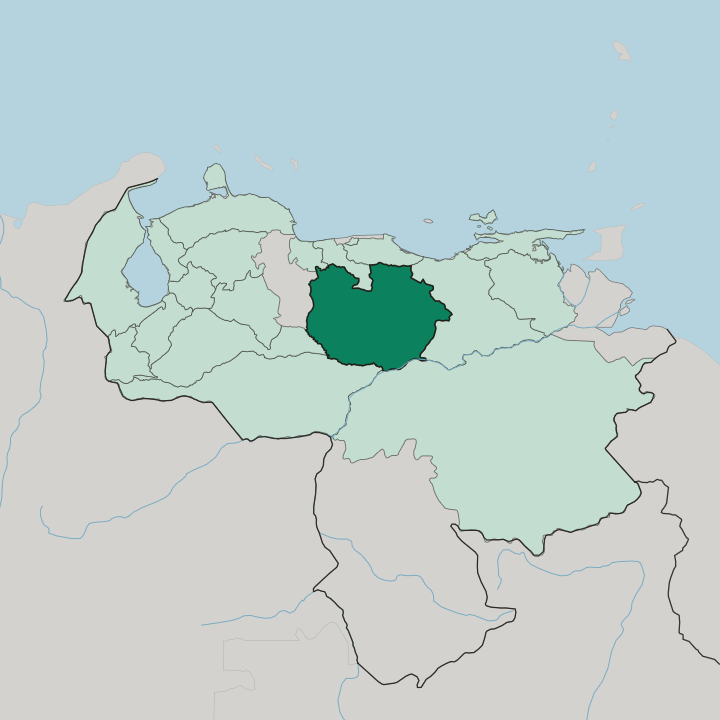
Guárico is a Venezuelan state named for the Guárico River, with San Juan de Los Morros as its capital and Calabozo as its largest city.
Hotel links are affiliate links: booking through them may earn us a commission, at no extra cost to you. It never affects how places are ranked. How this works


Towns & cities in Estado Guárico
Pick a town or city — each links to where to stay.

 Venezuela
Calabozo
Calabozo sits in the center-west of Guárico, a rice-growing city founded in 1724 as Villa de Todos los Santos de Calabozo.Where to stay →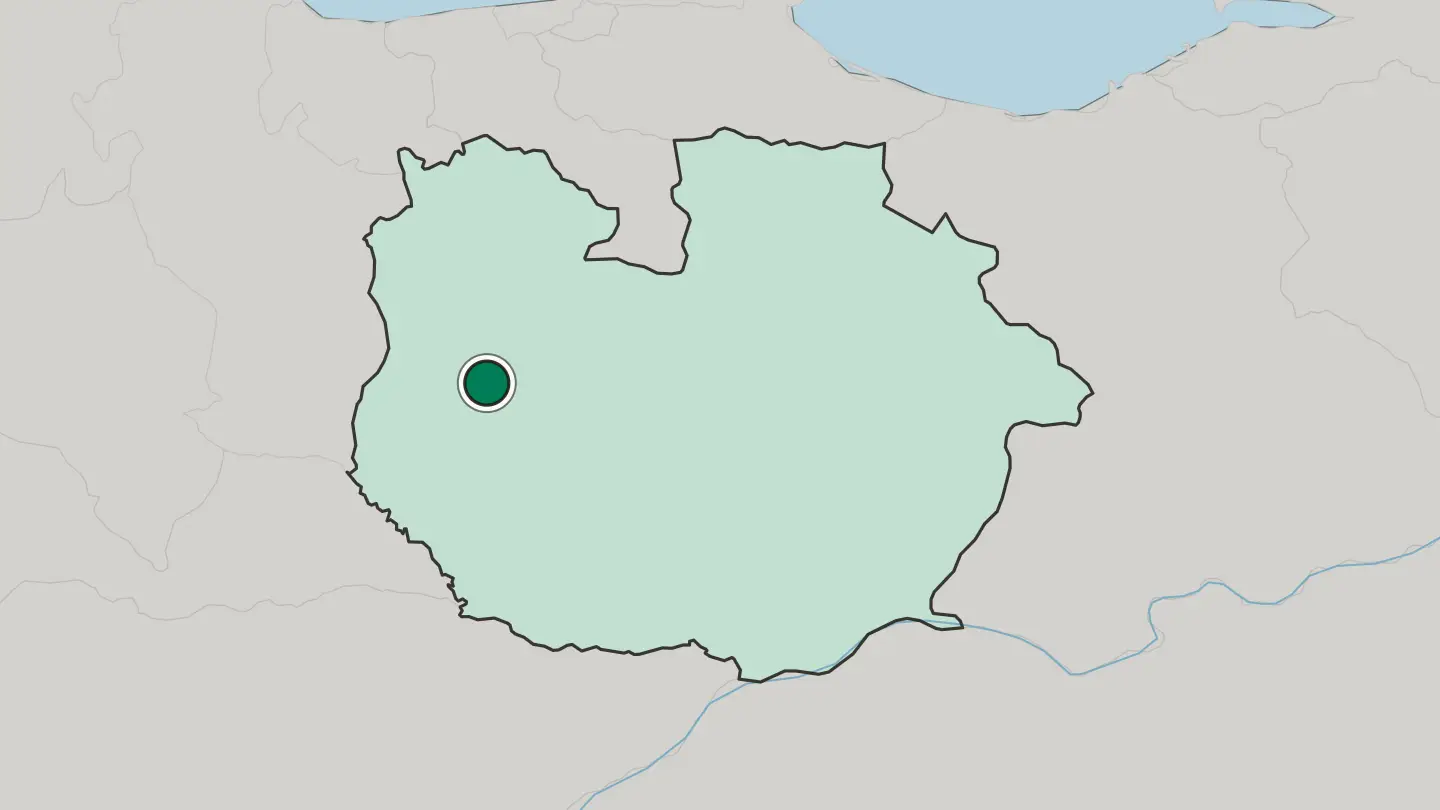
 Venezuela
San Juan de los Morros
San Juan de los Morros, capital of Guárico State in Venezuela, was founded in 1780 in country where mountains prevail.Where to stay →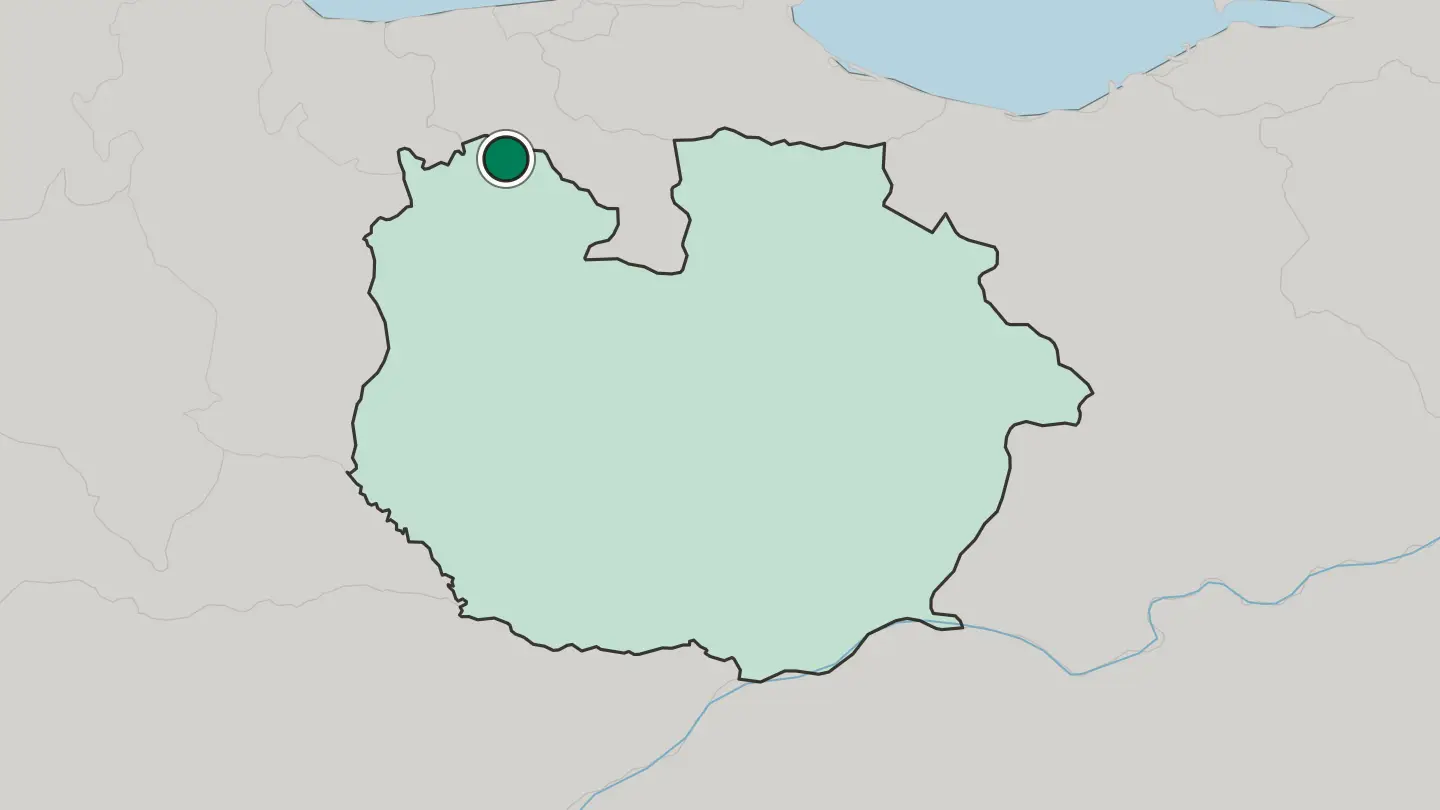
Hotel links are affiliate links: booking through them may earn us a commission, at no extra cost to you. It never affects how places are ranked. How this works
About Estado Guárico
The river gave the state its name.
What is Estado Guárico known for?
Guárico is called after the Guárico River, and its administrative seat at San Juan de Los Morros is not its largest place, since Calabozo holds that position while Valle de la Pascua and Zaraza count as centres in their own right. Four names, no single centre. The state came into being in 1900 and covers a wide spread of country.
Where is Estado Guárico?
The Guárico River runs through the state that bears its name. That river is the one natural feature the record attaches to Guárico, and a state named for its water rather than for a mountain or a coast tells a traveller something about the ground it covers. The state is wide.
Its territory takes in a considerable share of Venezuela, enough that San Juan de Los Morros, Calabozo, Valle de la Pascua, and Zaraza sit at real distances from one another rather than clustered in a single corner. Guárico lies inside the tropics, north of the equator, which fixes the terms of its year. Open country is what the state is known for, described in the sources as ground where a visitor can get clear of built-up places, and that quality is bound up with the river and the distances rather than with any settlement.
The sources emphasise that openness. Calabozo, as the largest city, gives the clearest sense of what a settlement in Guárico amounts to, while the smaller centres at Valle de la Pascua and Zaraza show how thinly the state's towns are spaced across it. Getting from one of those towns to the next takes real driving.
What is Estado Guárico like?
Spanish is spoken throughout Guárico. It carries daily life in San Juan de Los Morros, in Calabozo, and in the smaller centres at Valle de la Pascua and Zaraza, with no other language recorded for the state. The sources describe Guárico as somewhere people go to be near open country and away from the pressure of built-up living, which is an unusual thing for a record to say about an administrative unit.
That framing sticks. It positions the state as a place to be in rather than a place to see, and it explains why the record lists no monument, gallery, or festival anywhere across Guárico. Four towns share the state's public life.
San Juan de Los Morros holds the government while Calabozo holds the greater weight of ordinary business, and Valle de la Pascua and Zaraza each carry enough to be named alongside them, which spreads Guárico's civic life across a wide area instead of concentrating it. The Guárico River runs under all of it. A state that took the river's name in 1900 keeps that water at the centre of how it identifies itself, whatever the towns along its length happen to be doing.
What is the history of Estado Guárico?
Guárico became a state in 1900. The arrangement settled then has held since: San Juan de Los Morros as the capital, with Calabozo the larger city, and Valle de la Pascua and Zaraza recognised as centres in their own right. Older than all of it is the Guárico River.
The state took its name from that water rather than from a person or an event, which is the whole of what the record sets down about how Guárico came to be called what it is.
What is the climate of Estado Guárico?
The Guárico River is the agent to watch here, since a state named for its water takes its seasons from what that river does through the year rather than from any change in elevation. Guárico sits well inside the tropics, north of the equator. Heat stays with you all year.
Conditions at Calabozo and at San Juan de Los Morros differ less from each other than either differs between the wet part of the year and the dry, which is the division that matters for planning a trip across the state.
How do you get to Estado Guárico?
Roads do the work in Guárico. No rail line or terminal is named for the state, so arrivals come by road into San Juan de Los Morros or Calabozo, and the two of them serve as the practical entry points for anyone approaching from elsewhere in Venezuela. Valle de la Pascua and Zaraza sit along the routes between them.
Crossing Guárico is a matter of stages rather than a single run, and those two centres are where a driver breaks the distance.
Common questions
What is the best area to stay in Estado Guárico?
Calabozo: the largest city in Guárico, and the widest choice of rooms the state offers. San Juan de Los Morros: business with the Guárico state government, settled at its seat rather than in Calabozo. Valle de la Pascua and Zaraza: overnight stages broken across the width of Guárico between its named centres.
More regions in Venezuela
Updated September 2026