Vietnam · Ho Chi Minh City (HCMC) · Ho Chi Minh City
Hóc Môn, Ho Chi Minh City — Area Guide & Where to Stay
Hóc Môn is the taro-named northwest edge of Ho Chi Minh City, home ground of the Eighteen Betel Villages.
Hotel links are affiliate links: booking through them may earn us a commission, at no extra cost to you. It never affects how places are ranked. How this works


Where to stay in Hóc Môn
How the choice of base plays out on the ground.
Hóc Môn is a working suburb of Ho Chi Minh City rather than a hotel quarter, and rooms are thin. Most visitors sleep in the central city and ride out along Quốc lộ 22 for the day, pausing at Bà Điểm among the Eighteen Betel Villages before turning back toward Củ Chi and the tunnels beyond. The township core clusters near the market.
Base yourself downtown.
Find hotels in Hóc Môn
Direct booking searches for these neighbourhoods.
Bà Điểm
The betel-garden commune at the core of the Eighteen Betel Villages, where the 1940 Nam Kỳ Uprising took root and roadside guesthouses stand a short hop off Quốc lộ 22. Lodging is scarce in this area; reserve in advance.Find hotels in Bà Điểmdrivers breaking the run out to Củ ChiTrung Chánh
The commune straddling Quốc lộ 22 where the highway funnels traffic north toward Củ Chi, a plain and practical roadside stop rather than a sightseeing quarter. Lodging is scarce in this area; reserve in advance.Find hotels in Trung ChánhHotel links are affiliate links: booking through them may earn us a commission, at no extra cost to you. It never affects how places are ranked. How this works
About Hóc Môn
What are the main landmarks in Hóc Môn?
The district's fame rests on its betel gardens. Bà Điểm anchors the Eighteen Betel Villages, the historic band of hamlets whose betel-and-areca trade gave the area its old name and whose farmers backed uprising after uprising against colonial rule. At Giồng the colonial firing squads executed Nguyễn Thị Minh Khai, Võ Văn Tần and Nguyễn Văn Cừ.
The Nam Kỳ Uprising is remembered here. Memory sits close.
What is the history of Hóc Môn?
Hóc Môn began as taro swamp. Settlers fleeing the Trịnh-Nguyễn War cleared its wild, tiger-haunted ground between 1698 and 1731, and the taro that filled the marshy hollows gave the place its name, the corner of taro. The Eighteen Betel Villages grew from those first hamlets.
In 1940 the Nam Kỳ Uprising broke out across Bà Điểm and its neighbours, and the colonial reprisals that followed are commemorated at Giồng. Rebellion runs deep here.
Where is Hóc Môn?
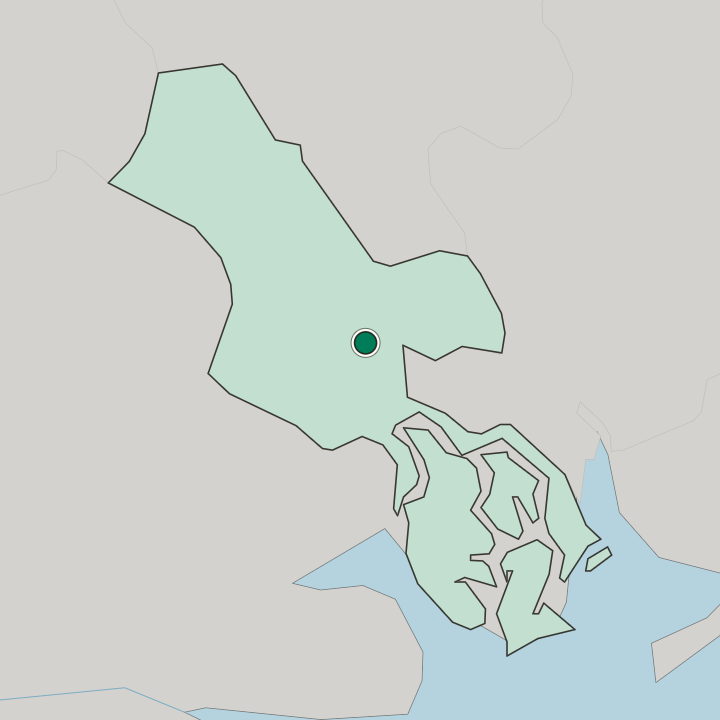
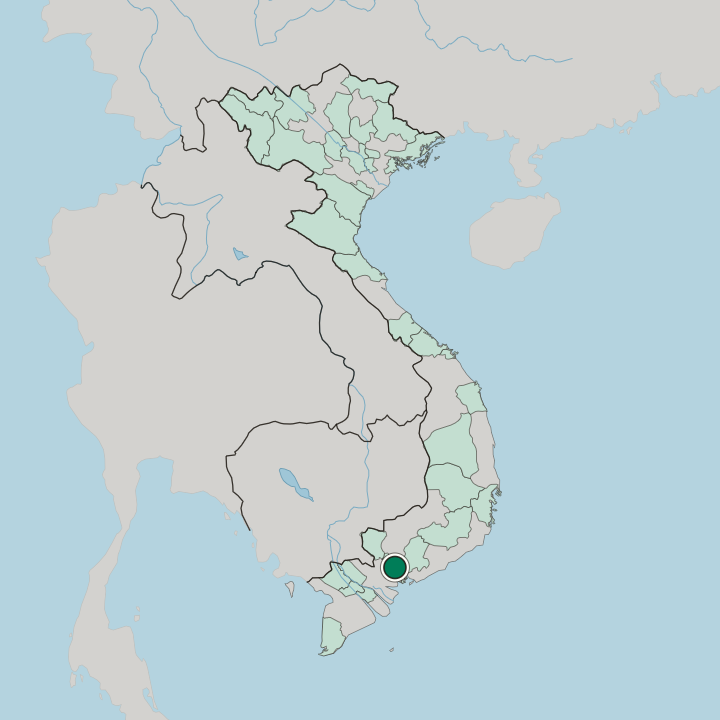
Hóc Môn spreads across flat alluvial farmland on the northwest edge of Ho Chi Minh City, bordering Củ Chi to the north and District 12 to the south, with Quốc lộ 22 cutting through toward Củ Chi and Bà Điểm sitting where the betel gardens meet the highway.
Common questions
What is the best area to stay in Hóc Môn?
Bà Điểm: history walkers tracing the betel-village revolt. Trung Chánh: drivers breaking the run out to Củ Chi.
More areas in Ho Chi Minh City
Updated September 2026