Kosovo · Pristina District
Where to Stay in Pristina, Pristina District
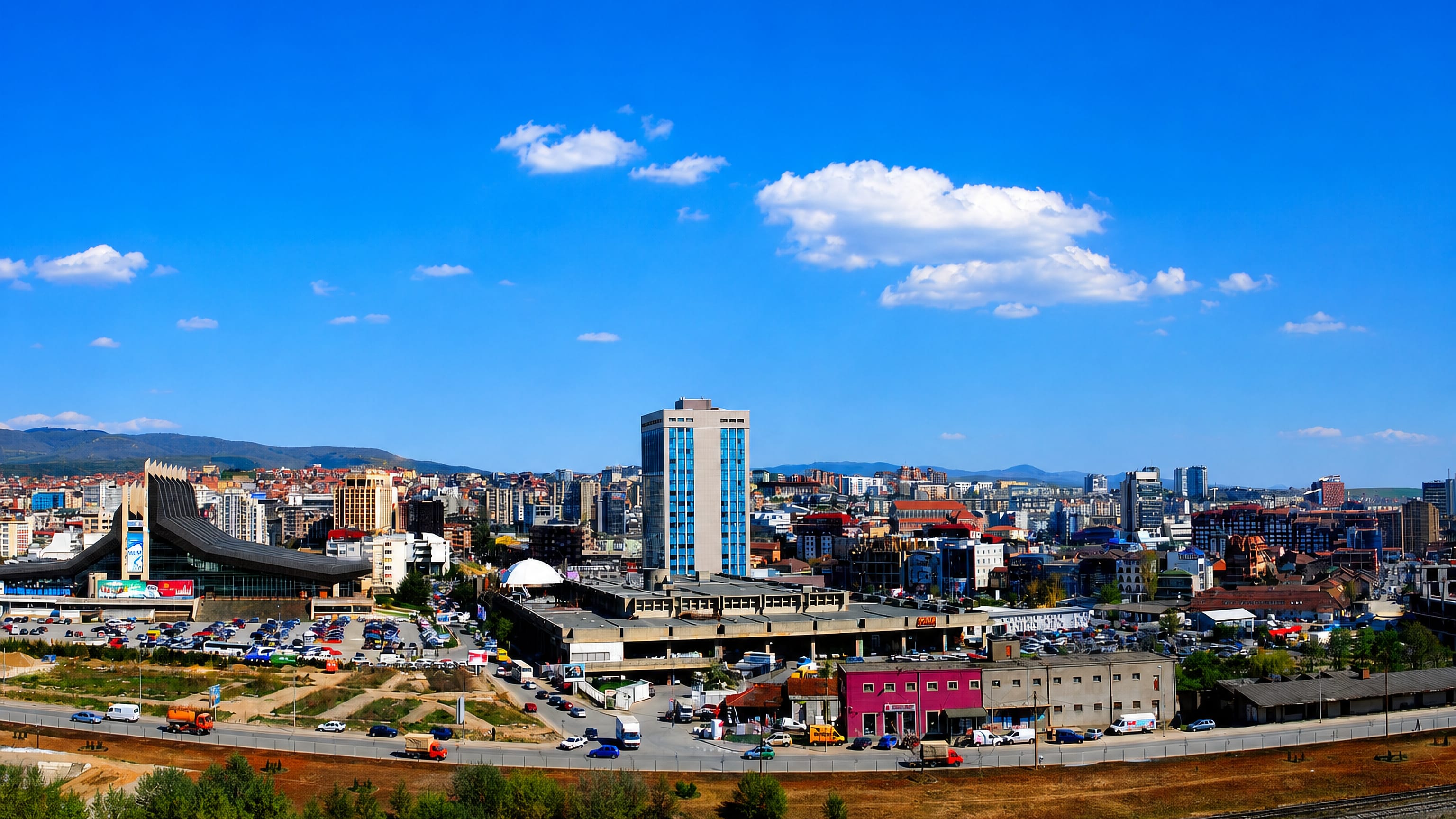
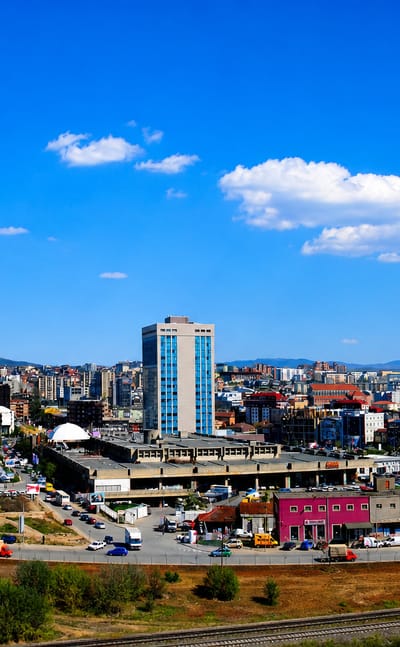
Minarets and concrete towers share the skyline of Pristina, the capital of Kosovo, known for the National Library of Kosovo and its old bazaar quarter.
Hotel links are affiliate links: booking through them may earn us a commission, at no extra cost to you. It never affects how places are ranked. How this works


Where to stay in Pristina
Each area has its own feel; here's who each one suits.
 PristinaKosovo
Bregu i Diellit
Flats step up a long slope at Bregu i Diellit, a district of Pristina drawn into the city's 1962 plan and known also as Kodra e Diellit.Where to stay →PristinaKosovoDardania
Stone and glass paving lights the covered street under the Kurrizi in Dardania, a planned district of Pristina begun in 1974 around a raised spine.Where to stay →PristinaKosovoKalabria
Coach platforms and customs yards edge Kalabria, a southwest quarter of Pristina long called Emshir and holding the Kosovo Customs headquarters.Where to stay →Hotel links are affiliate links: booking through them may earn us a commission, at no extra cost to you. It never affects how places are ranked. How this works
Find hotels in Pristina
Direct booking searches for these neighbourhoods.
Central boulevard core
the blocks around the National Library of Kosovo, the Cathedral of Saint Mother Teresa in Pristina, and the Newborn monument put the museums and the main boulevard within a few minutes on footFind hotels in Central boulevard coretravellers wanting the Ottoman-era texture of the historic lanesOld bazaar quarter
the streets around the Bazaar Mosque in Pristina, the Jashar Pasha Mosque, and the Prishtina Clock Tower keep the narrow old grain of the town beside the Hamami i MadhFind hotels in Old bazaar quarterHotel links are affiliate links: booking through them may earn us a commission, at no extra cost to you. It never affects how places are ranked. How this works
Things to do in Pristina
Ranked by global recognition; descriptions from Wikidata (CC0).
Museums & Galleries
2- National Museum of Kosovo Heritage
- National Gallery of Kosovo
Churches & Religious Sites
3- King's Mosque in Pristina Heritage
- Bazaar Mosque in Pristina Heritage
- Pirinaz Mosque Heritage
Castles & Historic Sites
3- Gjurmë të minierave antike në "Majën e Mprehtë" Heritage
- Newborn monument
- Skanderbeg Monument
Landmarks & Notable Places
1- Shadërvan Heritage
worth knowingacross 4 categories in Pristina
About Pristina
What is Pristina known for?
Pristina is known for a skyline that gathers eras side by side. The domed and lattice-clad National Library of Kosovo stands as its most photographed building, while the Cathedral of Saint Mother Teresa in Pristina rises nearby with the Newborn monument close at hand. Ottoman heritage runs deep.
The Bazaar Mosque in Pristina, the Jashar Pasha Mosque, and the King's Mosque in Pristina anchor the old core beside the Prishtina Clock Tower, and the National Museum of Kosovo keeps the record of the surrounding district.
What are the main landmarks in Pristina?
The landmarks of Pristina range from Ottoman mosques to modernist civic buildings. The National Library of Kosovo is the most distinctive of the newer structures, and the Cathedral of Saint Mother Teresa in Pristina and the Newborn monument stand not far off. Older stone marks the centre too.
The Bazaar Mosque in Pristina, the Jashar Pasha Mosque, the King's Mosque in Pristina, and the Pirinaz Mosque gather near the Prishtina Clock Tower and the Hamami i Madh, while the National Museum of Kosovo, the National Gallery of Kosovo, and the Skanderbeg Monument round out the collections and squares of the district.
What is the history of Pristina?
Pristina carries centuries of Ottoman heritage in its oldest streets. The town grew as a market and administrative settlement under Ottoman rule, and the mosques of that age still stand at its heart. The King's Mosque in Pristina, the Jashar Pasha Mosque, and the Bazaar Mosque in Pristina date from those centuries, and the Prishtina Clock Tower and the Hamami i Madh survive from the same long era of trade and religious life.
This was a bazaar town for generations. Later centuries layered new forms over the old core. Communist-era planning brought concrete blocks and wide boulevards, and the striking National Library of Kosovo rose in that modern age beside the older quarters.
The Skanderbeg Monument and the National Museum of Kosovo gather the civic memory of the surrounding district, while the Newborn monument stands among the most recent additions to the squares of the capital of Kosovo. Across all of it, the Ottoman bazaar streets and the mosques remain the deepest layer of the town, the ground on which every later Pristina was built.
Where is Pristina?
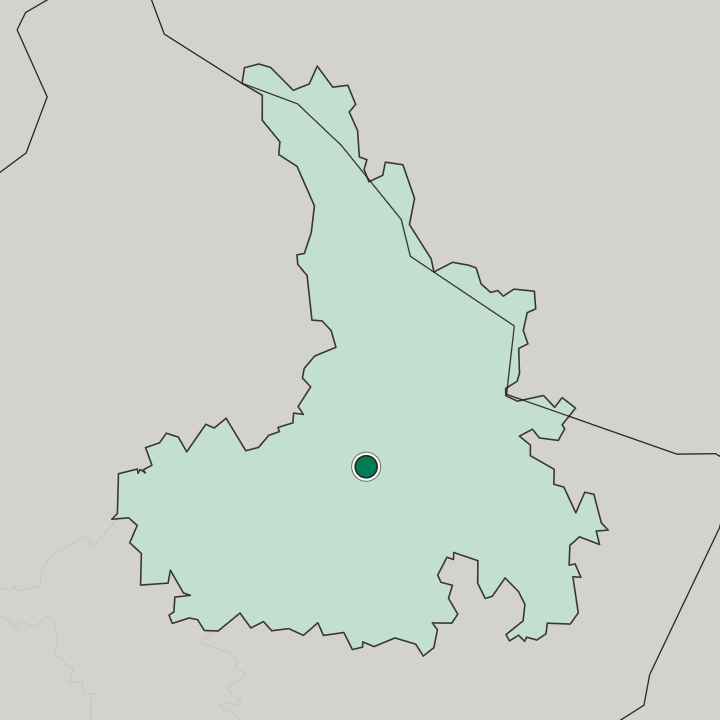
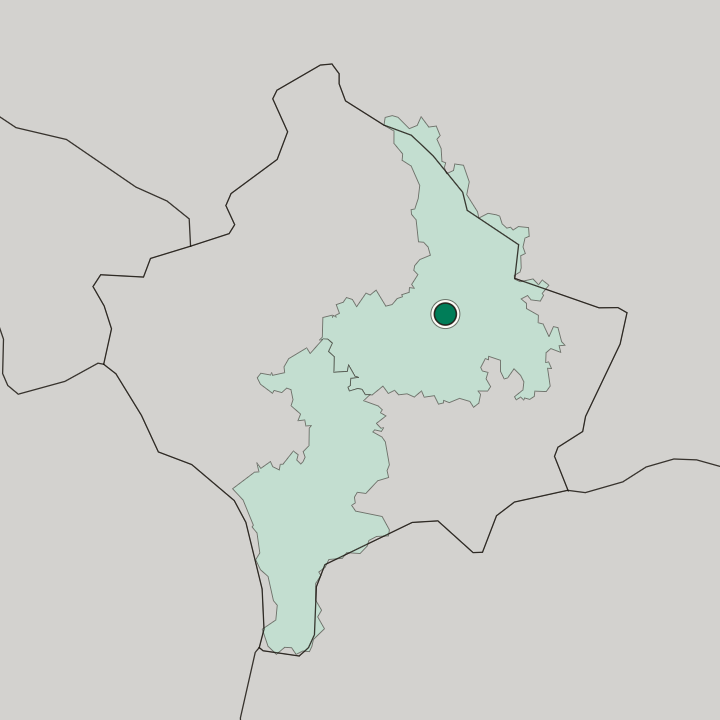
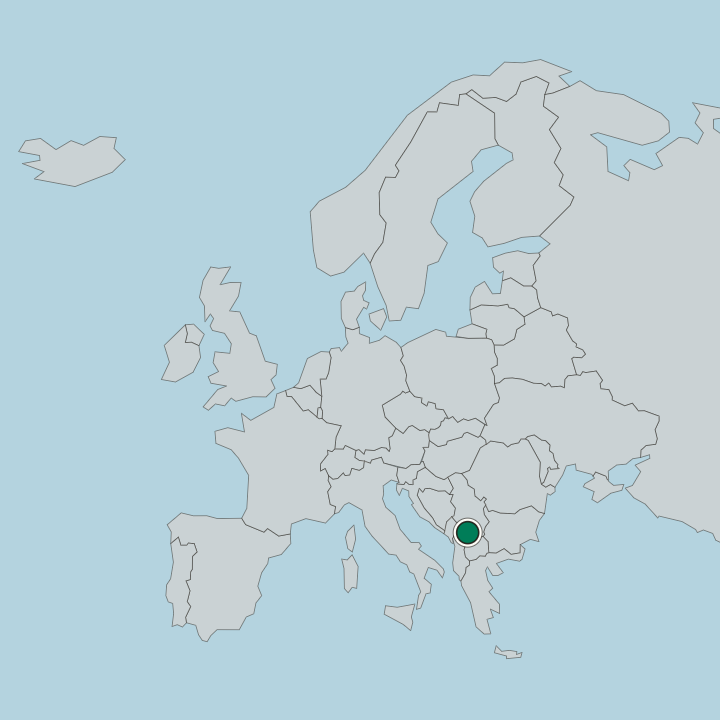
Pristina sits at the centre of Kosovo, the seat of the surrounding Pristina District. The town spreads across gentle hills and a broad inland basin, ringed by higher ground away from the built-up core. Its centre is compact.
The old bazaar streets and the boulevards around the National Library of Kosovo occupy the low heart of the basin, while the newer residential blocks climb the slopes toward the edges of the district, and the open country of the wider Pristina District stretches beyond into the plateau of central Kosovo.
What is the climate of Pristina?
Pristina has a continental inland climate shaped by its basin and hills. Winters run cold and often snowy. The higher ground around the Pristina District holds the chill, and frost settles over the old bazaar streets and the boulevards through the coldest months.
Summers turn hot and dry across central Kosovo, and the long gap between the frozen season and the warm one gives the town the marked swing of an interior climate, far from any moderating coast.
How do you get to Pristina?
Air is the usual approach to Pristina. As the capital of Kosovo, the town is served by the country's main international airport, which links it outward across the region. Roads then feed the centre from the surrounding Pristina District and the wider plateau of central Kosovo.
Once you arrive, distances shrink. The compact core puts the National Library of Kosovo, the old bazaar mosques, and the Newborn monument within easy walking reach of one another.
Common questions
What is the best area to stay in Pristina?
Central boulevard core: first stays close to the museums and pedestrian heart. Old bazaar quarter: travellers wanting the Ottoman-era texture of the historic lanes.
Good for
Updated October 2026