South Africa · Eastern Cape
Where to Stay in Gqeberha, Eastern Cape
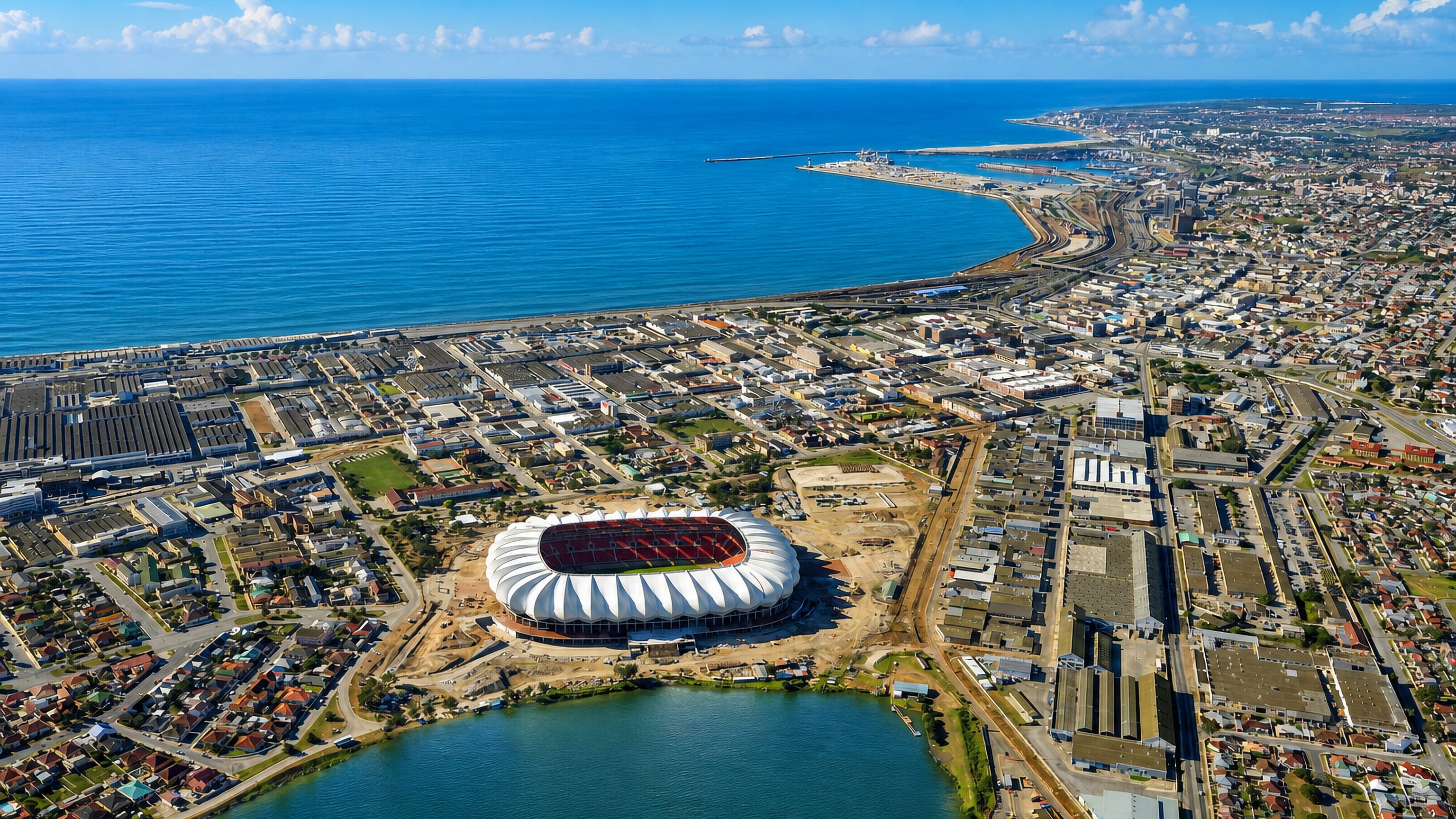
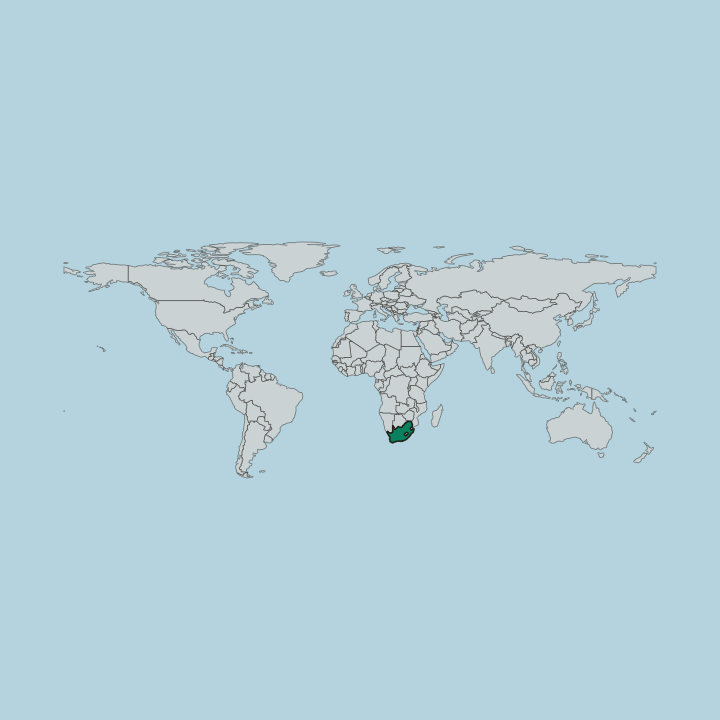
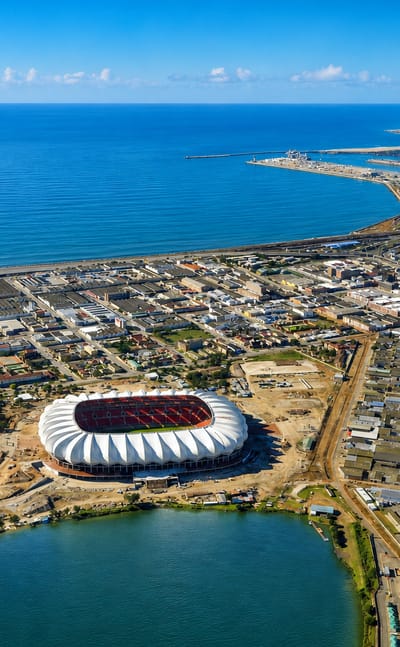
Gqeberha stands on the Indian Ocean coast of the Eastern Cape in South Africa, a windswept seaport known for the Donkin Memorial and its wide bay.
Hotel links are affiliate links: booking through them may earn us a commission, at no extra cost to you. It never affects how places are ranked. How this works


Where to stay in Gqeberha
The right area depends on your trip — here's what each neighbourhood is best for.
 GqeberhaSouth Africa
New Brighton
New Brighton is a township within Gqeberha, part of the greater Ibhayi, and the site of the Red Location Museum in the Eastern Cape.Where to stay →GqeberhaSouth AfricaSwartkops
Swartkops is recorded as a village in the Eastern Cape, sitting inside Gqeberha at its northern edge, just above New Brighton.Where to stay →Hotel links are affiliate links: booking through them may earn us a commission, at no extra cost to you. It never affects how places are ranked. How this works
Find hotels in Gqeberha
Direct booking searches for these neighbourhoods.
Donkin ridge heritage band
The Donkin Memorial, 7 Castle Hill, and Holy Trinity Anglican Church gather the old port streets into one walkable band over the bay.Find hotels in Donkin ridge heritage bandBeach travellers wanting the windy-city surf on the doorstepIndian Ocean beachfront
Lodging on the ocean frontage opens onto the Indian Ocean surf and the long bay that gives Gqeberha its windy-city name.Find hotels in Indian Ocean beachfrontHotel links are affiliate links: booking through them may earn us a commission, at no extra cost to you. It never affects how places are ranked. How this works
Things to do in Gqeberha
Ranked by global recognition; descriptions from Wikidata (CC0).
Museums & Galleries
2- Nelson Mandela Metropolitan Art Museum
- South End Museum
Churches & Religious Sites
1- Holy Trinity Anglican Church
Castles & Historic Sites
3- Donkin Memorial Heritage
- Mendi Memorial Heritage
- The Cenotaphs
Landmarks & Notable Places
1- Red Location Museum
worth knowingacross 4 categories in Gqeberha
About Gqeberha
What is Gqeberha known for?
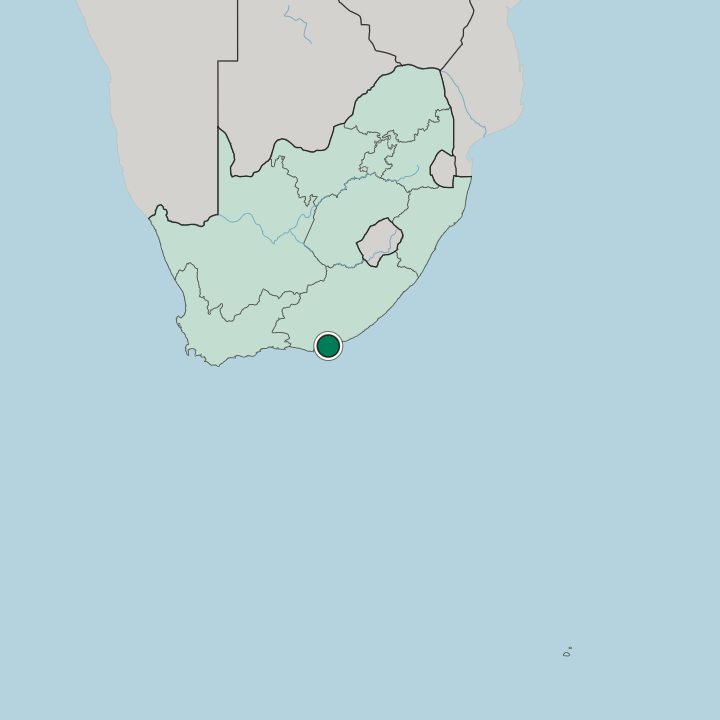
Gqeberha is known as the largest city and main seaport of the Eastern Cape, long called Port Elizabeth and nicknamed the friendly city and the windy city. It fronts the Indian Ocean. The bay sits half-way along the coast between Cape Town and Durban.
The Donkin Memorial crowns the old hill, and the Horse Memorial honours the animals of the South African War. Museums line the centre: the Nelson Mandela Metropolitan Art Museum and the South End Museum. Holy Trinity Anglican Church anchors the historic streets.
What are the main landmarks in Gqeberha?
Gqeberha's landmarks cluster on the historic hill above the harbour. The Donkin Memorial crowns the ridge beside the old lighthouse, and 7 Castle Hill preserves an early settler house nearby, one of the oldest surviving homes in the whole seaport. War monuments stand close.
The Horse Memorial honours the animals, and The Cenotaphs mark the dead. Museums fill the centre, among them the Nelson Mandela Metropolitan Art Museum and the South End Museum, and Holy Trinity Anglican Church stands among the streets of the Eastern Cape seaport.
What is the history of Gqeberha?
Gqeberha traces its founding to 1820, when a British settler party landed on the shore of the Eastern Cape and the port took the name Port Elizabeth. The Donkin Memorial rose on the hill above the young harbour, raised in memory of the woman the town was named for. It grew as a seaport.
Trade along the Indian Ocean coast shaped its early streets and the settler houses such as 7 Castle Hill. The South African War left its mark on the city's monuments. Its Horse Memorial honours the animals that died in that conflict, and The Cenotaphs record the human losses of the war years.
Over the decades that followed, the seaport grew into the economic and financial hub of the Eastern Cape, seat of the Nelson Mandela Bay Metropolitan Municipality. It carried the name Port Elizabeth for most of that history. The city was renamed Gqeberha in 2021, restoring an older toponym.
Holy Trinity Anglican Church and the South End Museum keep the memory of the vanished harbourside community that once filled the lower town.
Where is Gqeberha?
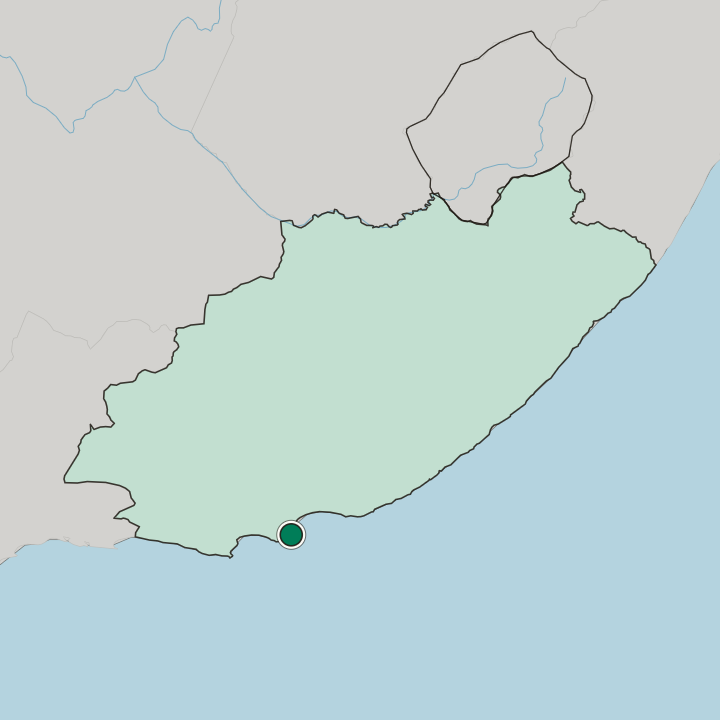
Gqeberha spreads along the Indian Ocean shore of the Eastern Cape, on the wide bay that gives it a working seaport. The city lies half-way along the southern coast between Cape Town and Durban, in the subtropical band of the southern hemisphere. Sea winds sweep the exposed frontage.
The Donkin ridge rises behind the harbour, carrying the old town above the water. Beaches run the length of its ocean edge.
What is the climate of Gqeberha?
Gqeberha holds a mild maritime climate shaped by the Indian Ocean at its door. Summers stay warm rather than hot, and winters run cool but rarely cold, moderated by the sea along the Eastern Cape shore. The wind is the constant.
Steady coastal gusts earned it the windy-city name across the seasons. Rain falls through much of the year on this stretch of the southern hemisphere coast.
How do you get to Gqeberha?
Gqeberha sits on the coastal route half-way between Cape Town and Durban, the main road and rail arrival point for the Eastern Cape shore. Travellers reach it by air into the city airport, by the national coastal highway, or by the port itself along the Indian Ocean. From the centre the Donkin Memorial and the seafront are a short walk.
Buses run the long coast road. The seaport ties into the wider network of South Africa.
Common questions
What is the best area to stay in Gqeberha?
Donkin ridge heritage band: First-timers walking the historic hill above the harbour. Indian Ocean beachfront: Beach travellers wanting the windy-city surf on the doorstep.
Good for
More cities in Eastern Cape
Updated October 2026