South Africa · Western Cape
Where to Stay in Cape Town, Western Cape
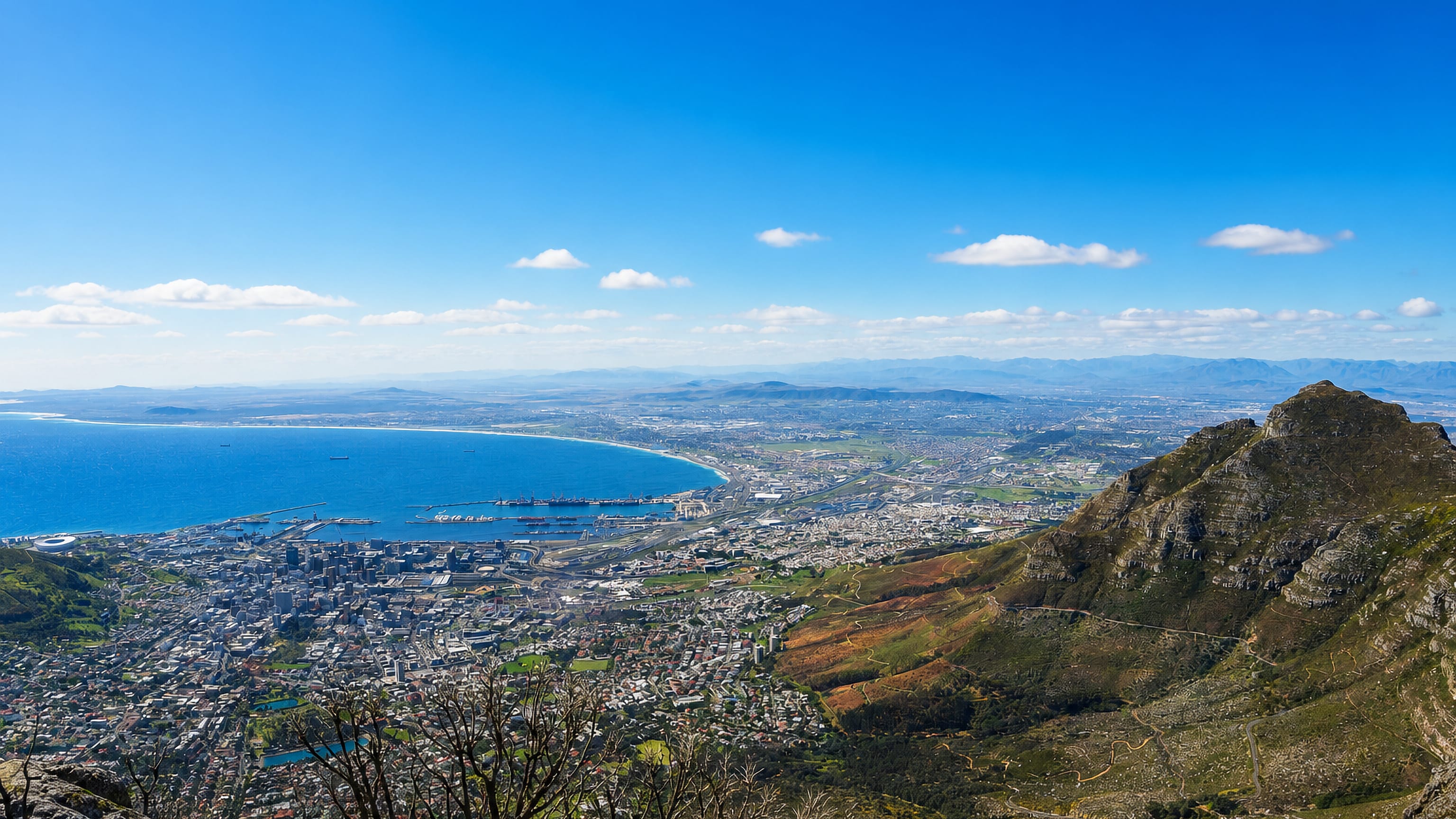
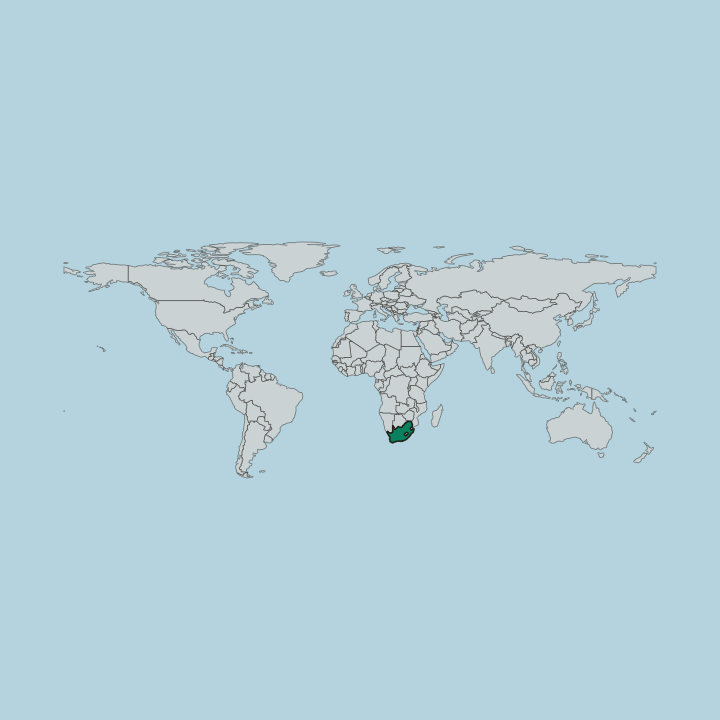
Cape Town is South Africa's oldest city and legislative capital, set on the southwestern coast near the Cape of Good Hope in the Western Cape.
Hotel links are affiliate links: booking through them may earn us a commission, at no extra cost to you. It never affects how places are ranked. How this works


Where to stay in Cape Town
The right area depends on your trip — here's what each neighbourhood is best for.

 Cape TownSouth Africa
Bo-Kaap
The Bo-Kaap climbs Signal Hill above the Cape Town city centre, heart of Cape Malay culture and long known as the Malay Quarter. Painted houses line it.Where to stay → Cape TownSouth Africa
De Waterkant
De Waterkant is a small historic quarter of Cape Town between the centre and harbour under Signal Hill. The Cape Quarter anchors its shops.Where to stay → Cape TownSouth Africa
Gardens
Gardens is a leafy Cape Town suburb on the City Bowl slope under Table Mountain, named for the Company's Garden. Kloof Street is its spine.Where to stay →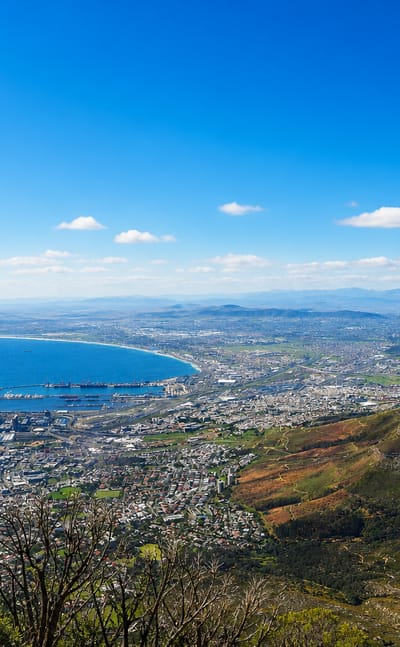 Cape TownSouth Africa
Woodstock
Woodstock is one of Cape Town's oldest suburbs, between the City Bowl and Salt River under Devil's Peak. Old Biscuit Mill sits on Albert Road.Where to stay → Cape TownSouth Africa
Sea Point
Sea Point is a dense Atlantic Seaboard suburb of Cape Town between ocean and Signal Hill, Main Road inland. Green Point, Bantry Bay and Clifton adjoin.Where to stay → Cape TownSouth Africa
Green Point
Green Point lines the Atlantic Seaboard below Signal Hill, set between the V&A Waterfront and Sea Point. Cape Town Stadium adjoins Green Point Urban Park.Where to stay → Cape TownSouth Africa
Observatory
Observatory is an inner suburb of Cape Town below Devil's Peak, named for the South African Astronomical Observatory. Lower Main Road holds the cafes.Where to stay → Cape TownSouth Africa
Camps Bay
Camps Bay is a seaside suburb on Cape Town's Atlantic Seaboard, along the western Cape Peninsula under the Twelve Apostles. Victoria Road runs the shore.Where to stay → Cape TownSouth Africa
Clifton
Clifton is a coastal suburb of Cape Town below Lion's Head, its four beaches reached by stairs from Victoria Road. Bantry Bay and Camps Bay flank it.Where to stay → Cape TownSouth Africa
Athlone
Athlone is a district of Cape Town in the Western Cape, South Africa, and holds the Trojan Horse Memorial.Where to stay → Cape TownSouth Africa
Constantia
Constantia is a valley suburb of Cape Town's Southern Suburbs, estates climbing the Constantiaberg around Groot Constantia Manor House.Where to stay → Cape TownSouth Africa
Hout Bay
Hout Bay is a coastal valley of Cape Town in the Western Cape, its fishing harbour sheltered by the Sentinel, the bay opening west on the Atlantic Ocean.Where to stay → Cape TownSouth Africa
Muizenberg
Muizenberg is a beachside suburb on the eastern Cape Peninsula, facing the warmer water of False Bay. Surfers' Corner is Cape Town's best-known beach.Where to stay →Hotel links are affiliate links: booking through them may earn us a commission, at no extra cost to you. It never affects how places are ranked. How this works
Find hotels in Cape Town
Direct booking searches for these neighbourhoods.
Historic city centre
The Iziko South African Museum, the South African National Gallery, the Slave Lodge, and Groote Kerk sit within walking reach.Find hotels in Historic city centrewaterfront views and familiesThe harbour
The redeveloped docks hold the Two Oceans Aquarium and the Zeitz Museum of Contemporary Art Africa.Find hotels in The harbourday trips to the vineyardsCape Winelands
A short drive inland brings the estate towns of Stellenbosch and Franschhoek within day-trip reach of the harbour.Find hotels in Cape WinelandsHotel links are affiliate links: booking through them may earn us a commission, at no extra cost to you. It never affects how places are ranked. How this works
Things to do in Cape Town
Ranked by global recognition; descriptions from Wikidata (CC0).
Museums & Galleries
3- Slave Lodge Heritage
- Rhodes Cottage Heritage
- Zeitz Museum of Contemporary Art Africa
Churches & Religious Sites
3- St Mary the Virgin Heritage
- Groote Kerk
- Lutheran Church in Strand Street
Castles & Historic Sites
3- Sayed Mahmud Kramat Heritage
- Lichtenstein Castle
- Artillery Memorial, Cape Town
Stadiums & Sports
2- Green Point Track Heritage
- Sports Centre
Landmarks & Notable Places
1- Groot Constantia Manor House
worth knowingacross 5 categories in Cape Town
About Cape Town
Cape Town is known for its harbour and its history.
What is Cape Town known for?
The oldest city in South Africa and the seat of the South African Parliament, it grew from a trading post near the Cape of Good Hope in 1652. Its museums and galleries crowd the old centre, from the Two Oceans Aquarium to the Zeitz Museum of Contemporary Art Africa. Inland lie the vineyards of the Cape Winelands.
What are the main landmarks in Cape Town?
Cape Town packs its landmarks into the old town. The Iziko South African Museum, the South African National Gallery, and the Zeitz Museum of Contemporary Art Africa carry the city's art and natural history, while the Two Oceans Aquarium draws families to the harbour. Memory sits alongside them.
The District Six Museum and the Slave Lodge record forced removals and slavery, and the old Groote Kerk anchors the colonial-era churches of the centre.
What is the history of Cape Town?
Cape Town began in 1652 as a supply station for passing ships. The Dutch set it up on the shore near the Cape of Good Hope, and it became the first lasting European settlement in what is now South Africa, known in Dutch as Kaapstad. The little station grew into a colonial port.
Enslaved people were brought from distant colonies to build and work it, a history kept in the Slave Lodge. The Cape was a crossroads from the start. Control of the Cape passed between colonial powers before the wider country was unified, and Cape Town was made the seat of its Parliament, a role it still holds as the legislative capital.
Its later history carries hard chapters. Under apartheid the mixed inner-city district of District Six was declared white and its people forced out, a story the District Six Museum tells on the ground where it happened. Groote Kerk and the old churches trace the colonial centuries.
Museums, docks, and Parliament all sit within the compact old town. Cape Town wears its full past, first port and legislative capital alike, in plain view.
Where is Cape Town?
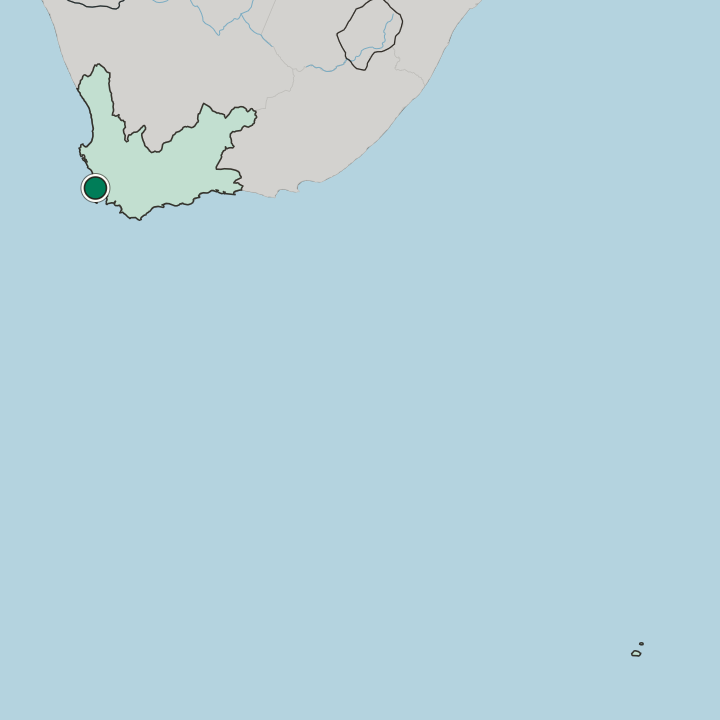
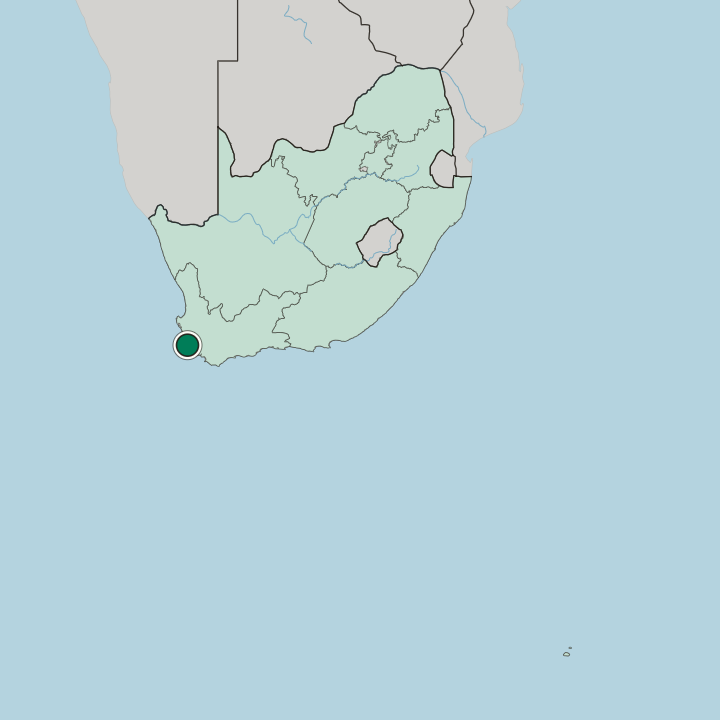
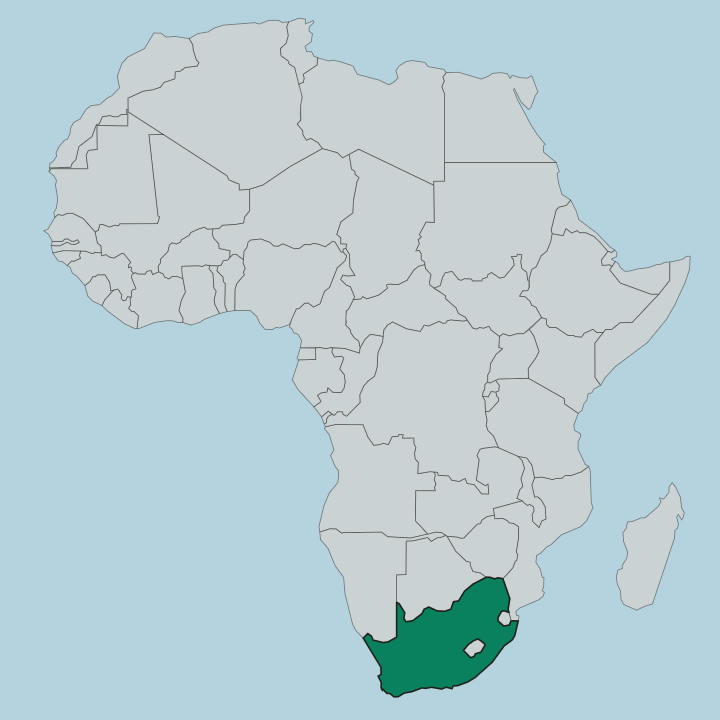
Cape Town sits on the southwestern coast of South Africa, in the Western Cape. The city curls around a harbour where the land narrows toward the Cape of Good Hope, the rocky point that marks the southern end of the African continent. Sea frames it on more than one side.
Inland the ground runs on to the valleys of the Cape Winelands.
What is the climate of Cape Town?
Cape Town has a mild climate shaped by the surrounding sea. Ocean water keeps the city's temperatures even through the year, warm rather than hot in the sunnier months and cool rather than cold in the darker ones. Strong winds are a fixture of the coast.
The Cape of Good Hope catches the full force of them.
How do you get to Cape Town?
Cape Town is the main entry point to South Africa's southwest. International flights land at the city's airport, and roads and rail run on from there along the coast and inland to the Cape Winelands. The long national route links it to the interior and Johannesburg.
Ships still call at the old harbour. Most southern trips begin here.
Common questions
What is the best area to stay in Cape Town?
Historic city centre: first-time visitors and museums on foot. The harbour: waterfront views and families. Cape Winelands: day trips to the vineyards.
Good for
More cities in Western Cape
Updated October 2026