South Africa · Free State
Where to Stay in Bloemfontein, Free State
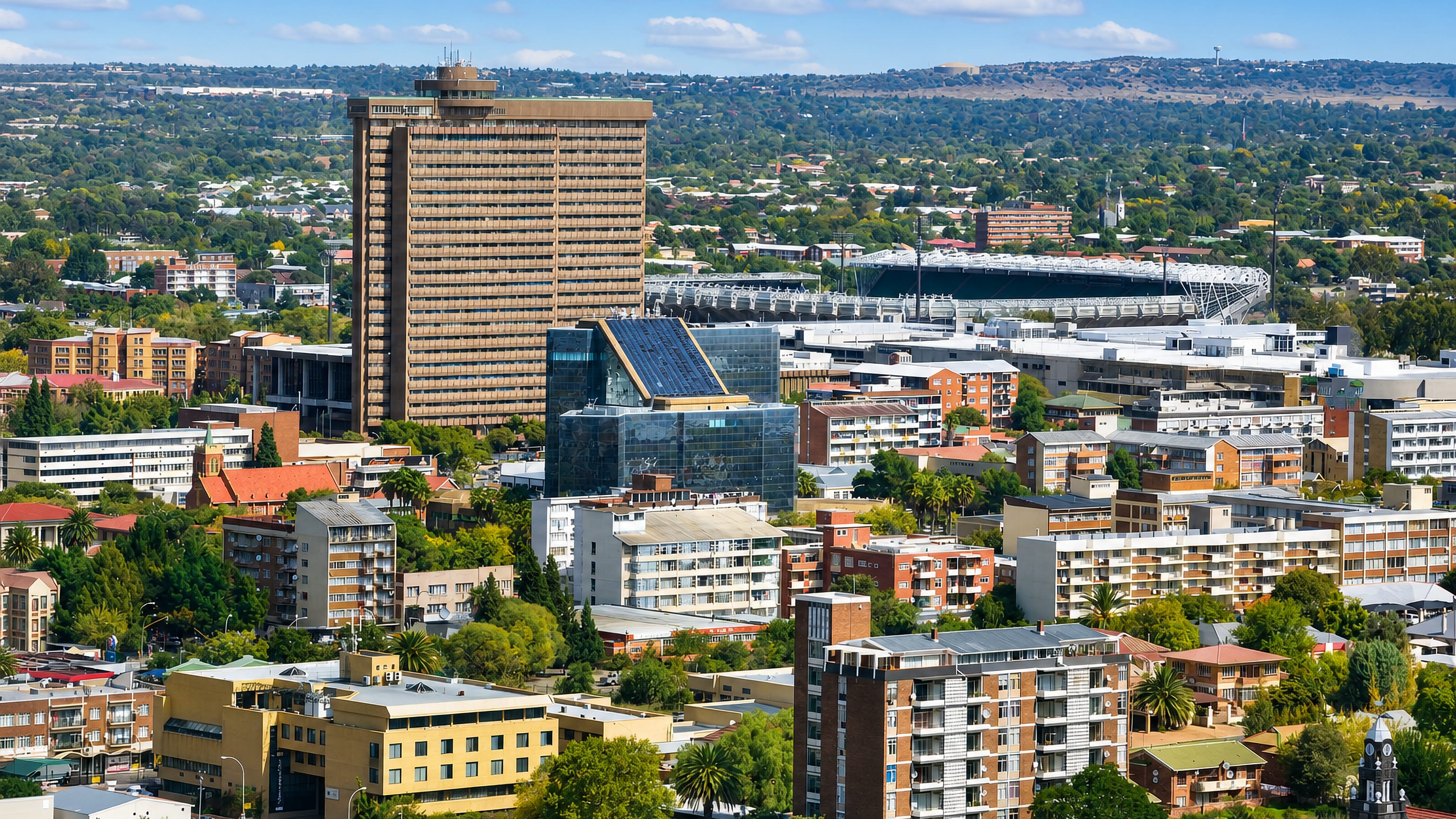
Bloemfontein is the capital of the Free State in South Africa, the rose-festival city known for the National Women's Monument and the Fourth Raadsaal.
Hotel links are affiliate links: booking through them may earn us a commission, at no extra cost to you. It never affects how places are ranked. How this works


Where to stay in Bloemfontein
Where visitors usually base themselves, and why.
Bloemfontein clusters its attractions near the historic core. Choosing a base around the museum quarter puts most of the city within easy reach. Stay near the Fourth Raadsaal and the surrounding government precinct if you want the old republican parliament, the National Museum, and the city's judicial institutions on one walkable stretch.
This is the heart of the Free State capital. First-time visitors settle here to reach the rose gardens and the central monuments without a long transfer across town. Art-minded travellers lean toward the ground around the Oliewenhuis Art Museum, set apart in its own gardens on the northern rise, a quieter address than the busy centre.
Those tracing the Anglo-Boer War Museum and the National Women's Monument should base themselves toward the western memorial ground, where the monument stands over the graves it commemorates. Book ahead. Bloemfontein draws steady traffic during the rose festival and through the court terms, and the guesthouses nearest the Fourth Raadsaal and the National Afrikaans Literary Museum and Research Centre fill first.
Find hotels in Bloemfontein
Direct booking searches for these neighbourhoods.
Fourth Raadsaal government precinct
The Fourth Raadsaal and National Museum sit in the historic government core of the Free State capital, steps from the judicial institutions.Find hotels in Fourth Raadsaal government precinctArt travellers seeking a quieter address above the centreOliewenhuis gardens rise
Beds near the Oliewenhuis Art Museum sit in its own northern gardens, apart from the busy centre yet close to the rose-city core.Find hotels in Oliewenhuis gardens riseHotel links are affiliate links: booking through them may earn us a commission, at no extra cost to you. It never affects how places are ranked. How this works
About Bloemfontein
What is Bloemfontein known for?
Bloemfontein is known as the capital and largest city of the Free State, and as South Africa's judicial capital alongside Cape Town and Pretoria. Locals shorten it to Bloem. The city carries the nickname city of roses for its gardens and annual rose festival.
Its museums crowd the centre: the National Women's Monument, the National Museum, the Oliewenhuis Art Museum, and the National Afrikaans Literary Museum and Research Centre. The Fourth Raadsaal recalls the old republican parliament.
What are the main landmarks in Bloemfontein?
Bloemfontein's landmarks gather in and around its historic centre. The Fourth Raadsaal preserves the seat of the old Orange Free State republic, while the National Women's Monument stands over the western memorial ground. Museums fill the rest: the National Museum, the Oliewenhuis Art Museum, the National Afrikaans Literary Museum and Research Centre, and the Queen's Fort Military Museum.
The Anglo-Boer War Museum sits beside the monument. All lie within the Free State capital.
What is the history of Bloemfontein?
Bloemfontein was founded in 1846 on the open grassland of what became the Free State, and it grew into the seat of the Orange Free State republic. The Fourth Raadsaal survives from that republican era, the meeting hall of its parliament. The city rose as an administrative centre.
Its early role as a capital shaped the government buildings and institutions that still cluster in the historic core. The South African War left its deepest mark on the city's memory. The National Women's Monument commemorates the women and children who died in the concentration camps of that conflict, and the Anglo-Boer War Museum stands beside it to record the same history.
Bloemfontein later took its place as the country's judicial capital, holding that role alongside Cape Town and Pretoria in the shared arrangement of national government. The National Afrikaans Literary Museum and Research Centre preserves the language's written heritage. The Queen's Fort Military Museum keeps the garrison story.
Roses came to define the city too, and the annual festival grew from the gardens that earned it the name city of roses.
Where is Bloemfontein?
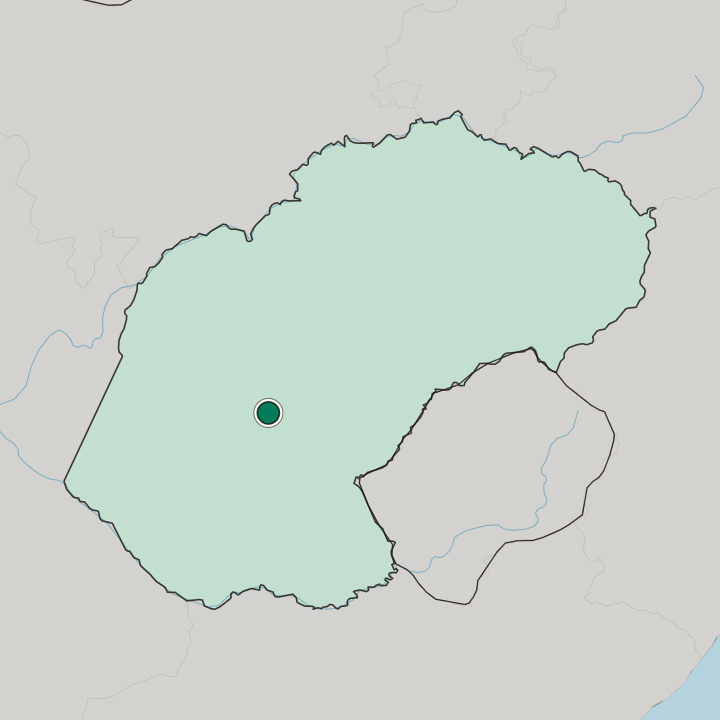
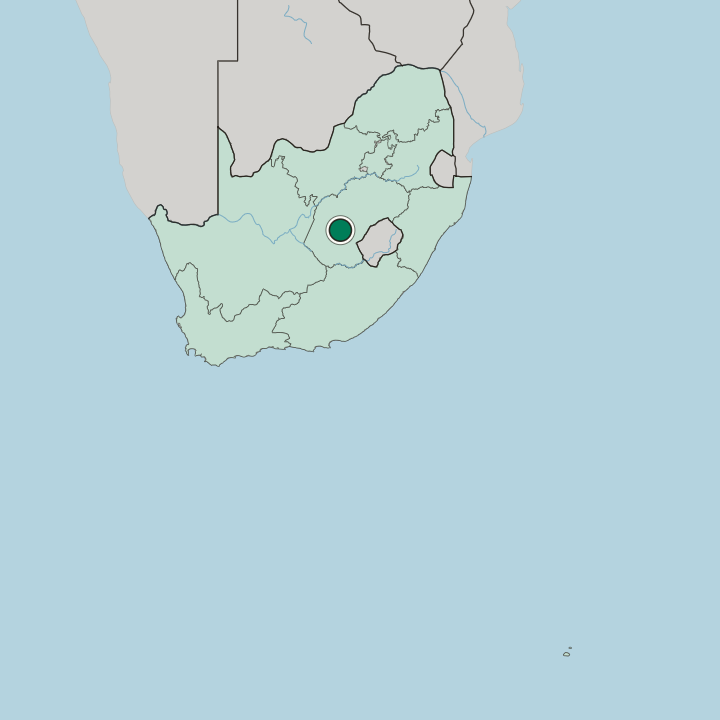
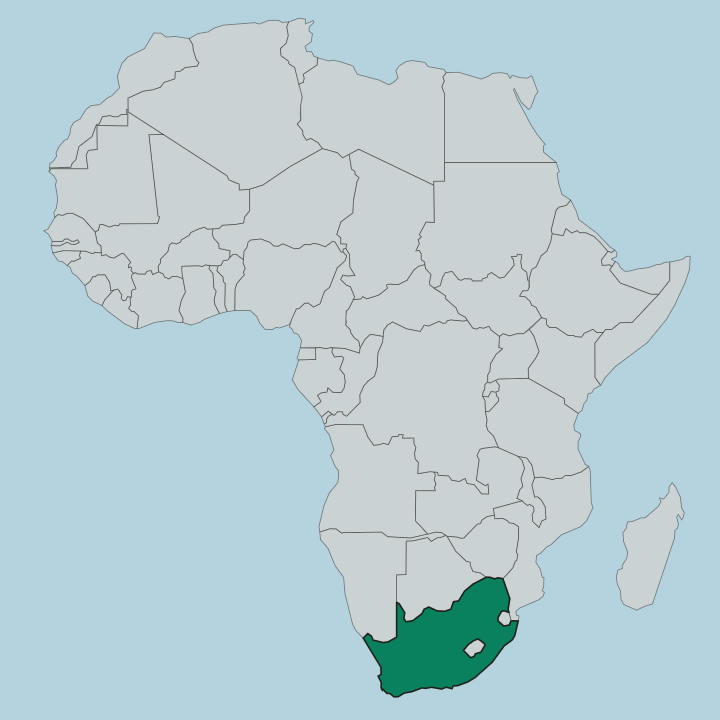
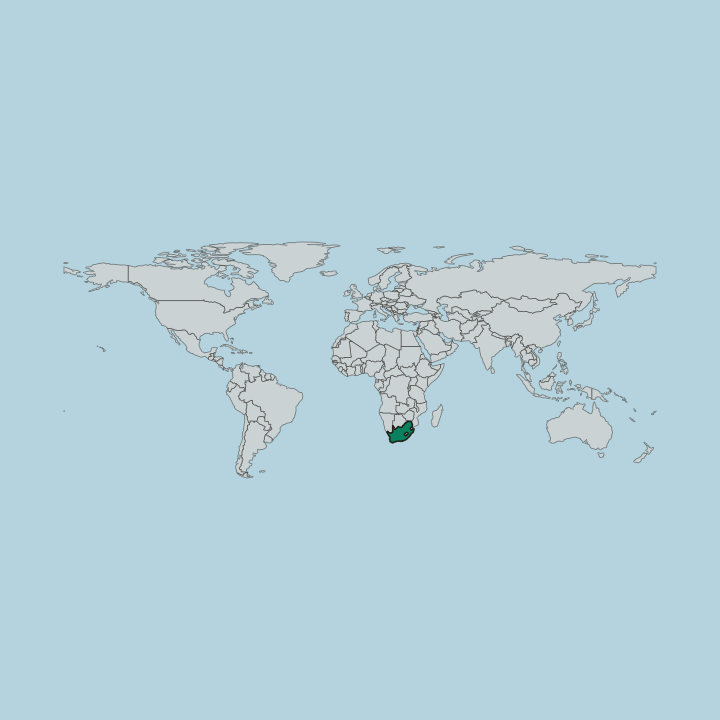
Bloemfontein sits near the centre of South Africa, on the high grassland plateau of the Free State province, far inland from either coast where the open interior country runs flat toward the horizon. It stands well above sea level. Plateau elevation tempers the subtropical heat of the southern hemisphere, and the same high ground brings the cold clear nights that define the winter across this grassland.
Gardens earned it the name city of roses. The Fourth Raadsaal and the National Museum mark its historic core.
What is the climate of Bloemfontein?
Bloemfontein carries a dry inland climate set by its perch on the high plateau of the Free State. Summers bring hot afternoons and short thunderstorms across the grassland, while winters run cold and clear, with frost settling on the open ground. The seasons run opposite the northern calendar.
Rain falls mostly in the warmer months. The plateau altitude sharpens the cold of the dry winter nights around the rose gardens.
How do you get to Bloemfontein?
Bloemfontein sits at a road crossroads near the middle of South Africa, linking the Free State to Johannesburg, Cape Town, and the coast beyond. National routes converge on the city, and most travellers arrive overland along them or by air into the regional airport. Rail lines also serve the plateau capital.
From the centre it is a short reach to the Fourth Raadsaal and the National Women's Monument. The judicial capital ties into the wider national network.
Common questions
What is the best area to stay in Bloemfontein?
Fourth Raadsaal government precinct: First-timers wanting the old republican parliament and the courts on one walk. Oliewenhuis gardens rise: Art travellers seeking a quieter address above the centre.
Good for
Another city in Free State
Updated September 2026