South Africa · Gauteng
Where to Stay in Johannesburg, Gauteng
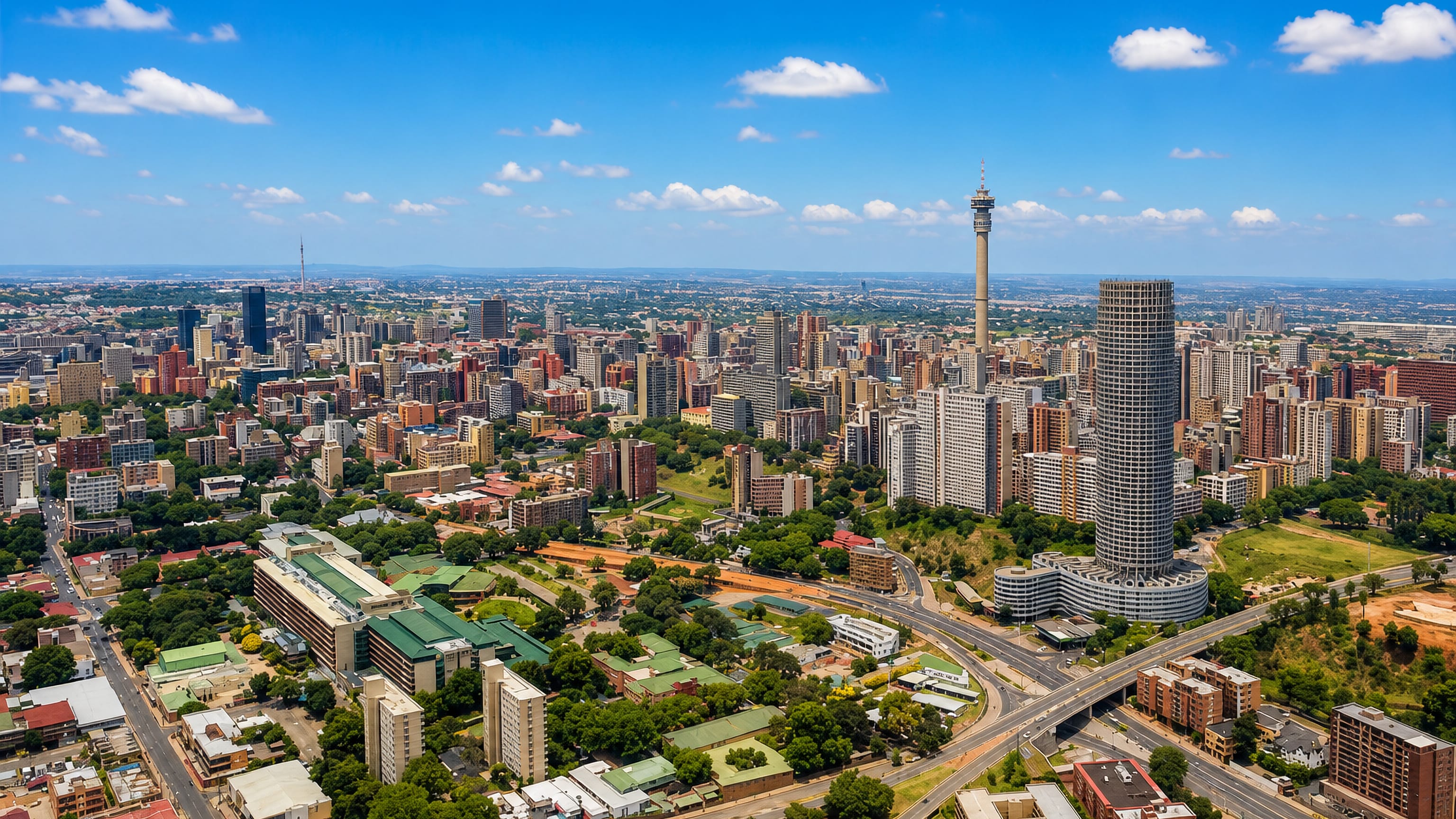
Johannesburg, the City of Gold, grew from the 1886 gold strike on the Witwatersrand and serves as the provincial capital of Gauteng, South Africa.
Hotel links are affiliate links: booking through them may earn us a commission, at no extra cost to you. It never affects how places are ranked. How this works


Where to stay in Johannesburg
The right area depends on your trip — here's what each neighbourhood is best for.
 JohannesburgSouth Africa
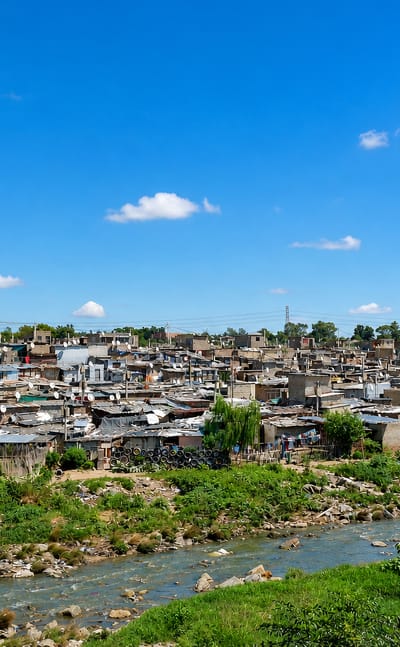
Alexandra
Alexandra is a township of the City of Johannesburg in Gauteng, South Africa, next to the wealthy suburb of Sandton.Where to stay →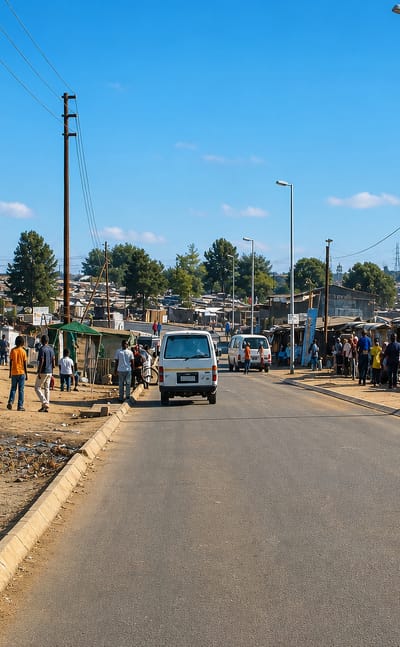 JohannesburgSouth Africa
Diepsloot
Diepsloot is a township in Gauteng, South Africa, its Afrikaans name meaning deep ditch, inside Region A of the City of Johannesburg.Where to stay →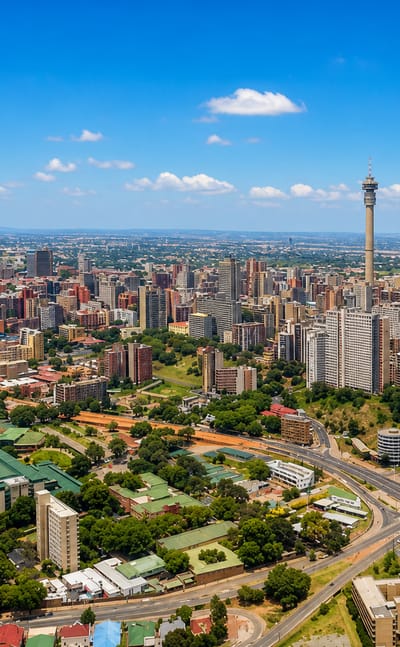 JohannesburgSouth Africa
Orange Farm
Orange Farm is a township of the City of Johannesburg, in Gauteng, South Africa, and one of the youngest in the country.Where to stay →Hotel links are affiliate links: booking through them may earn us a commission, at no extra cost to you. It never affects how places are ranked. How this works
Find hotels in Johannesburg
Direct booking searches for these neighbourhoods.
Marshalltown
The historic core holds the Johannesburg Art Gallery, MuseuMAfricA, and the Constitutional Court within walking reach.Find hotels in Marshalltownart museums and a student sceneUniversity quarter
Around the Wits Art Museum and the Origins Centre, a short hop from the inner-city galleries.Find hotels in University quartera quiet residential night south of the centreTurffontein
The calmer ground around the Turffontein Racecourse, away from the dense inner city.Find hotels in TurffonteinHotel links are affiliate links: booking through them may earn us a commission, at no extra cost to you. It never affects how places are ranked. How this works
Things to do in Johannesburg
Ranked by global recognition; descriptions from Wikidata (CC0).
Museums & Galleries
3- Johannesburg Art Gallery
- Fietas Museum
- SAB World of Beer
Churches & Religious Sites
3- Friedenskirche
- Baptist Church, Troyeville
- Central Methodist Church, Johannesburg
Castles & Historic Sites
3- The Cenotaph Heritage
- The Flame of Democracy
- Brenda Fassie memorial
Stadiums & Sports
3- Turffontein Racecourse
- Standard Bank Arena
- Arthur Block Park
Landmarks & Notable Places
1- Marshalltown
worth knowingacross 5 categories in Johannesburg
About Johannesburg
Johannesburg is known for gold and for money.
What is Johannesburg known for?
The city sprang up in 1886 when gold was found on the Witwatersrand, and it grew into the financial capital of South Africa, holding the Johannesburg Stock Exchange and the country's mining houses. It also carries real political weight as the seat of the Constitutional Court. In its clubs and taxis, Amapiano and house music set the beat.
Locals call it Jozi.
What are the main landmarks in Johannesburg?
Johannesburg keeps its landmarks close to its history. The Johannesburg Art Gallery and MuseuMAfricA anchor the inner-city museum scene, while the Origins Centre and the Wits Art Museum trace human beginnings and modern art at the university. Constitution and memory sit side by side.
The Constitutional Court, the Flame of Democracy, and the Johannesburg Holocaust and Genocide Centre mark the country's harder passages, and the Turffontein Racecourse adds a sporting note.
What is the history of Johannesburg?
Johannesburg began with a single discovery. In 1886 gold was found on the Witwatersrand, the reef of gold-bearing rock beneath the site, and within a few years a mining camp on the open ground had swelled into a raw, fast-growing town. Prospectors, financiers, and labourers converged from across the region and the world to work the deep-level mines.
The gold made fortunes and built the earliest banks, headgear, and grid of streets. People soon called it the City of Gold, or Jozi. The mines shaped everything that followed, including its divisions.
Black mineworkers were housed apart and moved under tight control, and whole communities such as Fietas were later uprooted, a history the Fietas Museum keeps in view. After the political changes of the early nineties, Johannesburg took a central place in the new order, and the Constitutional Court, the country's highest court, was seated here. The old mining core around Marshalltown shifted in character as business drifted to newer districts elsewhere.
Through it all the city kept remaking itself. Its story is still written in gold, migration, and reinvention.
Where is Johannesburg?
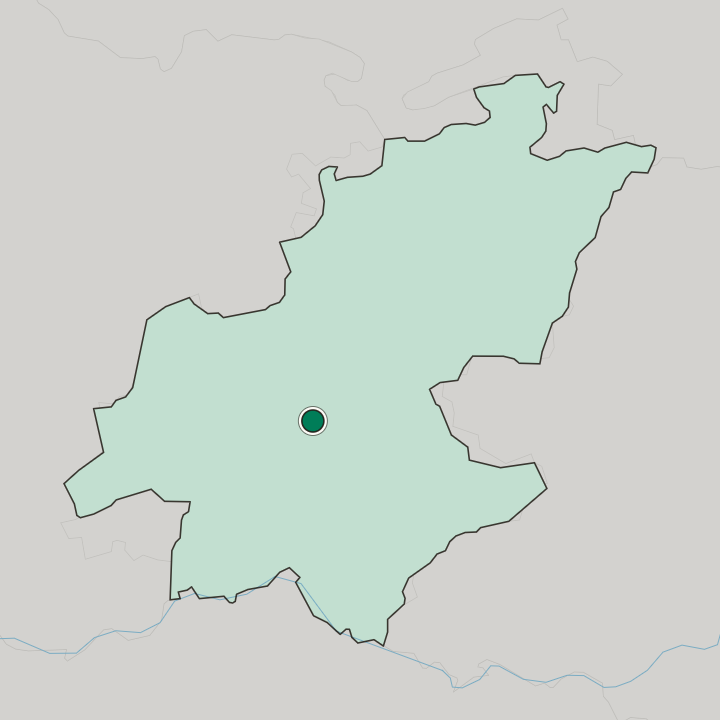
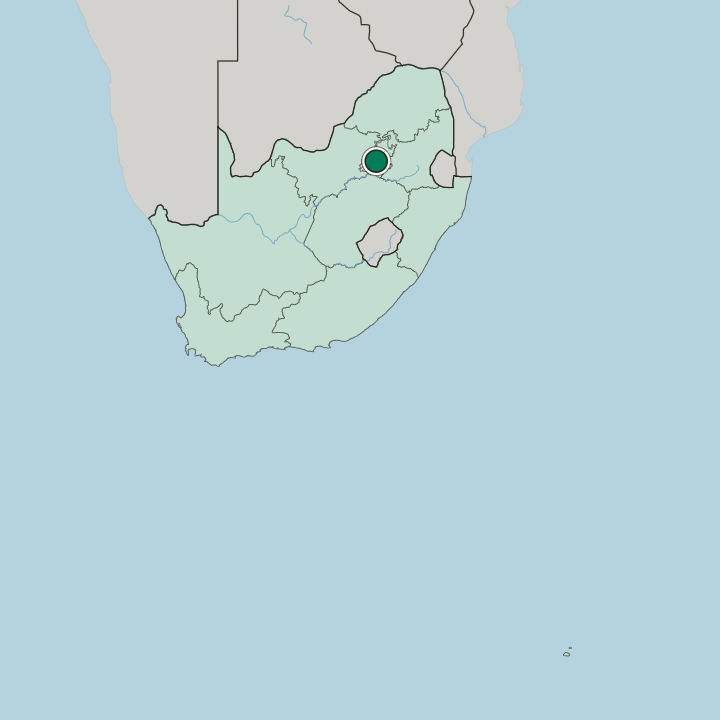
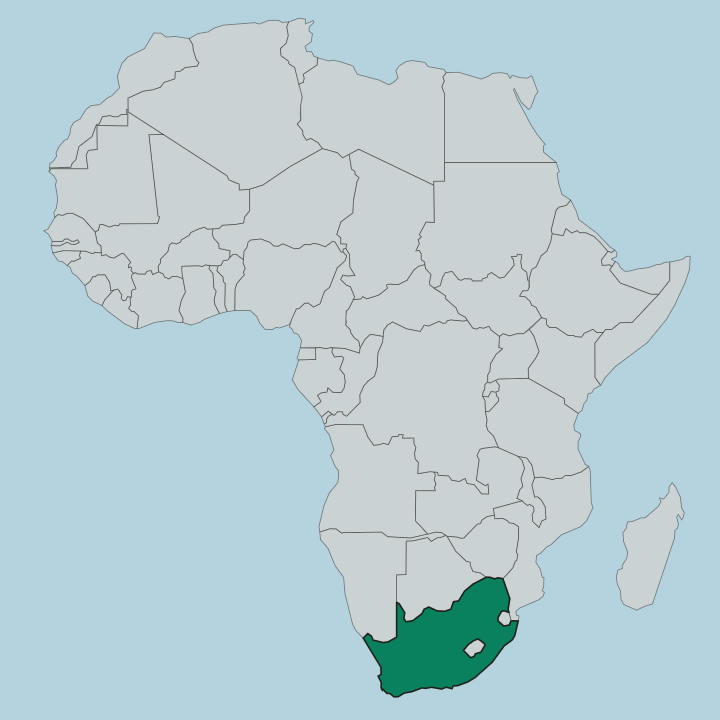
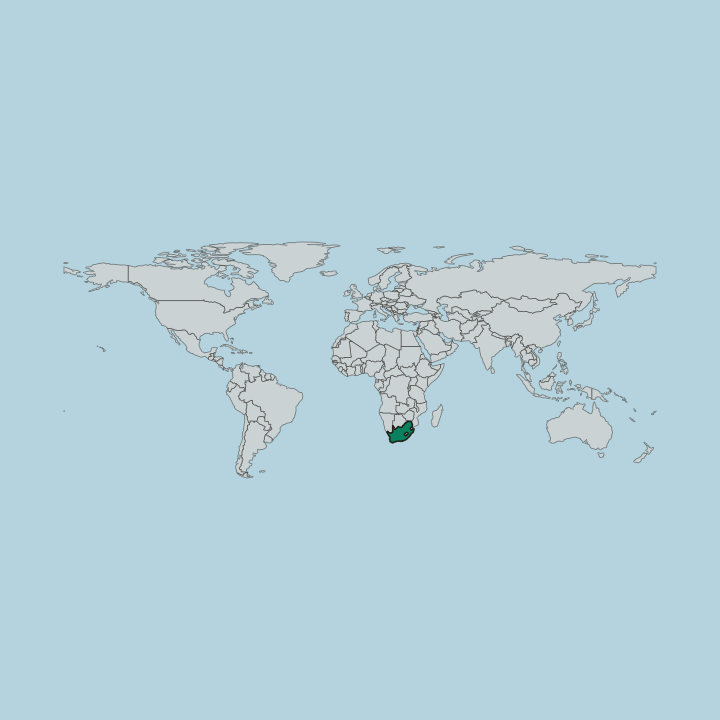
Johannesburg stands on the Witwatersrand in the province of Gauteng. The city grew along the gold reef, a band of high ground deep in the interior of South Africa, well away from any coastline. Pretoria lies a short way off, the two cities almost meeting across Gauteng. Gold, not water, fixed its place.
What is the climate of Johannesburg?
Johannesburg sits in the subtropical band of the southern hemisphere, yet its weather stays milder than that position suggests. Summers bring the rain. Around the turn of the year, warm days end in sharp afternoon thunderstorms, while the midyear winter runs dry, bright, and cool.
Winters on the Witwatersrand stay crisp and sunlit.
How do you get to Johannesburg?
Johannesburg is the main way into South Africa by air. The country's busiest international airport lies just outside the city, and from it highways and rail lines fan out to Pretoria, the rest of Gauteng, and the coast beyond. Long-distance trains and coaches terminate in the centre.
The two Gauteng cities sit within an easy drive of each other. Most visitors arrive here first.
Common questions
What is the best area to stay in Johannesburg?
Marshalltown: inner-city museums and heritage walks. University quarter: art museums and a student scene. Turffontein: a quiet residential night south of the centre.
Good for
More cities in Gauteng
Updated October 2026